Blog navigation

Latest posts

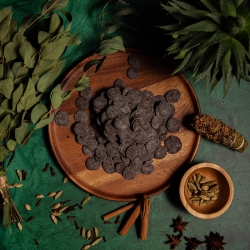
Mescaline Effects and Action: The San Pedro and Peyote Experience

Mescaline works differently from psilocybin or LSD: visually rich, embodied and grounding, with a long duration of...

Read More
San Pedro and Peyote: A Botanical Guide to the Mescaline Cacti

Two plant groups together form the world of the mescaline cacti: the columnar San Pedros from the Andes and the...

Read More
6 Magic Mushroom Myths Debunked: Fact or Fiction?

Magic mushrooms have a way of attracting wild stories. Jesus as a psychedelic cult figure, Santa as an...

Read More
Smudging & Energetic Cleansing: The Complete Ritual Guide

Smudging is an ancient ritual of energetic cleansing with the smoke of sacred plants. This complete guide covers...

Read More

Ceremonial Cacao: How to Spot the Real Thing


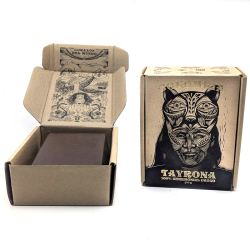
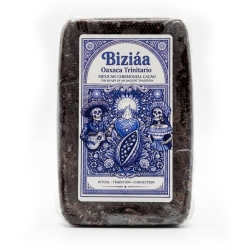
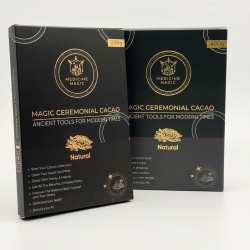
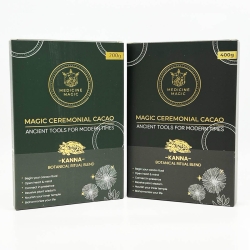
The term 'ceremonial cacao' has become a buzzword in recent years, used by producers selling everything from carefully fermented criollo beans to industrially processed mass with a ceremony label. For anyone who takes cacao seriously, ritually or medicinally, that gap is not trivial. This guide explains what genuinely makes cacao ceremonial grade and how we put our selection together.

Last updated: April 2026
This guide is regularly updated with the latest insights on sourcing, quality and ceremonial use.

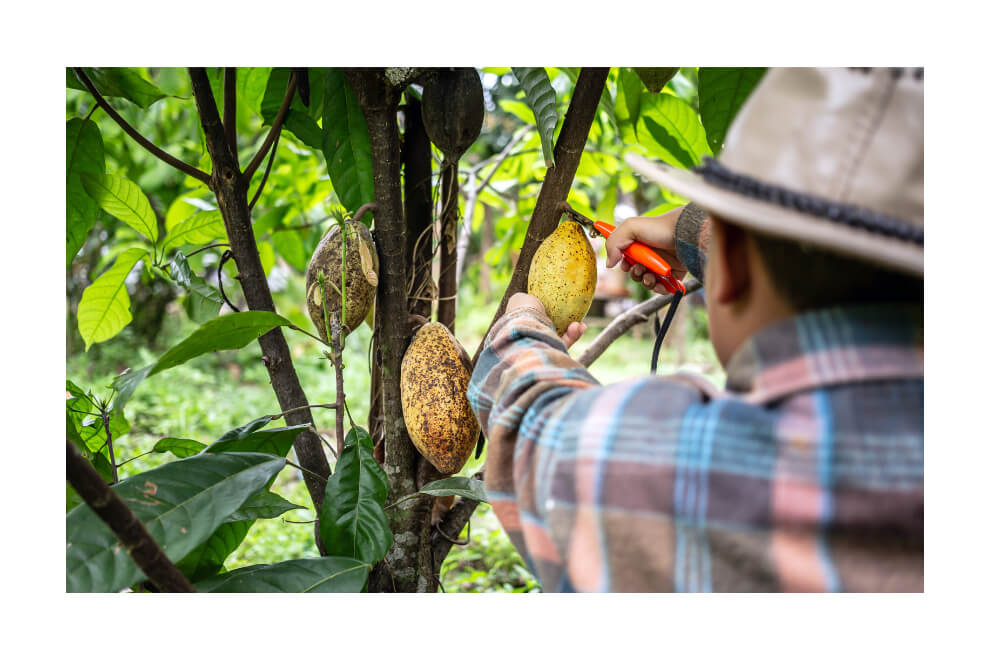
ceremonial raw cacao beans paste powder

What does 'ceremonial grade' actually mean?

There is no official certification for ceremonial cacao. No seal, no government definition, no lab test that regulates the term. What the market accepts as ceremonial grade in practice comes down to four criteria, all four of which must hold.

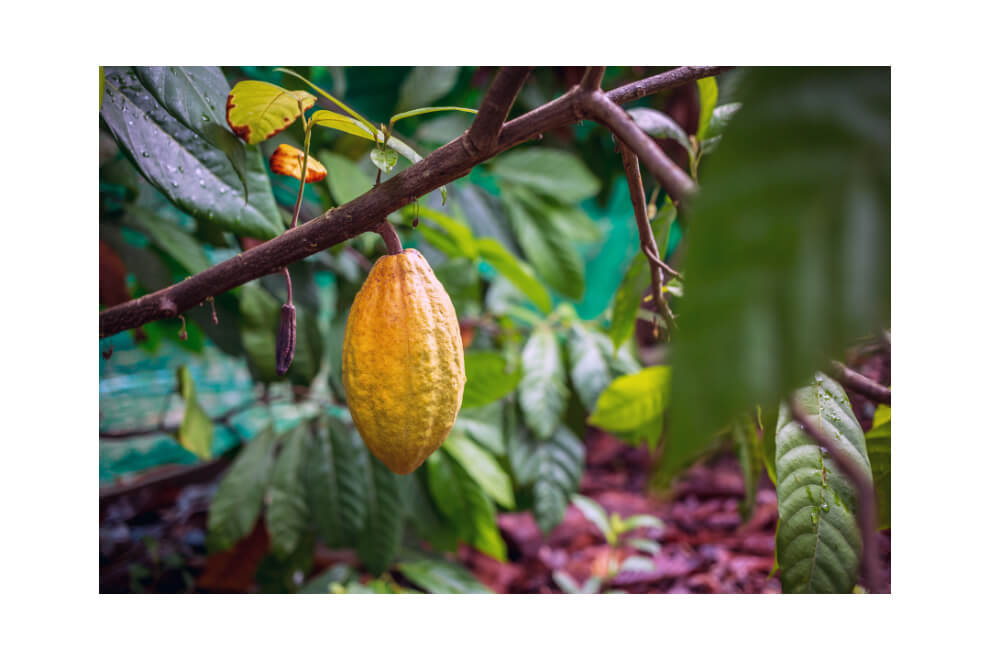
  1. Bean variety. Heritage varieties like Criollo and Nacional, or carefully grown Trinitario. No Forastero bulk beans destined for commercial chocolate.
  2. Fermentation. Fully and traditionally fermented on banana leaves or in wooden boxes, five to seven days, to develop the aroma profiles that support active compounds.
  3. Low-temperature drying. Sun-dried or mechanically dried below 50 °C, to protect enzymes and flavanols.
  4. No roasting or alkalising. No Dutch process, no sugar, no fillers. Only cold pressing and grinding.

If a product misses one of these four, it is raw cacao but not ceremonial grade. Our entire ceremonial cacao collection meets all four.

What does ceremonial cacao do in your body?

Three main components account for what you actually feel during a ceremony:

  • Theobromine. A mild, long-acting stimulant in the same family as caffeine, but without the peaks. Dilates blood vessels, raises heart rate slightly, gives a warm and open sensation. This is the engine of the ceremony.
  • Anandamide. Cacao contains small amounts of this endogenous cannabinoid, plus PEA and tryptophan, which together may explain the elevated mood and open feelings participants consistently report.
  • Flavanols. Cardiovascular-active antioxidants. The COSMOS trial in NEJM (2022) showed that 500 mg of cacao flavanols per day measurably reduces cardiovascular risk.

A ceremony dose lies between 30 and 42 grams of pure raw cacao. Below 25 grams you barely feel anything; above 50 grams many people experience palpitations or nausea. For the physiological detail, see our complete raw cacao guide.

Where our cacao comes from

We work directly with small cooperatives and farmers, no middlemen. Four origins, each with its own profile:

Peru: Criollo from the northern coast

Our Peru Criollo paste and Peru Criollo powder come from a cooperative in the Piura region, where Criollo still grows in its original form. Subtle, floral notes, low bitterness. This is the cacao that historically featured in Mesoamerican ritual.

Bolivia: wild-harvested Beniano from the Amazon basin

The Bolivia Beniano paste comes from wild cacao trees in the Amazon basin, harvested by indigenous communities that maintain the traditional fermentation process. Earthy, full, with a hint of nut and dried fruit.

Ecuador: Arriba Nacional from the lowlands

Ecuador's Arriba Nacional has a recognisable floral, fruity aroma you can smell up to four kilometres from the drying field. Available as paste, powder and drops.

Haiti: oldest Criollo and Trinitario

A recent addition: Premium Criollo and Trinitario from Haiti, one of the least-exploited cacao countries in the world. Tastes complex, with chocolate notes and a long aftertaste.

Paste, drops or powder: which one for you?

Three processing forms, three use cases. The short version:

  • Paste for traditional ceremonies where texture and fullness matter.
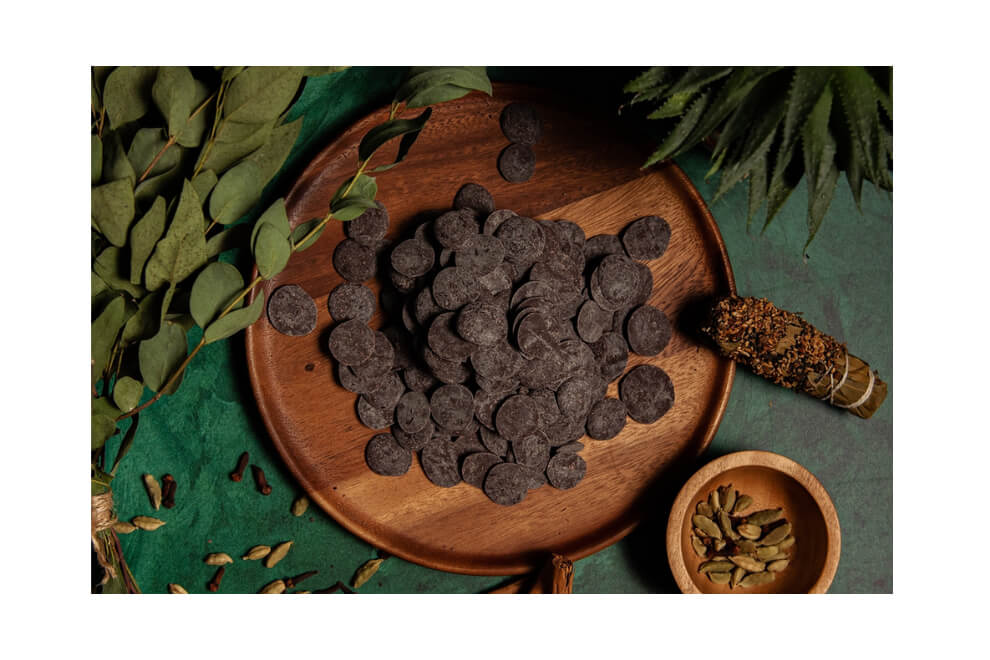
  • Drops for convenience: paste in pre-portioned discs, no knife or scale required.
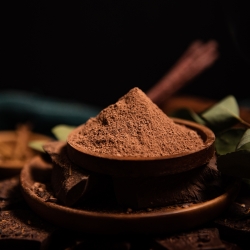
  • Powder for everyday use, smoothies, baking and quick rituals.

For the full comparison and when to pick what, read our blog on cacao powder versus cacao paste.

Quick start: your first ceremony at home

If you want to begin this week, here is the minimum:

  1. Pick your form
    Drops or paste for your first ceremony. Powder lacks the texture that partly carries the experience.
  2. Heat the liquid
    Heat 200 ml water or plant-based milk to 60-70 °C. Do not boil: that damages flavour and flavanols.
  3. Add cacao and whisk smooth
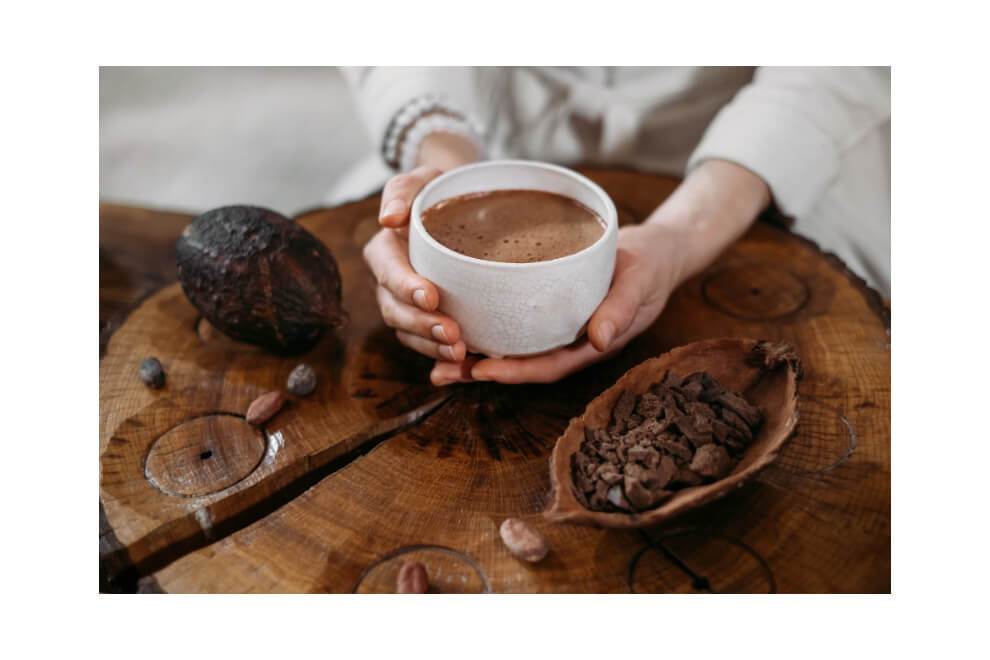
    Add 30-42 g of ceremonial cacao. Whisk with a whisk or molinillo until you have a smooth, fatty drink. Optional: pinch of chilli, cinnamon or honey.
  4. Set your intention
    A minute before drinking: sit, close your eyes, formulate an intention. Cacao does not steer you anywhere on its own; your attention does that work.
  5. Sip slowly and wait 30 minutes
    Drink in 5-10 minutes. Effects begin after 20-30 minutes and build to a peak around 60-90 minutes.

For a detailed plan with music selection, journal prompts and post-ceremony integration, read our article on a sacred cacao ceremony in 7 steps. For historical and cultural background, read about the history of cacao ceremonies.

Common mistakes when buying for the first time

  • Picking the cheapest option. Below 50 euros per kilo for 'ceremonial grade' is almost always suspect. Real traditional fermentation and cold processing are labour-intensive.
  • Going for 'roasted' cacao because it sounds tastier. Roasting destroys 60 to 90 percent of the flavanols and changes the effect. For a ceremony you want raw.
  • Forgetting to ask about origin. 'From South America' is not an origin. Ask for the country, the region, and ideally the cooperative.
  • Buying 'ceremonial cacao' that contains additives. Pure ceremonial grade has one ingredient: cacao. Adding sugar, vanilla or milk powder makes it something else.
  • Ignoring shelf life. Fresher cacao means more flavanols. Keep unopened packs in their original packaging.
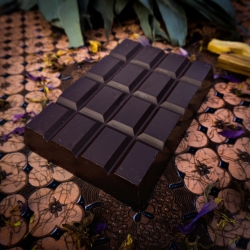
Important: at high doses theobromine can cause palpitations, sleeplessness or nausea. People with heart conditions, pregnant women, and users of SSRI or MAO medication should avoid a ceremony dose or check with a doctor first. Dogs and cats must not be given any cacao.

Cacao versus cocoa: the distinction

Cacao and cocoa look the same but are not. Cocoa is roasted cacao, often alkalised through the Dutch process, with up to 90 percent fewer flavanols than raw cacao. For a deep comparison, read our blog on raw cacao versus cocoa. For the entire production process from bean to paste, see our blog on how raw cacao is made.

What users report

Users switching from supermarket cacao to ceremonial grade for the first time often note an immediate difference in both taste and sensation: a rounder, more complex flavour and a clearly warmer, more grounded feeling within the hour. A common pattern after a few weeks of regular ceremonies: people find it hard to switch back to ordinary chocolate milk.

Why Next Level Smart for your ceremonial cacao?

Why Next Level Smart?

  • Cacao from Peru, Bolivia, Ecuador and Haiti — multiple origins, each with its own flavour profile
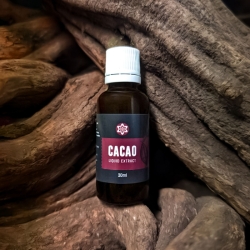
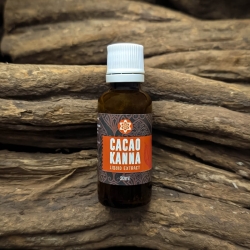
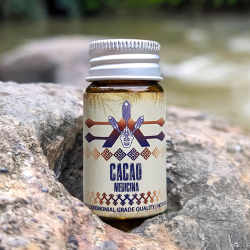
  • Paste, drops, powder and extract — four forms in stock, for every occasion something fitting
  • From small-scale growers — no bulk cacao, sourced through responsible suppliers
  • 100% raw processing — no roasting, no alkalising, one ingredient

Frequently asked questions about ceremonial cacao

What is the difference between ceremonial cacao and regular raw cacao?

Ceremonial cacao must meet four quality criteria: heritage bean variety (Criollo, Nacional or carefully grown Trinitario), full traditional fermentation, low-temperature drying, and processing without roasting or alkalising. Regular raw cacao can skip one or more of these steps, often to save cost.
How much ceremonial cacao do I use for one ceremony?

A typical ceremony dose is 30 to 42 grams of pure cacao per person. Below 25 grams you barely feel anything; above 50 grams many people experience palpitations or nausea. Stay below 35 grams if it is your first time.

Will I really feel a ceremony dose?

Yes, but it is subtle. Effects begin after 20-30 minutes and last two to three hours. Expect warmth in your chest, a slightly raised heart rate (similar to a brisk walk), an open and attentive state, and a mild lift in mood. Cacao supports intention, it does not replace it.

Can I combine ceremonial cacao with other substances?

With SSRI and MAO medication, only after speaking with a doctor. With caffeine it works, but it intensifies the heart-rate effects. Cacao pairs well with meditation, breathwork and music; those are the combinations most used in both traditional and modern settings.

How do I store ceremonial cacao?

Sealed in original packaging: cool, dark and dry at room temperature. Shelf life 12 to 24 months. Once opened: paste and drops in an airtight container in the fridge (4-8 weeks). Powder dry at room temperature in a sealed jar.

Which origin is best for beginners?

Peru Criollo. Subtle, low bitterness, rounded flavour. Bolivia is more intense and earthy; that can be a step up too far for a first time. Ecuador Arriba is floral and is also widely seen as beginner-friendly.

What is the difference from supermarket chocolate milk?

Substantial. Supermarket cacao is roasted and often alkalised, which lowers the flavanol content by 60-90 percent. Chocolate milk also contains sugar, milk powder, and often emulsifiers. For a deep comparison, read our blog on raw cacao versus chocolate.

Is ceremonial cacao safe during pregnancy?

A scoop of powder in a smoothie usually causes no issues; ceremony doses of 30-42 grams contain enough theobromine to potentially cause palpitations, sleep issues or a raised foetal heart rate. In all cases ask your midwife for advice.

Last updated: April 2026 | Next Level Smart Shop

 
Rey is the creative force behind our webshop, blending practical experience with a deep interest in natural products, ritual, and conscious living. His work is rooted in quality, authenticity, and respect for traditional knowledge. Through his writing, he aims to bridge traditional wisdom with modern, conscious use, helping customers make informed and meaningful choices. By maintaining close relationships with many of the producers behind the products, he creates a bridge between their world and Western society. He shares their knowledge, vision, and methods with care, honoring both traditional practices and their place in a modern context. His favourite products are rapé, kratom, and magic mushrooms.
Loading...