



























































Filter By

Strength (1-5)

LSA Seeds

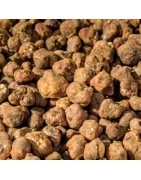
Here you'll find our LSA-containing seeds. LSA (Lysergic Acid Amide) causes an altered state of mind that is in some ways comparable to the effects of other tryptamine hallucinogens. These seeds have relaxing effects at low doses and hallucinogenic effects at higher doses. See below for our selection!

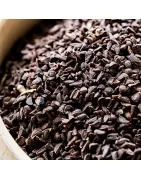
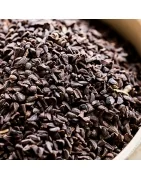
Morning Glory | Ipomoea Tricolor Seeds

LSA Seeds
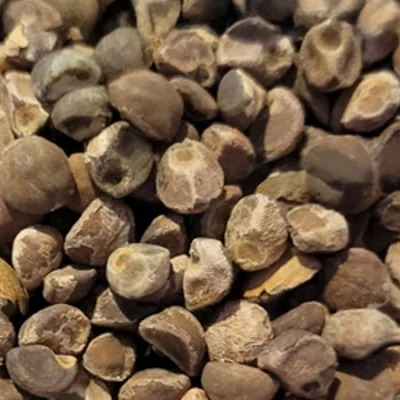
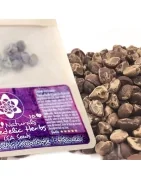
Morning Glory seeds. Contain LSA, a natural psychedelic. Traditionally used by Aztec priests. For experienced users familiar with LSA effects.
Effect: Psychedelic
Strength (1-5): 🪐🪐🪐
10.33

LSA Seeds: Morning Glory & Hawaiian Baby Woodrose

LSA (lysergic acid amide) is a natural tryptamine found in the seeds of several plants, including Ipomoea tricolor (Morning Glory) and Argyreia nervosa (Hawaiian Baby Woodrose). Learn more in our LSA seeds guide.

What are LSA seeds?

LSA seeds contain lysergic acid amide (d-lysergamide), a natural tryptamine structurally related to LSD but with its own characteristic activity profile. The best-known sources are Argyreia nervosa (Hawaiian Baby Woodrose) and Ipomoea tricolor (Morning Glory). Both plants have been used ritually in Mesoamerica for centuries.

Are LSA seeds legal?

Yes, LSA seeds are fully legal in the Netherlands as a botanical collector product. The seeds themselves are not listed under the Opium Act. They are freely available and valued by ethnobotanical collectors and enthusiasts of special plant species.

What is the difference between Morning Glory and Hawaiian Baby Woodrose?

Argyreia nervosa (HBWR) seeds are considerably larger and contain more LSA per individual seed than Ipomoea tricolor (Morning Glory). HBWR seeds originate from India and tropical Asia, while Morning Glory is native to Mexico where the Aztecs called it 'tlitlitzin'.

2623 reviews
Loading...