Blog navigation

Latest posts

Party Pills Comparison: Happy Caps vs DNX Pills

Twenty party pills in the shop and no idea which to pick? This comparison puts Happy Caps, DNX and the new Party-E...

Read More
Liquid Spore Cultures vs Spore Prints: Which Should You Choose?

Liquid spore cultures and spore prints are the two main ways to start a mushroom cultivation project. This guide...

Read More
Incense Guide: Which Type of Incense Is Right for You?

With over 60 types of incense in our collection, choosing the right one takes a bit of knowledge. This guide compares...

Read More
Kuripe vs Tepi: Which Rapé Applicator Suits You?

Kuripe or tepi? These are the two tools used to administer rapé, and choosing between them changes the experience...

Read More

Raw Cacao vs Chocolate: The Key Differences


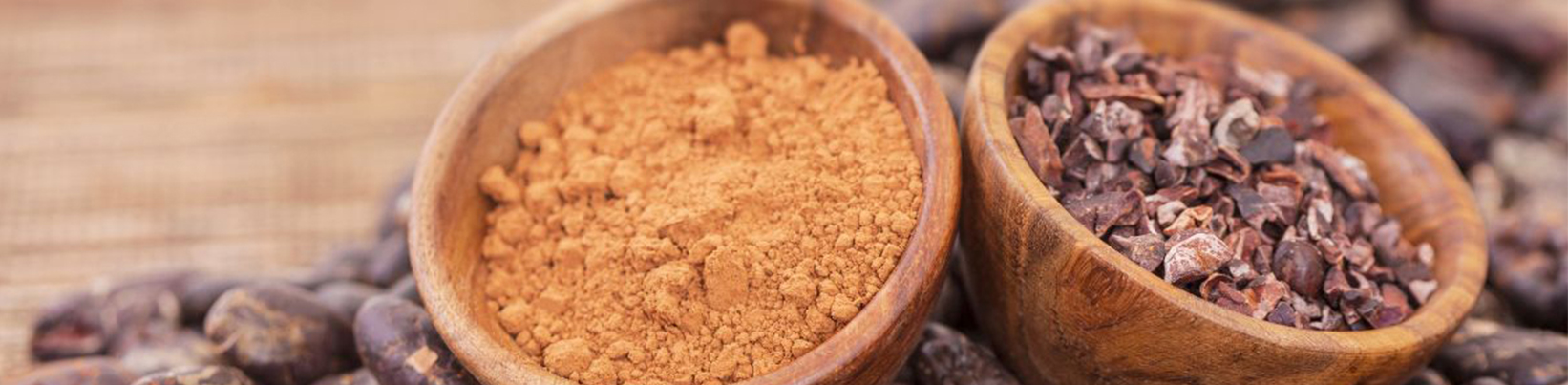
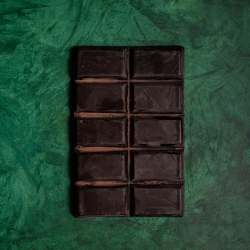
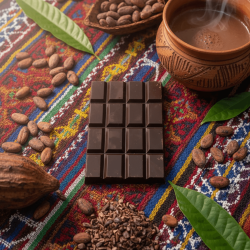
raw cacao vs chocolate cocoa difference

Last updated: March 2026
This guide is regularly updated with the latest scientific insights on cacao.

What is the difference between raw cacao and chocolate?

Raw cacao and chocolate both originate from the Theobroma cacao tree, yet they undergo entirely different processing methods. Raw cacao beans are cold-pressed at temperatures below 42 degrees Celsius, preserving all enzymes, antioxidants and minerals. Chocolate (called "cocoa" in commercial processing) is roasted at high temperatures and often alkalised, which destroys a significant portion of its nutritional value.

This fundamental difference determines everything: the taste, the health profile, and the ceremonial potential of the final product. Understanding this distinction helps you make genuinely informed choices about what you consume.

A brief history: from the Maya to modern science

Cacao has been revered as the food of the gods for over three millennia. The Maya were among the first to cultivate the Theobroma cacao tree around 400 AD in Central America, using the beans for sacred beverages and ceremonial purposes. The word "cacao" derives from the Olmec "ka-ka-w" and refers to the unprocessed bean.

When the Spanish brought cacao to Europe in the 16th century, they began adding sugar to mask its natural bitterness. This marked the birth of the chocolate industry as we know it. Yet the true power of the cacao bean lies in its raw, unprocessed form.

There is growing scientific interest in raw cacao as a functional food, particularly regarding its polyphenols and flavanols and their positive effects on cardiovascular health.

Raw cacao: why it deserves superfood status

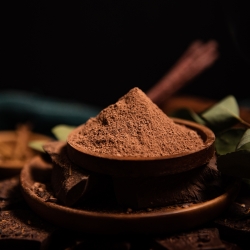
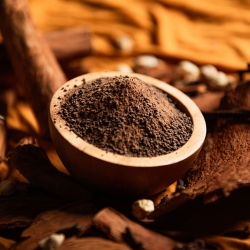
Raw cacao is the minimally processed version of the cacao bean. After fermentation, the beans are cold-pressed to keep temperatures below 42 degrees Celsius, ensuring all living enzymes, vitamins and minerals remain intact. You can find raw cacao as powder, paste, nibs and butter.

Key nutrients found in raw cacao:

  • Antioxidants: raw cacao contains more antioxidants per gram than blueberries, green tea and red wine combined
  • Magnesium: one of nature's richest magnesium sources, essential for muscles, nerves and energy metabolism
  • Iron: raw cacao is an excellent plant-based iron source
  • Phenylethylamine (PEA): the compound your body produces when you fall in love, contributing to positive mood
  • Theobromine: a gentle, long-lasting stimulant that works differently from caffeine
  • Flavanols: support blood circulation and blood pressure regulation

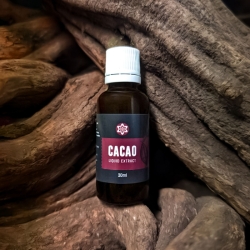
Tip: Want to taste the difference yourself? Order raw cacao powder or extract and compare it with regular cocoa powder from the supermarket. The difference in flavour and intensity is immediately noticeable.

Chocolate (cocoa): what gets lost in processing?

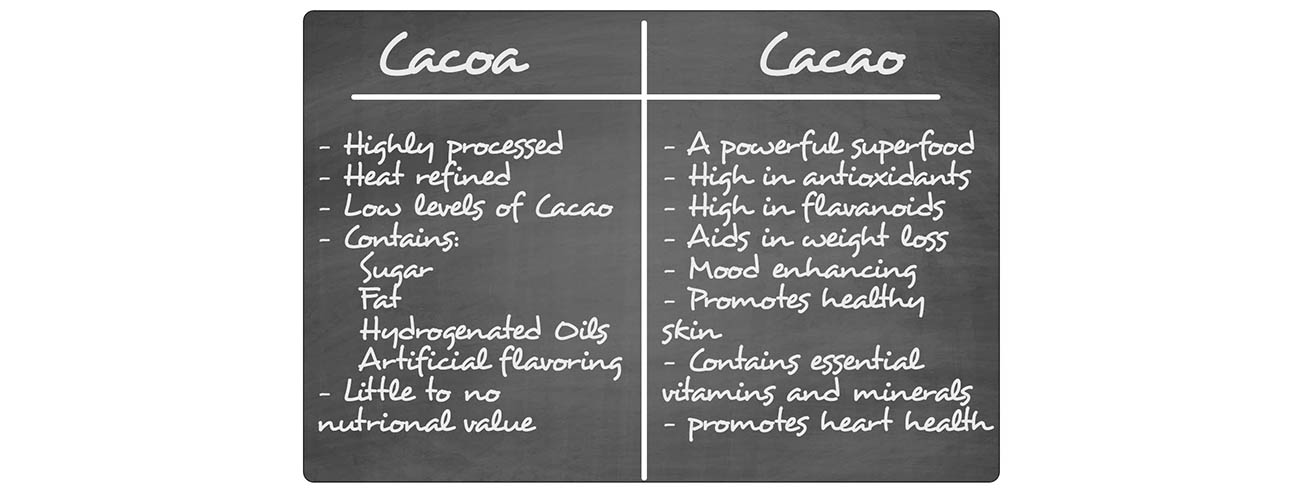
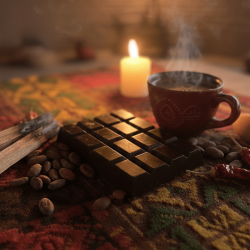
Difference between raw cacao and cocoa

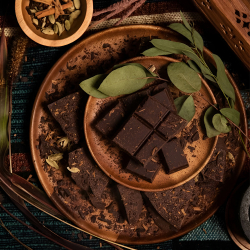
Chocolate is made from cacao beans that have been roasted at high temperatures, ground and processed further. A common step called "Dutching" or alkalisation reduces bitterness but also strips away most health benefits. The heat fundamentally alters the molecular structure of the bean.

What exactly disappears during processing:

  • Up to 90% of antioxidants are lost through roasting and alkalisation
  • Living enzymes are destroyed above 42 degrees Celsius
  • Flavanol content drops drastically
  • Most commercial chocolate products contain more sugar and milk fat than actual cacao

When you read about the health benefits of chocolate, those studies are actually referring to the compounds found in raw cacao. A standard chocolate bar typically contains only 20-40% cacao, padded out with sugar, milk powder and vegetable fat.

Comparison table: Raw Cacao vs Chocolate vs Cocoa

Property Raw Cacao Chocolate (Cocoa) Dark Chocolate (70%+)
Processing Cold-pressed (<42 degrees C) Roasted + alkalised Roasted, less processed
Antioxidants (ORAC) Very high (98,000+) Low (processing removes 60-90%) Moderate
Magnesium High (272 mg per 100g) Reduced Moderate
Enzymes Intact (living) Destroyed by heat Destroyed by heat
Sugar None added High (30-60%) Low-moderate
Flavour Intense, bitter, complex Mild, sweet Bittersweet
Theobromine High Reduced Moderate
Suitable for ceremony Yes No No

Health benefits of raw cacao

Raw cacao contains a unique combination of bioactive compounds that contribute to both physical and mental wellbeing. Modern science increasingly confirms what the Maya understood thousands of years ago.

Cardiovascular health

The flavanols in raw cacao support heart and blood vessel health. Multiple studies, including a Cochrane review (Ried et al., 2012), confirm that daily intake of cacao flavanols can lower blood pressure and improve circulation. The cardiovascular system benefits significantly from regular cacao consumption.

Mood and energy

Raw cacao literally makes you happier. It contains phenylethylamine (PEA), the compound your body produces when you fall in love. That flutter in your stomach? That is PEA at work. Cacao also contains anandamide, often called the "bliss molecule", and serotonin which acts as a natural antidepressant. Theobromine provides sustained, stable energy without the crash associated with coffee.

Magnesium and minerals

Raw cacao is one of the richest magnesium sources in existence. Magnesium is essential for more than 300 enzymatic processes in your body. Many women are magnesium-deficient, which explains why chocolate cravings before menstruation can be so intense. Your body is actually asking for magnesium, not sugar.

Many customers note that raw cacao makes a noticeable difference compared to regular cocoa powder from the supermarket. Commonly reported experiences include more energy, a richer flavour profile and reduced sugar cravings.

Curious about different cacao varieties? Read our article on Criollo, Trinitario and Arriba and discover which suits you best. Or read about how raw cacao keeps you younger according to new research.

Why Next Level Smart?

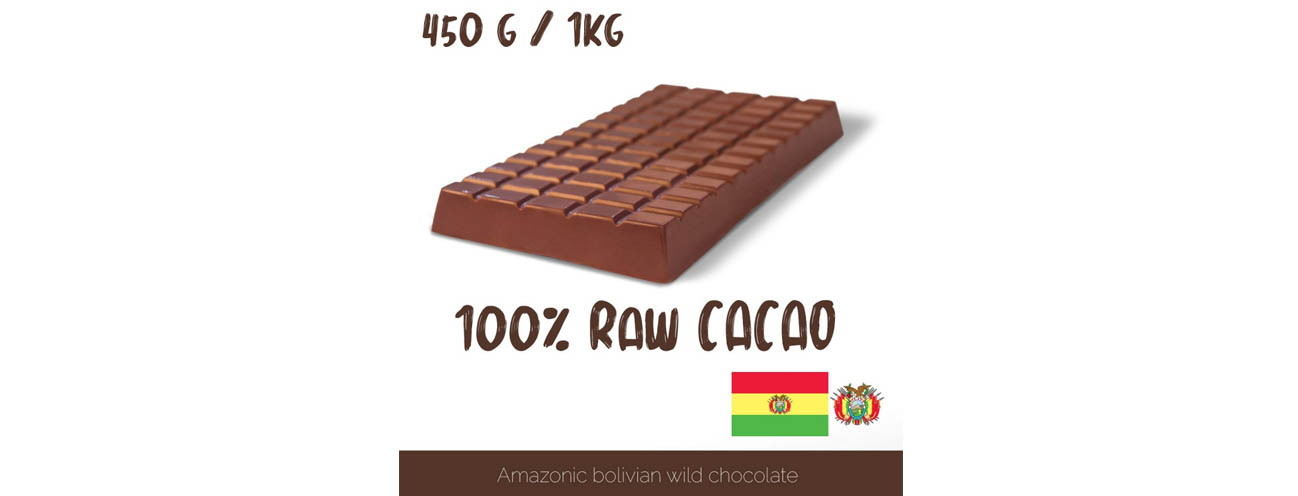
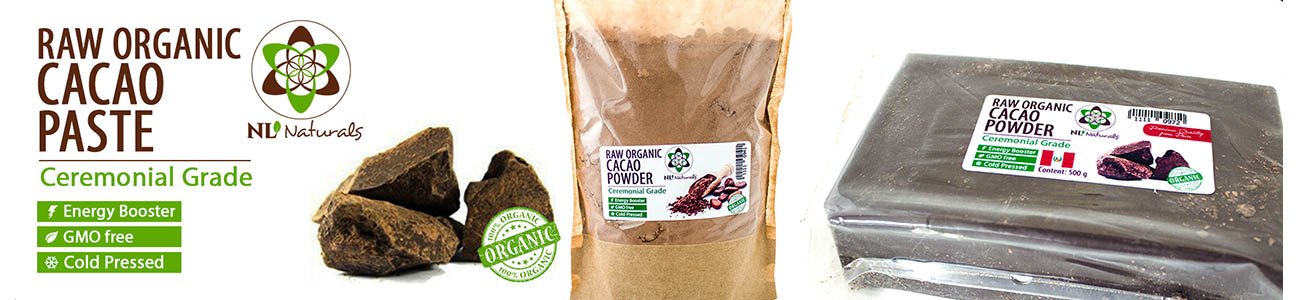
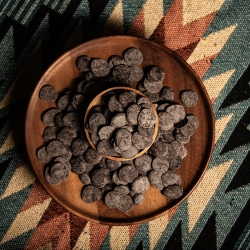
Raw cacao paste Bolivia

  • Raw cacao sourced directly from smallholder farmers in Peru, Bolivia, Ecuador and Colombia
  • Cold-pressed and unprocessed — all nutrients and enzymes preserved
  • Choose from paste, powder and ceremonial cacao for every use
  • Lab-tested for heavy metals and microbiology for safe daily use

Frequently asked questions about raw cacao and chocolate

Raw cacao powder Peru

What is the difference between cacao and cocoa?

Cacao refers to the raw, minimally processed bean that is cold-pressed at low temperatures. Cocoa (chocolate) is the processed variant that is roasted at high temperatures and often alkalised. This processing removes up to 90% of the original antioxidants and enzymes that raw cacao retains.

Is raw cacao healthier than dark chocolate?

Yes, raw cacao contains significantly more antioxidants, magnesium and bioactive compounds than even the darkest chocolate. Dark chocolate at 70%+ is a better choice than milk chocolate, but it still cannot match the nutritional value of unprocessed raw cacao.

How much raw cacao per day is healthy?

A daily portion of 1-2 tablespoons (10-20 grams) of raw cacao powder is a good guideline. For ceremonial use, approximately 42 grams of ceremonial-grade cacao paste is typically used. Start with a smaller amount to see how your body responds.

Why does raw cacao taste bitter?

The bitter taste comes from the high concentration of polyphenols and flavanols in unprocessed cacao. These are precisely the compounds that make raw cacao so beneficial. Chocolate manufacturers add sugar and milk to mask this bitterness, but in doing so, they remove much of the health value.

Can I use raw cacao for a cacao ceremony?

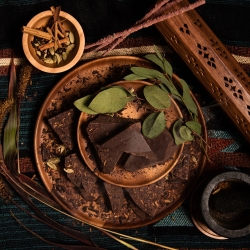
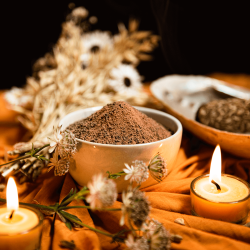
Yes, provided you use ceremonial-grade raw cacao. Not all raw cacao is suitable for ceremonial use. The cacao must be of high quality, cold-processed and preferably sourced from traditional growing regions. Read more in our guide on the cacao ceremony.
What is the difference between cacao powder and cacao paste?

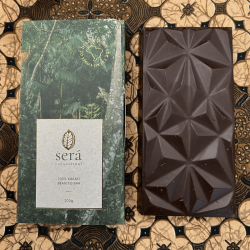
Cacao powder has had the fat (cacao butter) pressed out, leaving a light, dry powder. Cacao paste retains all the fat and has a creamier profile. For ceremonial use, paste is generally the better choice. Read the full comparison in our article cacao powder vs cacao paste.

Does raw cacao contain caffeine?

Raw cacao contains a small amount of caffeine, but its primary stimulant is theobromine. Theobromine works more gently and lasts longer than caffeine, without the peaks and crashes. It provides a calm, stable energy boost that can last for hours, without nervousness or insomnia.
Where can I buy the best raw cacao?
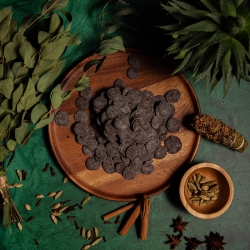
At Next Level Smart you will find a wide range of ceremonial-grade raw cacao from Peru, Bolivia, Ecuador and Colombia. All products are sourced directly from smallholder farmers, lab-tested and cold-processed to guarantee maximum quality.

Last updated: March 2026 | Next Level Smart

 
Rey is the creative force behind our webshop, blending practical experience with a deep interest in natural products, ritual, and conscious living. His work is rooted in quality, authenticity, and respect for traditional knowledge. Through his writing, he aims to bridge traditional wisdom with modern, conscious use, helping customers make informed and meaningful choices. By maintaining close relationships with many of the producers behind the products, he creates a bridge between their world and Western society. He shares their knowledge, vision, and methods with care, honoring both traditional practices and their place in a modern context. His favourite products are rapé, kratom, and magic mushrooms.
Loading...