Blog navigation

Latest posts

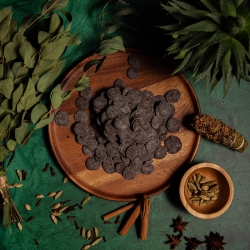
Magic Truffles by Strength: From Gentle to Strongest

Not every magic truffle is equally strong: there is a world of difference between a gentle Mexicana and a hefty High...

Read More
Indica, Sativa and Ruderalis: The Real Difference Explained

Indica, sativa and ruderalis: the three names you will find on almost every pack of cannabis seeds. But what do they...

Read More
What is DMT? The Molecule, Its Sources, and What Science Says

A complete guide to DMT — what the molecule is, where it occurs in plants and animals, how the human body produces...

Read More
White Sage: The Smudging Herb From California, From Plant to Practice

A guide through white sage — how Salvia apiana smells and works, where it comes from, the difference between...

Read More

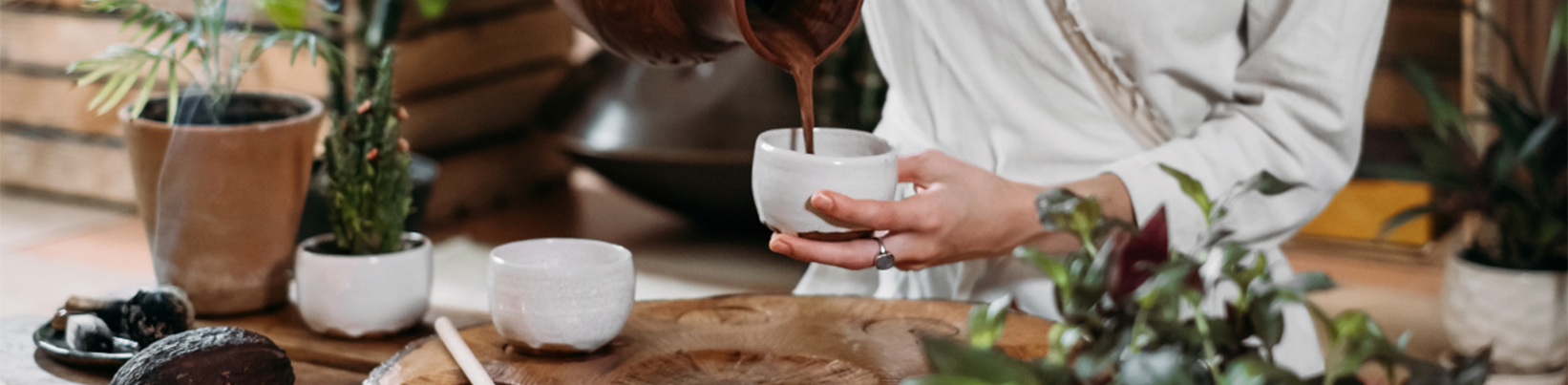
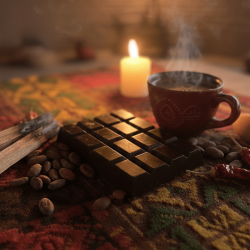
How to Host a Cacao Ceremony in 7 Steps + Recipe


Ready for your own cacao ceremony?

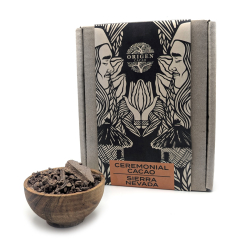
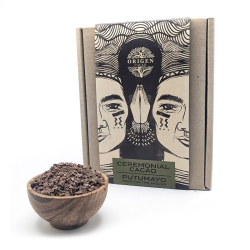
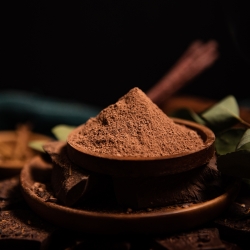
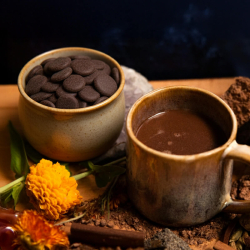
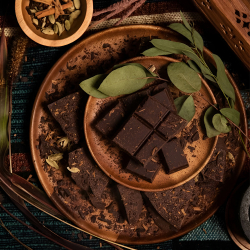
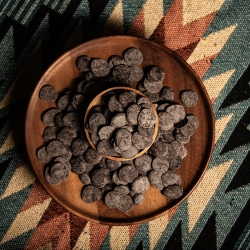
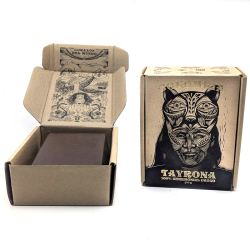
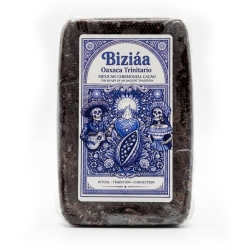
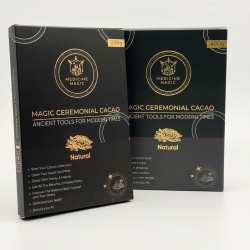
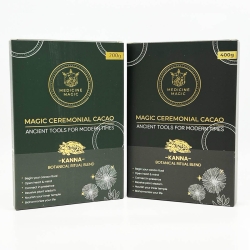
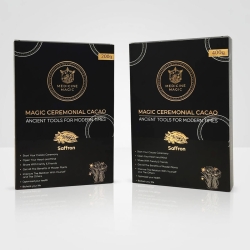
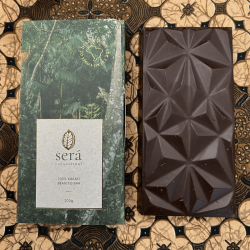
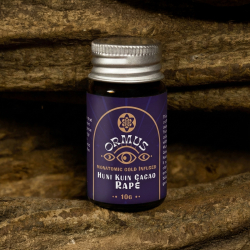
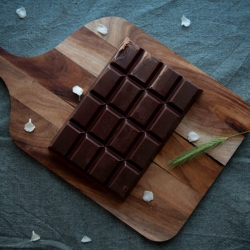
Browse our ceremonial cacao collection: sourced from small producers in Peru, Ecuador and Bolivia. Available as paste, powder and drops.

Browse Cacao →

Cacao ceremony

Last updated: June 2026
This guide is regularly updated with the latest insights on ceremonial cacao use.

Always wanted to prepare your own cacao ceremony at home but not sure how? In this article we share clear guidance and a ceremonial cacao recipe. Follow the 7 easy steps below and you'll be set for a warm, heart-opening experience that brings you closer to yourself.

What is a cacao ceremony?

A cacao ceremony is a traditional ritual where people gather in a circle to drink cacao, share what's on their minds, what they're grateful for and what challenges they face. Cacao's warm, heart-opening effect helps you open up and look at yourself with gentleness.

What are the effects of ceremonial cacao?

A ceremonial dose of cacao works in a mild and pleasant way. Unlike other traditional ceremony plants, cacao doesn't create a hallucinogenic or 'out of body' effect. What most people do experience is a sense of 'heart-opening': a gentle, loving warmth in the body that helps you connect more easily with yourself and others, and lets you see your challenges in a softer light.
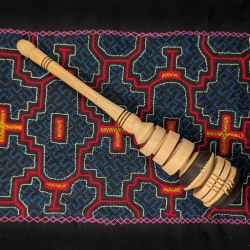
The value of raw, ceremonial cacao

Benefits of ceremonial cacao

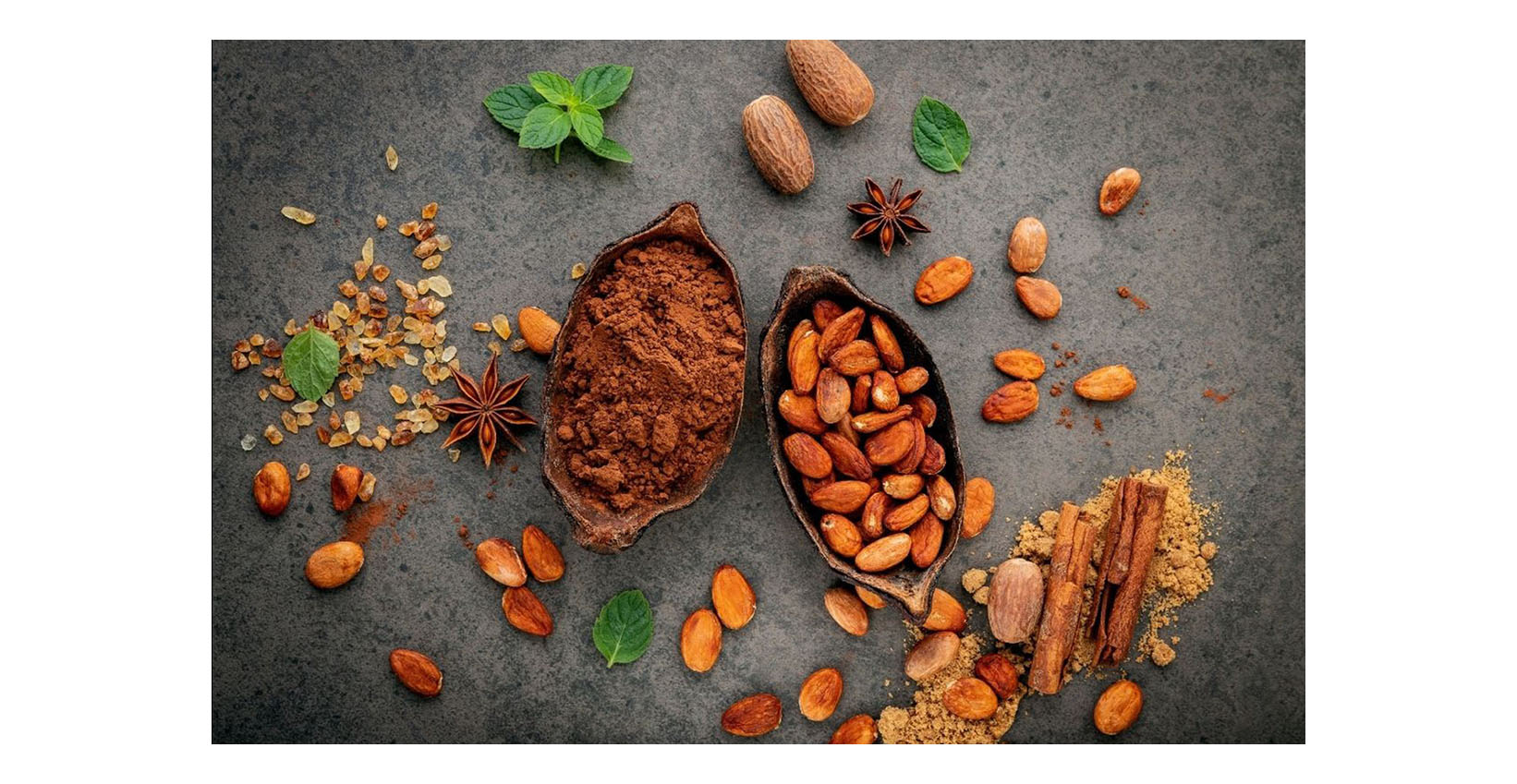
Raw, pure cacao is known for its high content of antioxidants, iron, magnesium and calcium. It's traditionally associated with a good mood and a sense of warmth and connection. That gentle effect is most noticeable with pure, raw cacao, not with regular supermarket cocoa. Want to explore the nutritional side? Read about the health benefits of raw cacao.

How to host a cacao ceremony for yourself

1. Choose good, 100% pure cacao (not regular cocoa)

Many people don't realise it, but the 'hot chocolate' powder from the supermarket is a heavily processed, stripped-down version of cacao. What you want is raw cacao: the pure form that still contains its natural compounds. At Next Level you'll find raw cacao of ceremonial quality, cold-processed and sourced from small producers. Browse our ceremonial cacao. Want to understand the difference between raw cacao and regular cocoa? Read Raw Cacao vs Chocolate.

2. Create a calm space

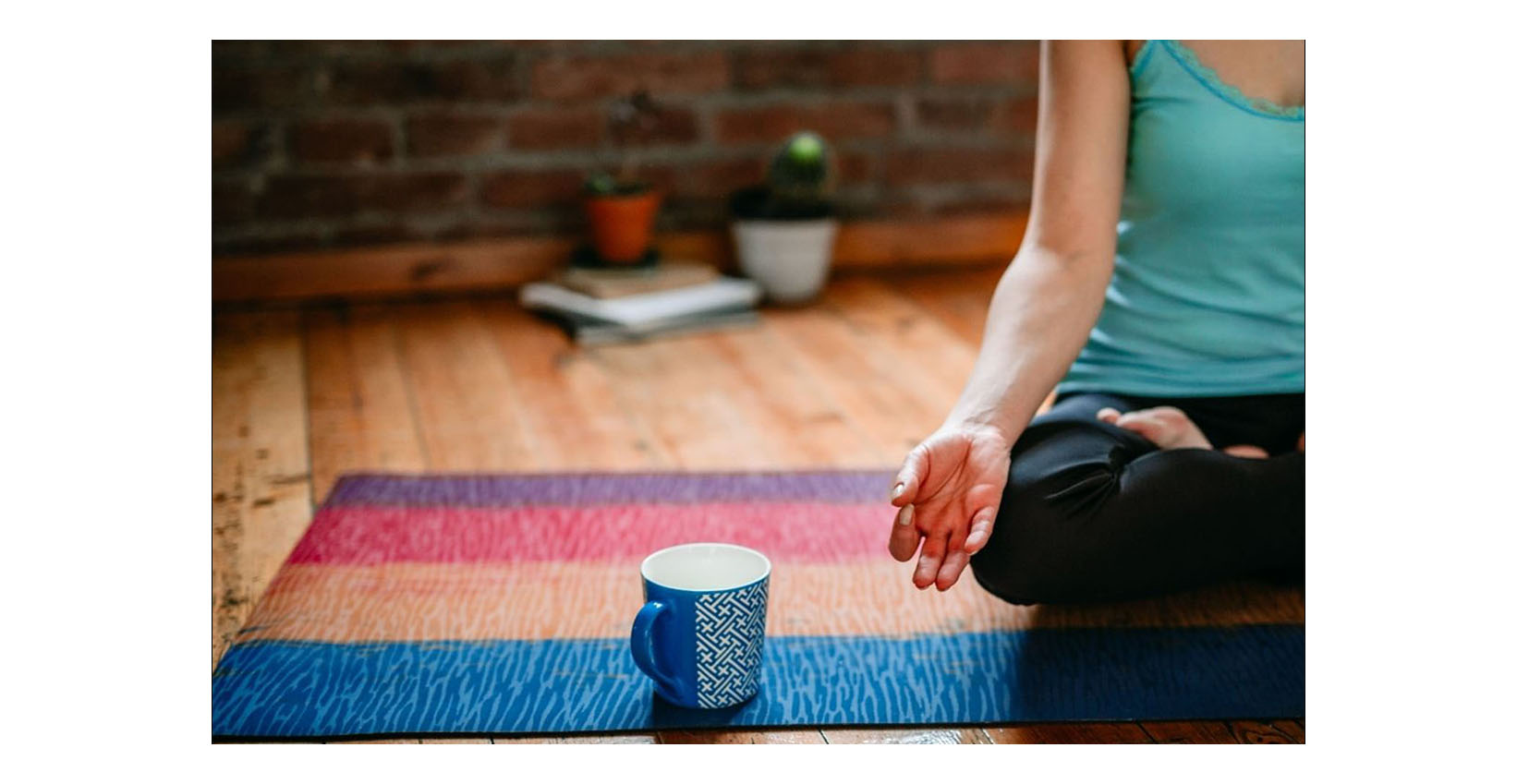
A calm space for your cacao ceremony

Whether your ceremony is indoors or outdoors, ensure a quiet, private spot where you can be without interruptions. Make it nice, clean and cosy. Bring pillows, blankets, candles or whatever makes you feel warm and safe. Keep a journal nearby to write down your experience afterwards if you like.

3. Prepare your ceremonial cacao | Recipe

A good cacao drink is made with care. Here's a simple base recipe you can adjust to taste.

Ceremonial cacao recipe (1 person)

  • 1 large glass of water or plant-based milk
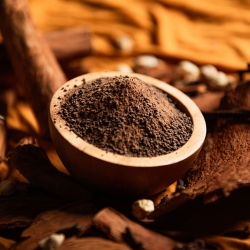
  • up to 42 grams of finely chopped or powdered raw cacao (28 grams for beginners)
  • optional: a pinch of pepper, cayenne or chilli
  • optional: natural sweetener such as honey or agave, to taste
  • optional: cinnamon, vanilla or cardamom

Preparation: chop the cacao into small pieces so it dissolves easily. Heat the water (with pepper or chilli if you like) to just below boiling: hot, but not boiling, so the active compounds are preserved. Add the cacao, season with sweetener and spices, and stir with a whisk until everything has dissolved and a layer of foam floats on top. Done.

4. Set your intention

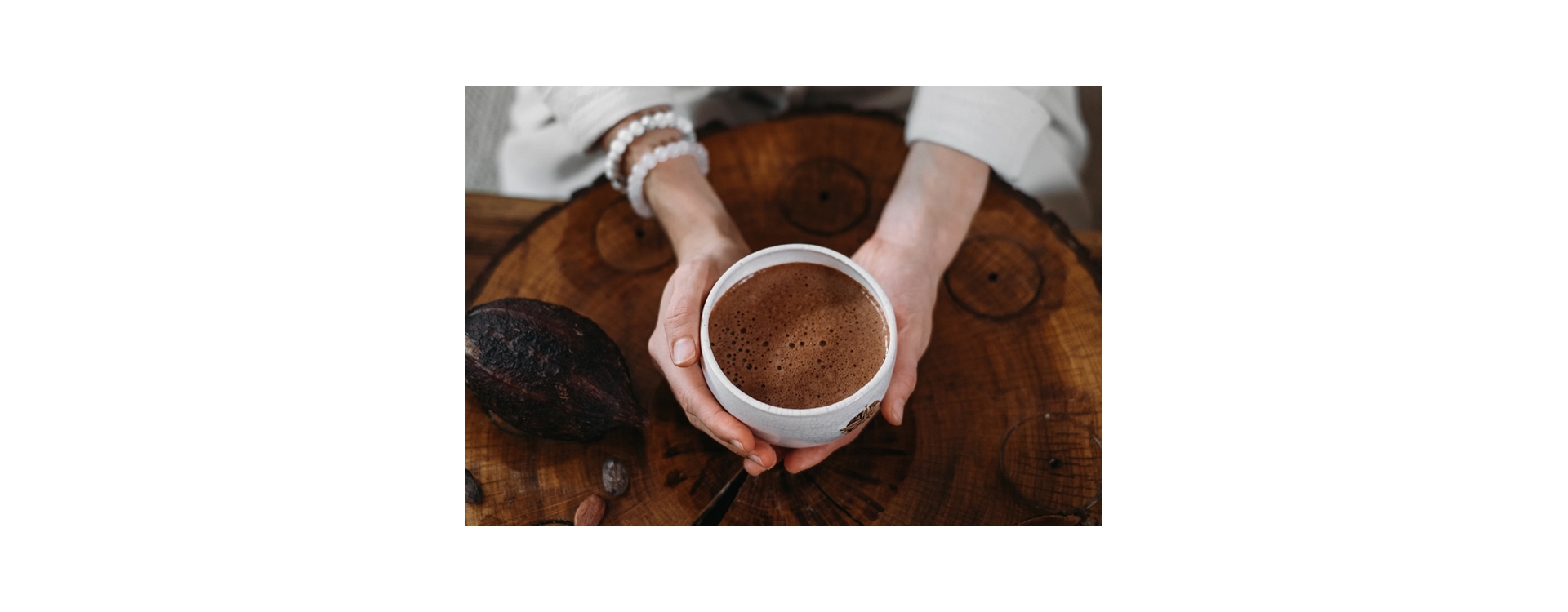
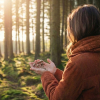
Hold your warm cup of cacao in your hands and, before you drink, reflect on what you'd like to feel, work through or release. Let go of expectations and stay open to what the experience brings. A feeling of gratitude is a lovely way to enter the ceremony.

5. Drink your cacao and enjoy

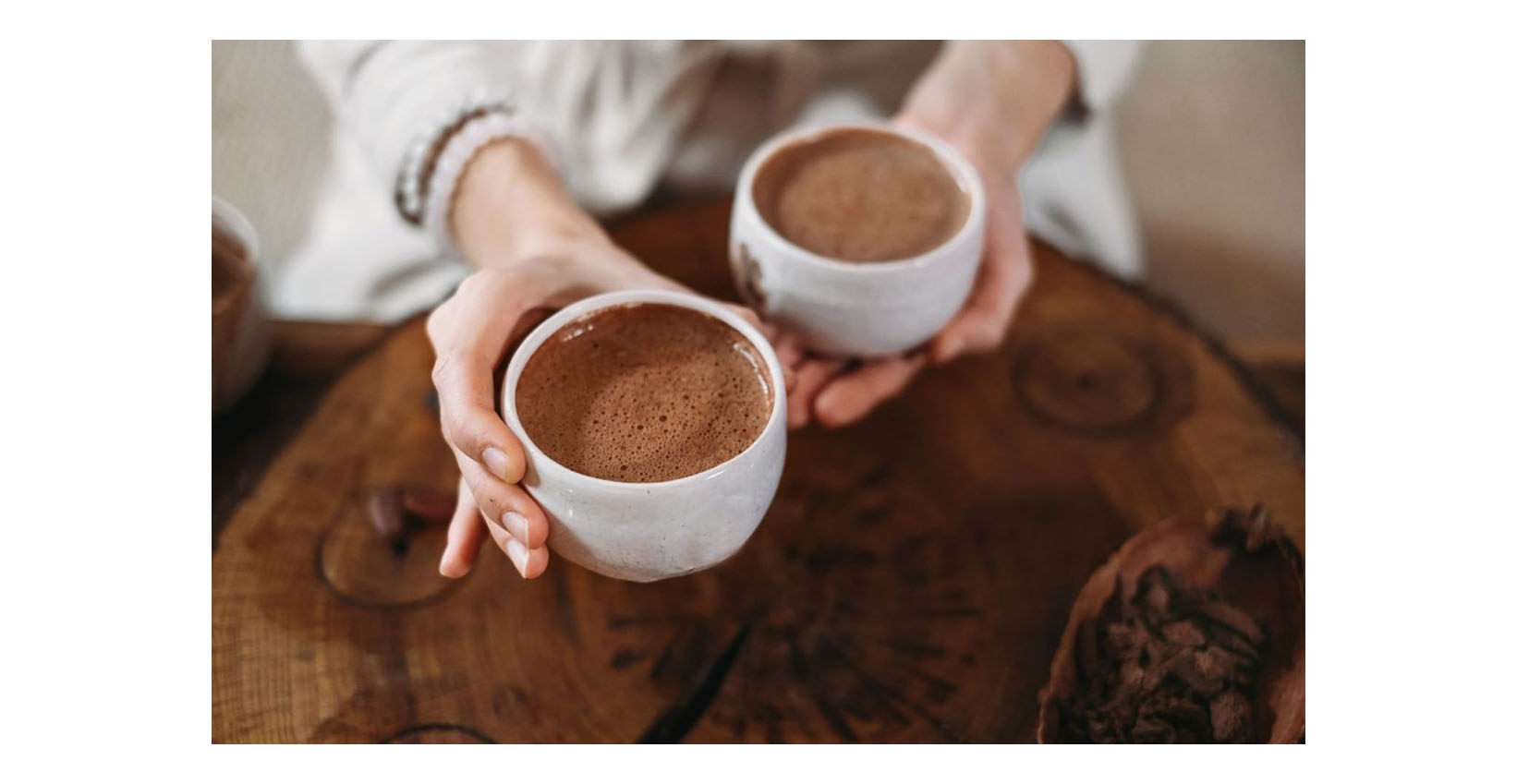
Ceremonial cacao recipe in cups

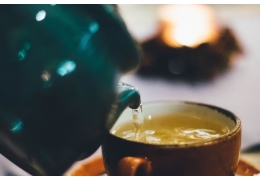
Drink slowly and enjoy the warm, chocolatey taste. The effects may start soon or take up to 20 to 30 minutes. If you're alone, surrender to the experience: move, sit still, breathe or meditate, whatever feels right. You may notice your heart beating a little faster; that's the cacao opening your heart and boosting circulation. A light, warm, slightly euphoric feeling is part of it.

6. Journal, share and integrate

At the end, write down your insights or share them with someone you trust. Which part of the experience was most meaningful? Did it match your intention, or did something else unfold? Take time to reflect and don't rush straight to the next task.

7. Stay hydrated

Drink enough water during and after the ceremony. Cacao can be mildly dehydrating, which may cause a slight headache. Just keep a bottle of water next to you.

Good to know: Drink cacao preferably on an empty stomach and avoid caffeine for a few hours beforehand. Antidepressants with MAOIs don't combine with cacao and can cause severe headaches. Cacao dilates the blood vessels: mind your amount if you have a heart condition or take blood-pressure medication, and consult your doctor if you're pregnant or breastfeeding. Keep cacao away from dogs and other pets, as it can be toxic to them.

We hope you now know how to host a cacao ceremony yourself. Reading about it is one thing, experiencing it is another. Want to know more about the effects? Read what you feel from a raw cacao ceremony, or see the complete raw cacao guide.
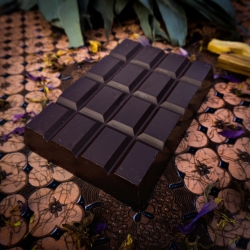
Frequently asked questions about the cacao ceremony

How much cacao do I need for a ceremony?

A full ceremonial dose is typically 42 grams of raw cacao per person. Beginners are better off starting with 28 grams to see how their body responds. Browse our ceremonial cacao.

What do you feel during a cacao ceremony?

Most people feel a warm, open sensation around the heart within 20 to 30 minutes, along with more focus and a sense of emotional openness. The effect lasts a few hours and is mild, not overwhelming.
Can I do a cacao ceremony at home?

Absolutely. The most important things are the quality of the cacao and your intention. Create a quiet space, follow the recipe in this guide and take time to be present with the experience.
Why no cow's milk with cacao?

Cow's and soy milk contain proteins that bind to the antioxidants in cacao, so your body absorbs them less well. Use water, coconut milk or almond milk instead.

Can I do a cacao ceremony during pregnancy?

Cacao contains theobromine and caffeine. Always consult your doctor or midwife; it's usually advised to halve the dose or abstain from ceremonial use during pregnancy.

Which cacao is best for a ceremony?

Pure ceremonial-grade cacao paste, cold-processed and without additives. Read about the differences in our cacao powder vs. cacao paste guide.

Why Next Level Smart?

  • Ceremonial-quality raw cacao - 100% raw and cold-processed
  • Origins such as Peru, Ecuador and Bolivia - each with its own flavour profile
  • In paste, powder, drops and extract - choose what fits your ceremony
  • Active since 2010 as a Dutch smart shop, with shipping from the Netherlands

Last updated: June 2026 | Next Level Smart

 
Annie Verkade is a writer at Next Level Smartshop with a background in philology. She writes about natural alternatives to pharmaceuticals, sleep support, and plant-based products. Her work also explores altered states of consciousness - both with and without psychedelics - as well as topics like astrology and lunar cycles, translating insights into clear, accessible content. She’s especially interested in how simple rituals and environment can shift how we feel (sometimes more than we expect). Outside of work, she enjoys photography, reading, bouldering, and travelling. Favourite products: Sagrada Madre incense, Mulungu, Sleep Tincture
Loading...