Last updated: April 2026
A botanical and cultural guide we keep current with new literature and questions from our readers.
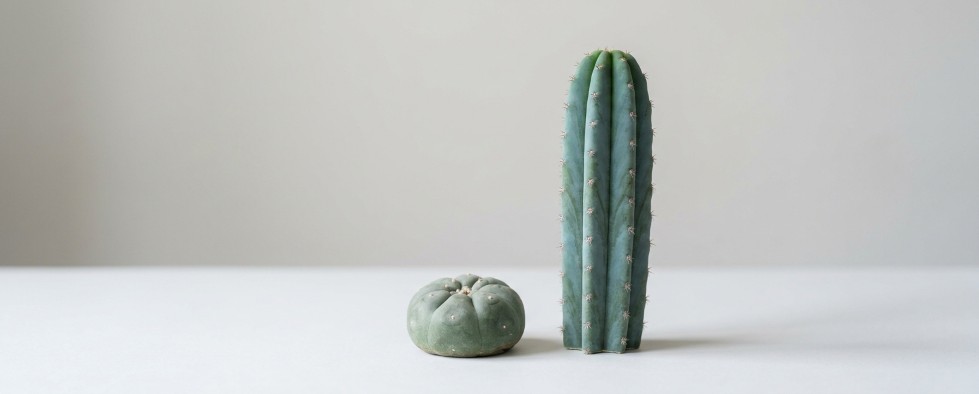
Mescaline cacti form one of the oldest and best documented groups of ethnobotanical plants in the world. Two families sit at the centre of the story: the columnar San Pedros from the Andes (genera Trichocereus and Echinopsis) and the small, button-shaped Peyote from northern Mexico (Lophophora williamsii). Different habitats, different climates, different indigenous traditions, but connected by the same alkaloid: mescaline.
Next Level Smart has worked with these plants for more than ten years. We supply them as living cuttings or potted plants, with attention to provenance from Bolivia, Peru and Mexico. This guide takes you through both families, covers the varieties you encounter in a serious cactus collection, describes the cultural context they fit into, and offers practical advice for those wanting to grow their own.
What are mescaline cacti?
Mescaline is a phenethylamine alkaloid that occurs naturally in a number of cactus species from North and South America. The compound was first isolated in 1897 by the German chemist Arthur Heffter, working from Peyote buttons he had imported from Mexico. With that, mescaline became the first plant-derived psychedelic isolated in pure form, decades before LSD or psilocybin.
The indigenous peoples of the Americas had known the workings of these plants for thousands of years before that. Archaeological finds in a Texas cave, published by El-Seedi and colleagues in the Journal of Archaeological Science (2005), date Peyote use back at least fifty-five hundred years. Andean ceramics depicting San Pedro are nearly as old. Mescaline cacti are therefore among the oldest continuously used ethnobotanical plants in the world.
Botanically, mescaline is not the exclusive alkaloid of any single genus. It occurs in dozens of cactus species, in concentrations ranging from traces to several percent of the dry weight. For collectors and growers attention focuses on two groups: the columnar cacti of the Andes and the Peyote button of Mexico. The rest of this guide follows that division.
The San Pedro family: columnar cacti from the Andes
The name San Pedro is primarily a cultural designation, not a botanical one. Several species and varieties from the genera Trichocereus and Echinopsis are grouped under this label, especially when sourced from the Andes mountains of Peru, Ecuador and Bolivia. The original and best-known species is Trichocereus pachanoi, today often placed in Echinopsis pachanoi. Alongside it sit species such as Trichocereus peruvianus, Trichocereus bridgesii, Trichocereus macrogonus and Echinopsis scopulicola, all closely related botanically and chemically.
Four varieties in our collection
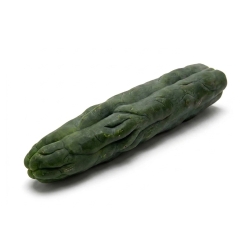
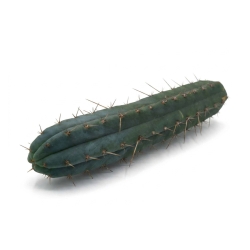
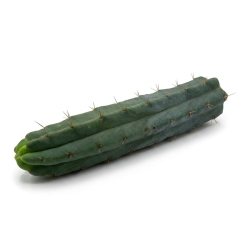
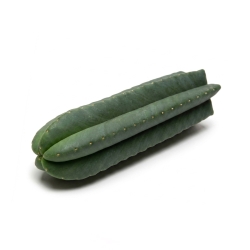
At Next Level Smart we have four varieties available as living cuttings, all in the same size of twenty-five to twenty-nine centimetres, suitable for rooting or grafting. Together they form a cross-section of the Andean cactus family.
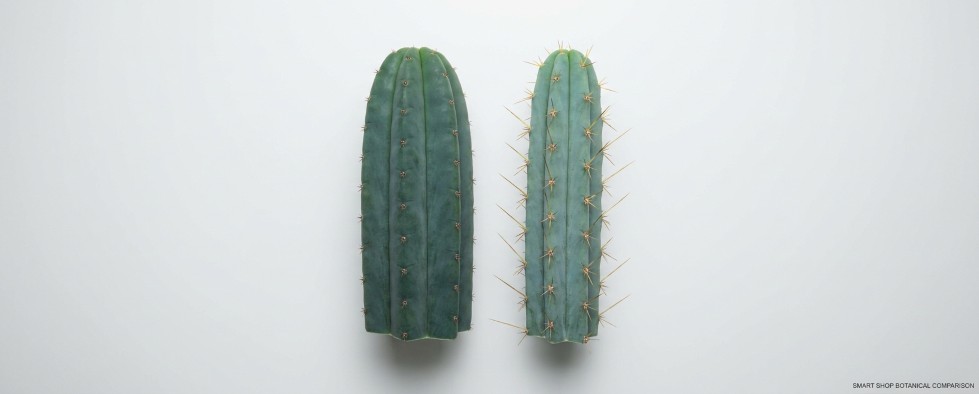
The San Pedro Macrogona is the mountain variant. Trichocereus macrogonus grows naturally at higher elevation than the Pachanoi and has a thicker stem, broader ribs and a notably deep root system. Through its natural adaptation to colder temperatures, it is somewhat more robust under Dutch conditions than the standard San Pedro. Botanically the Macrogona remains a topic of debate: some experts treat it as a subspecies of Echinopsis peruviana, others as a species in its own right.
The San Pedro Monstrosus is a monstrose growth form. In monstrose cacti the growth patterns proceed irregularly, producing unpredictable and often spectacular shapes. No two Monstrosus cuttings look alike. For collectors hunting for visually exceptional specimens, these plants are a fixture of any serious collection.
New to our collection are two varieties from Bolivia. The Trichocereus Bridgesii carries the Aymara name Achuma and is recognised by its long, prominent spines and a remarkably fast growth rate. The Echinopsis Scopulicola is its visual opposite: a smooth, virtually spineless column that was only scientifically described in 1984. Together Bridgesii and Scopulicola form the Bolivian wing of the mescaline cactus family.
The Andean tradition
The ceremonial use of San Pedro in the Andes goes back a long way. On ceramics from the Chavín culture, dating to around nine hundred BCE, depictions have been found of priests holding a columnar cactus. The experiences central to these traditions are interwoven with natural locations such as mountains, springs and watercourses. A curandero does not call the plant by a chemical name but by a personal one: Huachuma, Achuma or San Pedro, depending on region and language.
The name San Pedro itself is a product of the syncretic encounter between indigenous Andean religion and Spanish Catholicism. According to local tradition, Saint Peter holds the keys to heaven. By the same logic the cactus is said to hold the keys to the realm of spirit and vision. Whether this image truly originates in the sixteenth century or is a later folkloric explanation remains a matter of debate among anthropologists.
Peyote (Lophophora williamsii)
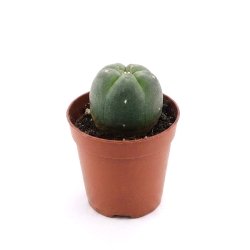
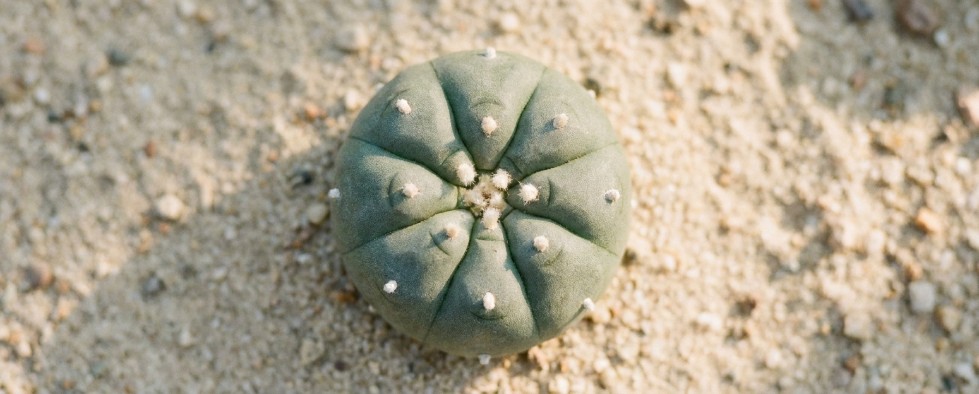
Where San Pedro is a metres-tall columnar cactus, Peyote is an unobtrusive small plant that barely rises above the soil. Lophophora williamsii grows naturally in a narrow band from the Mexican Chihuahuan Desert into southern Texas, on calcium-rich soils and in the shade of shrubs. The cactus is soft, spineless, and has a grey-green to blue-green colour. In its natural form the plant consists of an underground taproot with a flat top a few centimetres across. Mature specimens flower with a delicate pink or white bloom that opens for only a single day.
The Peyote we offer is a living potted plant, supplied in three sizes. These are cultivated specimens, not wild-collected plants. Wild collection has been strictly regulated in Mexico and the United States since 2008, partly because natural populations are under pressure from over-harvesting and habitat loss.
The Huichol and the Wirikuta pilgrimage
No people are more closely associated with Peyote than the Wixárika, known in Spanish as the Huichol. This community lives in the Sierra Madre Occidental of western Mexico and maintains a ceremonial relationship with Peyote going back to before the Spanish conquests. Once a year a Huichol delegation makes a pilgrimage to Wirikuta, a desert region in the state of San Luis Potosí they regard as the place where the world was created. There they harvest Peyote buttons for the coming ceremonial season.
Wirikuta has been formally recognised as a sacred pilgrimage site by the Mexican government since 1988 and falls under UNESCO protection. The recent Huichol struggle against mining concessions in the area has drawn international attention and illustrates how ethnobotanical plants are entwined with land rights and cultural identity. For the broader context of indigenous plant knowledge, see our guide to plants that have shaped human culture.
The Native American Church
A second major ceremonial tradition around Peyote developed among various indigenous peoples in the United States and Canada in the nineteenth century. The Native American Church, founded in 1918, uses Peyote as a sacrament in its services and has been legally protected in the US since 1978 under the American Indian Religious Freedom Act. For members of indigenous peoples, possession and use of Peyote in religious context is therefore explicitly legal in the United States, although the cactus falls under the Controlled Substances Act for the general population.
An important peer-reviewed study on long-term Peyote use by members of the Native American Church was conducted by Halpern and colleagues, published in Biological Psychiatry (2005). Their findings suggest that ceremonial use in this context shows no measurable adverse effects on cognitive function or psychological health. It is one of the few long-term studies on the effect of a psychedelic within a structured ceremonial tradition.
The chemistry behind the cacti
The principal active compound in both San Pedro and Peyote is mescaline, a 3,4,5-trimethoxyphenethylamine. The concentration varies considerably between species and even between individual plants of the same species. Peyote typically contains between two and six percent mescaline by dry weight, making it relatively concentrated. San Pedro species range roughly from zero point one to two percent, with Trichocereus bridgesii and the Bolivian cultivars often at the higher end of that range.
Mescaline is, however, not the only alkaloid in these plants. A series of lesser-known compounds, including hordenine, anhalonidine, anhalamine and lophophorine, contribute to the full alkaloid profile. These minor alkaloids occur in meaningful quantities particularly in Peyote. A comprehensive overview of mescaline chemistry and pharmacology was published by Nichols in Pharmacological Reviews (2016), a widely cited reference work that describes the complexity of the alkaloid profile within the cactus family.
Under Dutch law, mescaline as a pure substance falls under Schedule I of the Opium Act. The living cactus, however, in all its forms, sits outside the Opium Act and may legally be owned, cultivated, traded, and used for personal purposes. The same applies to cuttings, plant sap and dried plant material so long as the material has not been specifically processed or concentrated into pure mescaline.
The mescaline experience: what the traditions and users report
Mescaline is a phenethylamine whose effect profile differs clearly from classical tryptamine psychedelics such as psilocybin or LSD. The experience is typically described as visually rich while at the same time embodied and grounding, with pronounced sensory clarity and a strong sense of connection with the physical world. Effects begin after one to two hours and remain active for eight to fifteen hours afterwards, considerably longer than most other classical psychedelics.
The Andean tradition emphasises the grounding character of San Pedro: not floating, but rooted. The Huichol tradition speaks of Hikuri (the name for Peyote) as a teacher who guides the pilgrim during the annual journey to Wirikuta. Both traditions have their own ritual context but share the insight that set and setting are fundamentally important — for a deeper background see our guide to set and setting.
The varieties of the San Pedro family differ in character. The Macrogona is known for a deeply grounding, embodied-meditative profile. The Monstrosus delivers a more introspective and creatively stimulating character. The Bridgesii (Achuma) is the most powerful in mescaline concentration and produces a pronounced visual experience. The Scopulicola is experienced as clear and relatively mild, a good entry point within the family. Peyote stands apart from this family and has a unique alkaloid profile with higher concentrations of additional compounds such as lophophorine and anhalonidine, qualitatively distinguishing its experience from the columnar cacti. The Western thinker who opened these traditions to a broader audience was Terence McKenna; read more about his work in our portrait of McKenna.
Comparison: the five mescaline cacti at a glance
A quick overview of the differences between the varieties in our collection. Mescaline percentages are indicative values on dry-weight basis and vary by clone and growing conditions.
| Species |
Origin |
Mescaline |
Growth |
Character |
| Macrogona |
Andes (high) |
0.5 - 2% |
Average |
Deeply grounding, embodied-meditative |
| Monstrosus |
Andes (mutation) |
0.3 - 1% |
Slow |
Introspective, creatively stimulating |
| Bridgesii |
Bolivia |
0.5 - 2% |
Fast |
Powerful, distinctly visual |
| Scopulicola |
Bolivia (south) |
0.3 - 1% |
Fast |
Clear, relatively mild |
| Peyote |
Mexico |
2 - 6% |
Very slow |
Intense, unique alkaloid profile |
Caring for cacti in a Dutch climate
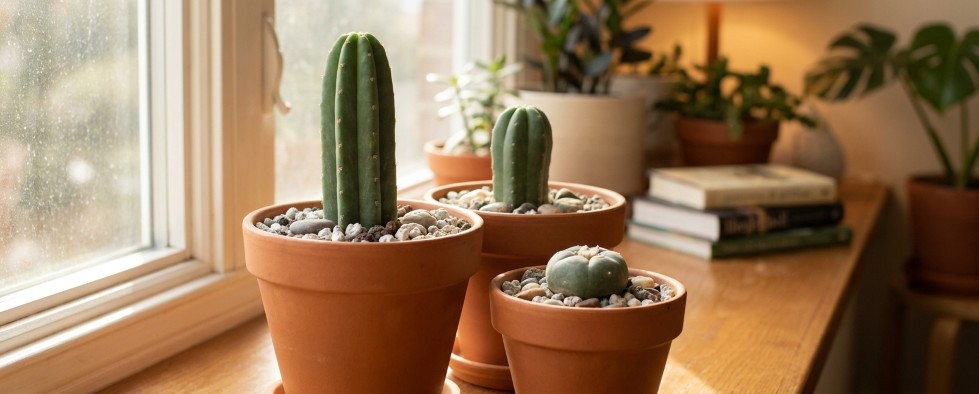
Growing mescaline cacti in the Netherlands is entirely feasible, provided you respect their natural origins. San Pedros come from the Andes mountains: full sun, dry air, cool nights. Peyote grows in the shade of shrubs on calcium-rich desert soil, with summers above thirty degrees and winters that stay just above freezing. Both groups need a well-draining mineral soil mix and a clear seasonal rhythm between active growth in summer and cool dry rest in winter.
-
Allow the cutting to callus
Place the freshly received cutting in a warm, shaded spot for seven to ten days, with the cut wound facing upward. Allow it to dry completely until the wound has fully closed. Do not wrap it, do not submerge it.
-
Prepare the soil mix
Mix fifty percent pumice or perlite with thirty percent cactus soil and twenty percent coarse sand. A deep flowerpot of fifteen to twenty centimetres diameter with good drainage holes works best.
-
Plant the cutting
Insert the callused cutting two to four centimetres deep into the dry soil mix, without giving water immediately. Place the pot in a bright spot with indirect sunlight and a stable temperature between eighteen and twenty-eight degrees.
-
Wait for the first roots
Only water the cutting after you see the first signs of growth, usually after three to six weeks. A heating mat under the pot can significantly speed up the rooting process, especially during winter months.
-
Begin watering carefully
Once the plant is clearly in growth, you can water carefully and gradually increase the light. From this point follow the normal cactus rhythm: generous water in summer when the soil is dry, almost no water in winter at five to twelve degrees.
For Peyote the care is different. The plant has a taproot extending below the soil and rarely propagates from a cutting; cultivated specimens are almost always raised from seed or grafted on a fast-growing rootstock. Mature Peyote cacti need light shade in the hot midday and grow significantly more slowly than San Pedro: five to ten years from seed to flowering specimen is normal.
Other mescaline cacti you may encounter
Beyond the species in our collection, the broader botanical literature describes several more mescaline cacti. A short orientation may help you survey the field.
Trichocereus pachanoi, the original San Pedro, grows naturally in Ecuador and Peru. Botanically it is the direct relative of the Macrogona and Bridgesii. Through extensive cultivation, the wild Pachanoi is today rare in its natural habitat; nearly all plants on the market come from cultivation.
Trichocereus peruvianus, the Peruvian Torch, resembles the Pachanoi but has longer spines and a bluer hue. In the literature Peruvianus is often mentioned in the same breath as Macrogona, without it being entirely clear whether the two are the same species or two closely related varieties.
Lophophora diffusa is a second Lophophora species, restricted to the Mexican Querétaro region. The plant resembles Peyote but has a lower mescaline content and a yellow-white flower instead of the pink-white flower of williamsii. For collectors diffusa is an interesting variant but less suitable for traditional ceremonial use.
The so-called False Peyote, Astrophytum asterias, is botanically not a Lophophora but resembles one superficially. Many beginning collectors confuse the two. Astrophytum contains no mescaline but for that reason is no less fascinating a cactus for those who love desert flora.
Common questions on arrival
At Next Level Smart we regularly receive questions from customers bringing a mescaline cactus into their home for the first time. The most common ones deserve a brief note.
Cacti ship from us in a padded envelope or box, with the cutting or plant wrapped in moisture-absorbing paper. On arrival the plant may look slightly indented or dull. This is normal and reflects the light moisture loss during transport. Unwrap the plant, place it in a shaded spot at room temperature, and give it seven to ten days to recover before potting.
Mature mescaline cacti can reach several metres in their natural habitat. A Trichocereus Bridgesii of twenty-five centimetres is botanically a young specimen, a cutting intended to grow on. Do not expect immediate ceremonial size: these plants are an investment in time and growth. The satisfaction of a self-grown cactus reaching a metre after three to five years is, for many collectors, exactly the reason to start the project.
How the law sits. Living mescaline cacti fall outside the Dutch Opium Act and may be freely bought, kept, cultivated, traded, and used for personal purposes. Mescaline itself, in concentrated or extracted form, does fall under Schedule I of the Opium Act. Ceremonial use of the living plant is permitted under Dutch law provided no medical claims are made. Next Level Smart supplies these cacti for botanical, educational, ceremonial and ornamental purposes.
Why Next Level Smart?
We have worked with ethnobotanical plants and cacti for more than a decade. In practice that means:
- A curated cactus selection covering the full mescaline cactus family — Macrogona, Monstrosus, Bridgesii, Scopulicola and Peyote
- Living cuttings and plants, never wild-collected, only cultivated material
- Species-level identification, with clear botanical names on every product
- Active since 2010 as a smart shop, 15+ years of experience with ethnobotanical plants and cacti
- Shipping from the Netherlands across NL and Europe, with careful packaging for living plants
Frequently asked questions
Are mescaline cacti legal in the Netherlands?
Yes. Living cacti, including San Pedro and Peyote, fall outside the Dutch Opium Act. You may buy, keep and grow them as ornamental plants. Mescaline itself, in concentrated form extracted from the plant, does fall under Schedule I. The living plant or a fresh cutting is therefore entirely legal; a concentrated extract is not.
What is the difference between San Pedro and Peyote?
San Pedro is the common name for several columnar cacti from the Andes, principally Trichocereus pachanoi and its relatives. Peyote (Lophophora williamsii) is a small, button-shaped desert cactus from Mexico. Both contain mescaline but differ markedly in habit, origin, growth rate and cultural context. San Pedro belongs to the Andean tradition, Peyote to the Huichol and Native American Church traditions.
Which San Pedro variety grows fastest?
Among the varieties we offer, the Trichocereus Bridgesii usually grows fastest, with twenty to thirty centimetres per growing season under optimal conditions. The Echinopsis Scopulicola follows close behind. The Macrogona grows slightly more slowly but compensates with a thicker, more robust stem and a deep root system. The Monstrosus, owing to its irregular growth pattern, has the most unpredictable growth rate.
How long does it take for a Peyote cactus to mature?
Peyote grows particularly slowly. From seed it takes five to ten years for a plant to mature and produce its first flowers. Peyote cacti grafted on a fast-growing rootstock such as Pereskiopsis grow significantly faster and can reach mature size in two to three years. The three sizes we offer cover juvenile to nearly mature specimens.
Can I grow San Pedro outdoors in the garden?
Mature specimens of robust varieties such as the Macrogona and Bridgesii can survive short frost periods, provided the root ball remains fully dry. The Dutch winter climate is, however, too wet for permanent outdoor cultivation. Many collectors place their plants on a sunny outdoor spot in summer and bring them inside in October for a cool dry winter rest. An unheated greenhouse also works well.
Does every San Pedro contain mescaline?
Trichocereus pachanoi and its close relatives (Macrogona, Bridgesii, Scopulicola, Peruvianus) all contain mescaline, but the concentration varies considerably by species, cultivar and even individual plant. Botanically related columnar cacti that do not fall under the San Pedro umbrella, such as Trichocereus terscheckii or Trichocereus pasacana, typically contain much lower concentrations or none at all. Collectors interested in chemistry therefore always take species identification seriously.
What is the difference between Lophophora williamsii and Lophophora diffusa?
Both are Peyote species from Mexico, but Lophophora williamsii is far more widely distributed and contains substantially more mescaline. Lophophora diffusa is restricted to the Querétaro region and has a yellow-white flower in place of the typical pink-white flower of williamsii. For the Huichol tradition only Lophophora williamsii is relevant; diffusa is rarely used ceremonially.
Do you sell seeds or only mature plants?
Our current cactus collection consists of living cuttings (San Pedro Macrogona, Monstrosus, Bridgesii and Scopulicola, all in twenty-five to twenty-nine centimetre size) and living potted Peyote plants in three sizes. Seeds of mescaline cacti are available on request but are not permanently listed in the webshop. For those wanting to sow their own, we recommend starting with our living cuttings and possibly experimenting with seeds later.