Filter By

Strength (1-5)
Effect
Form

Ethnobotanicals

Buy Ethnobotanicals – Plants with Traditional Ceremonial Use

Ethnobotanicals are plants that have been used for centuries in traditional ceremonies and by indigenous cultures around the world. At Next Level you will find a wide range of ethnobotanical products: from Banisteriopsis caapi and chacruna to Mimosa hostilis, Yopo & Cebil seeds and Baby Hawaiian Woodrose. All our plants are carefully selected for quality and authenticity.

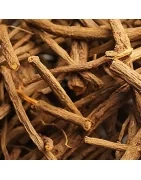
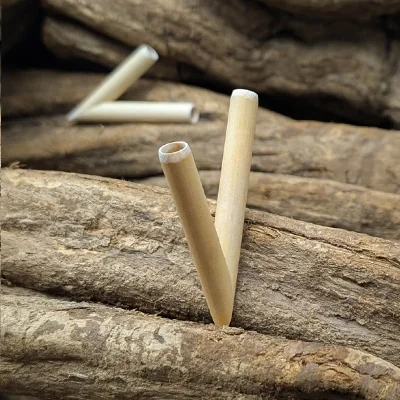
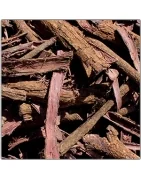
Banisteriopsis Caapi Red - Peru | Red Vine

Banisteriopsis Caapi
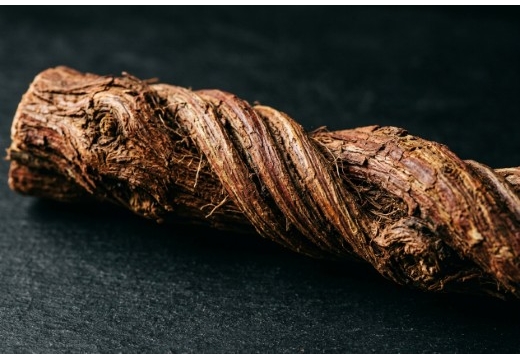
Red variety of Banisteriopsis caapi vine from Peru. This South American climbing plant from the Malpighiaceae family is ethically harvested and offered in shredded form. Free from pesticides, traditionally prepared.
45.45

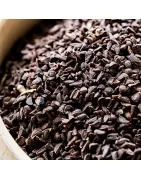
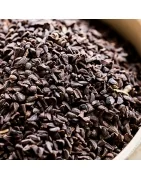
Syrian Rue - Harmala Seeds | Peganum Harmala Seeds

Syrian Rue
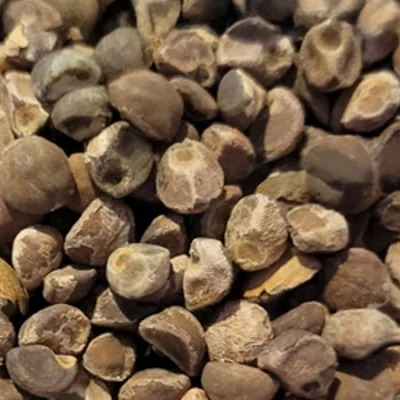
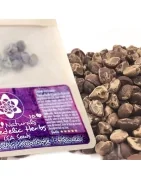
Syrian rue seeds. Contains harmine and harmaline, MAO inhibitors. Traditionally used in the Middle East. Important ingredient in ayahuasca analogues. For very experienced users.
Effect: MAO Inhibitor
Origin: India
4.13

Yopo Seeds | Anadenanthera Peregrina Seeds

Seeds
Yopo seeds from South America. Traditional shamanic substance containing DMT and bufotenine. Used by indigenous peoples in ceremonies. For very experienced users who know the traditional preparation method.
45.45

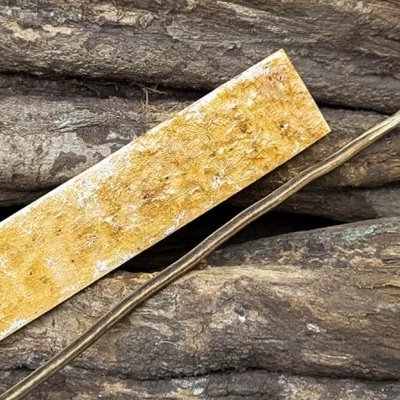
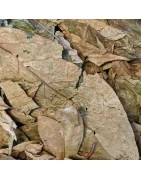
Caapi Altar Piece | Banisteriopsis Caapi Decoration

Ethnobotanicals
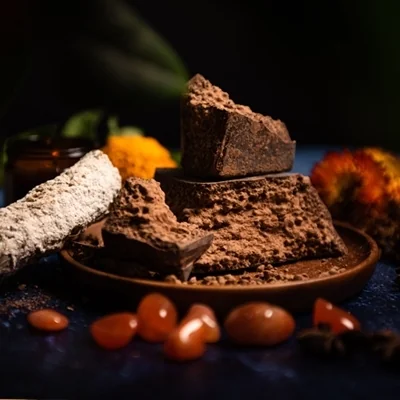
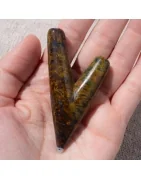
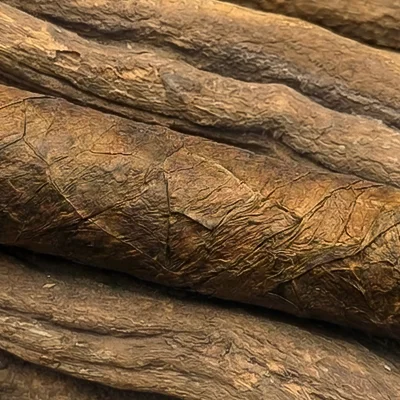
Magnificent ceremonial pieces of Caapi from Brazil. These rare large pieces vary between 800 - 2400gram. Each piece is unique and may differ from the pictures. To be used as an altarpiece or for ceremonies.
167.36

Caapi Yellow Extract 3:1 - Banisteriopsis Caapi | Concentrated Vine Extract

Shamanism
Highly concentrated extract from yellow Banisteriopsis caapi vines, with each milliliter delivering the equivalent of three grams of dried bark. Carefully extracted using cold ultrasonic technology to preserve the natural alkaloids harmine, harmaline, and tetrahydroharmine at peak potency. Ethically sourced from an Ecuadorian reforestation project that has been sustainably cultivating these precious vines since 2013.
Form: Extract, Liquid Extracts
22.73

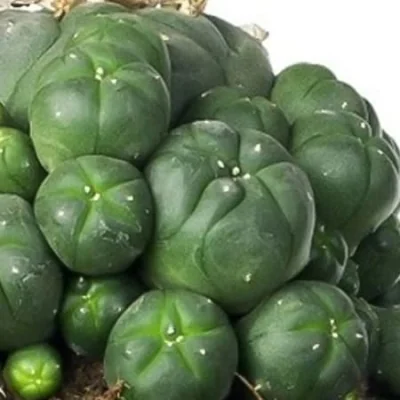
San Pedro Monstrosus • 25 - 29 cm | Rare Mescaline Cactus

Mescaline Cacti
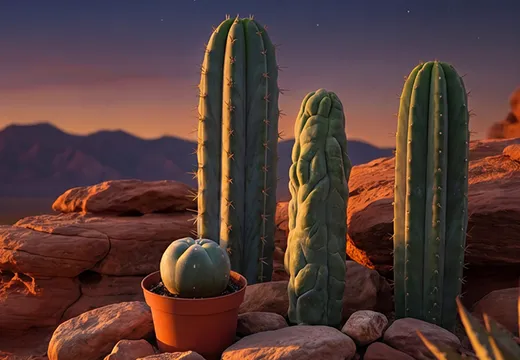
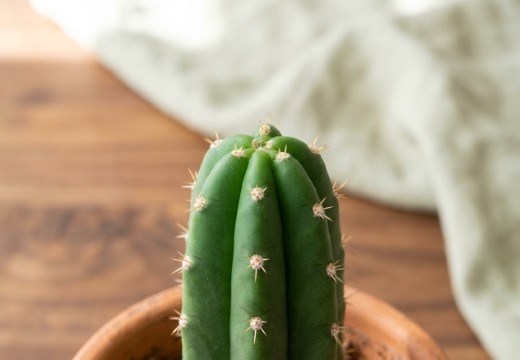
The spineless San Pedro Monstrosus delivers an introspective, visually vivid trip with a meditative character. This rare genetic mutant with its irregular growth pattern contains mescaline in a unique composition that stimulates creativity and leads to unusual insights that break through your everyday thinking.
Type: Cutting
27.06

Ethnobotanical Plants Guide

The science of ethnobotany studies the relationship between plants and human cultures. Many of these plants contain unique alkaloids and active compounds that have played a role in ceremonies and traditional use for thousands of years. At Next Level we exclusively offer high-quality, ethically sourced products.

Popular Categories

  • Banisteriopsis caapi — the sacred vine from the Amazon basin, available as whole pieces and shredded form
  • Psychotria viridis (Chacruna) — DMT-containing leaves from the coffee plant family
  • Mimosa hostilis — root bark with a rich traditional history in Brazil
  • Peganum harmala (Syrian Rue) — seeds rich in harmala alkaloids

Read our guide to ethnobotany for more background on these fascinating plants.

Which ethnobotanical plants are the most remarkable?

Ethnobotany is the scientific study of the relationship between plants and human cultures. It explores how indigenous peoples traditionally use plants for ceremonial, medicinal and spiritual purposes. From MAO-inhibiting vines to DMT-containing leaves, these plants harbour potent alkaloids with a rich cultural history. Learn more in our comprehensive ethnobotany guide.

Which ethnobotanical plants do you sell?

Our range includes Banisteriopsis caapi (MAO-inhibiting vine), Psychotria viridis (DMT-containing chacruna), Diplopterys cabrerana (chaliponga), Mimosa hostilis root bark, Peganum harmala (Syrian Rue) and Yopo & Cebil seeds containing bufotenine. Each plant is carefully selected for alkaloid profile and authenticity.

How should I store ethnobotanical plants?

Store dried plant products in a cool, dry and dark place inside an airtight container. Avoid direct sunlight and moisture, as UV radiation and condensation accelerate the breakdown of alkaloids such as harmine, DMT and LSA. With proper storage, most products maintain optimal quality for six to twelve months.

Are your ethnobotanical products tested for quality?

Yes, all our ethnobotanical products are checked for purity, authenticity and correct botanical identification. We work with reliable suppliers who harvest sustainably and ethically in the regions of origin. Have questions about a specific product? contact us.

2623 reviews
Loading...