Mescaline Cacti: San Pedro, Peyote & More
Mescaline cacti are among the oldest ethnobotanical plants in the world. Echinopsis pachanoi (San Pedro) has been used for over 3,000 years in the Andes — traceable back to the Chavín culture of Peru. Lophophora williamsii (Peyote) plays a central role in the Native American Church and is sacred to the Huichol people of northern Mexico. Both cacti contain mescaline, a natural phenethylamine with unique psychoactive properties.
In-depth blogs
For more background, read our cactus blogs:
Legal status
Living mescaline-containing cacti are legally sold in the Netherlands as collector plants. Dutch Opium Law distinguishes the living plant (legal) from extracted mescaline (Schedule I). We exclusively sell living plants and cuttings for collectors.
What's the difference between San Pedro and Peyote?
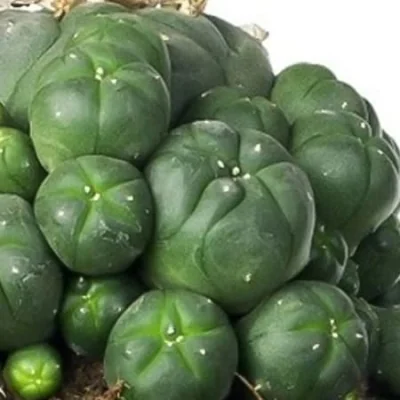
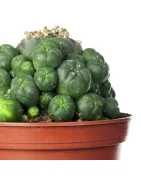
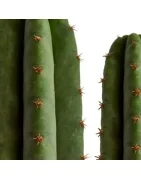
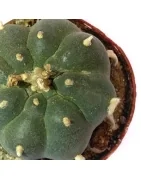
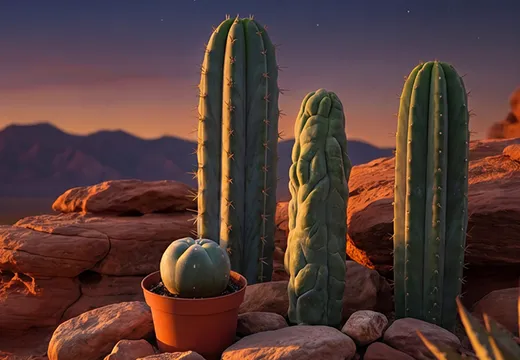
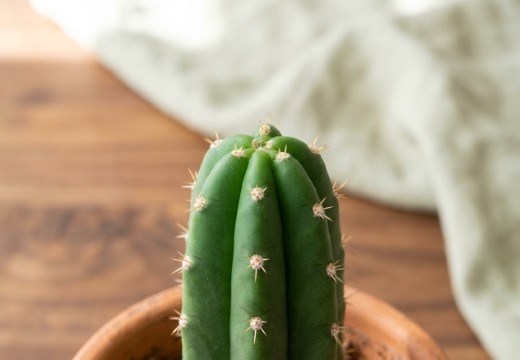
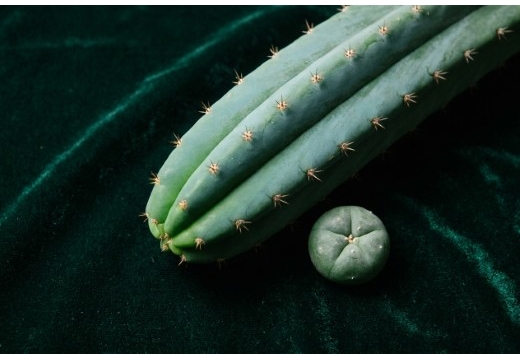
San Pedro (Echinopsis pachanoi, also Trichocereus pachanoi) is a fast-growing columnar cactus that can grow 30+ cm per year. Our San Pedro varieties are shipped at 25-29 cm tall. Peyote (Lophophora williamsii) is a small, slow-growing globular cactus that grows only millimetres per year; mature specimens reach a diameter of only 5-7 cm after 10+ years.
Which mescaline cacti do you sell?
We sell Echinopsis pachanoi (San Pedro), Trichocereus macrogonus and Lophophora williamsii (Peyote) as living plants and cuttings. San Pedro is a fast-growing columnar cactus from the Andes (25-29 cm in our range), while Peyote is a small, slow-growing globular cactus from the Mexican desert reaching a natural diameter of 5-7 cm in mature specimens.
How do I care for a mescaline cactus?
San Pedro (Echinopsis pachanoi) is a robust cactus that loves full sunlight, sparse watering and well-draining soil. Peyote (Lophophora williamsii) requires more specialised care: mineral-rich soil with excellent drainage, indirect light and very sparse watering — the taproot is extremely susceptible to root rot.
Are mescaline cacti legal?
Owning living mescaline cacti as ornamental plants is fully legal in the Netherlands. They are sold as botanical collector plants and decorative succulents. Mescaline as an isolated substance is listed under the Opium Act (Schedule I), but the living plant is freely available.