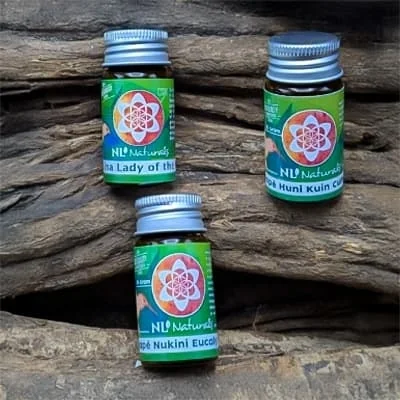
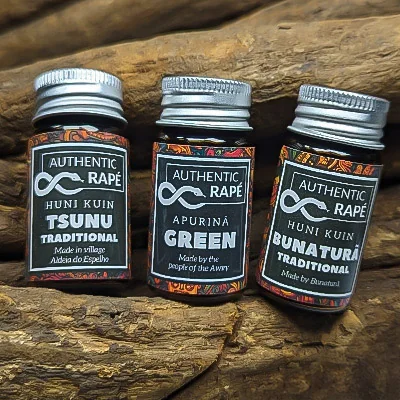
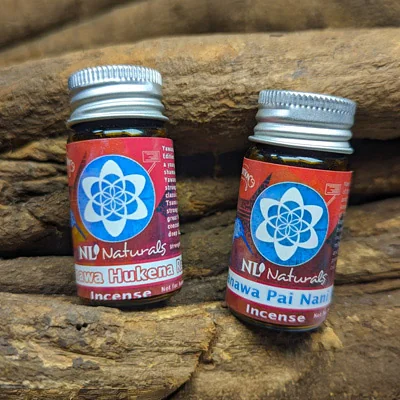
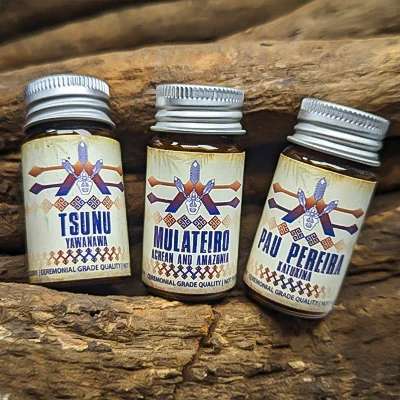
Apurinã Rapé: A Window into Shamanic Tradition
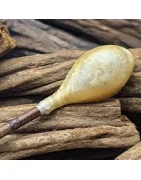
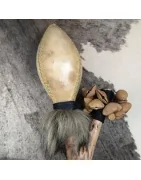
Apurinã Rapé, known in their language as "awiry," is central to their spiritual and healing practices. This sacred herbal blend embodies their complex cosmology and serves as a bridge between the physical and spiritual realms.
Unique Aspects of Apurinã Rapé
- Crafted by skilled shamans using ancestral techniques
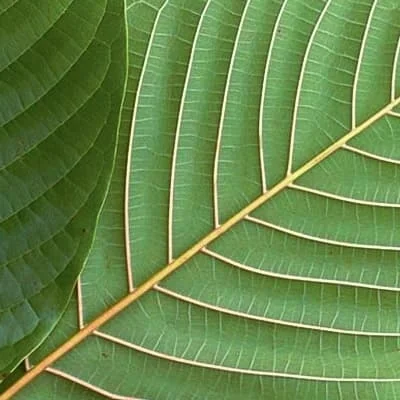
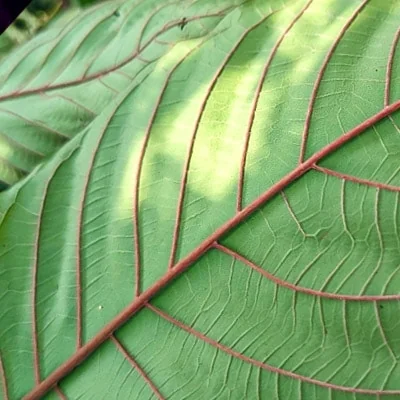
- Often used in conjunction with katsoparu, a medicinal leaf
- Central to healing rituals and spiritual ceremonies
- Believed to facilitate communication with animal spirits
The Xingané Ceremony
The Xingané, a significant Apurinã ritual, showcases the importance of Rapé in their culture. This complex ceremony begins with a symbolic armed confrontation between hosts and guests, creating an atmosphere of tension and excitement. As the ritual progresses, it features rapid, loud verbal exchanges known as "cutting sanguiré" or "katxipuruãta" in the Apurinã language. These intense dialogues serve as a form of ritual combat, demonstrating the participants' verbal prowess and cultural knowledge. The ceremony reaches its climax when the leaders of both groups share Rapé with each other, a powerful gesture symbolizing peace, unity, and the bridging of differences. This act of sharing the sacred herbal blend transforms the initial confrontation into a celebration of communal bonds and shared spiritual traditions.
Apurinã Shamanism and Healing
Apurinã shamans, or m?ety, use Rapé in combination with other practices for healing:
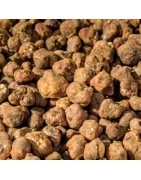
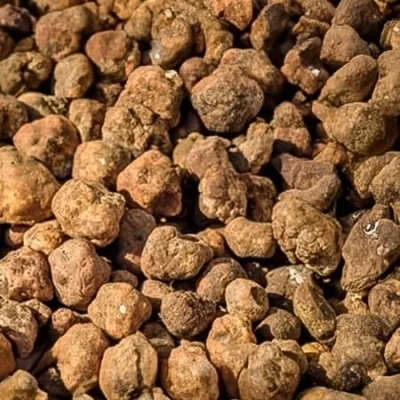
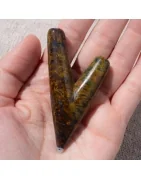
- Stones are believed to be sources of both illness and healing power
- Shamans undergo rigorous initiation, including forest isolation and dietary restrictions
- Healing sessions involve chewing katsoparu and using awiry (Rapé) extensively
- Shamans are thought to extract illness in the form of stones, which they then absorb into their own bodies
Preserving Apurinã Heritage
By choosing Apurinã Rapé, you're not just experiencing a powerful ceremonial blend; you're supporting a community dedicated to preserving their ancestral knowledge and territories in the face of ongoing challenges.
What is the Awiry method of the Apurinã?
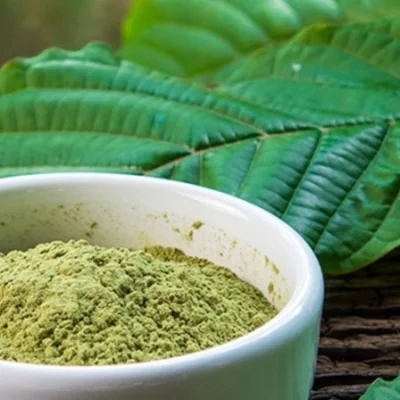
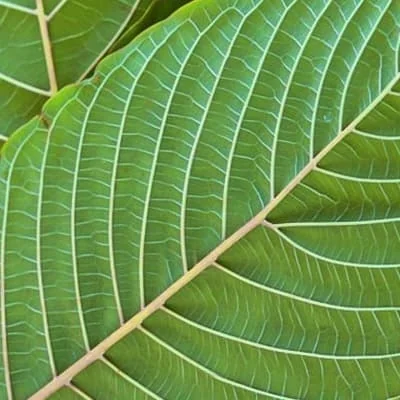
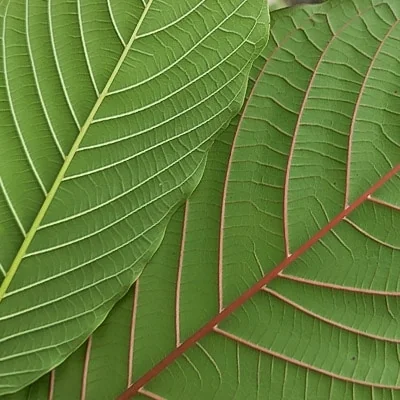
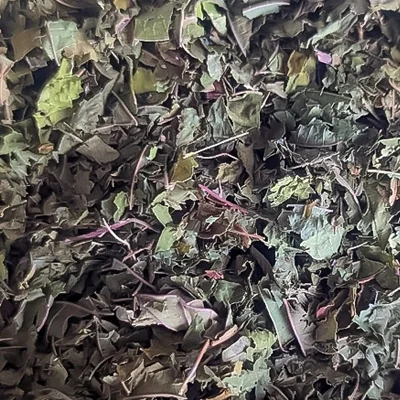
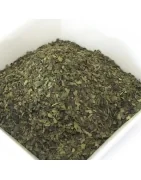
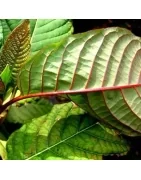
The Awiry method is unique in the Amazon: the Apurinã use fresh, green leaves instead of the dried leaves and ashes used by other tribes. The fresh leaves are ground immediately after harvest and combined with specific ash types. This produces a characteristic green colour and preserves volatile plant compounds that are lost during drying.
Where do the Apurinã live and what makes them unique?
The Apurinã live along the Purus River — one of the longest tributaries of the Amazon (3,211 km) — in the state of Amazonas. They speak an Arawak language, linguistically distinguishing them from the Panoan-speaking tribes (Yawanawa, Huni Kuin, Katukina) in the west. Their knowledge of fresh plant preparations is recognised as exceptional even among ethnobotanists. Read more about the rapé preparation process.
How does Apurinã rapé differ in scent and colour from other blends?
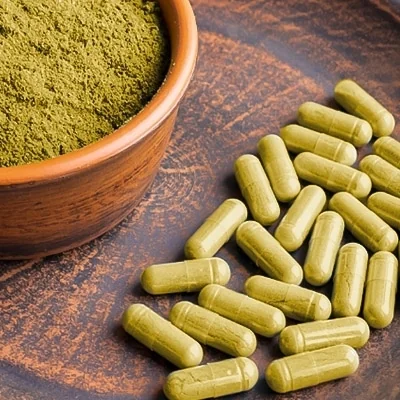
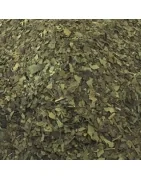
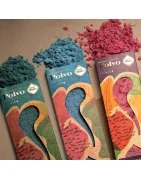
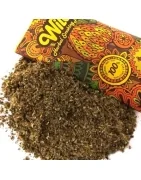
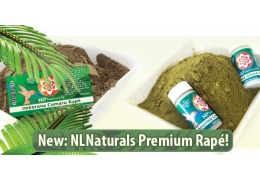
Due to the use of fresh, green leaves, Apurinã rapé has a strikingly green colour and a fresh, herbal aroma that clearly differs from the brown and grey tones of Tsunu or Canela de Velho-based blends. The volatile aromatic compounds lost during drying are preserved in the Awiry method, producing an entirely different sensory profile.