



































Syrian Rue

Syrian Rue — Peganum Harmala from the Middle East

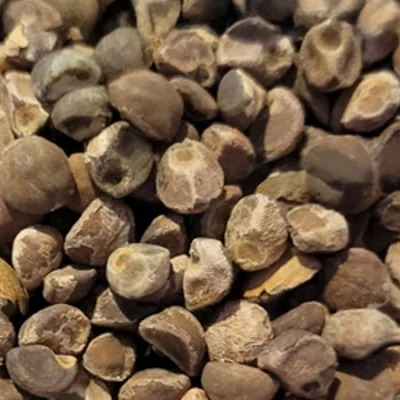
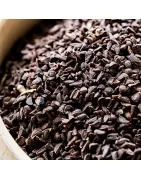
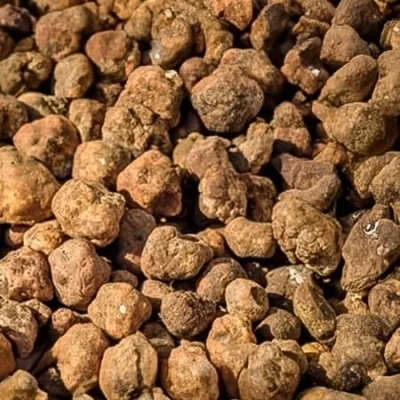
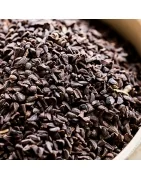
Peganum harmala, better known as Syrian Rue, is a herbaceous plant originally found in the Middle East, North Africa and Central Asia. The seeds are particularly rich in harmala alkaloids, including harmine and harmaline — the same MAO-inhibiting compounds found in Banisteriopsis caapi. The plant has been used for thousands of years in traditional cultures.

Syrian Rue - Harmala Seeds | Peganum Harmala Seeds

Syrian Rue
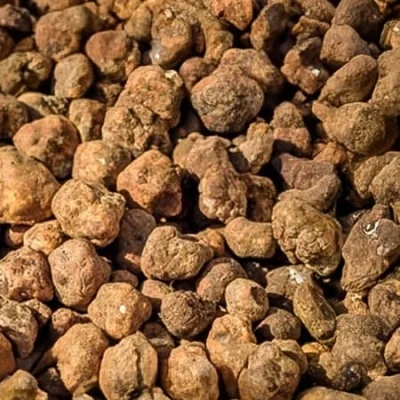
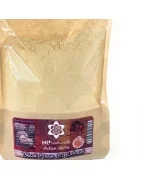
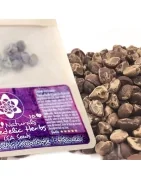
Syrian rue seeds. Contains harmine and harmaline, MAO inhibitors. Traditionally used in the Middle East. Important ingredient in ayahuasca analogues. For very experienced users.
Effect: MAO Inhibitor
Origin: India
4.13
Which alkaloids does Syrian rue contain?

Peganum harmala, also known as Syrian Rue or harmal, is a hardy herbaceous plant from the Middle East and Central Asia. The seeds are particularly rich in harmala alkaloids — notably harmine, harmaline and tetrahydroharmine — which act as reversible MAO-A inhibitors. The plant has been used ceremonially for over 3,000 years.

How do its alkaloids compare to Banisteriopsis caapi?

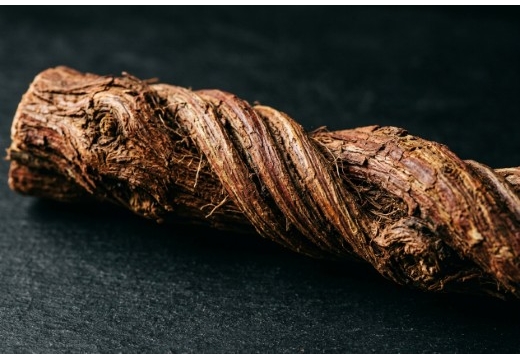
Both Peganum harmala and Banisteriopsis caapi contain harmine and harmaline as their primary MAO-inhibiting alkaloids. However, Syrian Rue typically has a higher harmaline-to-harmine ratio. Botanically they are entirely different plants: P. harmala (Nitrariaceae) versus the Amazonian vine B. caapi (Malpighiaceae).

2623 reviews
Loading...