Blog navigation

Latest posts

Party Pills Comparison: Happy Caps vs DNX Pills

Twenty party pills in the shop and no idea which to pick? This comparison puts Happy Caps, DNX and the new Party-E...

Read More
Liquid Spore Cultures vs Spore Prints: Which Should You Choose?

Liquid spore cultures and spore prints are the two main ways to start a mushroom cultivation project. This guide...

Read More
Incense Guide: Which Type of Incense Is Right for You?

With over 60 types of incense in our collection, choosing the right one takes a bit of knowledge. This guide compares...

Read More
Kuripe vs Tepi: Which Rapé Applicator Suits You?

Kuripe or tepi? These are the two tools used to administer rapé, and choosing between them changes the experience...

Read More

Cacao Ceremony: History, Recipe and Meaning


cacao ceremony ritual guide

Last updated: March 2026
This guide is regularly updated with the latest insights on ceremonial cacao use.

What is a cacao ceremony?

A cacao ceremony is a sacred ritual centred around drinking ceremonial-grade raw cacao. It opens the heart, strengthens your connection with yourself and those around you, and creates space for transformation and self-discovery. This tradition originates with the Maya and Aztec civilisations, who regarded cacao as the food of the gods.

Unlike simply drinking a cup of hot chocolate, a cacao ceremony is a conscious, intentional experience. The amount of cacao (typically 42 grams), the quality of the bean, and the intention you bring together determine the depth of the experience. Across Europe and beyond, growing numbers of people are discovering this tradition as a gentle, loving way to reconnect with themselves.

The history of ceremonial cacao

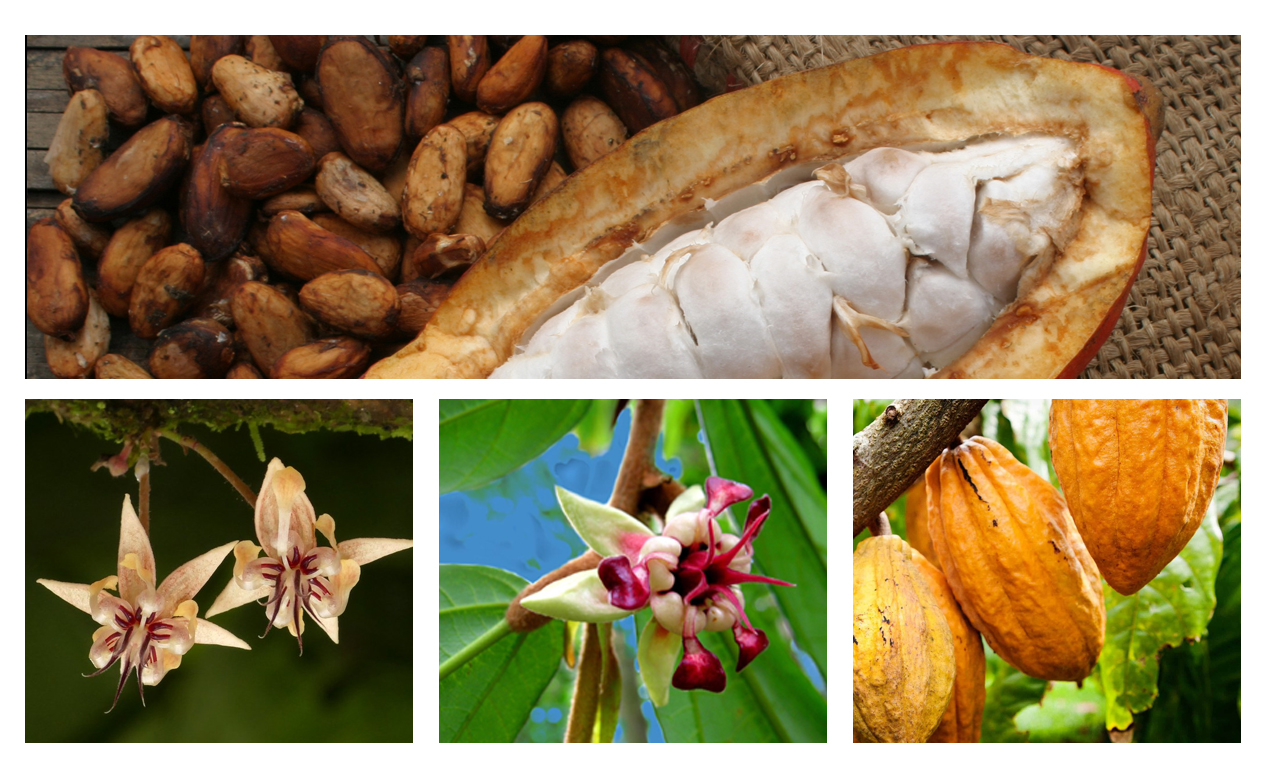
The tradition of using cacao as a sacred food dates back over 3,000 years to the Maya civilisation, which spread across present-day Honduras, Belize, Guatemala, Mexico and El Salvador. The word cacao derives from the Olmec "ka-ka-w". The Maya discovered this rainforest-growing plant with large, colourful seed pods filled with sweet white pulp rich in minerals and vitamins.

They gave the plant divine status. The beans were roasted and ground into a bitter hot drink, sometimes enriched with cayenne pepper, vanilla, cinnamon and honey. This beverage was used in religious ceremonies, buried in the tombs of high priests, and served to honour Ek Chuah, the Maya god of merchants and patron saint of cacao.

The Aztecs elevated cacao worship to another level entirely. Unable to grow the plant themselves due to their dry climate, they traded precious goods for the bean. For them, cacao was worth more than gold. The cacao drink served as a life elixir for the elite of priests and dignitaries.

The story of Ixcacao

Cacao ceremony ixcacao

An ancient story tells of the goddess Ixcacao, goddess of creation. As a mother archetype, she was deeply connected to humankind. She taught people to sow, cultivate and harvest, and granted them protection and abundance.

When patriarchal energy took hold, the focus shifted from the holistic to the cognitive. Work became a means to accumulate wealth. The beans of Ixcacao gained material value and became a commodity for trade. This caused her great sorrow.

When she neared despair, the goddess of love, Huitaca, came to her. Huitaca said: "The time has come for working without rest, without dancing, without family, without pleasure and love to be over." Her heart was filled with love, and from that moment she became not only the goddess of creation, but also of love. Ixcacao remained with the people and poured her sacred drink once more to restore balance to their hearts.

Recipe: Ceremonial Cacao Drink

A good ceremonial cacao drink is prepared with care and attention. Below you will find the basic recipe, which you can adjust to taste.

Ingredients (1 person)

Raw cacao ingredients

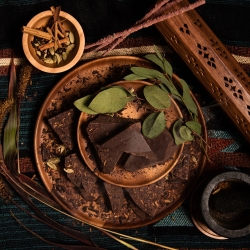
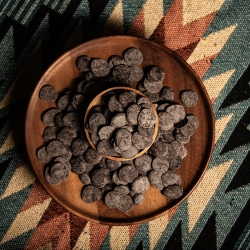
  • 42 grams ceremonial cacao paste (28 grams for beginners)
  • 200 ml water, coconut milk or almond milk (no cow's milk — it blocks the absorption of antioxidants)
  • Optional: one teaspoon of honey or agave syrup
  • Optional: pinch of cinnamon, cardamom or cayenne pepper

Preparation

Cacao ceremony preparation

  1. Grate or chop the cacao
    Grate or chop the cacao paste into small pieces so it melts more quickly.
  2. Heat the water or milk
    Heat the water or plant-based milk in a saucepan over low heat. Let it get warm but do not boil — excessive temperatures break down the active compounds.
  3. Add and melt the cacao
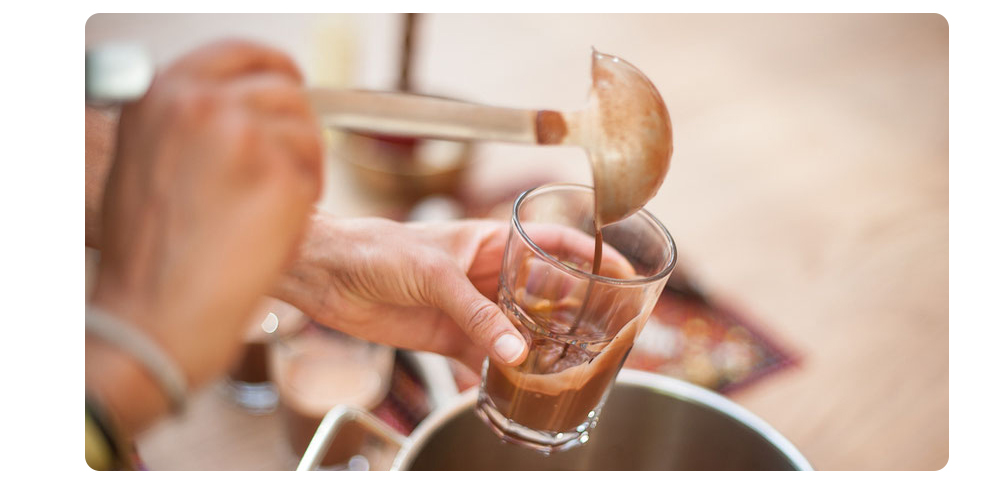
    Add the cacao pieces to the warm liquid and stir slowly with a whisk or immersion blender until everything has fully dissolved into a smooth, frothy drink.
  4. Season to taste
    Add honey, cinnamon, cardamom or a pinch of cayenne pepper to taste. The Maya traditionally used cayenne pepper to enhance the effects.
  5. Serve with intention
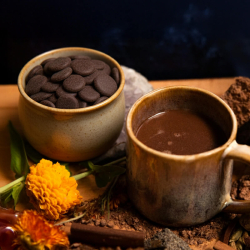
    Pour the drink into a mug. Take a moment to set your intention for the ceremony before taking the first sip. Drink slowly and mindfully.

Tip: The effects of ceremonial cacao are strongest on an empty or light stomach. Avoid heavy meals for at least two hours before the ceremony.

Want to learn more about different cacao types for your ceremony? Read our article on cacao varieties: Criollo, Trinitario or Arriba.

Why Next Level Smart?

  • Ceremonial cacao from fine-flavour origins — Ecuador, Peru and Bolivia
  • 100% pure cacao paste with no additives suitable for ceremonies and daily use
  • Choose from Criollo, Trinitario and Arriba varieties each with a unique flavour profile
  • Dosage guidance for ceremonial use (21g light, 42g full)

Frequently asked questions about the cacao ceremony

How much cacao do I need for a ceremony?

The standard dose for a full cacao ceremony is 42 grams of ceremonial-grade cacao paste per person. Beginners are advised to start with 28 grams to see how their body responds first.

What do you feel during a cacao ceremony?

Most people feel the effects within 20 to 30 minutes. Typical sensations include a warm, expansive feeling around the heart, heightened focus and concentration, and a sense of emotional openness. The effects last 3 to 5 hours. Creativity and inspiration flow more easily, making it an ideal time for music, dance or prayer.

Can I do a cacao ceremony at home?

Yes, you can hold a cacao ceremony at home. The most important elements are the quality of the cacao and the intention you bring. Create a quiet, comfortable space, follow the recipe in this guide, and take time to be fully present with the experience.

Can I have a cacao ceremony during pregnancy?

Cacao contains theobromine and caffeine. Always consult your doctor or midwife before using ceremonial cacao during pregnancy. Generally, it is advised to halve the dose or abstain from ceremonial use entirely during pregnancy.

What is the difference between ceremonial cacao and regular cacao?

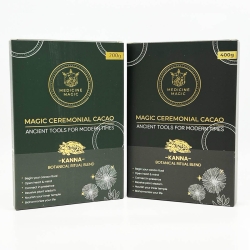
Ceremonial-grade cacao is specifically selected for quality, minimally processed and sourced from smallholder farmers. Regular supermarket cacao is typically roasted at high temperatures and alkalised, destroying most of the active compounds. Read more in our blog Raw Cacao vs Chocolate.
Why should I avoid using cow's milk with cacao?

Cow's milk and soy milk contain proteins that bind to the antioxidants in cacao, preventing your body from absorbing the active compounds effectively and reducing the positive effects. Use water, coconut milk or almond milk instead.

How should I store ceremonial cacao?
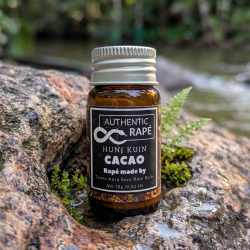
Store ceremonial-grade cacao in a cool, dry place away from direct sunlight. Well-packaged cacao paste keeps for months. Store cacao powder in an airtight container to prevent moisture absorption.

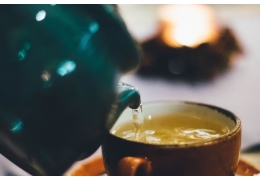
Can cacao be combined with other sacred plants?

Yes, cacao is regularly combined with other traditional plants and mushrooms. Our Raw Cacao Relax Mix combines cacao with Reishi, Lion's Mane and Ashwagandha for deep relaxation and mental clarity.

Last updated: March 2026 | Next Level Smart

 
Posted in: All posts
Rey is the creative force behind our webshop, blending practical experience with a deep interest in natural products, ritual, and conscious living. His work is rooted in quality, authenticity, and respect for traditional knowledge. Through his writing, he aims to bridge traditional wisdom with modern, conscious use, helping customers make informed and meaningful choices. By maintaining close relationships with many of the producers behind the products, he creates a bridge between their world and Western society. He shares their knowledge, vision, and methods with care, honoring both traditional practices and their place in a modern context. His favourite products are rapé, kratom, and magic mushrooms.
Loading...