Blog navigation

Latest posts

Party Pills Comparison: Happy Caps vs DNX Pills

Twenty party pills in the shop and no idea which to pick? This comparison puts Happy Caps, DNX and the new Party-E...

Read More
Liquid Spore Cultures vs Spore Prints: Which Should You Choose?

Liquid spore cultures and spore prints are the two main ways to start a mushroom cultivation project. This guide...

Read More
Incense Guide: Which Type of Incense Is Right for You?

With over 60 types of incense in our collection, choosing the right one takes a bit of knowledge. This guide compares...

Read More
Kuripe vs Tepi: Which Rapé Applicator Suits You?

Kuripe or tepi? These are the two tools used to administer rapé, and choosing between them changes the experience...

Read More

Copelandia Grow Kit Guide 2026


Last updated: March 2026
This guide is regularly updated with the latest cultivation insights and tips.

Copelandia Grow Kit Guide 2026: How to Grow Panaeolus Cyanescens Step by Step

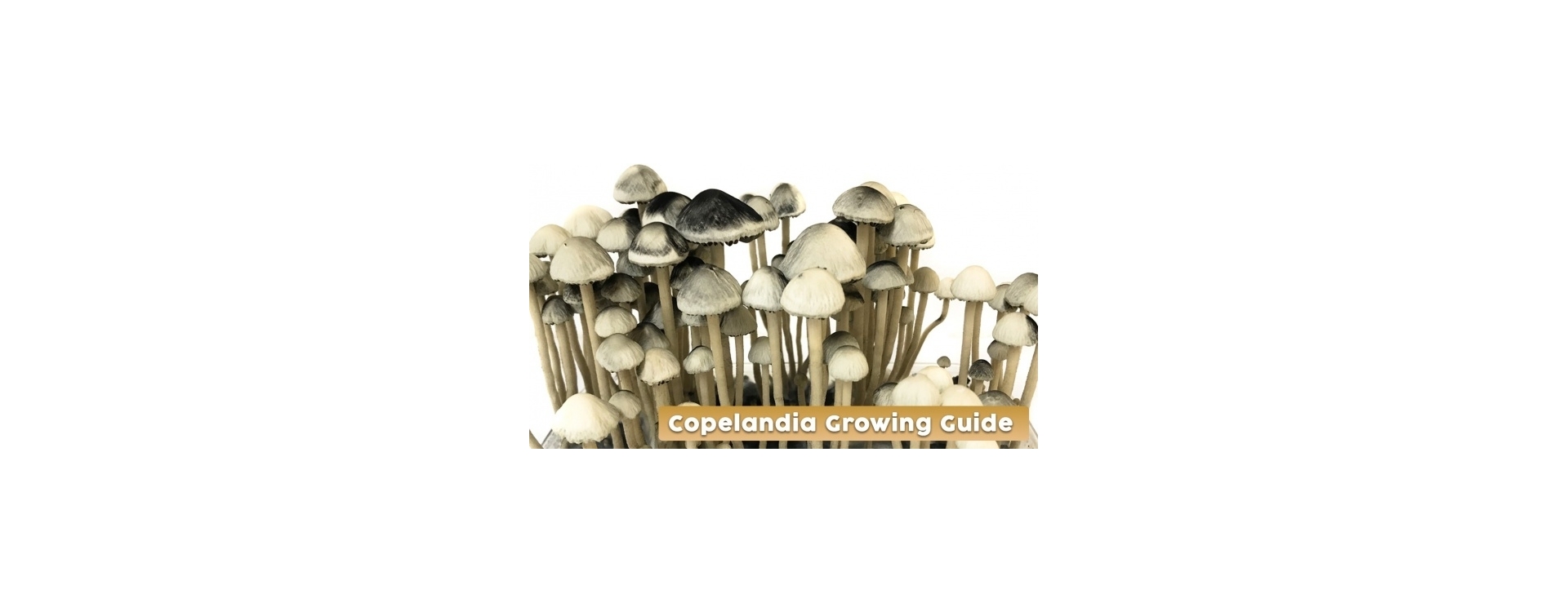
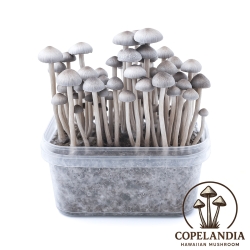
Copelandia mushrooms — scientifically known as Panaeolus cyanescens — are widely regarded as the most potent psilocybin-producing mushrooms you can cultivate. That potency comes at a cost: they are considerably more demanding to grow than standard Cubensis grow kits.

This guide covers everything you need to know — from initial setup to harvest and beyond. Follow the steps precisely and you will get the most out of your Copelandia grow kit.

Video Instructions

Instruction Video Part 1

Instruction Video Part 2

Tip: Watch both videos at least once before you start. This will help you avoid the most common cultivation mistakes.

What is Included in the Kit?

  • The Copelandia grow kit (pre-colonised substrate)
  • A grow bag with microfilter
  • Two cups of soil (casing layer)
  • One paper clip

Note: Missing any components or is the kit damaged on arrival? Get in touch with us straight away. We will sort it out.

Before You Begin: Hygiene First

Copelandia is more vulnerable to contamination than Cubensis. Proper hygiene is not a suggestion — it is a requirement for success.

  • Wash your hands thoroughly with soap every time you handle the grow kit
  • Work in a clean space — close windows and doors, avoid draughts
  • Wear sanitised gloves if available — not mandatory, but it helps
  • Never touch the substrate with bare hands

Step-by-Step Growing Instructions

  1. Preparation
    Open the box and take out all components. Wash your hands thoroughly with soap. Remove the lid from the grow kit and set it aside — you will need it again later.
  2. Apply the Casing Layer
    Spread the soil from both cups evenly across the surface of the grow kit. Make sure the entire top is covered with a uniform layer. This casing layer is essential — it retains moisture and triggers mushroom formation.
  3. Moisten and Place in the Bag
    Spray the casing layer generously so it is thoroughly moist (as shown in the video). Also spray the inside of the grow bag. Ensure there is sufficient air in the bag, place the grow kit inside, and seal the bag with the paper clip.
  4. Daily Care
    Mist the casing layer and the inside of the bag daily. Exchange the air by gently squeezing the bag (pushing old air out, letting fresh air in). The casing layer must stay consistently moist during this stage — not soaked, but properly damp.
  5. Wait for First Mushrooms
    The first pinheads typically appear after 7 to 14 days, though it can take up to 4 weeks. Once mushrooms begin growing: remove the kit from the bag, spray only the inside of the bag, exchange the air, then place the kit back in. Do not spray the mushrooms directly — Copelandia mushrooms absorb water like a sponge and will deteriorate.
  6. Harvest
    The mushrooms are ready to harvest 5 to 7 days after they start growing. The optimal moment is 36 hours after the first black spores begin dropping from the caps. Harvest by gently pushing the mushrooms sideways until the base of the stem snaps. Do not pull them upwards — that damages the mycelium.
  7. Prepare for the Next Flush
    After harvesting, re-moisten the casing layer thoroughly by spraying. Do not drench it. Then return to step 3 and repeat the cycle. Most Copelandia kits produce 2 to 4 flushes.

Copelandia vs. Cubensis: Key Differences

Many growers transition from Cubensis to Copelandia. Here is what you need to know about how they compare:

Factor Copelandia Cubensis
Species Panaeolus cyanescens Psilocybe cubensis
Difficulty Advanced Beginner
Temperature 24-28°C 20-25°C
Humidity 90-95% 85-95%
Casing layer required? Yes (mandatory) No
First flush 7-21 days 7-14 days
Number of flushes 2-4 3-5
Sensitivity High (precise care needed) Low to moderate
Water on mushrooms? Absolutely not Light misting is fine

Want to learn more about different types of magic mushrooms and their unique properties? We have written a detailed comparison.

Ideal Growing Conditions

The Perfect Environment for Copelandia

  • Temperature: 24-28°C — consistent. Temperature fluctuations are the biggest enemy
  • Humidity: 90-95%. Mist the inside of the bag daily
  • Light: Indirect daylight. Not in direct sun, not in complete darkness
  • Ventilation: Fresh air daily, but avoid draughts
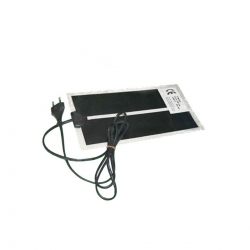
  • Heating mat: Highly recommended, especially during autumn and winter

Copelandia requires higher temperatures than Cubensis. In most European climates, a grow kit heating mat is virtually essential — certainly outside of summer. Without consistent warmth, growth simply stalls.

Using a Heating Mat?

Watch our tutorial video on using a heating mat with mushroom grow kits:

Tip: Do not place the heating mat directly under the grow kit. Use a towel or cardboard box in between to prevent overheating.

Common Mistakes When Growing Copelandia

Copelandia is less forgiving than most growers expect. These are the mistakes we see most frequently — and how to prevent them:

  • Spraying water on the mushrooms: The number one mistake. Copelandia mushrooms absorb water like a sponge and deteriorate rapidly. Once mushrooms are visible, only spray the inside of the bag — never the mushrooms or casing layer
  • Temperature too low: Below 23°C, growth slows dramatically or stops entirely. Use a heating mat if your room is cooler
  • Insufficient ventilation: CO2 builds up in the bag. Exchange the air daily by gently squeezing the bag and reopening it
  • Too much or too little moisture: The casing layer should be moist, not waterlogged. But letting it dry out is equally problematic — dry conditions halt pinhead development
  • Impatience: Copelandia can take up to 4 weeks before the first flush appears. That is entirely normal. Do not keep opening the bag to check — every time you do, you disrupt the microclimate

For more on this topic, read our article about the most common grow kit mistakes.

Troubleshooting Your Copelandia Kit

Not seeing growth, or mushrooms stopping halfway? Here are the most common causes:

  • No pinheads after 3 weeks: Check temperature (minimum 24°C) and humidity. Is the kit in too dark a location? Move it to a spot with indirect daylight
  • Mushrooms dying off (aborts): Usually caused by temperature fluctuations or direct water contact. Our detailed guide to mushroom aborts covers solutions in depth
  • Green or black spots (contamination): Unfortunately often fatal for the kit. Remove the contaminated kit from your growing space immediately. Dispose of it and start fresh with a new kit
  • Mushrooms growing crooked or very thin: Insufficient light or ventilation. Provide more indirect light and exchange air more frequently

Have more questions? Browse our comprehensive Magic Mushroom Grow Kit FAQ for answers to virtually every cultivation question.

Recent Research (2024-2026)

Scientific interest in psilocybin-producing mushrooms continues to accelerate. A few relevant developments:

  • Research published in Mycological Research (2024) confirmed that Panaeolus cyanescens consistently produces higher concentrations of psilocybin and psilocin than most Psilocybe cubensis varieties, reinforcing Copelandia’s reputation as the strongest cultivable species
  • A 2025 study from Leiden University demonstrated that temperature stability is the single most important predictor of a successful Copelandia harvest — more significant than humidity or light conditions
  • Recent mycological research (2025) revealed that the microbiome of the casing layer plays a critical role in fruiting body induction in Panaeolus species, explaining why Copelandia rarely fruits without a casing layer

Good to know: Copelandia mushrooms (Panaeolus cyanescens) grow kits are sold for educational and mycological purposes.

What Our Customers Say

"My first Copelandia grow was a proper test of patience. Nothing happened for two weeks and I nearly gave up. Then on day 17, tiny pins appeared everywhere. Ended up getting three solid flushes. The heating mat was absolutely crucial — would not attempt it without one."

— James, 29, Bristol (February 2026)

Frequently Asked Questions About Growing Copelandia

How long does it take for Copelandia mushrooms to grow?

The first mushrooms typically appear after 7 to 14 days, though it can take up to 4 weeks. Copelandia is slower than Cubensis. Patience is key — maintain a consistent temperature of 24-28°C and mist daily while you wait.

Do I need a heating mat for Copelandia?

In most cases, yes. Copelandia requires 24-28°C, and most rooms fall short of that range. A grow kit heating mat keeps the temperature stable. You might manage without one during a warm summer, but it is a risk.

What is the difference between Copelandia and Cubensis grow kits?

Copelandia (Panaeolus cyanescens) requires higher temperatures (24-28°C vs. 20-25°C), a mandatory casing layer, and more careful moisture management. Yields per flush are smaller, but potency is significantly higher. See our general grow kit guide for a full comparison of methods.

Why are my Copelandia mushrooms not growing?

The three most common causes: temperature too low (below 23°C), a dry casing layer, or insufficient air exchange. Check these three factors first. If problems persist, contamination may be the issue — look for green or black spots on the substrate.

How many flushes can I expect from a Copelandia grow kit?

Typically 2 to 4 flushes, depending on care. The first flush is usually the largest. After each harvest, re-moisten the casing layer and start the cycle again from step 3 in our guide above.

Can I spray water on Copelandia mushrooms?

No. Copelandia mushrooms absorb water like a sponge, which causes them to deteriorate rapidly. Once mushrooms are visible, only spray the inside of the grow bag. Never spray the mushrooms directly or the casing layer.

When is the right time to harvest Copelandia?

Harvest 36 hours after the first black spores begin dropping from the caps. This is the optimal window. Harvesting too early reduces yield; harvesting too late means spores cover the casing layer, which can make subsequent flushes more difficult.

Is growing Copelandia suitable for beginners?

Copelandia is a clear step up in difficulty. We recommend beginners start with a Cubensis grow kit first — they are far more forgiving. Once you have had a few successful Cubensis grows under your belt, Copelandia makes an excellent next challenge.

Why Next Level Smart?

  • 15+ years of experience in ethnobotanical products and mushroom cultivation
  • Comprehensive growing guides — step by step, with video support
  • Premium grow kits — freshly produced, shipped within 24 hours
  • Discreet shipping across the Netherlands and all of Europe
  • Customer support that genuinely helps — including cultivation questions

Last updated: March 2026 | Next Level Smart

 
Rey is the creative force behind our webshop, blending practical experience with a deep interest in natural products, ritual, and conscious living. His work is rooted in quality, authenticity, and respect for traditional knowledge. Through his writing, he aims to bridge traditional wisdom with modern, conscious use, helping customers make informed and meaningful choices. By maintaining close relationships with many of the producers behind the products, he creates a bridge between their world and Western society. He shares their knowledge, vision, and methods with care, honoring both traditional practices and their place in a modern context. His favourite products are rapé, kratom, and magic mushrooms.
Loading...