




































Categories

Filter By

Specials

Kuripe

Kuripe Applicators — Self-Administration Bamboo & Bone Tools

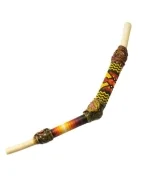
The Kuripe applicator is a traditional shamanic tool used for self-administering sacred herbal preparations.

Materials and Craftsmanship

Kuripe applicators are often handmade from various materials:

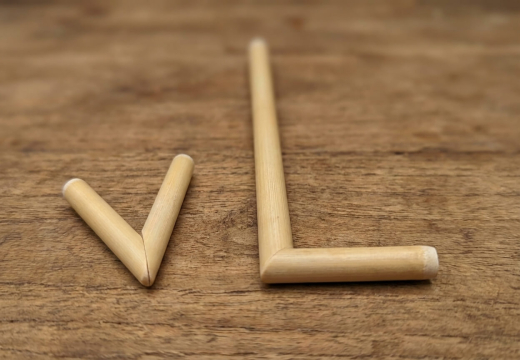
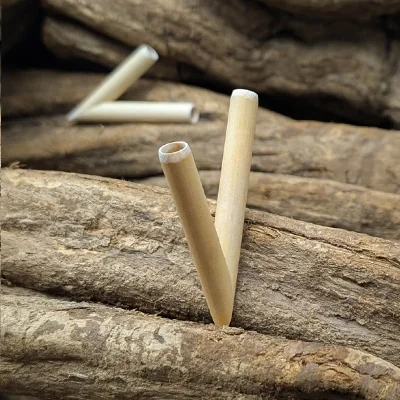
  • Bamboo: Lightweight and affordable, ideal for beginners.
  • Wood: Wood types such as Mahogany are often used for their durability.

People also look at: Tepi Applicators | Original Rapé

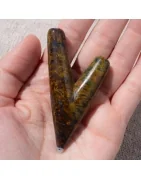
Gemstone Kuripe - Onyx Sunset | Natural Stone Rapé Applicator

Kuripe & Tepi
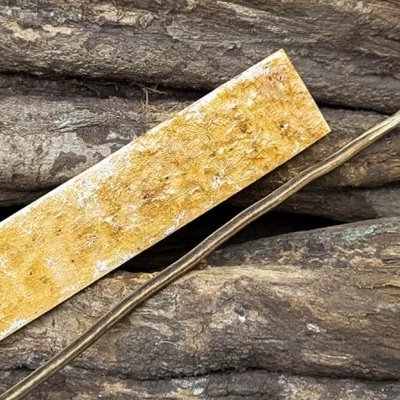
Onyx kuripe with subtle color bands in orange, red, amber and cream. The layers flow together like colors at sunset. This kuripe is handcrafted and suitable for ceremonial work when you want to engage with transformation energy and vitality. Each piece is different due to the natural color formation.
39.64

Mala Kuripe - Kayu Kopi | Coffee Wood Rapé Applicator

Kuripe & Tepi
Rare kayu kopi beads on Jati wood — warm coffee-brown tones with fine grain and surprising lightness. Coffee wood is uncommon in malas but valued by Indonesian craftspeople for its pleasant scent and naturally calming energy. Grounding without heaviness, clarity without overwhelm.
18.18

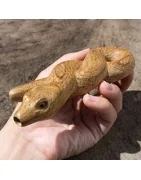
Fossilized Kuripe - Petrified Wood

Kuripe & Tepi
This fossil kuripe is made from petrified wood that is millions of years old. It combines earthly energy with ceremonial use - a timeless instrument with a unique piece of natural history.
42.98

Maintenance and Care

Regular cleaning of a Kuripe is essential to prevent the buildup of bacteria. External cleaning can be easily done with baby wipes or a damp tissue, while the inside of the pipe can be cleaned with a pipe cleaner.

How do I use a kuripe?

Place the longer end in your nostril and the shorter end in your mouth. Apply a small amount of rapé to the bowl, close your throat and blow with a short, powerful puff. Start with a small amount to practise the technique.

What materials are kuripes made from?

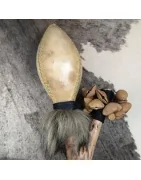
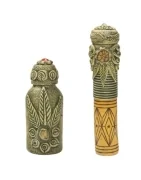
Our kuripes are crafted from various materials: bamboo for a lightweight feel, hardwood for durability, bone for a traditional look, and sometimes decorated with natural fibres or beads. Each material gives a different feel, sound and aesthetic to the ceremonial instrument.

2623 reviews
Loading...