Last updated: April 2026
This guide is regularly refreshed with current insights on smudging, ethical sourcing and recent research.
White sage, palo santo, a shell to catch the ash, a window cracked open. That is all the kit smudging really needs. The difference between that basic set-up and a ritual that actually does something is what this guide is about.
The practice comes from Indigenous North American and South American traditions. Sage rituals trace back to the Chumash, Lakota, Navajo, and other nations; palo santo is a tradition of the Andes and the Amazon basin. Sacred-smoke rituals exist far beyond the Americas too: across India, the Middle East, and parts of Europe. The common thread is the idea of smoke as a carrier of intention, a marker of transition, a way to clear something away.
At Next Level Smart we have worked with ethnobotanical products for over a decade. In that time we have watched smudging shift from a niche ritual into something many people do daily, sometimes with full attention, sometimes as a quick moment between other things. This guide brings both sides together: the cultural context and the practical side.
What is smudging, exactly?
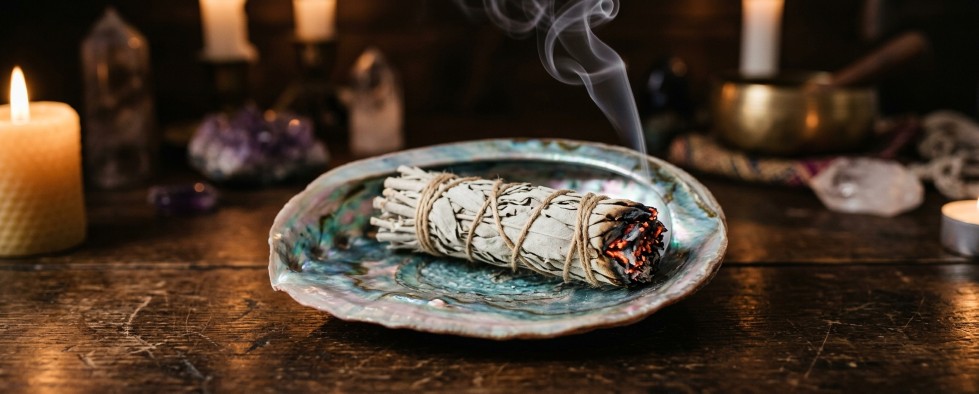
Smudging is the burning of dried herbs, resins, or woods to create smoke, which you then guide through a space or past a person. The purpose varies by tradition: purification, protection, inviting positive energy, or simply marking a moment of conscious attention. The term "smudge" is English and originally referred to the North American practice, but similar rituals exist everywhere.
In the Andes, people have worked with palo santo, holy wood, for centuries. In South-East Asia, traditions use nag champa and sandalwood. In the Middle East, frankincense and myrrh. In North America, the tradition grew up around white sage and sweet grass. All different, all ancient.
What they share is the idea that smoke carries something. Intention, a transition, something that can now leave. You do not have to take that spiritually to feel it working. Many people simply notice they feel calmer after walking through their workspace with smouldering sage.
Note: smudging is not a replacement for ventilation, cleaning, or medical care. It is a ritual, not a therapeutic tool. Always open a window and take care with asthma, allergies, or sensitive pets.
Smudging, incense, and energetic cleansing: what is the difference?
Three terms that get used interchangeably. Useful to know what each actually means.
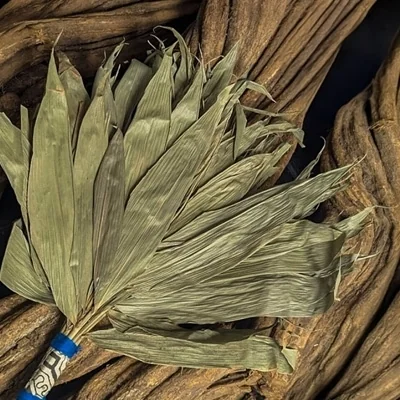
Smudging specifically refers to burning dried herbs, mainly sages, usually in bundles, for energetic or ritual cleansing. The practice comes from Indigenous North American traditions.
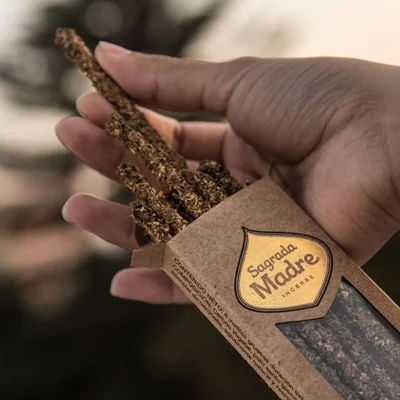
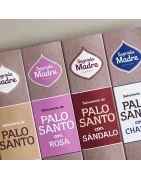
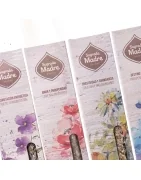
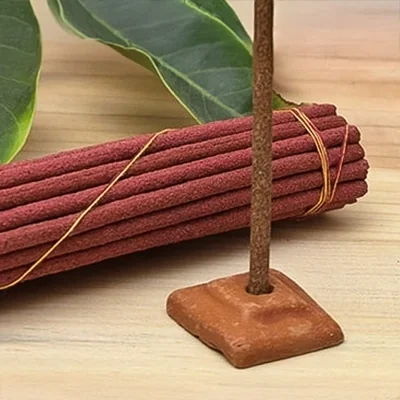
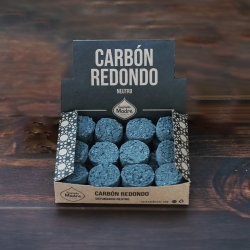
Burning incense is broader. It covers sticks, cones, charcoal with resin, powders. Anything that creates aromatic smoke, essentially. Incense burning developed globally, independently of smudging. For a deeper look at incense varieties, read our Sagrada Madre incense guide.
Energetic cleansing is the umbrella term. That can be done with smoke, but also with shungite, sound (singing bowls, rattles), salt, or simply opening the windows. Smudging is one form of energetic cleansing, not the only one.
The different types of smudge materials
Not every smudge material does the same thing. Your choice shapes not just the scent but the character of the ritual. Below are the most commonly used materials, their origins, and when each one fits.
| Material |
Origin |
Scent profile |
Best for |
| White Sage |
California, USA |
Herbal, earthy, camphor-like |
Deep cleansing, neutral base |
| Blue Sage |
North America |
Softer, sweeter than white sage |
Meditation, gentle daily use |
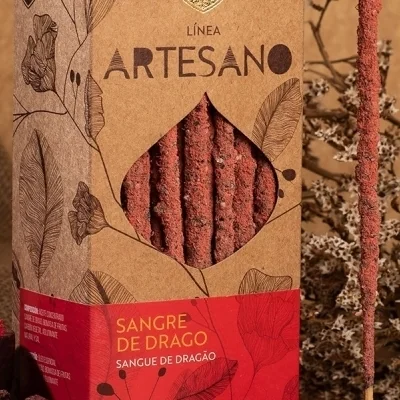
| Dragon's Blood Sage |
White sage + Croton lechleri resin |
Woody, resinous, slightly sweet |
Protection, marking a space |
| Palo Santo |
Peru, Ecuador |
Sweet, woody, hint of citrus |
Inviting positive energy |
| Copal |
Central and South America |
Deep, resinous, mild pine |
Ceremonial, altars, transitions |
| Frankincense & Myrrh |
Mediterranean, Arabia |
Deep sweet, bittersweet |
Prayer, meditation, quiet moments |
| 7 Chakra Smudge Bombs |
Argentina (Sagrada Madre) |
Varies by chakra |
Targeted energetic support |
White Sage (Salvia apiana)
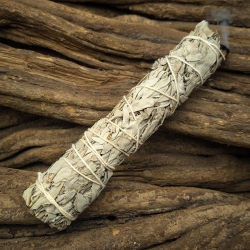
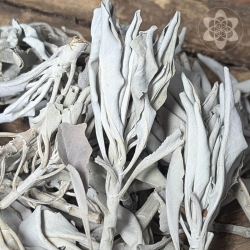
The classic. White sage grows naturally in California and parts of Mexico. The dried leaves produce a herbal, earthy smoke with a slight camphor edge. In many Indigenous North American traditions it is used for deep cleansing of people and spaces.
Worth knowing: white sage has become more popular in recent years than the wild stock can replenish. Overharvesting and illegal collection are real problems. Our white sage collection uses only controlled-source bundles.
Blue Sage (Salvia mellifera)
Gentler than white sage, sweeter in scent, with less camphor. People who find white sage too sharp often choose blue sage, especially for meditation or mild daily use. It also works as a welcome-home ritual after a long day.
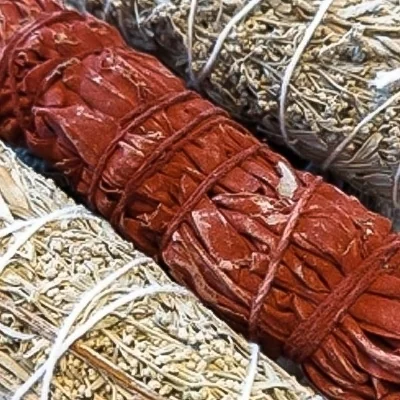
Dragon's Blood Sage
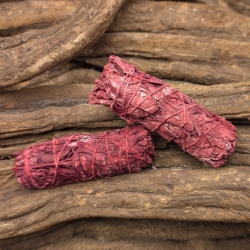
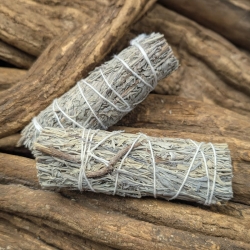
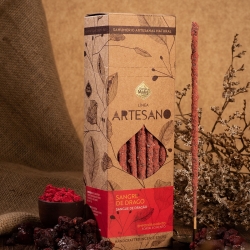
An interesting combination: regular white sage rolled with the red resin of the Croton lechleri tree from the Amazon basin. That tree is the "Dragon's Blood" tree this variant gets its name from. The resin adds a sweet, woody note to the sage. Dragon's Blood Sage is often chosen for protection, or for marking a space where you do not want to be disturbed: before an important conversation, a vulnerable moment, or a creative session that needs focus.
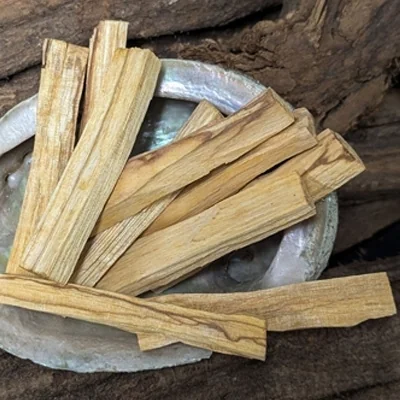
Palo Santo (Bursera graveolens)
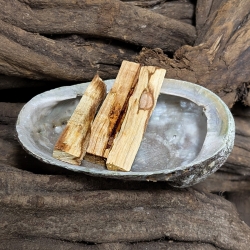
"Holy wood", the literal Spanish translation. Palo santo is a tree species from Peru, Ecuador, and parts of South America. The scent is sweet, woody, with a hint of citrus. Quite different from sage. Where sage mainly cleanses deeply, palo santo tends to invite positive energy.
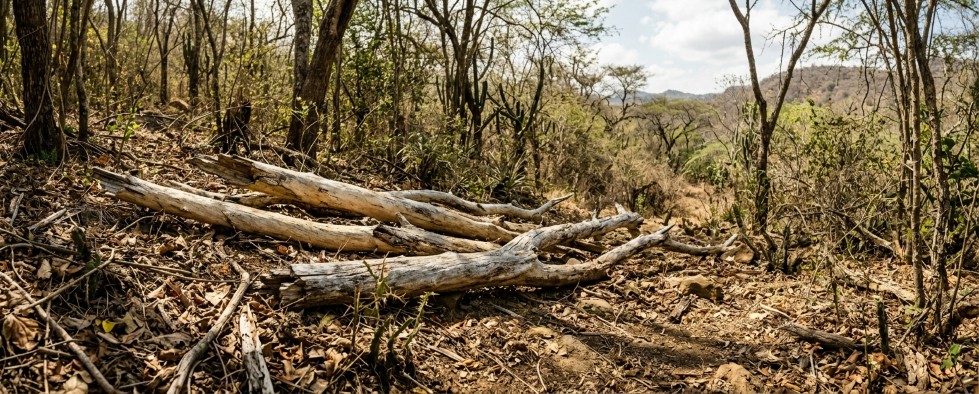
Important: palo santo may only be harvested from naturally fallen branches of deceased trees, not from active logging. The Peruvian government regulates this strictly. When sourcing, we always check provenance and certification. Browse our palo santo collection for sticks, chips, and shredded wood.
Copal
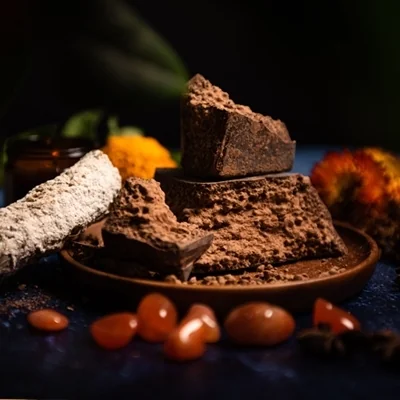
A resinous, deep smoke from Central and South America. White copal, black copal (Protium amazonicum), and golden copal differ subtly in scent. Copal was used by the Maya and Aztecs in ceremonial contexts: temples, offerings, transitions. Today, copal is usually burned on a charcoal disc rather than as a bundle. That produces a dense, resin-rich smoke.
Frankincense & Myrrh
The Middle Eastern classics. Frankincense (the resin of the Boswellia tree) has a deep, sweet scent and has been used for thousands of years in religious and ceremonial contexts. Research has shown that incensole acetate, a compound in frankincense, may influence mood and anxiety-related behaviour in mice via TRPV3 receptors (Moussaieff et al., FASEB Journal 2008). Myrrh is calmer in character, bittersweet, and is often combined with frankincense for balance.
Smudging Bombs & herb blends
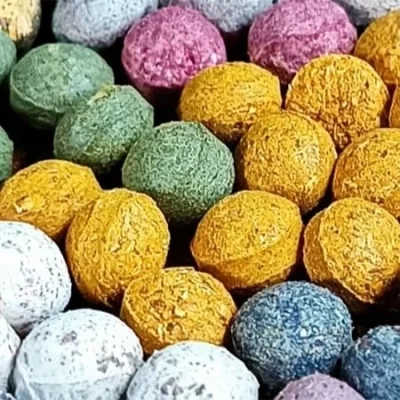
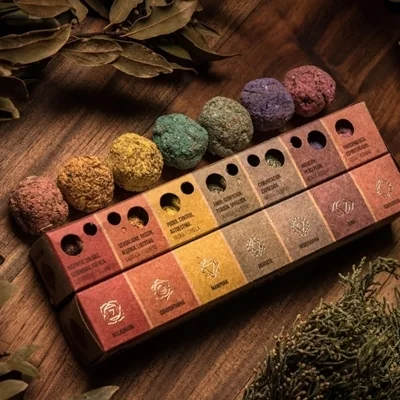
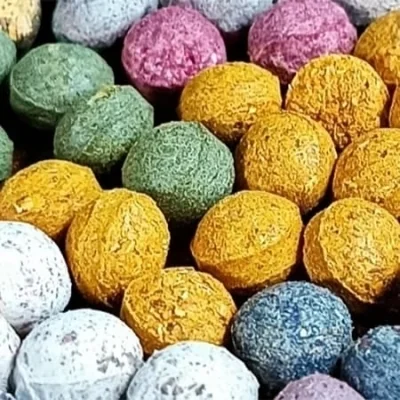
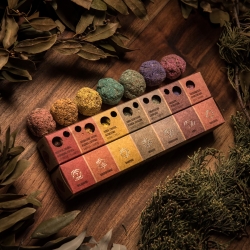
For those who find traditional bundles too intense or prefer less smoke: smudging bombs are small pressed balls of herbs and resin. The 7 Chakra Smudge Bombs by Sagrada Madre burn shorter and more precisely. Useful when you want to address a specific chakra, or do a quick cleansing without the kitchen smelling of smoke.
What you need to smudge
Not much. A handful of basics is useful to have within reach, otherwise you end up halfway through looking for a lighter or chasing falling ash across the floor.
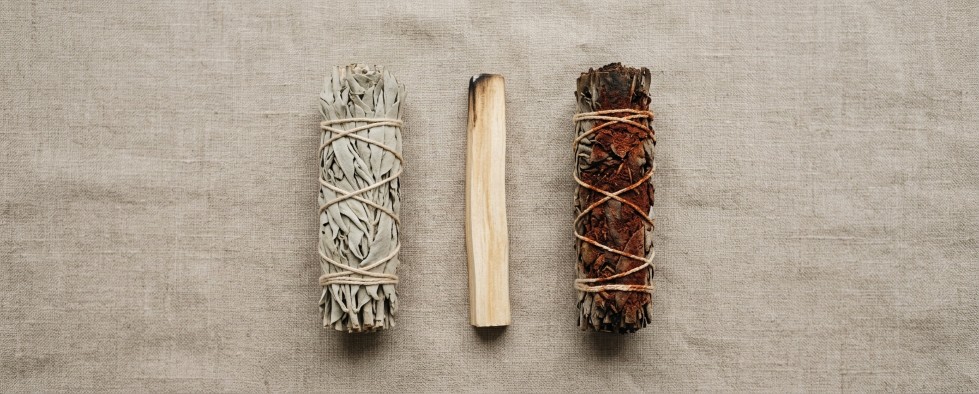
- A smudge stick, charcoal disc, or resin: the smoke source. For beginners, a white sage or palo santo stick is simplest.
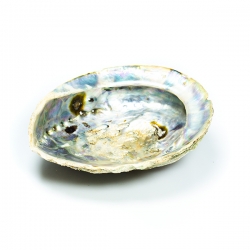
- A fire-safe dish: traditionally an abalone shell, but a ceramic bowl or copper dish works too. Ash will fall, and it needs somewhere to land.
- A lighter or matches: long matches are easier than a short lighter. A smudge stick takes time to catch properly.
- A feather or fan: not required, but helpful for directing smoke. Your hand works too.
- A window that opens: crucial. The smoke needs somewhere to go, otherwise you are just moving the air around.
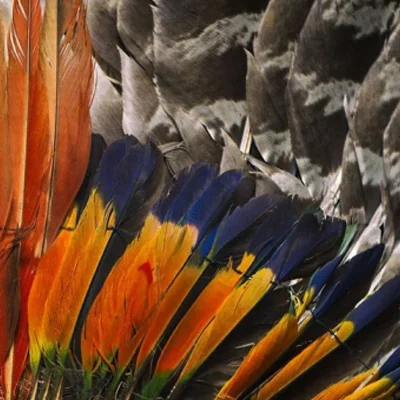
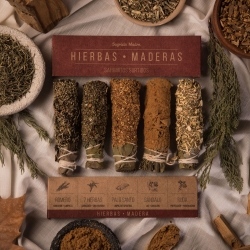
Want to try several varieties at once? The Set of 5 Smudge Sticks combines five different herbs and sacred woods in one package. A solid starting point when you are not yet sure what suits you.
How to perform a smudging ritual, step by step
-
Prepare the room
Tidy up a bit, open a window, and put your phone aside. Clutter and smoke do not mix well, and an incoming message will pull you right out of the moment. Move sensitive pets or small children to another room for the duration.
-
Set an intention
Think for a moment about why you are smudging. What do you want to release? What do you want to invite in? The intention does not have to be solemn, one sentence is enough. For example: "I am making room for calm."
-
Light the smudge stick
Hold the tip in the flame until the wood starts to smoulder and you can see a clear glow. If a flame catches, gently blow it out so only smoke rises. This can take up to half a minute. No rush.
-
Move the smoke through the space
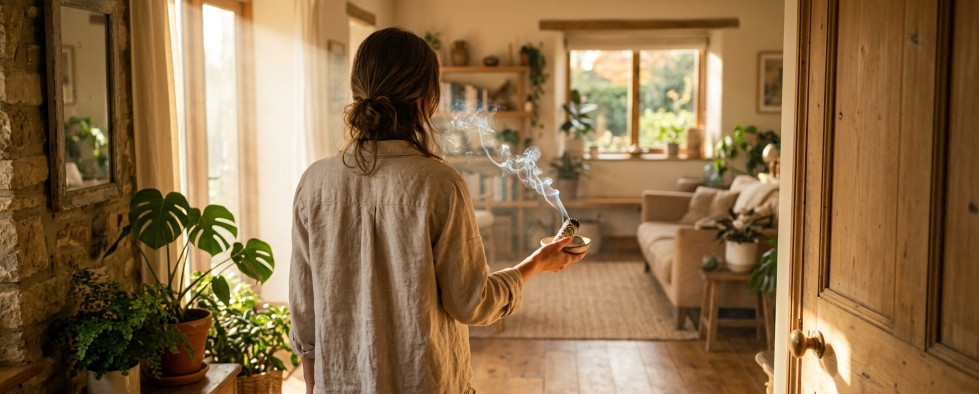
Walk with the stick along the walls of the room, starting at the front door. Hold your dish underneath to catch falling ash. Whether you move clockwise or counter-clockwise: both traditions exist, so pick whichever feels right. Spend a little longer at corners, doorways, and windows.
-
Smudge yourself or someone else (optional)
Move some smoke along your body with your hand, from feet to crown. When smudging someone else, ask permission first. Take your time, no rush.
-
Close the ritual
Press the smudge stick out by firmly pushing the tip into the dish. Not into water: moisture ruins it for next time. Thank the plant, the space, or simply the moment for yourself. Leave the window open for another ten minutes or so to let the smoke clear out.
When does smudging add something?
There are moments when smudging adds a little extra. Not as an obligatory ritual, more as a marker of transition.
- After a move or deep clean: to release the previous atmosphere and claim the space as yours.
- After arguments or tense conversations: smudging helps reset the room's energy, regardless of who was right.
- Before meditation or ceremony: a cacao ceremony, a yoga session, a deep inner conversation.
- At seasonal transitions: new moon, solstice, spring equinox. Natural markers that invite attention.
- After visitors: especially if someone brought heavy stress or had a hard day.
- As a brief daily routine: thirty seconds of palo santo in the morning can do as much as a long evening session.
For those who want to go deeper, our daily rituals guide shows how to weave small rituals into your day without them becoming a chore.
Ethical sourcing: what you should know
Two of the most popular smudge materials are under pressure: white sage and palo santo. That is not an opinion; it is what botanists and local communities have been saying for years. For a smart shop that sells these products, being transparent about that is just honest.
White sage grows in a narrow band of land: California and Baja California, and nowhere else. Commercial demand has risen sharply in the last decade. Indigenous communities, particularly the Chumash, have spoken out about both ecological damage and cultural appropriation. Our white sage therefore comes only from suppliers who either work with cultivated bases or with managed wild-harvest under local-community consent.
Palo santo is legally protected in Peru and Ecuador. Only naturally fallen branches of deceased trees may be processed; active logging is forbidden. The process from fallen wood to usable stick takes at least four years, and only then does the wood develop its characteristic resin aroma. Young, unripe wood smells sour or flat and often comes from the illegal market. We work only with certified suppliers who provide paperwork with every shipment.
Alternatives from your own region. Something worth knowing: plenty of European herbs also work as smudge material. Rosemary, lavender, juniper, pine branches, each with its own character. Bundling your own is simple, and garden herbs carry no harvesting pressure at all.
Research: a study in the Journal of Ethnopharmacology found that smoke from medicinal plant combinations can significantly reduce airborne bacteria over a 24-hour period (Nautiyal et al., 2007). That does not make smudging a substitute for disinfection, but it does show the tradition has a biological component researchers take seriously.
Common smudging mistakes
Small things people often get wrong, and how to fix them.
- Blowing too hard to get it going. A gentle breath is fine, but hard blowing just puts it out. Patience works better.
- Keeping all windows shut. Without ventilation the smoke lingers and the ritual does not do what it is meant to. Window open.
- Sessions that are too long. A proper smudge takes three to ten minutes per room. Longer is usually overkill.
- Extinguishing the stick in water. After that you cannot use it anymore. Better: press it out in sand or in a dry dish.
- Smudging without intention. Then you are just freshening the air. The intention is what makes it a ritual.
- Buying cheap sticks without checking the source. Cheap often means overharvested or unripe.
Which product to pick as a beginner?
Not sure where to start? A short guide based on what you want:
Deep cleansing? Begin with white sage. The White Sage Smudge Stick XL lasts a long time and suits a larger house.
Mostly inviting positive energy? Then palo santo is what you are after. Sweeter, lighter, more "morning-fresh" than "deep-cleanse".
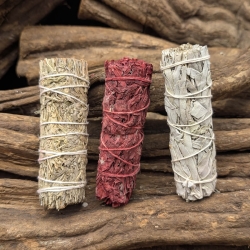
Variety in one bundle? The Sage Mix (white sage + blue sage + Dragon's Blood) combines three scents in a single stick.
Less smoke, shorter sessions? The 7 Chakra Smudge Bombs are shorter and more targeted.
Want to try several varieties at once? The Set of 5 Smudge Sticks combines five different herbs and sacred woods, enough for months of rituals.
Why Next Level Smart?
Our approach
- Over 10 years of experience in ethnobotanical products and ritual tools
- Ethical sourcing: palo santo only from fallen branches of deceased trees (Peruvian-regulated), sage from controlled sources
- Wide smudge selection: from white and blue sage to copal, myrrh, palo santo, and 40+ incense varieties from Sagrada Madre
- Discreet shipping across the Netherlands and Europe
Frequently asked questions about smudging
What is smudging exactly?
Smudging is the burning of dried herbs, resins, or sacred woods to create smoke for energetic cleansing, most commonly with white sage or palo santo. The practice comes from Indigenous North American and South American traditions and is now used worldwide for space clearing or personal ritual.
Is smudging the same as burning incense?
No. Smudging specifically uses dried herb bundles (usually sage) from the Americas. Burning incense is broader and includes sticks, cones, resins, and powders from traditions worldwide. All smudging is incense-like; not all incense is smudging.
How often can I smudge?
As often as feels right. Some people smudge daily with a quick palo santo session, others only at key moments (a move, a season change, after conflict). More is not always better: an intentional three-minute ritual does more than daily half-absent smoke-waving.
Is white sage still ethical to use?
Yes, if the source checks out. White sage in California is under overharvesting pressure, but ethically harvested and cultivated bundles are widely available. Our
white sage collection works only with controlled suppliers.
Do I need to open windows while smudging?
Yes, always. Without ventilation the smoke has nowhere to go and lingers, physically and energetically. An open window is not optional; it is a baseline for a functional ritual.
How long does a smudge session take?
For one room: 3 to 10 minutes. For a whole house: 20 to 30 minutes. Longer is rarely needed. Quality comes from attention, not duration.
Can smudging harm pets?
Birds are extremely sensitive to smoke and should never be in the room during smudging; in many cases it is fatal. Dogs and cats with asthma or allergies can react too. Move pets out of the room and ventilate well. When in doubt, check with your vet.
What is the difference between palo santo and white sage?
White sage cleanses deeply and has a herbal, camphor-like smoke. Palo santo invites positive energy and smells sweet-woody with citrus notes. Many users combine the two: white sage first to cleanse, then palo santo to welcome good energy.
Which smudge stick is best for beginners?
Can I make my own smudge stick?
Yes, and it is simpler than it looks. Rosemary, lavender, thyme, garden sage: any sturdy herb that dries well works. Bundle fresh stems tightly with cotton string, hang upside down in a dark space, and let it dry for 2 to 4 weeks. Homemade bundles carry a special personal charge.
Last update: April 2026 | Next Level Smart Shop