Blog navigation

Latest posts

Party Pills Comparison: Happy Caps vs DNX Pills

Twenty party pills in the shop and no idea which to pick? This comparison puts Happy Caps, DNX and the new Party-E...

Read More
Liquid Spore Cultures vs Spore Prints: Which Should You Choose?

Liquid spore cultures and spore prints are the two main ways to start a mushroom cultivation project. This guide...

Read More
Incense Guide: Which Type of Incense Is Right for You?

With over 60 types of incense in our collection, choosing the right one takes a bit of knowledge. This guide compares...

Read More
Kuripe vs Tepi: Which Rapé Applicator Suits You?

Kuripe or tepi? These are the two tools used to administer rapé, and choosing between them changes the experience...

Read More

The Ultimate Raw Cacao Guide: Effects, Origins & Ceremonial Use


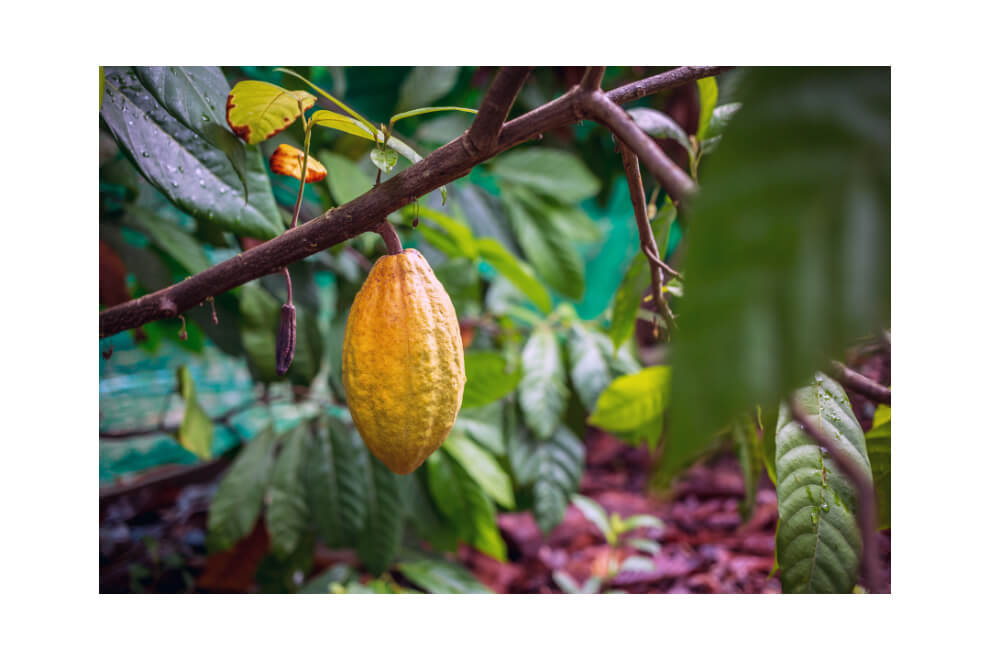
Cacao pod growing in the jungle
Do you know that wonderful feeling raw cacao brings? The warmth flowing through your body. The rich, intense flavor. The gentle energy that clarifies your mind. The subtle opening of your heart.

For thousands of years, people have shared this experience. From ancient Mesoamerican civilizations to modern ceremonies - cacao brings us together, opens hearts, and connects us with our deeper wisdom. Now, as more people seek authenticity and natural ways of healing, they're discovering the power of pure, raw cacao.

In this guide, we'll explore everything about raw cacao: from the pure experience and various effects to the best ways of using cacao. We'll take you into the world of unique cacao varieties from Peru, Ecuador, and Bolivia, each with its own distinct character and properties.

A Journey Through Cacao History

The history of cacao dates back to the ancient Maya and Aztec civilizations, who considered cacao a gift from the gods. They named the cacao tree 'Theobroma Cacao' - food of the gods. In their cultures, cacao wasn't just a food source but also a sacred medicine and even a form of currency.

Traditional cacao preparation was vastly different from what we know as chocolate today. Pure, unsweetened cacao was consumed during important ceremonies and rituals. This ancient wisdom about the power of pure cacao is now being rediscovered and applied in new ways.
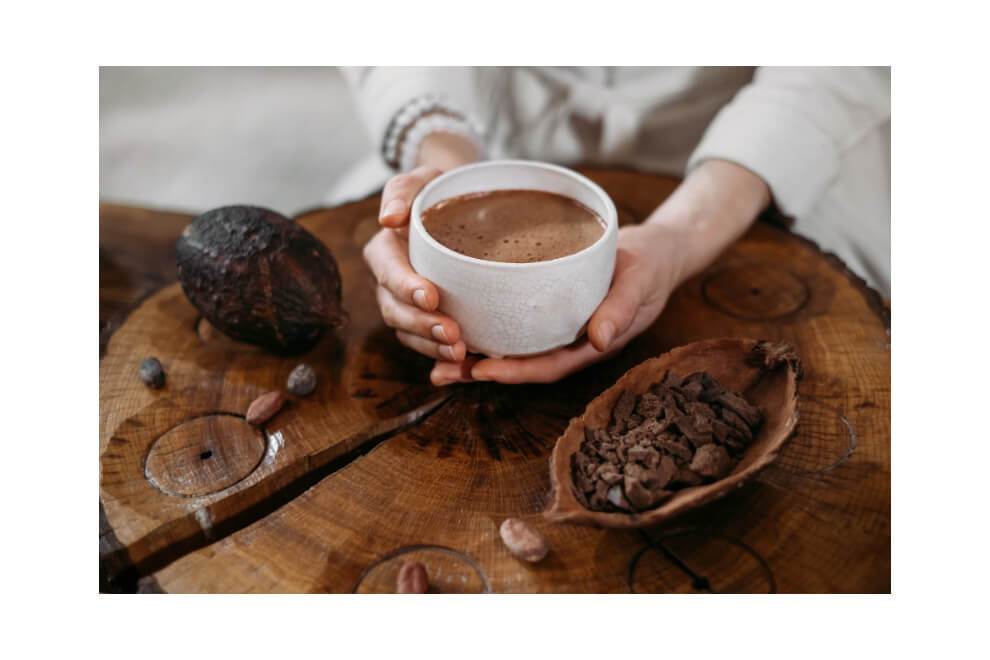
Personal raw cacao ceremony

The Versatile Effects of Raw Cacao

Raw cacao is used in various ways. While some choose the depth of ceremonies, others enjoy cacao simply for natural energy, focus, and well-being. Raw cacao is truly versatile!

The Science Behind Cacao

The cacao bean contains a remarkable combination of natural compounds that work together synergistically. Theobromine, the active component related to caffeine, provides gentle energy without the typical coffee peaks and crashes. You stay clear and focused, without feeling jittery.

Anandamide, known as the 'bliss molecule', occurs naturally in cacao. This compound binds to the same receptors in our brains as THC, but in a much gentler way. The result? A subtle feeling of well-being and relaxation. Combined with PEA (phenethylamine), known as the 'love molecule', this creates the characteristic heart-opening effect that's so typical of pure cacao.

Pure raw cacao is also rich in antioxidants - more than red wine or green tea. These flavonoids support not only physical health but also help maintain mental clarity. Read more here about how cacao makes you feel.
Nutritional Values and Minerals

Raw cacao is a true treasure trove of nutrients. It contains high concentrations of magnesium, essential for muscle relaxation and mental calmness. Iron and zinc support your immune system, while manganese and copper contribute to a healthy nervous system.

A unique aspect of raw cacao is the presence of tryptophan, an amino acid that converts to serotonin in the body. This partly explains its positive effect on mood and emotional well-being.

Physical Experience

The first thing you notice when drinking pure cacao is a pleasant warmth spreading through your body. Your heart rate slightly increases and your blood vessels dilate - effects that contribute to enhanced focus and alertness. These physical sensations form the foundation for both ceremonial use and daily applications.

The active compounds in cacao also stimulate the natural production of endorphins, contributing to a sense of well-being and helping reduce stress. This makes cacao suitable not only for ceremonies but also for use during yoga, meditation, or other mindfulness activities.

Emotional Depth

The emotional effects of cacao are subtle yet powerful. Many users describe a gentle heart opening, making emotions more accessible without becoming overwhelming. This makes cacao particularly suitable for self-reflection, creative sessions, or meaningful conversations.
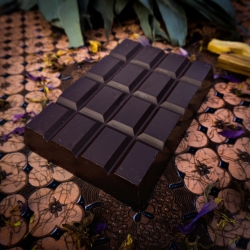
Mental Clarity

Pure cacao brings a unique combination of relaxation and focus. Your thoughts become clearer, creativity flows more freely. It becomes easier to stay centered while remaining open to new insights. Many people experience enhanced concentration during work or study, without the nervous energy that coffee might bring.
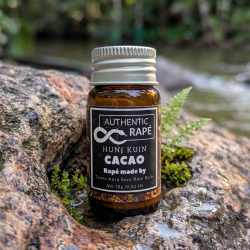
Combining Cacao with Other Superfoods

Cacao forms a powerful base that can be enhanced with other natural ingredients. Some favorite combinations:

  • Maca - enhances energetic effects and adds minerals
  • Chaga - boosts immune system
  • Reishi - supports relaxation and peace
  • Cinnamon - improves nutrient absorption
  • Cayenne pepper - stimulates circulation

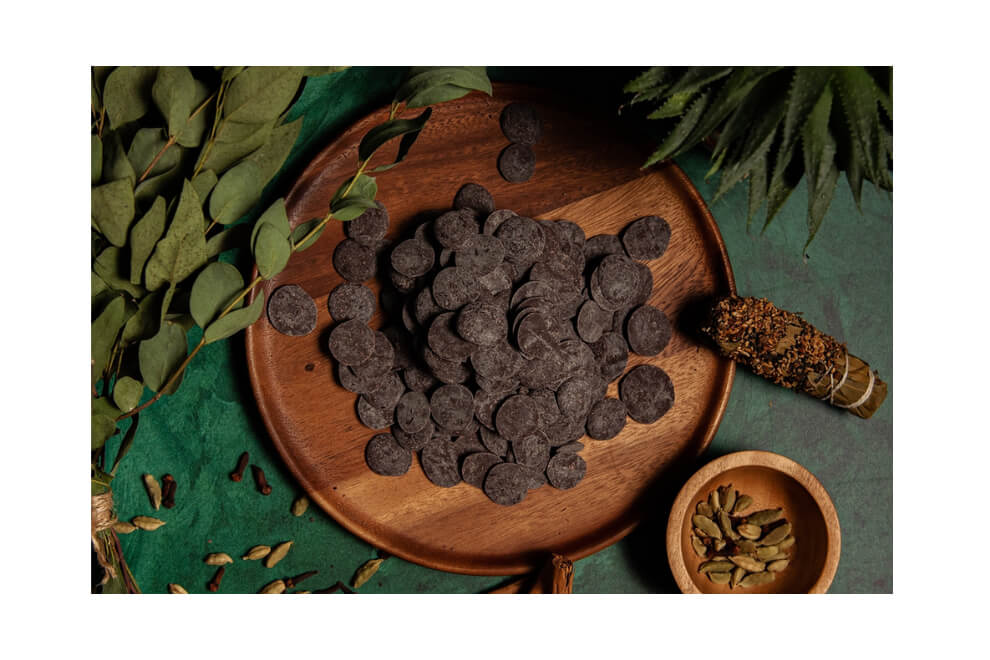
Raw cacao drops

Unique Cacao Varieties and Their Character

Peru - Criollo Cacao

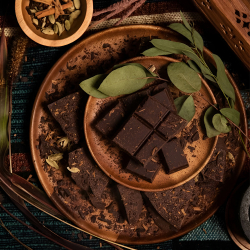
The rare Criollo from the Amazon is known as the 'king of cacao'. This variety has a refined, floral aroma with fruity notes. Our Peruvian cacao paste is cold-processed to preserve all beneficial properties. Criollo is often appreciated for its subtle effects and is particularly suitable for ceremonies where refinement and sensitivity are central.

Ecuador - Arriba Nacional

Arriba Nacional cacao offers a complex flavor profile with hints of jasmine and dark fruit. This authentic variety grows in the shade of the Andes mountains. The name 'Arriba' comes from the upstream region where this cacao is traditionally grown. Experience the unique taste of this Ecuadorian cacao yourself. For convenience, we also offer Arriba Nacional cacao drops.

Bolivia - Beniano

Wild Beniano cacao from Bolivia is characterized by deep, earthy tones with subtle nutty notes. These beans still grow in their natural habitat and are carefully harvested by local cooperatives. Discover the pure power of Bolivian cacao here. Also available in easy-to-dose Beniano drops.

Recipes and Preparation Methods

There are many ways to enjoy raw cacao. Here are some basic recipes:

Traditional Ceremonial Drink

For 1 person:

- 30-42 grams raw cacao paste
- 200 ml warm water (not boiling)
- Optional: honey or agave to taste
- Cayenne pepper, cinnamon, vanilla, cardamom, or other suitable spices to taste

Melt the cacao in hot (but not boiling) water along with the other ingredients and stir well.

Note: to keep the cacao truly raw, ensure the water temperature doesn't exceed 42°C (108°F). For a warmer drink, you can use higher temperatures according to preference.

Daily Cacao Boost

- 2 tablespoons raw cacao powder
- 250ml milk (dairy or plant-based)
- 1 teaspoon coconut oil
- Pinch of cinnamon
- Optional: honey, agave, or stevia

Warm the milk (don't boil), add ingredients, and mix well.

Quick Energy Drink

- 1-2 scoops Easy Instant Mix
- Optional: honey, agave, or stevia
- 200ml hot (not boiling) water or (plant-based) milk

Simply mix and enjoy!
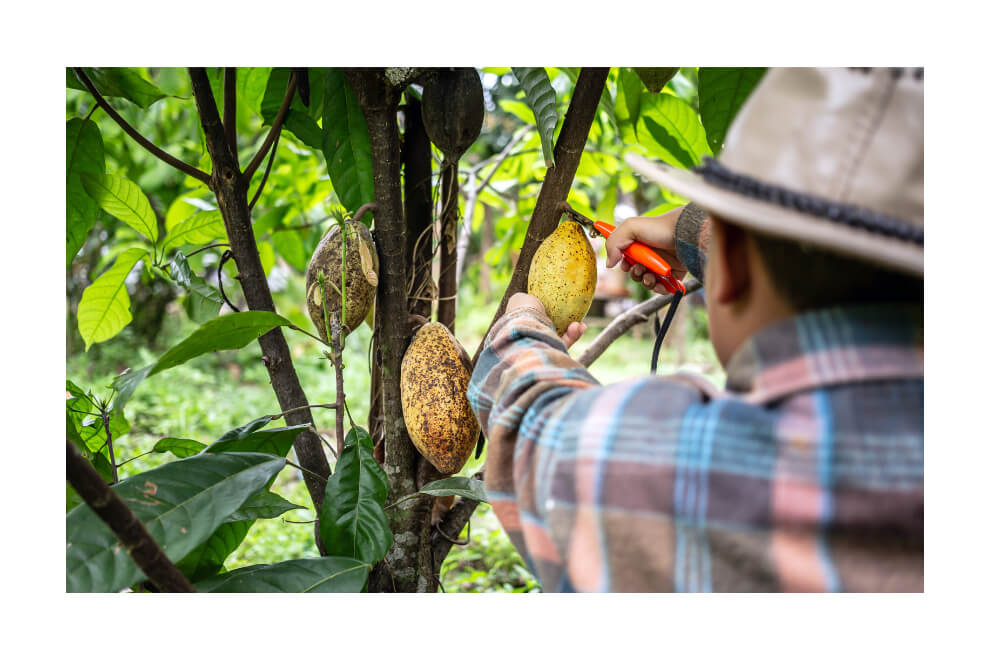
Harvesting cacao in the jungle

From Bean to Cup: The Production Process

The quality of ceremonial cacao starts with cultivation. Our cacao beans are sustainably grown, hand-picked at the perfect moment, and fermented using traditional methods. This process is essential for developing complex flavors and preserving active compounds.

Unlike conventional cacao, ceremonial cacao is cold-processed. This means the temperature remains below 42°C (108°F) throughout the entire process, preserving all natural properties. The beans are carefully ground into a soft paste or further processed into a fine powder, without any additives.

Cacao in Your Life

Ceremonial Use

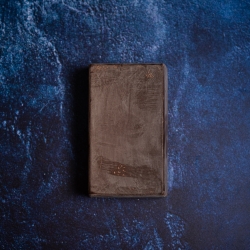
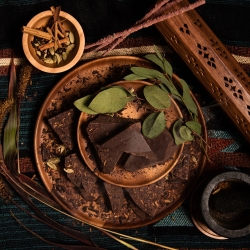
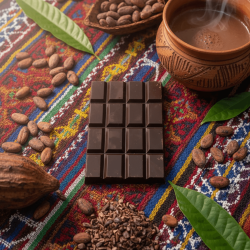
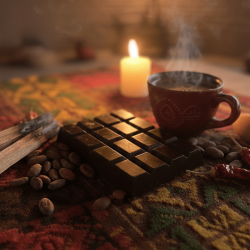
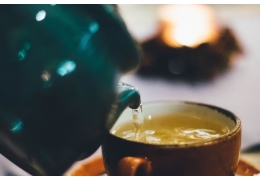
Traditionally, pure cacao paste is used for ceremonies. This step-by-step guide shows you how to organize your own ceremony.

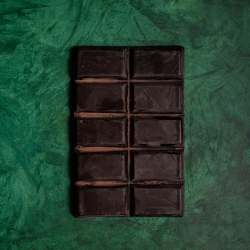
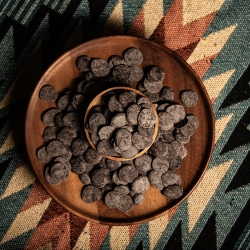
Our cacao drops offer a more practical form of the paste - they maintain the same quality as the blocks but are more convenient to use. They melt easily, no need for a knife (or hammer ;), and are perfect for precise portioning.
Daily Enjoyment

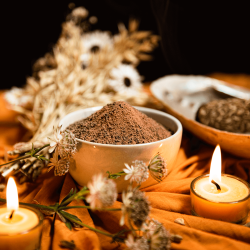
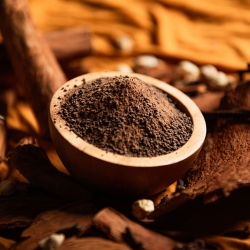
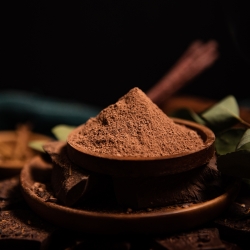
For daily use, our pure cacao powder is a convenient choice. It contains even more antioxidants than the paste and has a lower fat content. Perfect for a nourishing hot drink or in smoothies.

And for ultimate convenience, we also offer the Easy Instant Mix - a brilliant combination of cacao and perfectly matched spices. The mix dissolves easily and is perfect for a quick, delicious raw cacao drink.

Concentrated Cacao Extract

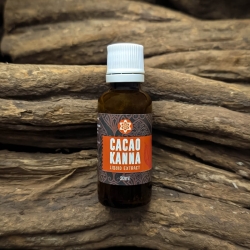
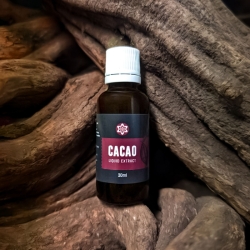
Enthusiasts of intense cacao experiences appreciate our highly concentrated extracts. Our pure cacao extract offers potent effects with a surprisingly pleasant taste. For an extra special experience, there's the cacao-kanna extract, where the effects of cacao and kanna synergize beautifully.

The Value of Quality

With ceremonial cacao, you're investing in craftsmanship and care at every stage of the process. The manual harvest, traditional fermentation, and cold processing require time and expertise. Direct trade with farmer cooperatives ensures fair prices - translating into better working conditions and sustainable agriculture.

These investments in quality are evident in our final products. The more complex flavor, stronger effects, and pure energy make the difference notably apparent compared to regular cacao products.

Storage and Preparation

To preserve your cacao's potency:

  • Store in a cool, dry place
  • Avoid direct sunlight
  • Use airtight containers
  • Paste and drops keep for about a year
  • Powder has a longer shelf life

Frequently Asked Questions

What dosage is right for me?
Start with a small amount (15-20 grams) and observe how your body responds. Daily use often requires less, while ceremonies traditionally use more (42 grams).

Can I combine cacao with other herbs?
Yes, cacao pairs well with herbs like damiana, tonka bean, or cinnamon. Start experimenting gradually.

What's the difference between ceremonial and regular cacao?
Ceremonial cacao is cold-processed, comes from specific varieties, and is grown without pesticides or synthetic fertilizers. This ensures all valuable properties are preserved.

Quality and Availability

At Next Level Smart, we choose the purest ceremonial cacao. All our products are cold-processed, grown without pesticides or synthetic fertilizers, and carefully selected. We source all our cacao through cooperatives that work directly with local farmers, ensuring fair trade and optimal quality.

We're likely expanding our range soon with even more special cacao varieties. We're in negotiations with suppliers of raw cacao from Haiti and Bali. These new origins will further enrich our selection with their unique characteristics.

Discover more about our various cacao products here and find what best suits your needs.

Stay Updated

Subscribe to our newsletter or follow us on Instagram for updates about new products, interesting articles, and special offers - like our annual December cacao month with attractive discounts. Stay tuned!

 
Lex Johnson is a self-taught herbalist, language freak, musician and one of the writers behind the Next Level blog. His curiosity runs wide — from the differences between Criollo and Trinitario cacao to the latest psilocybin research. That same curiosity shows in the range of his writing. Lex covers everything from ceremonial cacao and kanna to magic mushrooms, salvia divinorum, kambo, party pills, healing herbs and product deep dives. In addition to a journalism foundation certificate, he holds a Bachelor of Fine Arts.
Loading...