Blog navigation

Latest posts

Party Pills Comparison: Happy Caps vs DNX Pills

Twenty party pills in the shop and no idea which to pick? This comparison puts Happy Caps, DNX and the new Party-E...

Read More
Liquid Spore Cultures vs Spore Prints: Which Should You Choose?

Liquid spore cultures and spore prints are the two main ways to start a mushroom cultivation project. This guide...

Read More
Incense Guide: Which Type of Incense Is Right for You?

With over 60 types of incense in our collection, choosing the right one takes a bit of knowledge. This guide compares...

Read More
Kuripe vs Tepi: Which Rapé Applicator Suits You?

Kuripe or tepi? These are the two tools used to administer rapé, and choosing between them changes the experience...

Read More

How is Raw Cacao Made? – 6 Step Process


How is Raw Cacao Powder Made?


Ever wondered what it actually takes to produce raw cacao? If chocolate’s your thing, you’ll want to read on. We share everything from the growth of the cacao bean to the finished product ready to be enjoyed and indulged in! There are many steps involved, and we go over them all.


1. It All Starts With a Cacao Tree

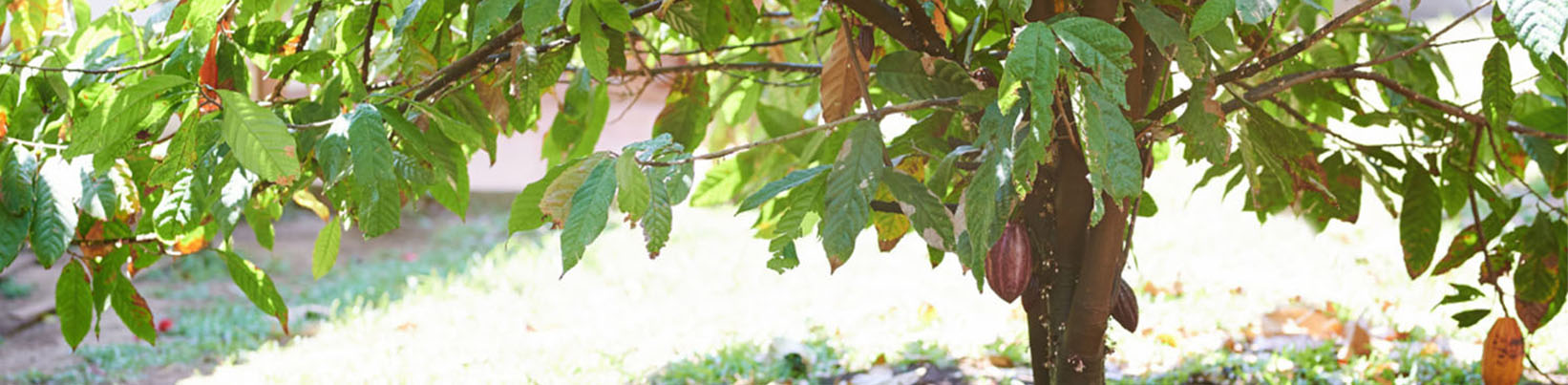
If chocolate growing on trees sounds unbelievable to many, matter of fact, it’s true. The cacao tree (also called Theobroma Cacao) is grown in tropical climates across the globe. These trees produce cacao pods that grow on the branches and trunk of the tree. Interestingly, the pods don’t all ripen simultaneously. They also grow in different colors and shapes, depending on the variety of the plant. To harvest these pods at the correct time, a certain level of expertise is needed. It’s important to remove the pods without damaging the tree’s flowers, so a machete is often used for the harvest, leaving flowers to blossom and eventually turn into new cacao pods.


2. Opening the Cacao Pods

how is raw cacao made


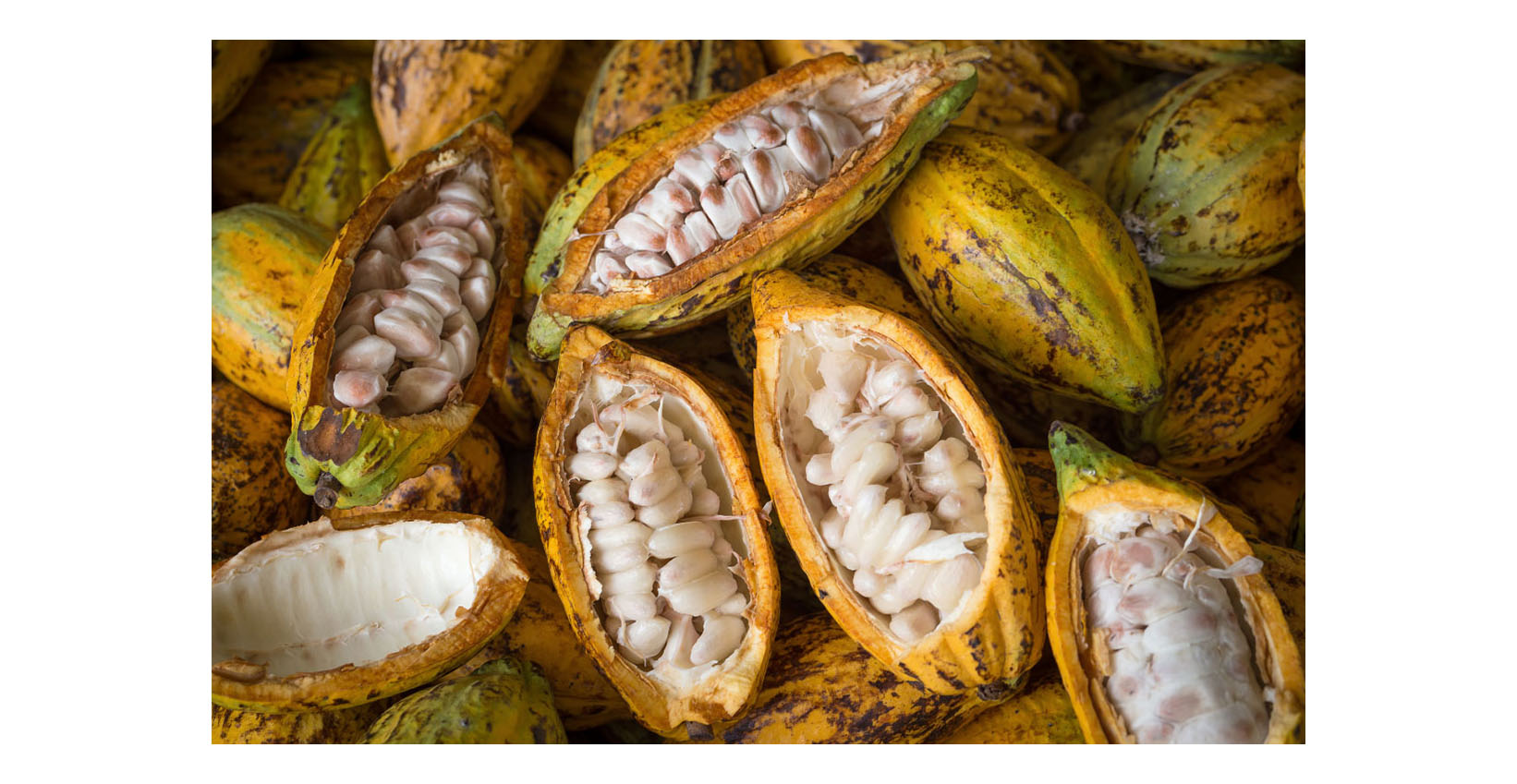
There are two ways to open a cacao pod – either to carefully cut it open by hand and preserve the pods, or to crack them open using a machete, a hammer, a wooden muddler, or any tool hard and heavy enough to get the job done. Once the pods are open, you will discover cacao beans covered in white cacao pulp – something that is also edible, and can be made into a smoothie, or otherwise discarded. It may be tempting to bite into the cacao beans to experience a delicious chocolate taste, however, this experience will likely turn out to be surprisingly bitter and rather unpleasant. The beans must be fermented and roasted first!


3. Time to Ferment: Cacao Fermentation Process

cacao fermentation process


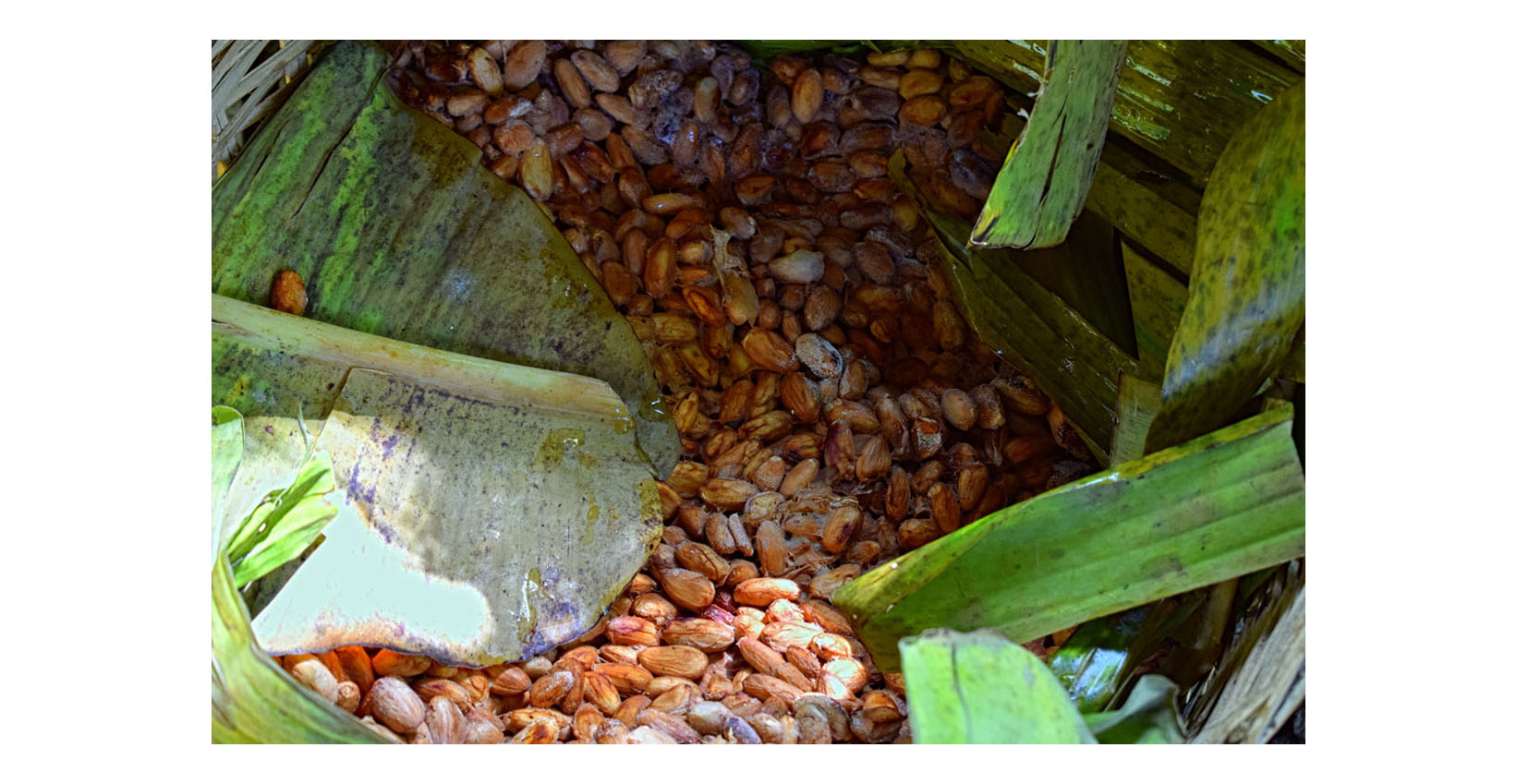
Cacao fermentation is an important process of producing yummy-tasting chocolate, and can take up to a few days, depending on which method is chosen. Once the beans are exposed to oxygen, the cacao fermentation process can begin. The traditional way to ferment cacao beans is by placing them within a structure of banana leaves in a warm place and allowing the beans to naturally start increasing their temperature to around 40-50ºC, checking them every day, mixing, and turning them around. Following this step, the beans can be placed in direct sunlight or a dehydrator to allow them to dry.


4. Roasting Cacao Beans

It’s now time for a good roast! Roasting the Cacao beans serves many important purposes in producing the best quality chocolate – roasting helps to develop a rich and bountiful flavour, kills any bacteria on the beans, gets rid of the remaining liquid content, and very importantly, separates the outer shell from the inner bean which contains cacao nibs. Roasting Cacao beans can be as simple as placing them in an oven for 15-20 minutes for a light roast. If you ever want to give making raw cacao at home a go, don’t be surprised about hearing popping sounds – this is the air pockets escaping the beans, and it is perfectly normal thing to happen! Almost there!


5. Let’s Crack the Cacao Beans


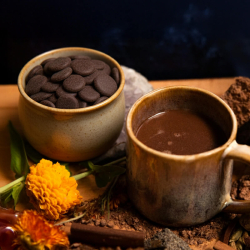
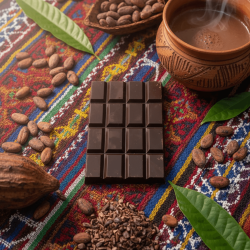
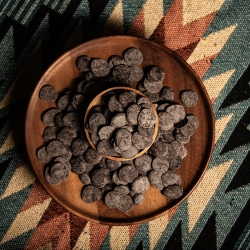
Once the Cacao beans are done roasting, the outer shell should come off fairly easily. Simply pressing on the beans between your fingers will be enough to loosen it up and reveal a multitude of beautifully dark cacao nibs. This is the part where we have gotten to the edible part! Cacao nibs can be consumed as they are or grinded or processed further to be made into a raw cacao paste or powder.


6. The Final Product

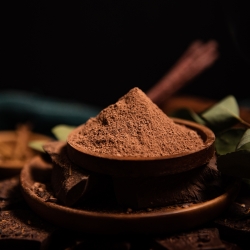
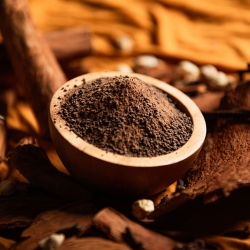
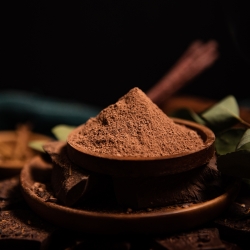
To go from cacao nibs to a powder or paste, it will need some further processing. If you simply grind the beans, they will end up looking somewhat similar to a cacao powder. Once you grind some more, they will start to turn become more wet and eventually turn into a paste-like substance. At this point, it is possible to play around with adding more cacao butter to the mix to create a smoother appearance, and slowly start adding powdered sugar to create a sweeter taste.

And voilà! We have gone through all the steps necessary find out how is raw cacao made!


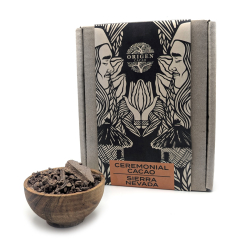
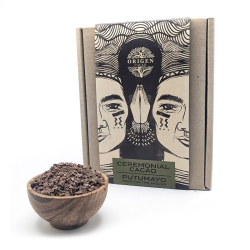
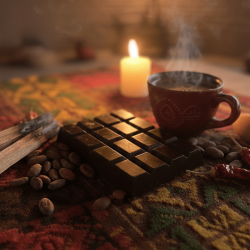
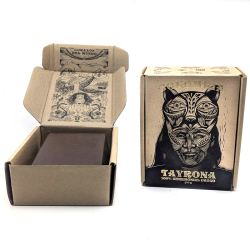
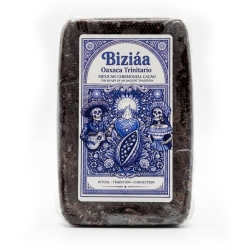
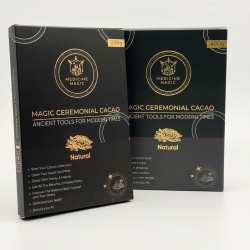
If you ever wanted to indulge in pure, cold-processed raw cacao, we have some up here for a treat! Our raw cacao selection includes both raw cacao powder as well as raw cacao paste. These are ideal for raw cacao ceremonies, chocolate making, and drinking cacao while ensuring all vital nutrients and components are well-preserved. To learn more about the difference between Cacao and cocoa, we have written an article explaining why the store-bought cacao won’t nourish you the same way our raw cacao will! Read more here.
 
Posted in: All posts
Loading...