Blog navigation

Latest posts

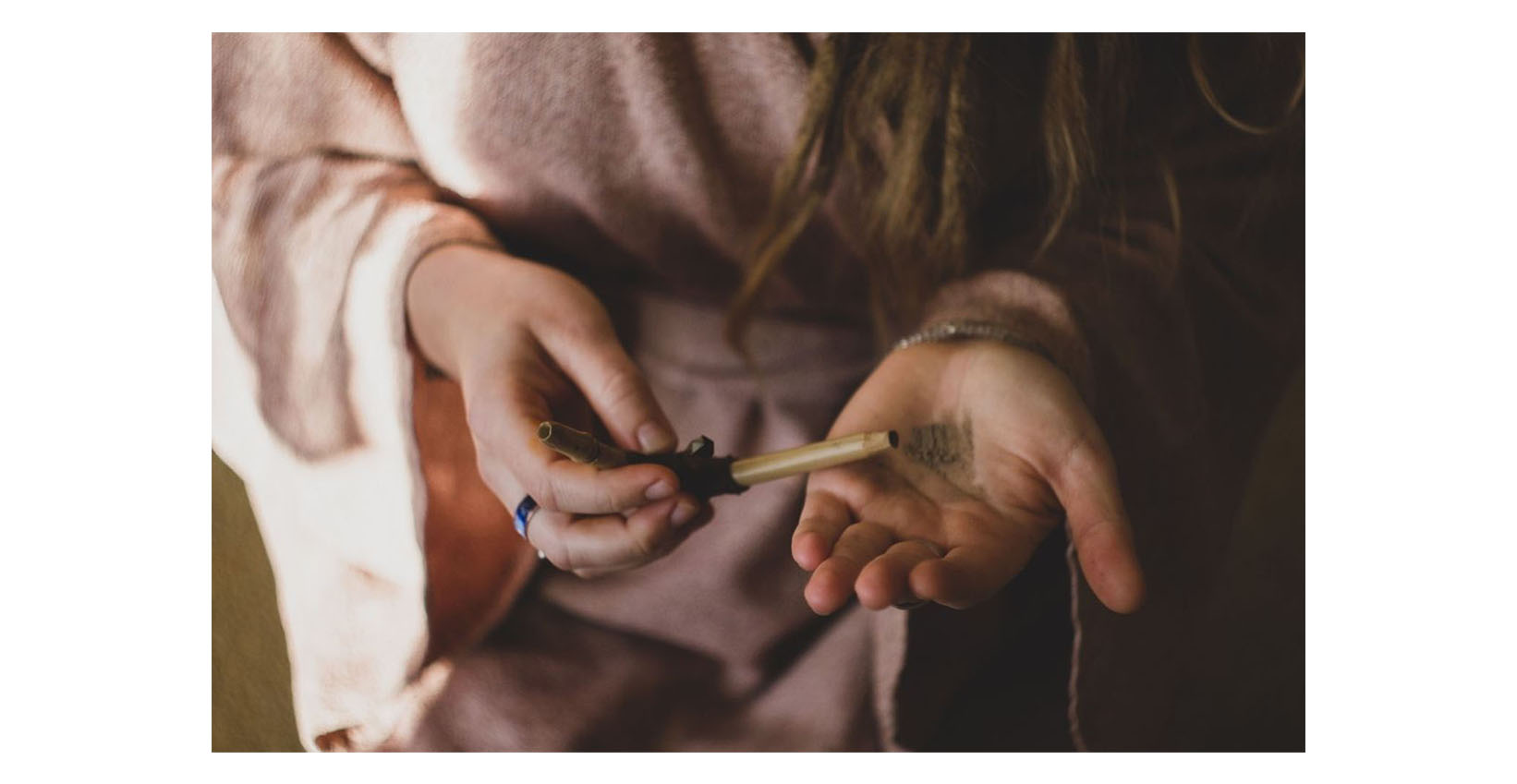
Which Kanna Suits You? Forms, Strengths and Moments

Ground herb, concentrated extract, full-spectrum powder, drops or gummies: kanna comes in many forms, and each one...

Read More
When a Trip Gets Too Intense: Staying Calm and Riding It Out

A trip can sometimes take you a little deeper than you expected. That is almost never cause for worry, and it always...
Read More
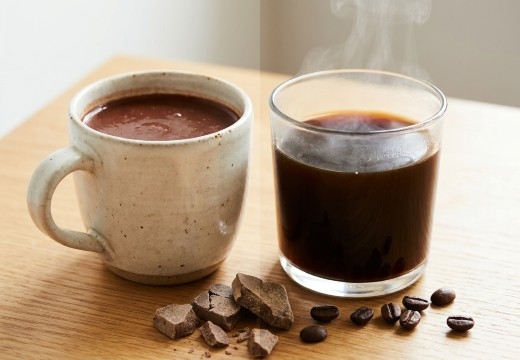
Cacao vs Coffee: Theobromine vs Caffeine

Coffee and cacao both give you energy, but the experience is completely different. It comes down to a single...
Read More
Magic Truffles by Strength: From Gentle to Strongest

Not every magic truffle is equally strong: there is a world of difference between a gentle Mexicana and a hefty High...

Read More

The Tribal Stories Behind Our Rapé


Last updated: June 2026
This article is regularly reviewed with respect for the living cultures of the Amazon.

Have you ever wondered where your rapé comes from, who makes it and what the story behind it is? Each tribe that makes rapé has its own history and its own stories. And although there are differences, these tribes share much: similar values and ways of understanding life. By learning something about the people of the rainforest, you may be inspired to bring a part of their wisdom into your daily life.

Tribes of the Amazon Forest

Imagine taking a break from modern life and disappearing into the jungle, learning about different tribes, their culture, rituals and way of life. Their understanding of the world is very different from the Western one, as is their wisdom and their enchanting practices. Whether you agree with their way of living or not, one thing is clear: the tribes of the Amazon live in harmony with nature. Let us take a deeper dive into their teachings, history and traditions.

What the Amazon Tribes Stand For

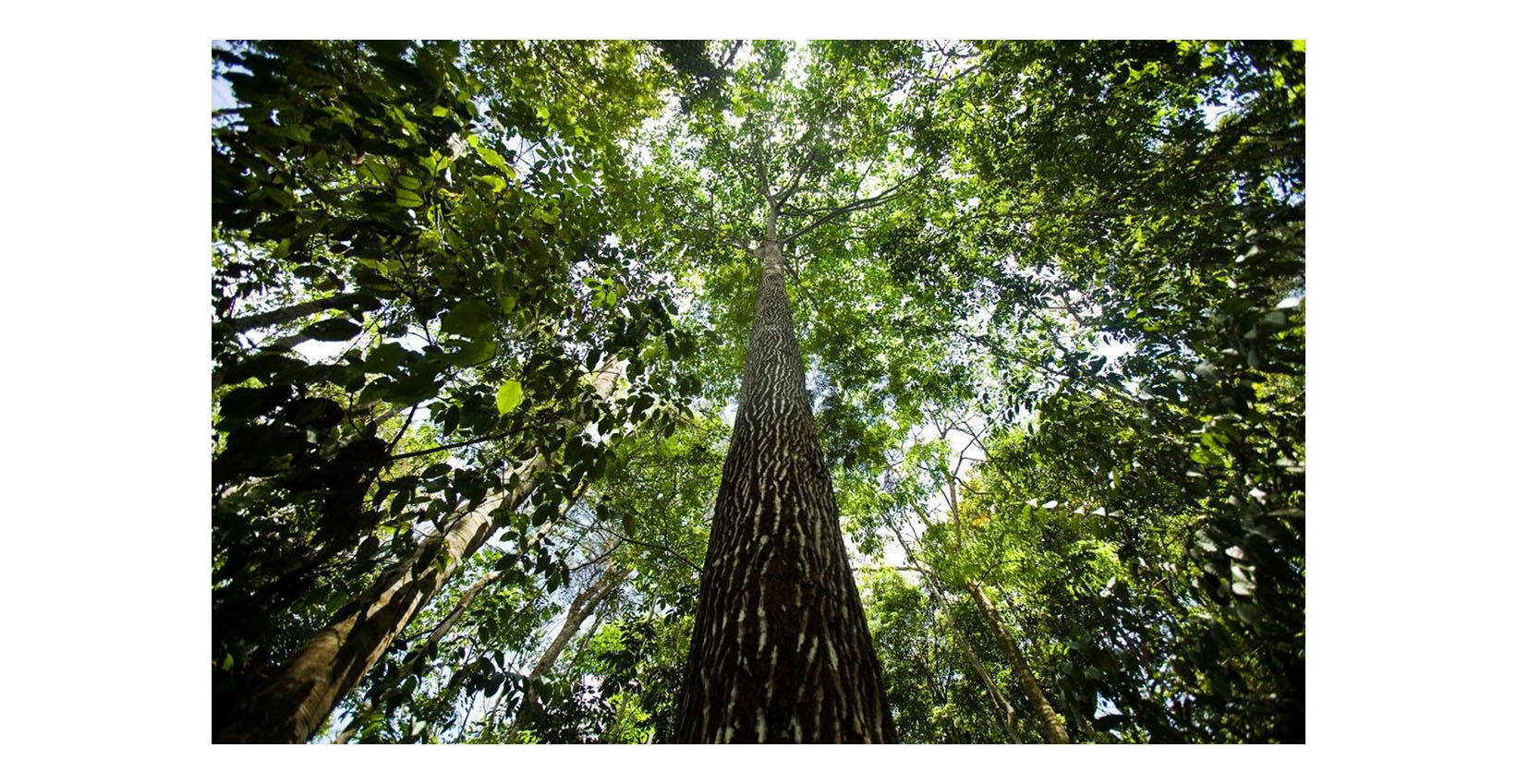
Tribes of the Amazon

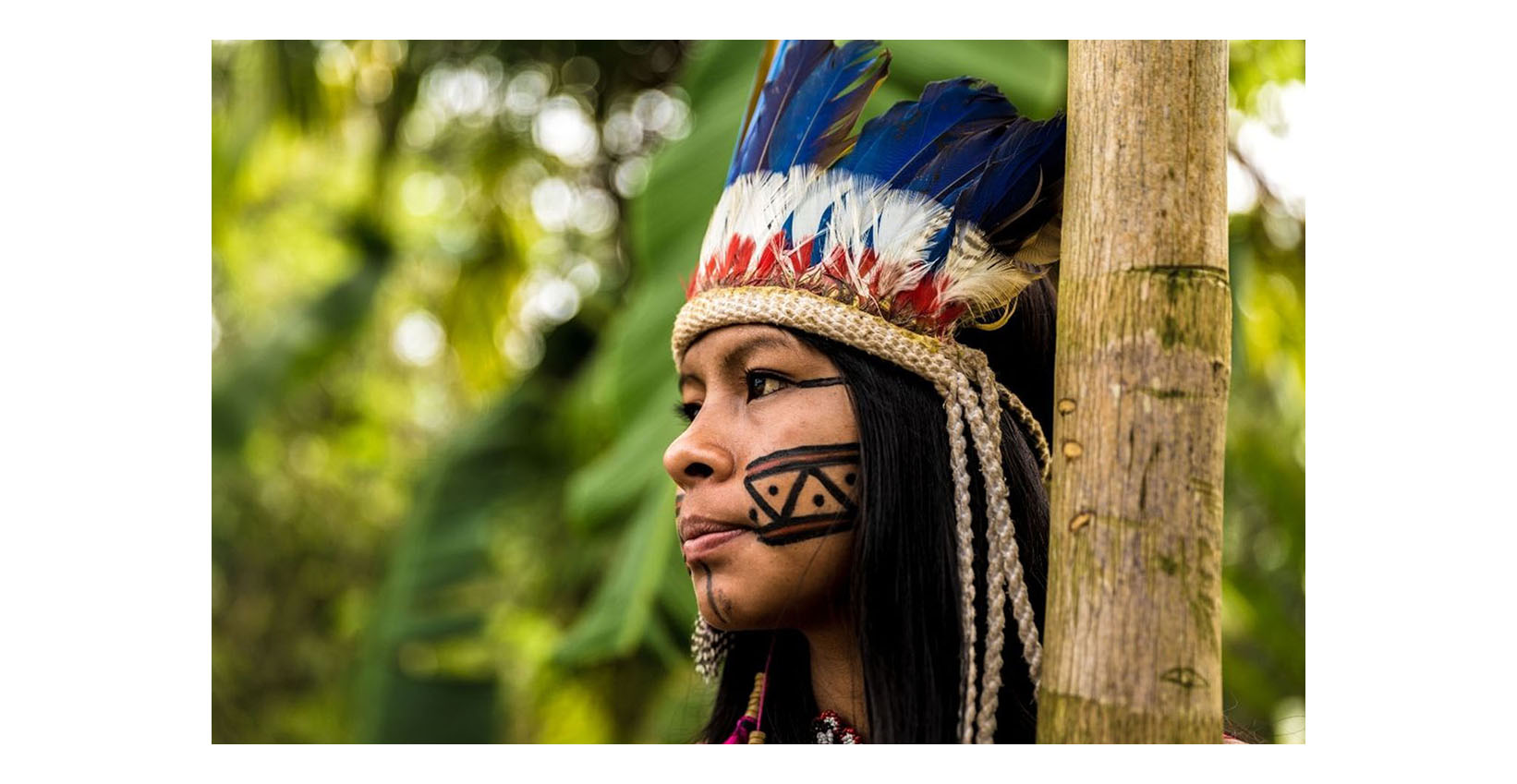
Whether it is the Apurina, Huni Kuin, Kuntanawa, Nukini, Puyanawa, Shawandawa or Yawanawa, the indigenous people of the rainforest share certain values. All these tribes have learned to live in harmony with the forest, its plants and animals, the air, the water and the ground, for hundreds of years. If we can learn one thing from them, it is that everything in this world is connected. They believe that an action caused by humans in one place creates an effect in another. Their message is always the same: "Nature does not need us. We need nature. We are part of it and must protect it. Without us, it will flourish. But without it, we will die." It seems a simple truth, but these tribes truly live by it. For everything in nature, whether hunting, harvesting or taking water, they first ask permission. The great Amazon forest is their home, but also the lungs of our planet, and therefore important to all of humanity. Each tribe fights hard to preserve the forest while it is torn down faster than it can be renewed. Their territories are often unrecognised, leaving little protection. Only together with other communities and the outside world can they fight for their rights and for the forest. It is a long, ongoing battle, but they do not give up.

The History of the Amazon Tribes

History of the Amazon tribes

After the first contact with the outside world in the 18th and 19th centuries, many tribes suffered severe hardship. Diseases they had never encountered spread through their villages, killing hundreds. Those who survived were often forced to work as slaves in the rubber harvest, which largely took place between 1879 and 1912. Thousands of indigenous men, women and children died during this work or were murdered. This traumatic chapter brought many tribes close to extinction, and during slavery they were forbidden to express their culture. When slavery ended, some tribes such as the Puyanawa could barely revive, as almost no memory of their traditions and language remained. With great effort they have since worked to restore their heritage: by practising old traditions again and coming together as tribes, they regain their culture, identity and sense of belonging.

The Amazon Tribes and Their Sacred Plants

A vital part of Amazon tribal culture is their sacred plants, such as ayahuasca, rapé and many others. Practising rituals and ceremonies is an important part of their cultural reconnection. Prayers, healing ceremonies and 'dietas' with certain plants characterise their way of life. When that was taken from them, their culture and ancient knowledge nearly disappeared. Many tribes then came together to learn from each other and revive their knowledge of sacred plants.

Ayahuasca

Ayahuasca, a sacred plant from the Amazon

The visionary brew ayahuasca is, in the tradition, taken to soothe physical and mental unrest, gain self-awareness and explore spiritual aspects of existence. Ayahuasca ceremonies are led by experienced shamans recognised within their tribe. A shaman or 'curandero' boils the leaves of P. viridis and crushed stems of B. caapi in water into a strong decoction, which cools and is strained. The ceremonies usually take place at night and the effects can last up to about six hours. Ayahuasca is seen as an important plant teacher that delivers messages important not only to the individual but to the whole community. Read also about the sacred plants of the Amazon.

Rapé

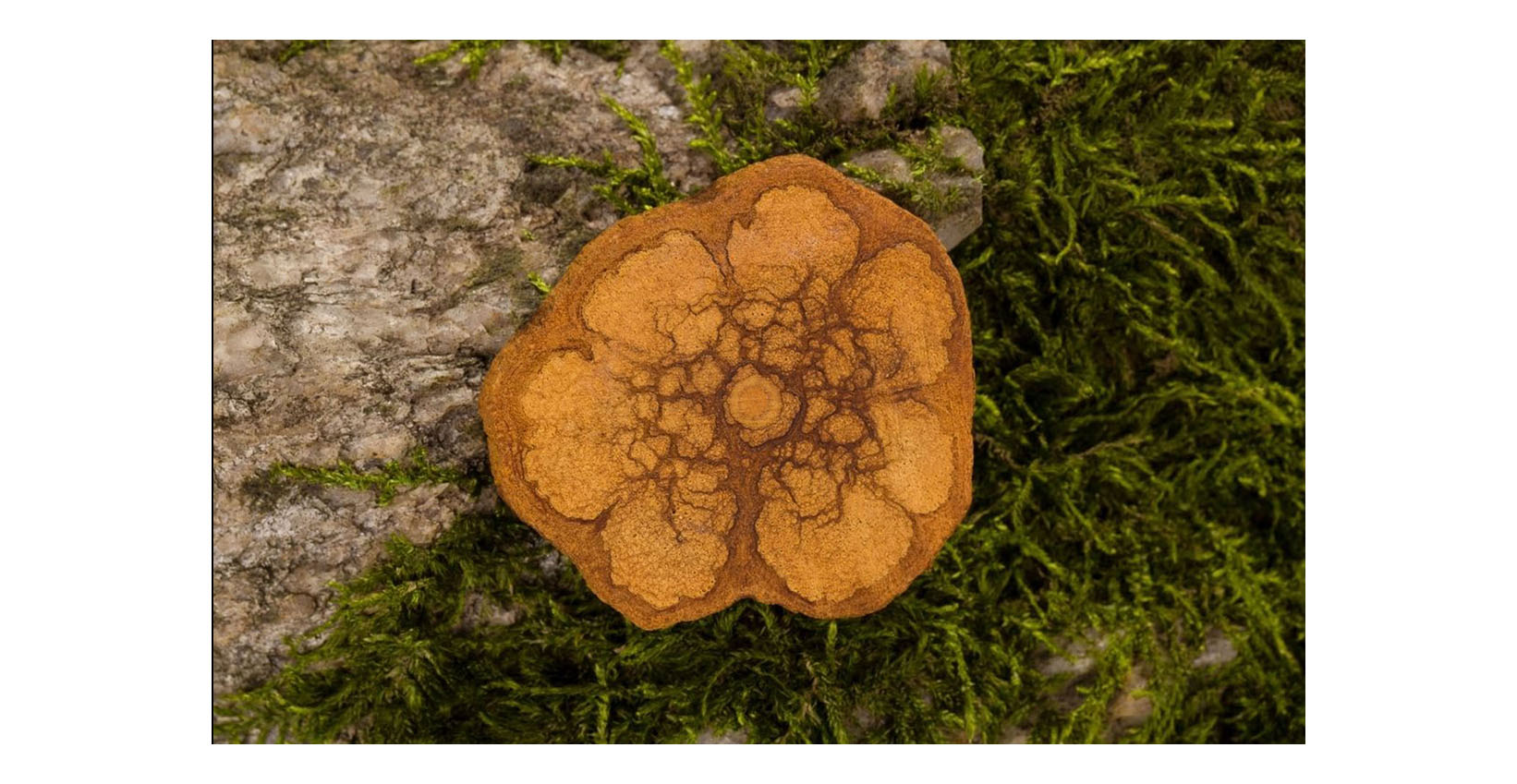
Rapé, a sacred plant blend of the Amazon tribes

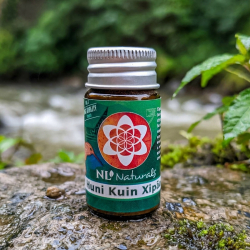
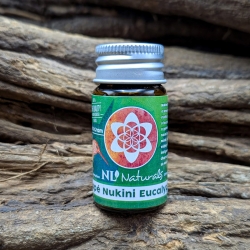
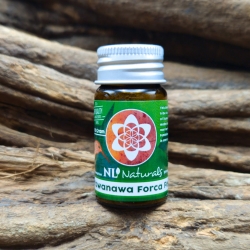
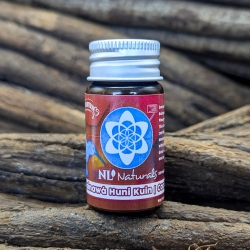
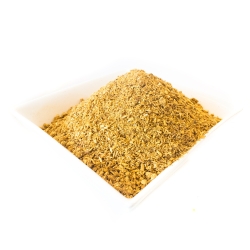
The sacred shamanic plant ally known as rapé, pronounced ha-peh, has been used by indigenous cultures of the Amazon for ritual, healing and spiritual purposes for thousands of years. Rapé is one of many sacred plants from the Amazon used to release physical, mental and emotional blockages and gain insight. It can give energy and support clarity and focus. Because countless plants can be blended into rapé, there are many recipes, often kept secret by the tribes. Today the tribes still use rapé in all aspects of life: at initiations, festivals, social gatherings, healing ceremonies, for hunting or to connect with nature.

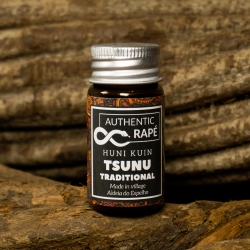
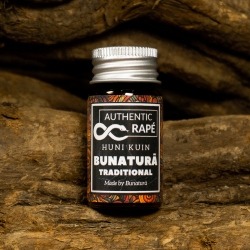
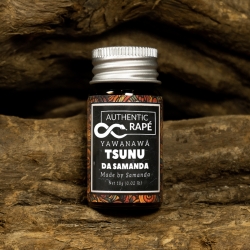
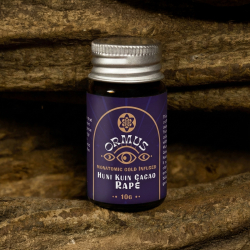
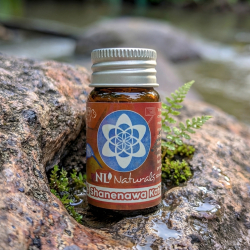
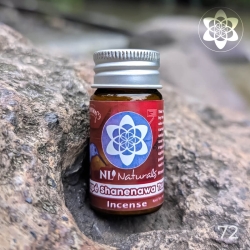
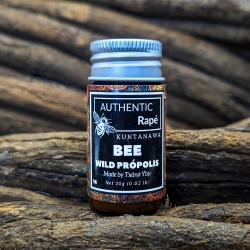
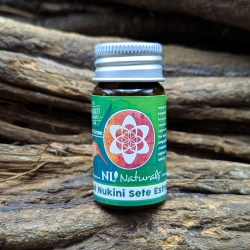
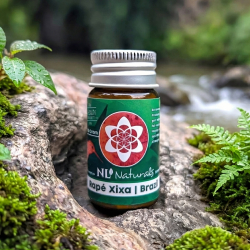
To learn from the indigenous people, we have built direct relationships with members of the Apurina, Huni Kuin, Kuntanawa, Nukini, Puyanawa, Shawandawa and Yawanawa. We consider it an honour to offer their sacred rapé worldwide. We have a wide selection of blends from various tribes. Where ayahuasca requires going to the jungle, rapé can be experienced anywhere, including at home. Explore our selection of tribe rapé.

People who come into contact with rapé and the stories of the tribes often describe a greater sense of connection to nature. A frequently heard experience is that it is precisely the context, the story and the tradition that deepen the experience.

Frequently Asked Questions About the Amazon Tribes and Rapé

Which tribes make rapé?

Among others the Apurina, Huni Kuin, Kuntanawa, Nukini, Puyanawa, Shawandawa and Yawanawa. Each tribe has its own recipes and preparation methods, often accompanied by ritual songs and ceremonies.

What do the Amazon tribes stand for?

They share the belief that everything in nature is connected and that we must live in harmony with the planet. For everything, from hunting to harvesting, they first ask nature's permission.

Where does your rapé come from?

We have built direct relationships with members of various Amazon tribes and offer their blends. Browse our tribe rapé.

What is the difference between rapé and ayahuasca?

Both are sacred plants from the Amazon, but ayahuasca is a visionary brew experienced in ceremony in the jungle, while rapé is a finely ground plant blend that can be used anywhere.

How can I treat rapé respectfully?

Treat it as the tribes do: with respect, a quiet setting and attention to its origin. Learn about the story behind the blend and take your time.

Which tribe can I explore further?

Read for instance about the Huni Kuin or the Yawanawa, two peoples with a rich rapé tradition.

Why Next Level Smart?

  • Direct relationships with the Amazon tribes — blends straight from the Apurina, Huni Kuin, Yawanawa and more
  • Respect for the story — we tell the tradition and origin behind every blend
  • Wide choice of tribe rapé — from various tribes, each with its own character
  • Active since 2010 as a Dutch smart shop, shipping from the Netherlands

Curious about the blends behind these stories? Browse our tribe rapé and the wider rapé collection. Want to know more first? Read what is rapé.
Last updated: June 2026 | Next Level Smart

 
Annie Verkade is a writer at Next Level Smartshop with a background in philology. She writes about natural alternatives to pharmaceuticals, sleep support, and plant-based products. Her work also explores altered states of consciousness - both with and without psychedelics - as well as topics like astrology and lunar cycles, translating insights into clear, accessible content. She’s especially interested in how simple rituals and environment can shift how we feel (sometimes more than we expect). Outside of work, she enjoys photography, reading, bouldering, and travelling. Favourite products: Sagrada Madre incense, Mulungu, Sleep Tincture
Loading...