Blog navigation

Latest posts

Party Pills Comparison: Happy Caps vs DNX Pills

Twenty party pills in the shop and no idea which to pick? This comparison puts Happy Caps, DNX and the new Party-E...

Read More
Liquid Spore Cultures vs Spore Prints: Which Should You Choose?

Liquid spore cultures and spore prints are the two main ways to start a mushroom cultivation project. This guide...

Read More
Incense Guide: Which Type of Incense Is Right for You?

With over 60 types of incense in our collection, choosing the right one takes a bit of knowledge. This guide compares...

Read More
Kuripe vs Tepi: Which Rapé Applicator Suits You?

Kuripe or tepi? These are the two tools used to administer rapé, and choosing between them changes the experience...

Read More

The Yawanawa: Amazonian Wisdom Keepers and Their Journey


The Yawanawa: Guardians of Amazonian Wisdom and Healers of the Forest

Name and Origins

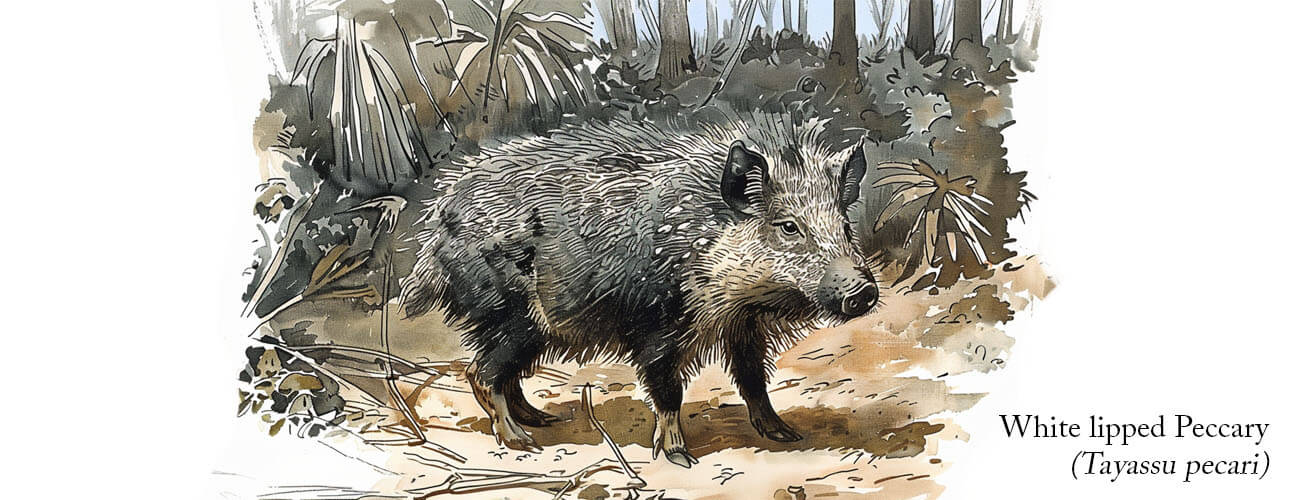
The Yawanawa, whose name translates to "The People of the White-Lipped Peccary" (*yawa*/white-lipped peccary; *nawa*/people), are a group belonging to the Pano linguistic family. Historically, their name has appeared in various forms such as Yawavo, Jawanaua, and Iawanawa. The current spelling, 'Yawanawá,' follows the orthography used in their school textbooks and other indigenous-authored documents.

Interestingly, the Yawanawa community is a diverse blend of people, including members from other groups:

  • Shawãdawa (Arara)
  • Iskunawa (now known as Shanênawa)
  • Rununawa
  • Sainawa (generally known as Yaminawá)
  • Katukina

This multicultural composition resulted from common Pano group dynamics such as marriage alliances, warfare, migration, and historical events following the arrival of non-Indians, including epidemics and demographic shifts.

Language

The Yawanawá language is part of the Pano linguistic family and shares high intelligibility with languages of other Pano groups like the Shanênawa, Yaminawá, Shawãdawa, and Sainawa. Today, most of the population is bilingual, with language proficiency varying by age group:

  • Elders prefer the indigenous language and have limited Portuguese fluency
  • Adults are typically bilingual
  • Children and youth fall into three categories: bilingual, Portuguese-fluent with passive understanding of Yawanawá, or monolingual in Portuguese

There's a growing concern among adults to preserve the indigenous language, actively working towards its conservation.

Territory and Location

The Yawanawa inhabit the southern part of the Gregório River Indigenous Land, sharing its 92,859 hectares with the Katukina of Sete Estrelas village. This territory, located in the municipality of Tarauacá in Acre state, was the first to be demarcated in the region.

The demarcation process was a significant milestone for the Yawanawa:

  • Decree 89.257/83 established the territory
  • Physical demarcation occurred in 1984
  • Registered in the land registry office in 1985
  • Registered with the National Heritage Service in 1986
  • Final approval granted in 1991

This demarcated land occupies the headwaters of the Gregório River, an affluent of the larger Juruá River, ensuring the Yawanawa's access to vital water resources.

Urban Connections: Tarauacá and Beyond

While deeply rooted in their forest home, the Yawanawa maintain important connections to urban centers, particularly the town of Tarauacá. This town serves multiple purposes for the tribe:

  • It houses the office of the Organization of Yawanawá Extractivist Agriculturists of the Gregório River (OAEYRG)
  • Several Yawanawá families have established residences there
  • It's where they exercise their rights and obligations as Brazilian citizens (receiving pensions, voting)
  • It's the closest point for obtaining merchandise
  • They seek medical treatment there for issues that can't be resolved in the village

Cruzeiro do Sul and Rio Branco are other important urban reference points for the Yawanawa.

However, the journey to Tarauacá is arduous. In the dry season, low river levels make motor travel difficult, while the rainy season turns roads into impassable mud tracts. The trip can take up to a week, combining canoe travel and trekking. This difficulty sometimes outweighs the benefits of urban access, especially for elders who must make frequent trips to receive their pensions.

A History of Struggle and Perseverance

Like many indigenous Amazonian peoples, the Yawanawa faced numerous threats to their way of life during the 20th century. The rubber boom of the early 1900s brought outsiders into their territory, leading to exploitation and disease. Later, Christian missionaries arrived, attempting to convert the tribe and suppress their traditional practices.

Biraci Brasil, a respected Yawanawa leader, once said: "Our people have faced many challenges, but we have always found strength in our connection to the forest and our ancestors. This is what has allowed us to survive and thrive."

Keepers of Plant Wisdom

Central to Yawanawa culture is their profound connection to the natural world, particularly their expertise in medicinal plants. For millennia, Yawanawa shamans and healers have cultivated an intimate understanding of the rainforest's botanical riches.

Hushahu, one of the first women to become a Yawanawa shaman, explains: "The forest is our pharmacy, our university, and our temple. Every plant has a spirit and a purpose. As healers, we must learn to listen to these spirits and understand how they can help us maintain balance in our bodies and our communities."

Breaking Barriers: The Rise of Female Shamans

The story of Yawanawa women becoming shamans is a powerful testament to the tribe's ability to adapt while honoring their traditions. Waxy Yawanawa, along with her sisters Hushahu and Putanny, made history by becoming the first female pajés (shamans) of the Yawanawa people.

Waxy, Hushahu, and Putanny are among the very few women who have completed the sacred one-year muká diet. Their father, cacique Raimundo Luiz (Tuíkuru), authorized this groundbreaking initiative. The sisters carried out the diet in the village Mutum, guided by the teachings of the legendary eldest pajé Tatá and supported by their other sisters.

For the Yawanawa, the muká diet is considered the most important initiation in the process of acquiring shamanic power and knowledge. Waxy spent a year isolated in the spiritual center of her brother Matsini Luiz Yawanawa, the spiritual leader and chief of Aldeia Mutum. The initiation is a complex process involving several parallel practices: the ingestion of sacred plants, the memorization of knowledge including songs, prayers, and the use of sacred plants, and periods of seclusion.

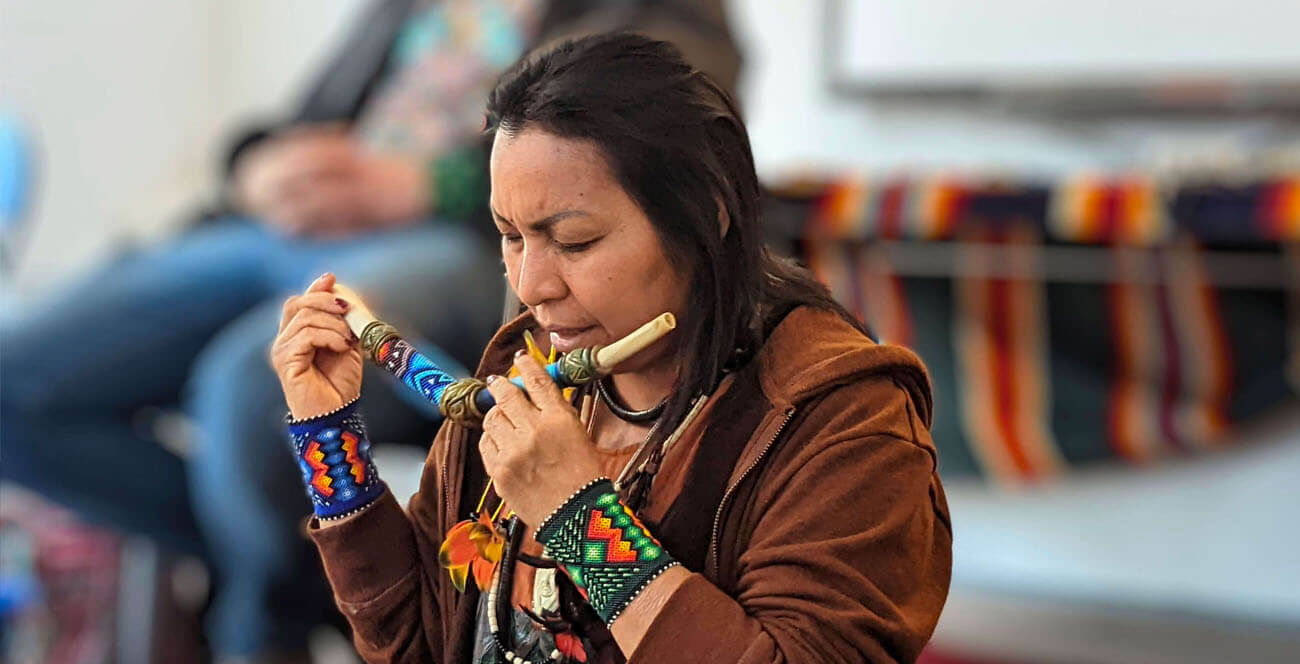
Waxy Yawanawa Rapé preperation

Waxy's Current Role: Guardian of Mawa Yuxyn

Today, Waxy serves as the guardian of Mawa Yuxyn, a place steeped in spiritual significance. Together with her two children Hukē Netē and Matsini Yawanawá, and Aroa Ayán, she welcomes people from around the world. At Mawa Yuxyn, they offer healing for physical, mental, emotional, and spiritual ailments, as well as guidance for life paths and other spiritual practices. The location is known for its mystical quality, with stories of visitors hearing the laughter, cries, and voices of unseen spirits in the surrounding jungle.

Waxy and her team work with several ancestral medicines of the forest:

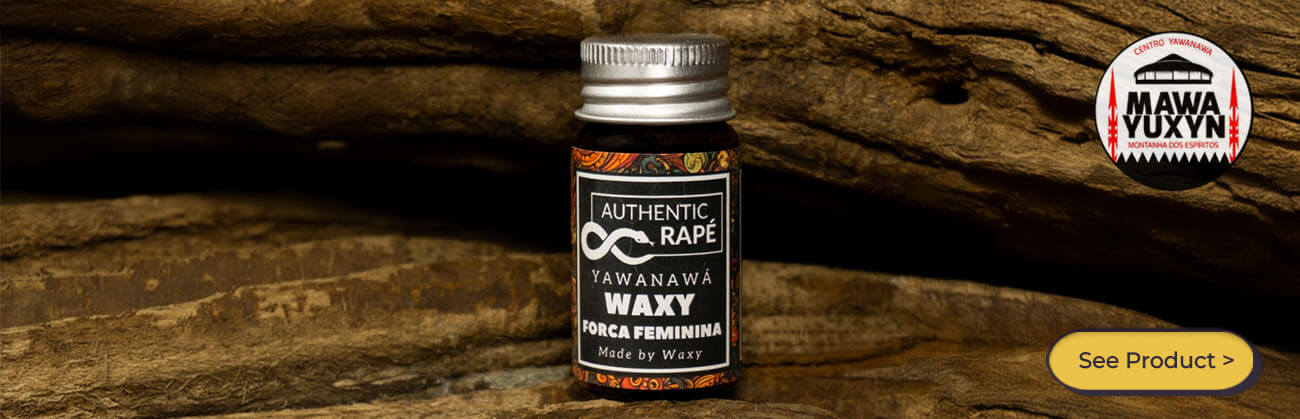
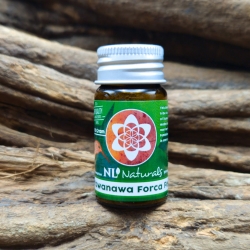
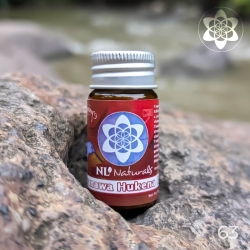
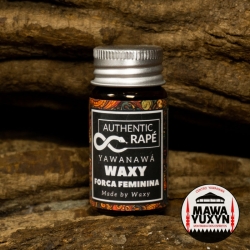
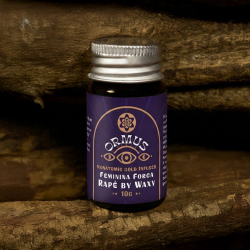
Of particular note is Waxy's preparation of the Yawanawá Força Feminina rapé. This traditional plant medicine is made with ashes from the Tsunu bark, a tree considered one of the most sacred to the Yawanawa people. The Força Feminina rapé holds special significance as it represents the spiritual conquests of Yawanawa women within their tradition.

For those interested in experiencing a piece of this sacred tradition, Waxy's Yawanawá Força Feminina rapé is available for purchase through our webshop: click here

waxy-rapeh-snuff_1.jpg

Looking to the Future

As the world grapples with environmental challenges and a growing interest in traditional healing practices, the Yawanawa's wisdom becomes increasingly relevant. Their story is one of resilience, adaptation, and the enduring power of indigenous knowledge.

By maintaining their deep connection to the forest and its medicines, while also navigating the complexities of the modern world, the Yawanawa continue to play a vital role as guardians of Amazonian biodiversity and cultural heritage. The groundbreaking work of female shamans like Waxy, Hushahu, and Putanny has not only enriched the Yawanawa's spiritual practices but also marked a significant step towards gender equality within their traditional structures.

Their journey reminds us of the importance of preserving ancient wisdom in our rapidly changing world, while also demonstrating the Yawanawa's ability to evolve and adapt. By opening new paths within their traditions, they ensure the continuation and growth of their sacred practices, offering valuable insights and healing to both their community and the world at large.

 
Posted in: All posts, Shamanism, Rapé
Rey is the creative force behind our webshop, blending practical experience with a deep interest in natural products, ritual, and conscious living. His work is rooted in quality, authenticity, and respect for traditional knowledge. Through his writing, he aims to bridge traditional wisdom with modern, conscious use, helping customers make informed and meaningful choices. By maintaining close relationships with many of the producers behind the products, he creates a bridge between their world and Western society. He shares their knowledge, vision, and methods with care, honoring both traditional practices and their place in a modern context. His favourite products are rapé, kratom, and magic mushrooms.
Loading...