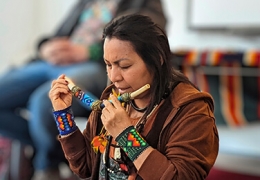
The Huni Kuin, also known as the Kaxinawá, live in the Brazilian and Peruvian Amazon. Their name means 'true people'....

35 Jaguar Rapé | Nukini Powerful Jaguar Spirit Blend
Tribe Rapé
€18.18





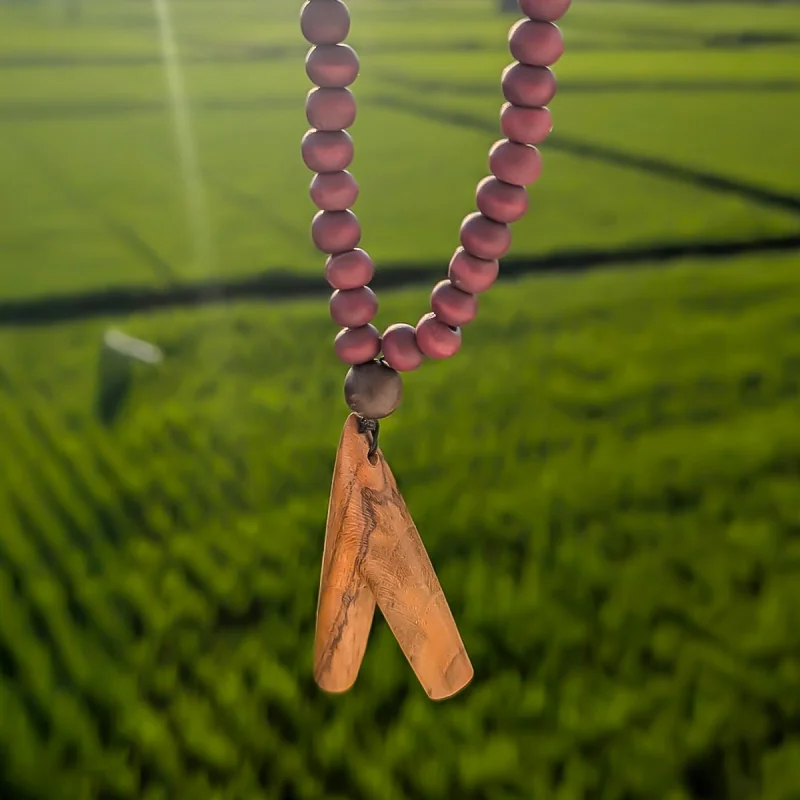


Rare kayu kopi beads on Jati wood — warm coffee-brown tones with fine grain and surprising lightness. Coffee wood is uncommon in malas but valued by Indonesian craftspeople for its pleasant scent and naturally calming energy. Grounding without heaviness, clarity without overwhelm.
Kayu kopi — coffee wood — is rare in malas, but Indonesian craftspeople know its value. Warm coffee-brown tones, fine grain, surprisingly light weight, and that subtle earthy scent. This is grounding energy without heaviness, clarity without overwhelm.
These beads come from retired Indonesian coffee trees, wood that spent years producing beans before becoming meditation tools. Paired with traditional Jati wood, this mala kuripe bridges Indonesian wisdom and ceremonial practice. The smooth beads glide effortlessly through your fingers — each one an anchor for breath, mantra, or intention.
Features: Rare Indonesian coffee wood beads with traditional Jati wood. Calm grounding, natural warmth and meditative flow make this kuripe a centered tool for both mala practice and rapé ceremony.
A mala isn't jewelry - it's a meditation tool with thousands of years of tradition. Used in Hindu and Buddhist practices, each bead represents a mantra, breath, or intention. Moving through the beads one by one creates rhythm: the mind calms, breath steadies, awareness deepens.
Traditionally, malas have 108 beads, and practitioners use them for japa - mantra repetition. The practice is simple: hold a bead, speak or think your intention, move to the next bead, repeat. The physical action anchors wandering thoughts. Your fingers know where you are even when your mind drifts.
Wearing a mala throughout the day keeps you connected to your practice — peace, clarity, protection, gratitude, whatever you're working with. The beads become a tangible reminder you can touch when you need grounding. Natural materials like coffee wood carry their own subtle but present energy.
Kayu kopi is uncommon in malas, but Indonesian craftspeople prize it for good reason. The wood has a fine grain structure that takes polish beautifully, and its warm coffee-brown color ranges from light tan to deep chocolate. It's lighter in weight than many other woods, making it comfortable for all-day wear without feeling heavy around your neck.
Coffee trees spend years producing beans that wake people up, while their roots go deep into volcanic soil. This creates balanced energy: alert but stable, awake but grounded. The wood remembers both — stimulation and earth. Perfect for ceremonies where you want clarity without losing your center, or meditation that's focused but calm.
Coffee wood retains a subtle, pleasant earthiness — not coffee shop aroma, but something quieter. Like earth after rain, soft and grounding. The smooth beads glide through your fingers with almost no friction, creating a meditative flow. Touch and scent working together to bring you present.
When coffee trees stop producing viable beans, the wood becomes available for crafting. Nothing wasted — transformation from one purpose to another. The dense wood develops a beautiful patina with use, deepening in color as oils from your hands season it over time.
Paired with Jati wood (Indonesian teak), this entire kuripe represents local materials shaped by traditional skills. The aesthetic is earthy and honest — warm brown tones, natural grain patterns, functional beauty rooted in agricultural cycles. It's humble materials doing sacred work.
Combining mala and kuripe creates a complete practice tool. Before ceremony, move through the beads with your intention — preparing mentally and energetically. The physical action brings you present. Then the kuripe carries that focused state into rapé experience.
Or wear it daily as a spiritual anchor. When stress hits, touching the beads brings you back to breath. The coffee wood's calm energy supports staying centered in regular life, not just ceremony. It connects you with nature's rhythms — growth, harvest, rest, transformation.
Meditation & mantra recitation: Traditional japa practice. Choose a mantra and move through each bead with one repetition. The counting frees your mind to sink deeper into the words, while the smooth wood helps you find rhythm.
Breath awareness: Each bead represents one conscious breath cycle. The light weight of coffee wood makes this particularly comfortable for longer sessions — no strain on your neck as you breathe.
Mindfulness anchor: Wear the mala and touch it throughout your day whenever you need to return to presence. The pleasant texture and subtle scent of kayu kopi work as sensory cues for awareness.
Intention setting: Hold the mala while setting daily intentions. Let each bead represent one aspect of your practice — gratitude, compassion, clarity, courage. Carry those intentions with you as you wear it.
Coffee wood benefits from occasional natural oil to prevent drying, which deepens its warm color over time. The Jati wood stays beautiful with simple care — just wipe clean after use. Both woods develop patina with handling, becoming more personal as your practice deepens.
Each bead shows natural variation in grain and tone — no two are identical. The smooth beads invite touch, the light weight invites all-day wear, and the subtle scent invites presence. Handcrafted Indonesian meditation tools meeting rapé tradition, all from materials that grew in volcanic soil. A kuripe that radiates warmth, simplicity, and the kind of calm that settles in slowly — like earth after rain. Your product can look slightly different than in the photos, as each one has unique patterns and colors.
Kayu kopi is coffee wood from retired Indonesian coffee trees that no longer produce beans. The wood has warm coffee-brown tones, a fine grain and is surprisingly light in weight. It is rarely used in malas, but Indonesian craftspeople value it for its subtle earthy scent and calming energy.
The rudraksha version has sacred seeds with a rough, natural texture and spiritual charge from Hindu tradition. The kayu kopi version has smooth wooden beads with a subtle earthy scent and calming energy. Rudraksha focuses more on mantra amplification, kayu kopi on grounded clarity. Read more about rapé and ceremonial traditions.
Absolutely. The light beads are comfortable to wear all day without feeling heavy. The coffee wood develops a more beautiful patina through contact with your skin. Touch the beads when you need grounding or use them for mantra meditation by moving through each bead one by one.
You might also like
The Huni Kuin, also known as the Kaxinawá, live in the Brazilian and Peruvian Amazon. Their name means 'true people'....
Rapé, pronounced 'ha-peh', is a finely ground sacred plant blend from the deep jungles of the Amazon. For thousands...
Have you ever wondered where your rapé comes from, who makes it and what the story behind it is? Each tribe that...