Whether you arrive here after watching Fantastic Fungi, or because you are looking into medicinal mushrooms for immune support, Turkey Tail (Trametes versicolor) deserves a spot on your radar. This guide covers what the mushroom is, how to identify it, what research actually shows, and how to use it safely yourself.
Last updated: April 2026
This guide is regularly updated with the latest insights on Turkey Tail research, dosage and quality.
The story behind the attention
Mycologist Paul Stamets tells in the documentary Fantastic Fungi about his mother, diagnosed at 84 with stage IV breast cancer with metastases. Considered too old for aggressive treatment, she was offered enrolment in a Turkey Tail trial run by the University of Washington / Bastyr University. Stamets supplied the mushrooms. Combined with conventional therapy, her tumour went into remission; her story appeared on stage worldwide. The case and the accompanying phase I trial are published in Global Advances in Health and Medicine (Stamets et al., 2012).
Important: this is an individual case, not proof that Turkey Tail cures cancer. It shows the mushroom is promising enough to be officially studied as a supportive therapy. That nuance is what this entire article is about.
What is Turkey Tail?
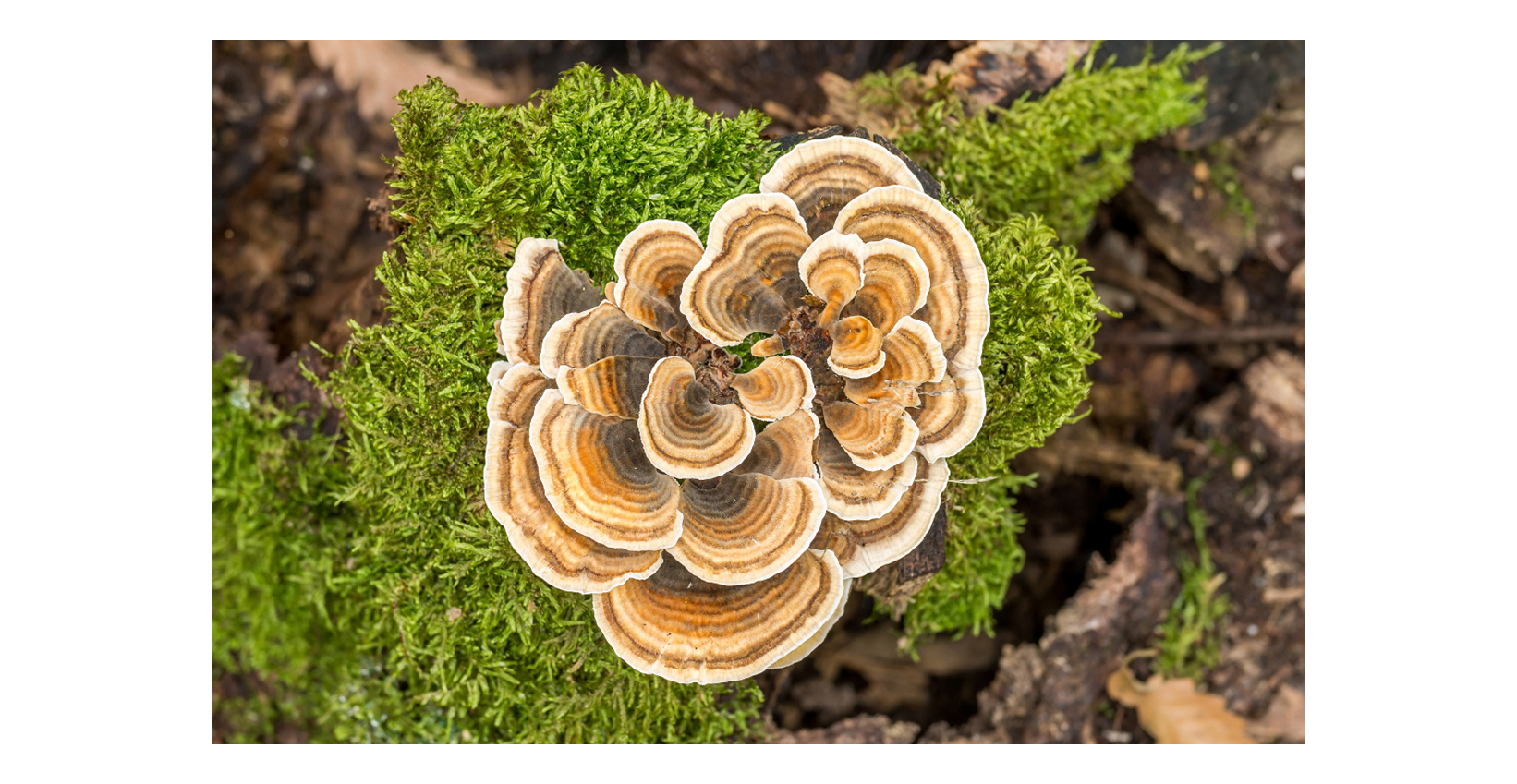
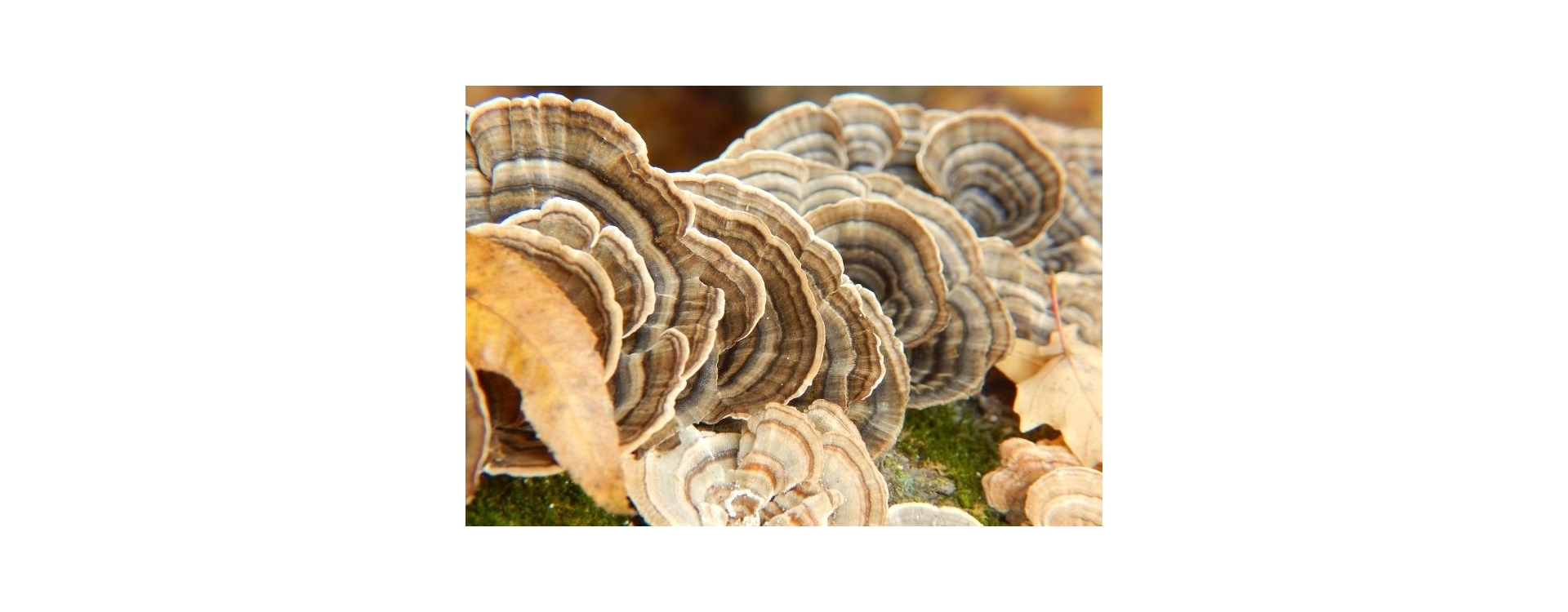
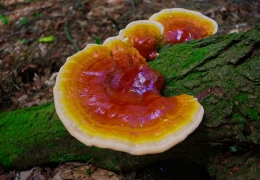
Trametes versicolor (synonym: Coriolus versicolor) grows worldwide on dead hardwood: fallen logs, stumps, dead branches. The English name Turkey Tail comes from the fan shape and striped colour bands resembling a wild turkey's tail. In China it is called Yun Zhi, in Japan Kawaratake. In traditional Chinese medicine, Turkey Tail has been used for over two thousand years as an immune modulator. In Japan a standardised extract (PSK, polysaccharide-K) has been on the list of reimbursed oncology adjuvants since the 1980s.
How to identify Turkey Tail in the wild
Turkey Tail is easy to confuse with look-alikes. For anyone wanting to learn to forage, these are the core criteria:
- Grows on dead hardwood (oak, beech, birch), never on living trees or conifers.
- Caps 3 to 10 cm wide, fan-shaped, no stem, velvety surface.
- Concentric colour bands in brown, beige, grey, sometimes bluish.
- Underside white with small, uniform pores. This is the deciding feature.
The main look-alikes:
- False Turkey Tail (Stereum ostrea): from above virtually identical, but the underside is smooth and beige without pores. Not toxic, but not medicinally active either.
- Violet-toothed polypore (Trichaptum biforme): has a violet-tinged outer edge and purple-tinted underside with larger, tooth-shaped pores.
- Tinder fungus (Fomes fomentarius): not toxic, but harder, hoof-shaped, and lacks the colour bands.
In doubt? Do not pick. Misidentifying a wild-foraged mushroom is not a disaster scenario with Turkey Tail (the look-alikes are not toxic), but you also do not get the active compounds you came for.
The active compounds
Three main groups of active substances explain most of Turkey Tail's effects:
- PSP (Polysaccharide Peptide): a protein-polysaccharide complex associated in research with immune modulation and immune cell activation.
- PSK (Krestin/Polysaccharide-K): the most studied extract, standardised in Japan and in use there since 1977 as an oncology adjuvant.
- Beta-glucans and triterpenes: structural polysaccharides and bitter compounds that contribute to immune-modulating action.
These compounds sit mainly in the mycelium and fruiting body. For consumers this means: a quality extract contains both mycelium and fruiting body components. The label or product page should declare the beta-glucan content; if that information is missing, it tells you something about the supplier.
What does research say about the benefits?
Immune system modulation
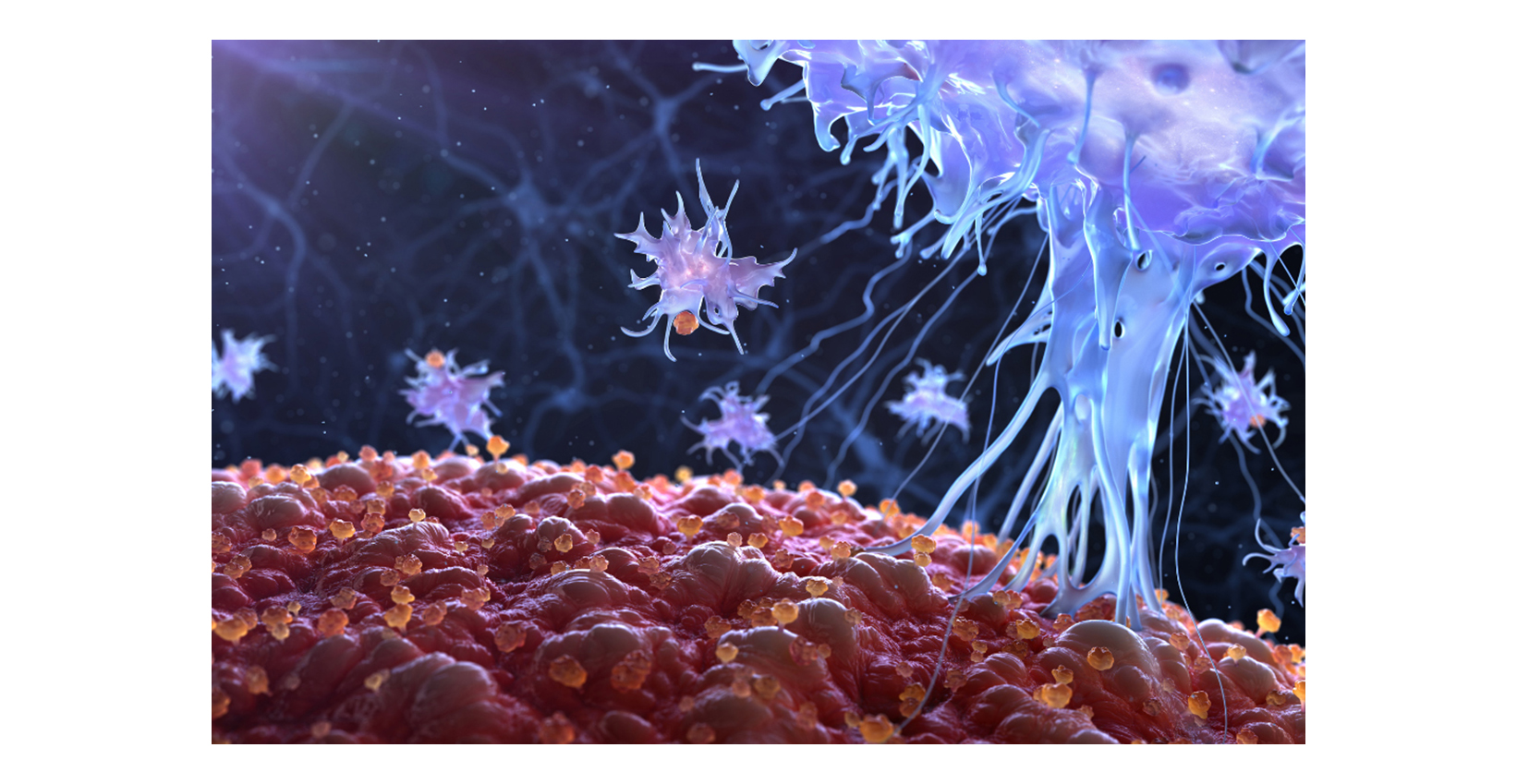
This is the best-supported area. Research described in Saleh et al. (2017) in Frontiers in Immunology describes how Turkey Tail polysaccharides modulate both innate and adaptive immunity: they activate natural killer cells, macrophages and T cells, while at the same time tempering inflammatory markers. This dual effect, ramping up where needed and calming down where needed, is what clinicians call 'immune modulation'.
Gut health
A randomised study from 2014 (Pallav et al., Beth Israel) showed that 3,600 mg of Turkey Tail extract per day, over eight weeks, shifted the gut flora composition favourably. In particular: a rise in beneficial bacteria such as Bifidobacterium and a fall in problematic groups such as Clostridium and Enterococcus. This is consistent with the prebiotic role beta-glucans play for gut bacteria.
Oncology support

In Japan and China, PSK has been part of standard adjuvant therapy for stomach, colorectal and lung cancer for decades. A meta-analysis described by Memorial Sloan Kettering Cancer Center points to a higher survival rate when PSK is added to conventional treatment. Important nuance: this concerns standardised extract as added treatment under medical supervision, not over-the-counter capsules as monotherapy. Turkey Tail does not replace cancer treatment; with an oncology diagnosis this conversation belongs with your treating physician.
How to use Turkey Tail
| Form |
Advantage |
Disadvantage |
Suited for |
| Capsules (extract) |
Easy daily dosing |
No ritual aspect |
Long-term maintenance routine |
| Liquid tincture |
Fast absorption, adjustable dose |
Taste (earthy/bitter) |
Acute immune need |
| Dried, as tea |
Traditional, ritual |
Time-consuming (1-2 hr brew) |
Daily slow routine |
| Wild-foraged, fresh |
Free, educational |
Unknown potency, ID risk |
Foraging experience, not medicinal precision |
For a doseable daily routine, a standardised extract is the most practical option. Browse our mushroom extract collection for capsules and tinctures.
Turkey Tail dosage
For general immune and gut support, most clinical research lands at 1,000 to 3,000 mg of standardised extract per day, split into one or two doses. For maintenance you typically sit at 1,000 to 1,500 mg; for periods where you want extra support (winter season, after intense training) you can move up to 3,000 mg. Above that, research shows little additional benefit; the law of diminishing returns applies.
For oncology trials, PSK extract was used at doses up to 3 grams per day (general) and 3-9 grams per day (specifically for breast cancer, under medical supervision). These higher doses do not belong in self-experimentation; medical indications belong in medical conversations.
Combining with other medicinal mushrooms
Turkey Tail works synergistically with other mushrooms that each carry a different emphasis:
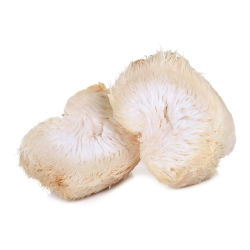
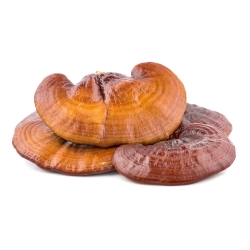
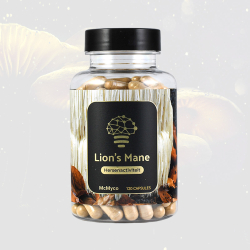
A simple daily stack: morning Lion's Mane for focus, midday Turkey Tail for immune, evening Reishi for rest. For a comprehensive comparison, read our blog on the 5 best medicinal mushrooms for your immune system.
Common mistakes
- Expecting it to work within a week. Medicinal mushrooms work cumulatively. Count on four to six weeks before you notice a difference.
- Buying cheap powder without beta-glucan listed. Many commercial Turkey Tail products contain mostly grain substrate with little active mycelium. Pick a product with at least 30% beta-glucans declared on the label.
- Foraging without experience. Turkey Tail is safe (no toxic look-alikes), but misidentifying means you do not get active compounds. Start with an experienced mycologist or a ready extract.
- Stopping after a cold. Maintenance effects need ongoing intake. A few weeks at first sneeze gives less than a continuous daily routine.
- Combining with immunosuppressants without consultation. Turkey Tail is an immune stimulant. With autoimmune disease or post-transplant: doctor first.
Side effects and who should avoid it
Turkey Tail is generally regarded as very safe; reported side effects are usually mild and include light stomach upset, darker stools (due to extract pigments) and in rare cases itching. Who should skip it:
- People with autoimmune disease (such as MS, lupus, rheumatoid arthritis): the immune-stimulating effect can worsen symptoms.
- People with a mould or mushroom allergy.
- Pregnant or breastfeeding women, unless after consultation with a doctor.
- People on immunosuppressive medication (transplant patients, chemotherapy without oncologist approval).
Disclaimer: Turkey Tail is a food supplement, not a medicine. The information in this guide is educational, not medical advice. With illness, pregnancy or medication use, consult a doctor. Research suggests supportive action; that is not the same as cure.
What users report
Users often report that the effects of Turkey Tail are subtle but consistent: fewer colds through the season, calmer digestion, and for those combining it with other medicinal mushrooms a more general sense of physical resilience. A common pattern: people only notice it works once they stop taking it.
Why Next Level Smart for your medicinal mushrooms?
Why Next Level Smart?
- Four medicinal mushrooms in our range — Reishi, Lion's Mane, Chaga and Cordyceps, for a complete daily routine
- Two formats in stock — liquid tinctures (30 ml) for fast absorption and capsules (120 count) for maintenance dosing
- Strength for sustained use — one bottle typically lasts one to two months
- Active since 2010 as a Dutch smart shop — fifteen years of experience with ethnobotanical products and shipping from the Netherlands
Frequently asked questions about Turkey Tail
Is Turkey Tail edible like a regular mushroom?
Technically yes, not toxic, but in practice too tough to chew. The usual forms are tea, tincture or capsules. The fibres soften after an hour of brewing in hot water; you then press out the liquid and discard the material.
How long before I notice an effect?
Four to six weeks of daily intake is a reasonable expectation. Medicinal mushrooms work cumulatively, not acutely. Anyone who notices nothing after two weeks is not doing it 'wrong'; give it time or raise the dose within reasonable limits.
Can I combine Turkey Tail with Reishi and Lion's Mane?
Yes, this is a popular and well-supported combination. Each of the three has its own profile: Turkey Tail for immune, Reishi for rest and sleep, Lion's Mane for cognition. They reinforce each other without significant interactions.
What is the difference between mycelium and fruiting body?
The fruiting body is what you see in the woods (the fan itself). Mycelium is the underground network of threads. Both contain active compounds, but in different proportions. A full-spectrum extract uses both; cheap powders often use only mycelium grown on grain with lots of substrate residue.
What are PSK and PSP exactly?
PSK (polysaccharide-K or Krestin) and PSP (polysaccharide peptide) are protein-polysaccharide complexes from Turkey Tail. PSK has been an approved adjuvant in Japan since 1977 for stomach, colorectal and lung cancer. PSP is a related compound that shows comparable immune-modulating effects in Chinese research.
Can Turkey Tail cure cancer?
No. Research can give indications that Turkey Tail extract as adjuvant alongside conventional oncology may improve outcomes, especially in stomach and colorectal cancer. This use belongs under medical supervision, not as self-experiment. Turkey Tail does not replace cancer treatment.
How do I store Turkey Tail extract?
Capsules: cool, dry and dark in original packaging. Shelf life 18-24 months. Liquid tinctures, after opening, kept cool (some at room temperature, check label); usually within 6 months for optimal action.
Can I use wild-foraged Turkey Tail myself?
If correctly identified: yes. Forage only on dead hardwood, never from areas with chemical exposure (busy roadsides, near painted timber). Cut with scissors, leaving the wood tissue intact. Dry at 35-40 °C, then brew an hour in hot water for tea. For consistent medicinal action, a standardised extract is more reliable.
Last updated: April 2026 | Next Level Smart Shop