Blog navigation

Latest posts

Magic Truffles by Strength: From Gentle to Strongest

Not every magic truffle is equally strong: there is a world of difference between a gentle Mexicana and a hefty High...

Read More
Indica, Sativa and Ruderalis: The Real Difference Explained

Indica, sativa and ruderalis: the three names you will find on almost every pack of cannabis seeds. But what do they...

Read More
What is DMT? The Molecule, Its Sources, and What Science Says

A complete guide to DMT — what the molecule is, where it occurs in plants and animals, how the human body produces...

Read More
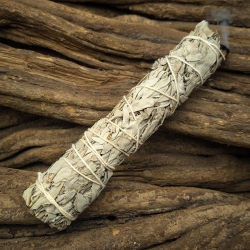
White Sage: The Smudging Herb From California, From Plant to Practice

A guide through white sage — how Salvia apiana smells and works, where it comes from, the difference between...

Read More

Cordyceps: The Health Benefits and Militaris vs Sinensis


Cordyceps Militaris vs Sinensis

Last updated: June 2026
This guide is regularly reviewed with new insights on cordyceps.

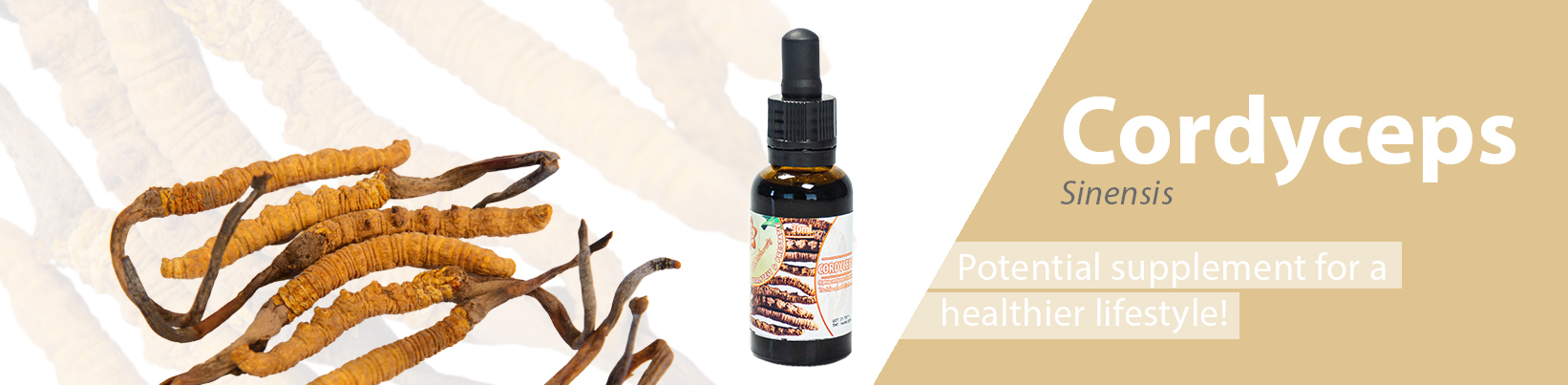
Cordyceps is a rare combination of a caterpillar and a fungus that has long been valued in traditional Chinese medicine, especially for energy and endurance. In this article we look at what cordyceps is known for and the difference between Cordyceps Militaris and Sinensis. Mainly want to know how to take it? Then read our separate guide how to take cordyceps?.

Where Does Cordyceps Grow?

Cordyceps is not like a typical mushroom. The species occurs in the high mountain regions of China and grows on insects, mostly caterpillars, by slowly taking over the host's body and replacing its tissue with mycelium. Traditionally cordyceps is hand-picked, dried and used in Chinese medicine. Herders are said to have once discovered it because their animals seemed more energetic and resilient after eating it.
What Is Cordyceps Known For?

Energy and Endurance

Cordyceps and endurance

Cordyceps is mainly valued for energy. Research into athletic performance shows that participants who took cordyceps experienced a noticeable improvement, while a placebo group saw little difference. It is thought that cordyceps can help the muscles by supporting the production of ATP (adenosine triphosphate, the energy currency of cells) and improving oxygen use. In a placebo-controlled animal study, mice had 30 to 70% more endurance after three weeks of cordyceps. No wonder it is popular with athletes and people with busy lives.
Antioxidants

Cordyceps and antioxidants

Cordyceps naturally contains plenty of antioxidants. Antioxidants neutralise free radicals and help protect cells against oxidative stress, which is associated in research with healthy ageing. In animal studies, older mice showed better memory, and in another study cordyceps appeared to extend the lives of fruit flies. Whether humans experience similar effects is still being researched; the high antioxidant content and long tradition make it an interesting choice in any case.

A Versatile Supporter

The properties of cordyceps

Besides energy and antioxidants, cordyceps is traditionally valued for general support, for instance to help the body cope with exertion and busyness. It is therefore seen as an adaptogen-like mushroom. Important: cordyceps is a food supplement for support, not a substitute for medical treatment. With complaints or medication use, consult a doctor.

Cordyceps Militaris vs Sinensis

Cordyceps Militaris vs Sinensis

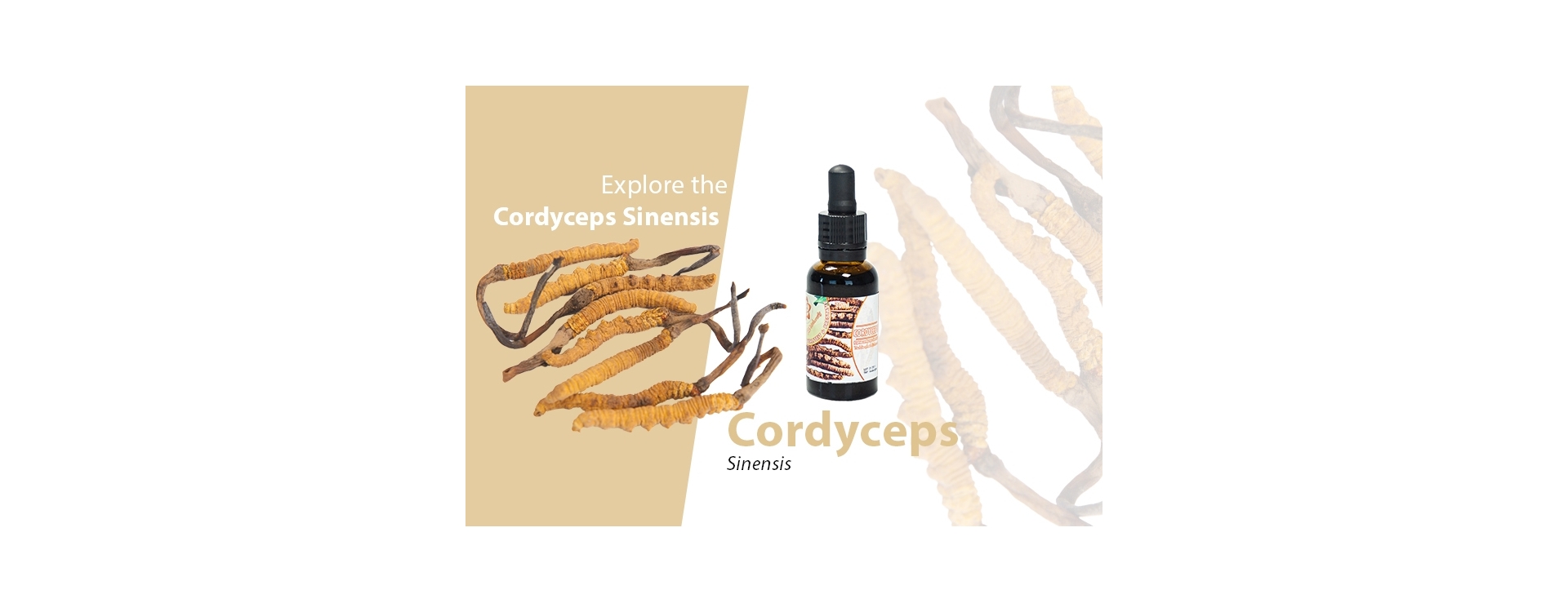
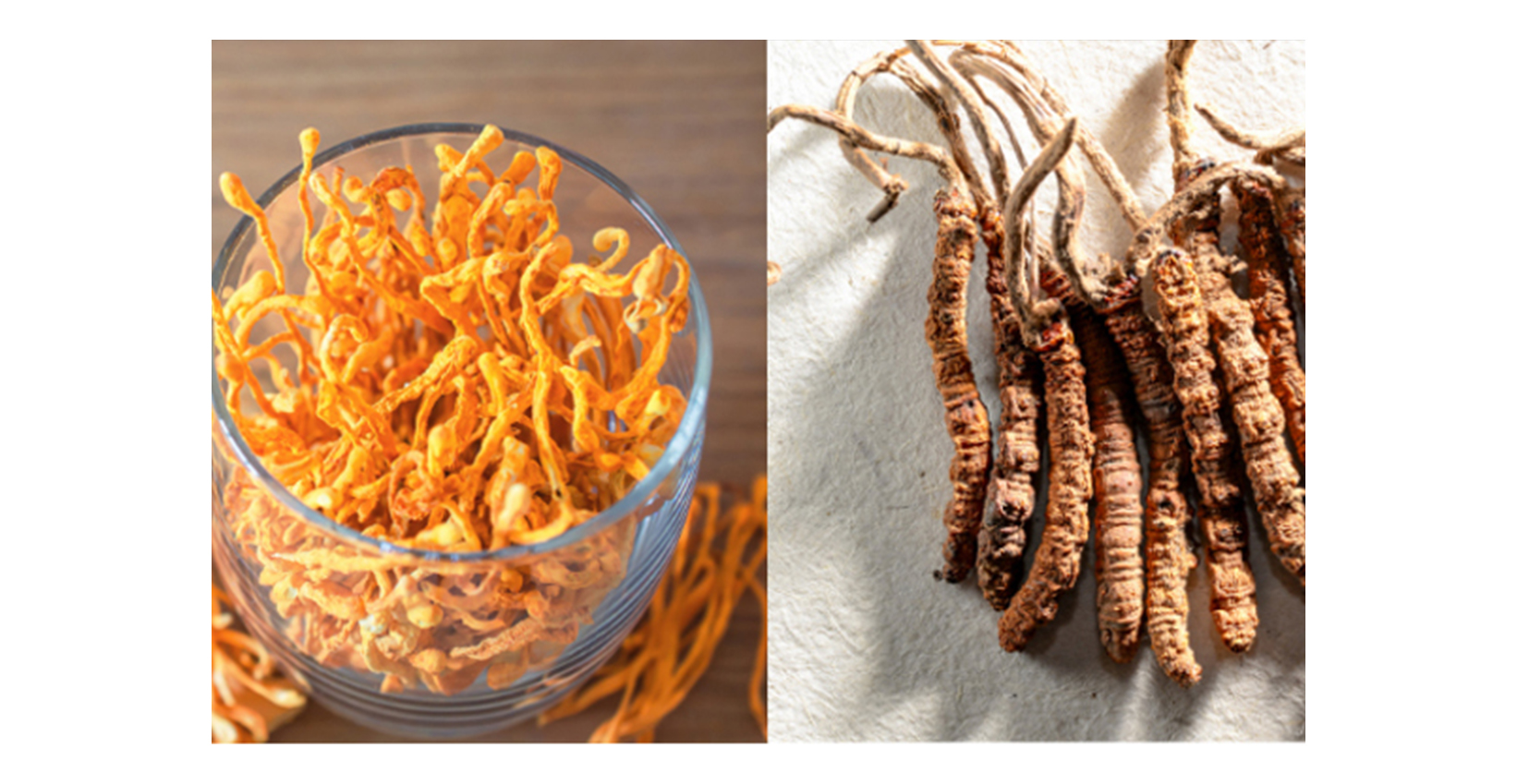
There are two well-known species: Cordyceps Militaris and Cordyceps Sinensis. The cultivation and harvesting methods differ considerably. Cordyceps Sinensis occurs naturally on insects in the high mountains of Asia and is extremely pricey (sold in China for 30,000 to 40,000 dollars per kilogram), because it can barely be cultivated. Cordyceps Militaris, on the other hand, is successfully grown in laboratories all over the world and is much more affordable. Both contain similar valuable compounds; Militaris can even hold higher concentrations of bioactive compounds, as it is grown in a controlled environment and tested regularly.
Good to know: Because Cordyceps Sinensis forms on an insect, it is not suitable for vegetarians or vegans. Cordyceps Militaris is grown without an insect in the lab and is therefore suitable for vegans and vegetarians.
Frequently Asked Questions About Cordyceps

What is cordyceps known for?

Mainly for energy and endurance, and for its high antioxidant content. In traditional Chinese medicine it has long been valued for general support.

What is the difference between Militaris and Sinensis?

Sinensis grows in nature on insects and is rare and expensive; Militaris is grown in the lab, is more affordable and suitable for vegans. Both contain similar valuable compounds.
Is cordyceps suitable for vegans?

Cordyceps Militaris is: it is grown without an insect in a laboratory. Cordyceps Sinensis forms on an insect and is therefore not vegan or vegetarian.

How do I take cordyceps?

As capsules, powder, liquid extract or tea. We discuss the methods and dosage in detail in our guide how to take cordyceps?.

Is cordyceps a mushroom or a fungus?

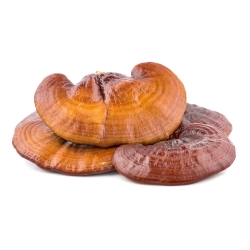
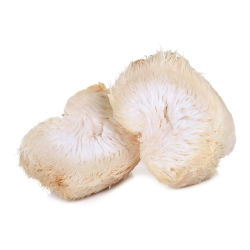
Cordyceps is a fungus that grows on insects. Colloquially it is counted among the medicinal mushrooms, together with reishi, chaga, turkey tail and lion's mane.

Does cordyceps replace medication?

No. It is a food supplement for support, not a substitute for medical treatment. With complaints, medication or pregnancy, consult a doctor first.

Why Next Level Smart?

  • Cordyceps as extract and capsules — choose what suits you
  • Part of a wide mushroom range — easy to combine
  • Clear product information — so you know what you are getting
  • Active since 2010 as a Dutch smart shop, shipping from the Netherlands

Curious about cordyceps? Browse our medicinal mushrooms. Want to know how to take it? Read how to take cordyceps?, or see the full overview in the 5 best medicinal mushrooms.

Last updated: June 2026 | Next Level Smart

 
Annie Verkade is a writer at Next Level Smartshop with a background in philology. She writes about natural alternatives to pharmaceuticals, sleep support, and plant-based products. Her work also explores altered states of consciousness - both with and without psychedelics - as well as topics like astrology and lunar cycles, translating insights into clear, accessible content. She’s especially interested in how simple rituals and environment can shift how we feel (sometimes more than we expect). Outside of work, she enjoys photography, reading, bouldering, and travelling. Favourite products: Sagrada Madre incense, Mulungu, Sleep Tincture
Loading...