Blog navigation

Latest posts

Magic Truffles by Strength: From Gentle to Strongest

Not every magic truffle is equally strong: there is a world of difference between a gentle Mexicana and a hefty High...

Read More
Indica, Sativa and Ruderalis: The Real Difference Explained

Indica, sativa and ruderalis: the three names you will find on almost every pack of cannabis seeds. But what do they...

Read More
What is DMT? The Molecule, Its Sources, and What Science Says

A complete guide to DMT — what the molecule is, where it occurs in plants and animals, how the human body produces...

Read More
White Sage: The Smudging Herb From California, From Plant to Practice

A guide through white sage — how Salvia apiana smells and works, where it comes from, the difference between...

Read More

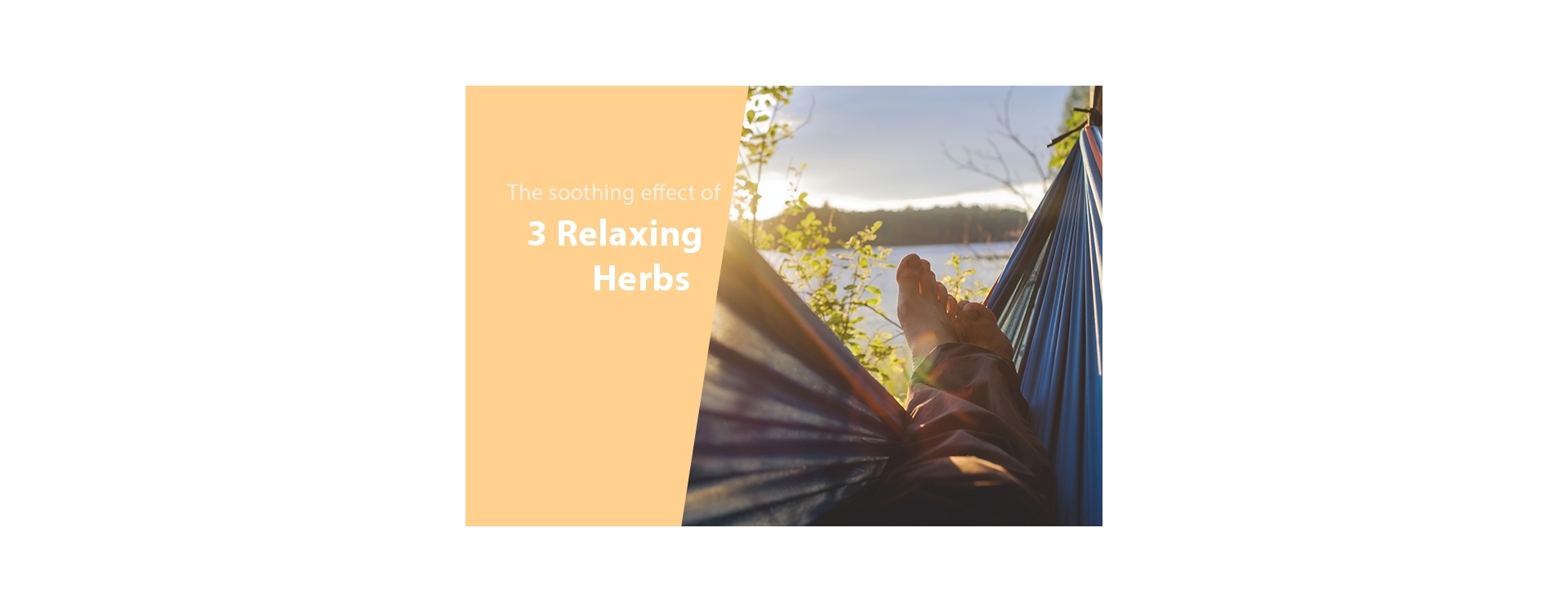
3 Herbs to Help You Relax: Mulungu, Copaiba & Ashwagandha


Natural herbs to help you relax

Last updated: June 2026
This guide is regularly updated with the latest insights on natural relaxing herbs.

Many people struggle with stress and restlessness. A busy life, constant stimulation and sometimes too little support mean we can use a helping hand to relax now and then. Thankfully, nature offers potent herbs that can support this. We cover our top 3: Mulungu, Copaiba and Ashwagandha, three different approaches to calm.

Mulungu - better sleep and deep relaxation

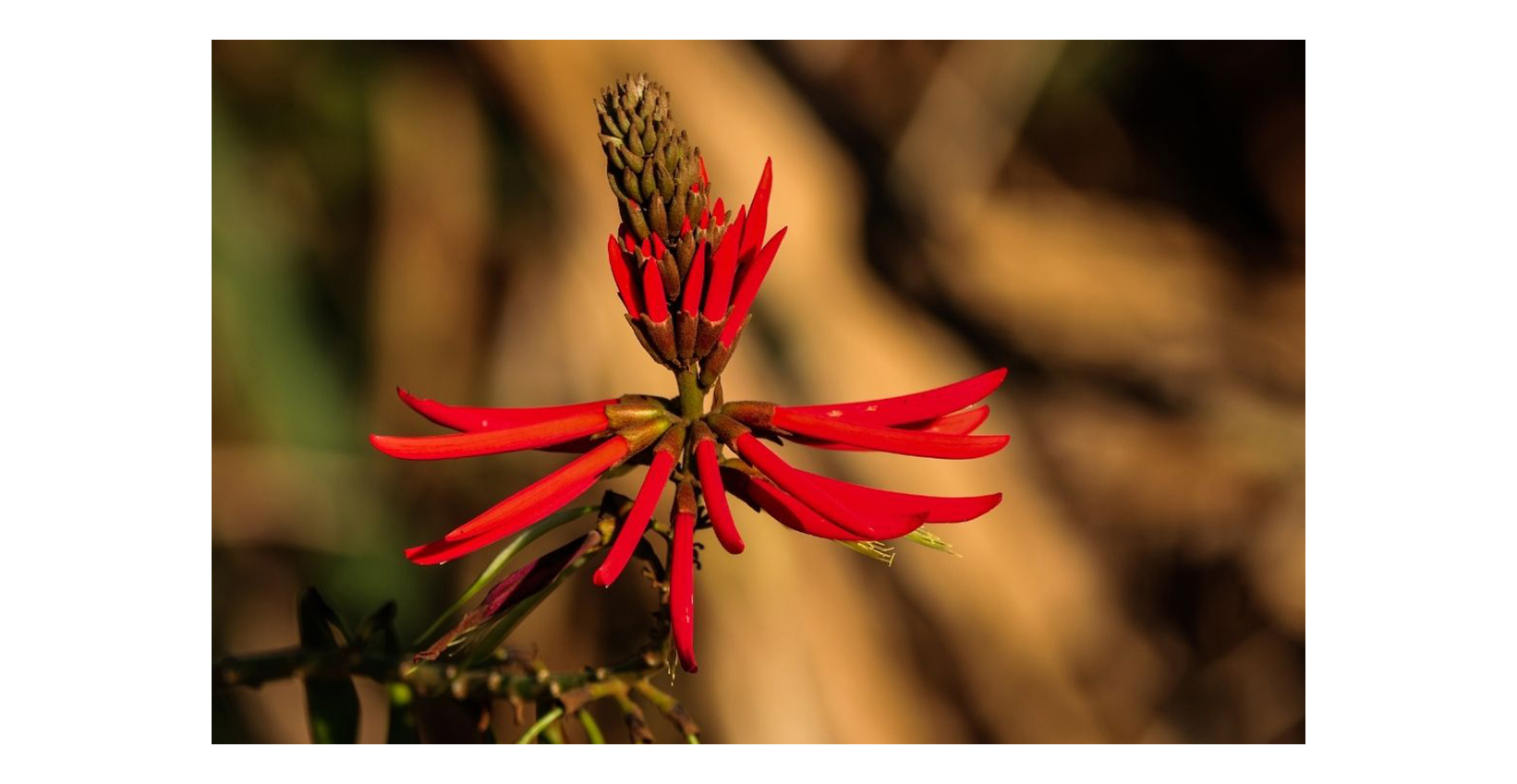
Erythrina mulungu

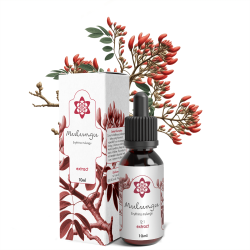
Mulungu (Erythrina mulungu) is a natural relaxing herb from a South American tree, long used in folk medicine as a calming remedy. In animal research, compounds in mulungu showed notable calming, anxiety-reducing effects; human research is more limited, but users report similar experiences. If better sleep is your main goal, mulungu is a lovely first choice.
Effects and use

The effect is calming, slightly sedative and soothing. It can make you sleepy, so don't operate machinery or drive after taking it. Mulungu comes in different forms and strengths; always follow the packaging. For our mulungu extract, the guideline is 1 to 5 drops under the tongue: 3 to 5 for a good night's sleep, 1 to 2 for a light calming effect. Want to dive deeper into mulungu? Read our blog on better sleep with mulungu extract.

Copaiba - calm your thoughts

Copaiba to help you relax

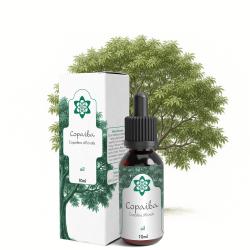
Copaiba comes from copaiba trees, of which more than seventy species grow in Central and South America. The tree naturally yields a resin, which is processed into an essential oil through steam distillation. In aromatherapy, copaiba oil has been used for decades to soothe racing thoughts and bring a sense of calm and lightness. The scent is fresh, earthy and gentle.
What makes copaiba special is that it naturally contains beta-caryophyllene, a compound structurally similar to cannabinoids from hemp. It doesn't make you high (there's no THC in it), but it can interact with your endocannabinoid system, which plays a role in mood, sleep and balance in the body.

How to use copaiba oil

You can apply copaiba oil to the skin (2 to 4 drops), diffuse it, or put a few drops on your pillow to breathe in the scent as you sleep. Browse our natural relaxation products.

Ashwagandha - the adaptogen for stress

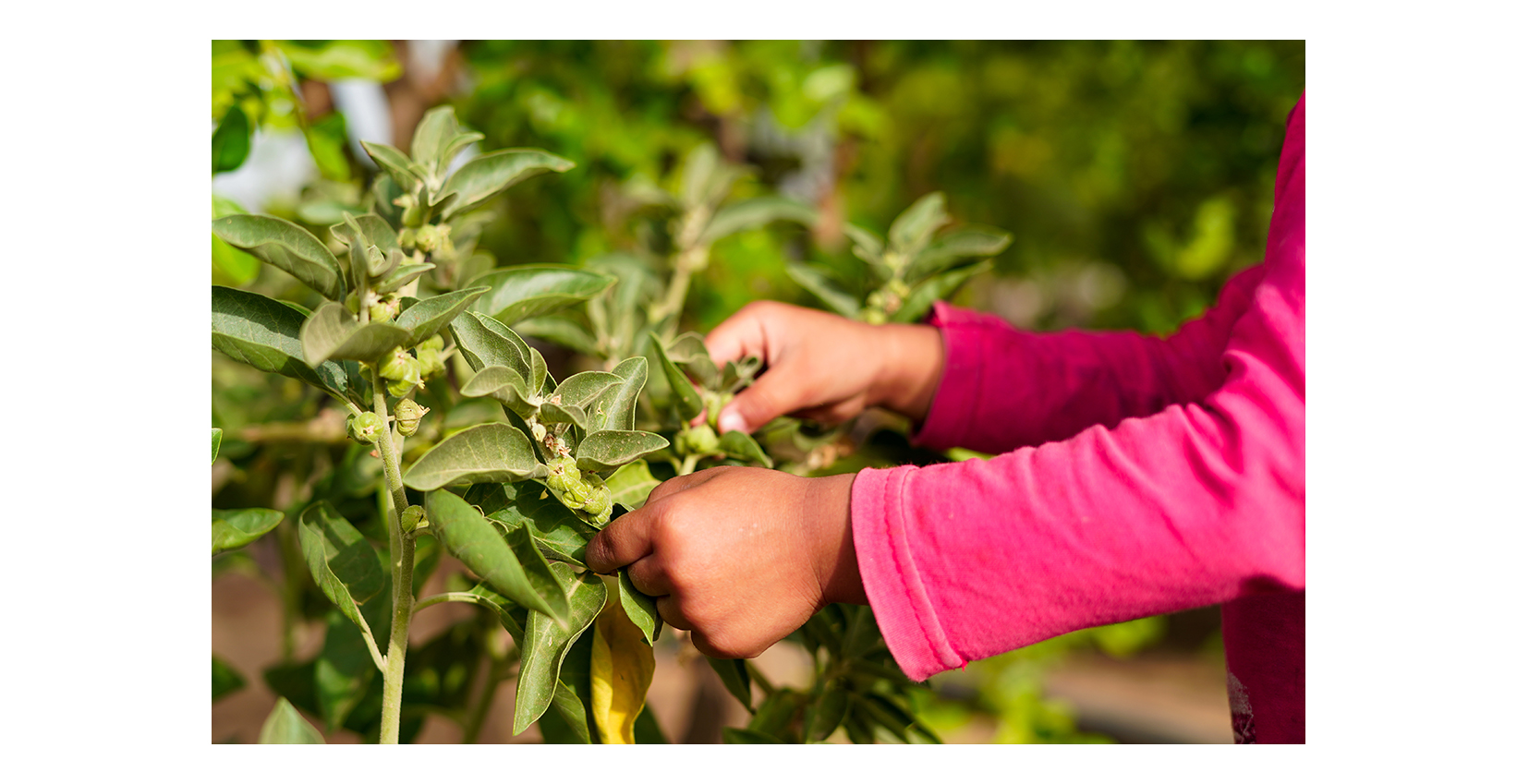
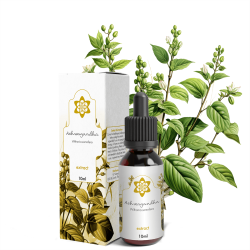
Ashwagandha

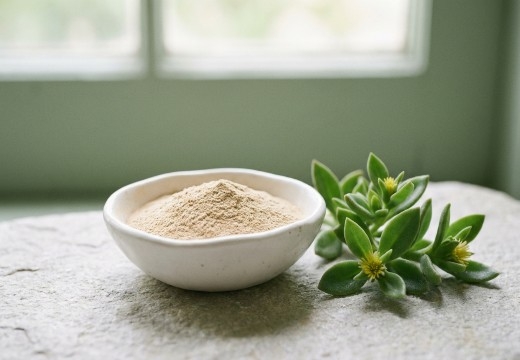
Ashwagandha is an ancient herb from Ayurveda, traditional Indian medicine. It's an adaptogen: a natural substance traditionally used to help the body cope better with stress. Research suggests ashwagandha can help lower cortisol (the stress hormone), and users often report more calm and an improved sense of well-being with regular use.
The name ashwagandha is Sanskrit for 'smell of a horse', referring both to its scent and to the tradition that the herb gives the body strength. Want to know all about it? Read our detailed blog on ashwagandha for stress.

How to take ashwagandha

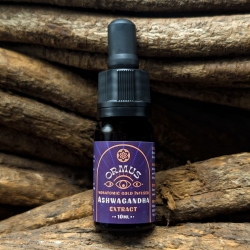
Ashwagandha comes as powder, capsules, tincture or extract. Potencies vary by brand, so follow the packaging. For our ashwagandha extract, we recommend 3 to 5 drops under the tongue daily for a gentle effect, and 5 to 15 drops for a stronger relaxing effect.
Please note: These herbs are traditionally used to relax and are not a substitute for medical advice or medication. If your symptoms are severe, or you take medication, consult your doctor. If you're pregnant or breastfeeding, always read the label and consult a healthcare provider.

Which herb suits you?

Herb Best for Form
Mulungu Better sleep, deep calm Extract (drops)
Copaiba Racing thoughts, aromatherapy Essential oil
Ashwagandha Daily stress, balance Extract (drops)

Frequently asked questions about relaxing herbs

Which herb works best for insomnia?

For sleep, many people choose mulungu, for its calming, slightly sedative effect. For longer-term, daily use against stress, ashwagandha is a lovely choice. Also read our blog on valerian root.

Can I combine these herbs?

Many people combine, for example, ashwagandha during the day with mulungu in the evening. Stick to recommended amounts, listen to your body, and consult your doctor if you take medication.

Does copaiba make you high?

No. Copaiba contains no THC and isn't psychoactive. It naturally contains beta-caryophyllene, which interacts with the endocannabinoid system, but without any intoxicating effect.

How long does ashwagandha take to work?

Ashwagandha works best with daily use over several weeks; the effects build gradually. Mulungu and copaiba, by contrast, work more in the moment.
Are natural herbs an alternative to medication?

For mild complaints, natural herbs can be a gentle first step, but they don't replace medical advice. For severe or persistent complaints, it's wise to consult your doctor.

Can you use these herbs during pregnancy?

During pregnancy or breastfeeding, always consult a healthcare provider first and read the label. Safety for you and your baby comes first.

Why Next Level Smart?

  • Three different approaches to calm - mulungu, copaiba and ashwagandha under one roof
  • Pure extracts and essential oil, selected for quality
  • Clear usage and background information for each herb
  • Active since 2010 as a Dutch smart shop, with shipping from the Netherlands

Last updated: June 2026 | Next Level Smart

 
Annie Verkade is a writer at Next Level Smartshop with a background in philology. She writes about natural alternatives to pharmaceuticals, sleep support, and plant-based products. Her work also explores altered states of consciousness - both with and without psychedelics - as well as topics like astrology and lunar cycles, translating insights into clear, accessible content. She’s especially interested in how simple rituals and environment can shift how we feel (sometimes more than we expect). Outside of work, she enjoys photography, reading, bouldering, and travelling. Favourite products: Sagrada Madre incense, Mulungu, Sleep Tincture
Loading...