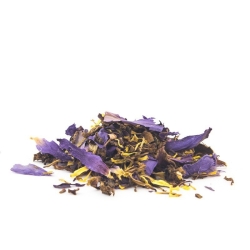
Three thousand years ago, Blue Lotus was the sacred plant of Ancient Egypt. Pharaohs and high priests drank tea brewed from its flowers during ceremonies, sculptors carved the bloom into temple walls and coffin lids, and Tutankhamun's mummy was covered with fresh Blue Lotus flowers. The same plant has returned to Western smart shops — as a legal herbal tea enjoyed by thousands of users every day.
How is it that a plant the Egyptians regarded as a symbol of rebirth is now popular again in an age of bad sleep, restless minds and the search for gentle alternatives? Part of the answer lies in modern science, which has unpacked the alkaloids in the flower; part lies in a growing interest in plant wisdom from before the pharmaceutical industry.
This guide lays out everything you would want to know about Blue Lotus (botanical name Nymphaea caerulea): from botany and chemistry to Egyptian mythology, from apomorphine and nuciferine to practical preparation methods, and from traditional combinations to modern safety considerations.
What exactly is Blue Lotus?
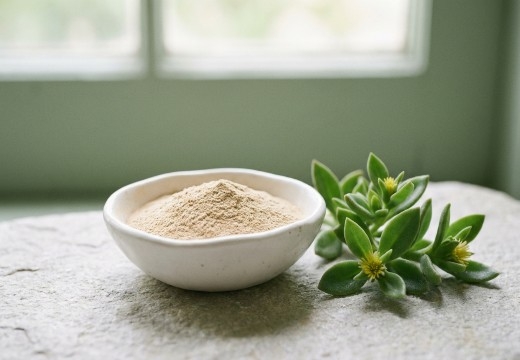
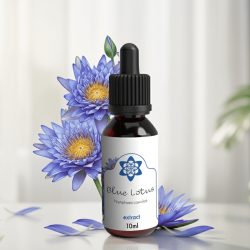
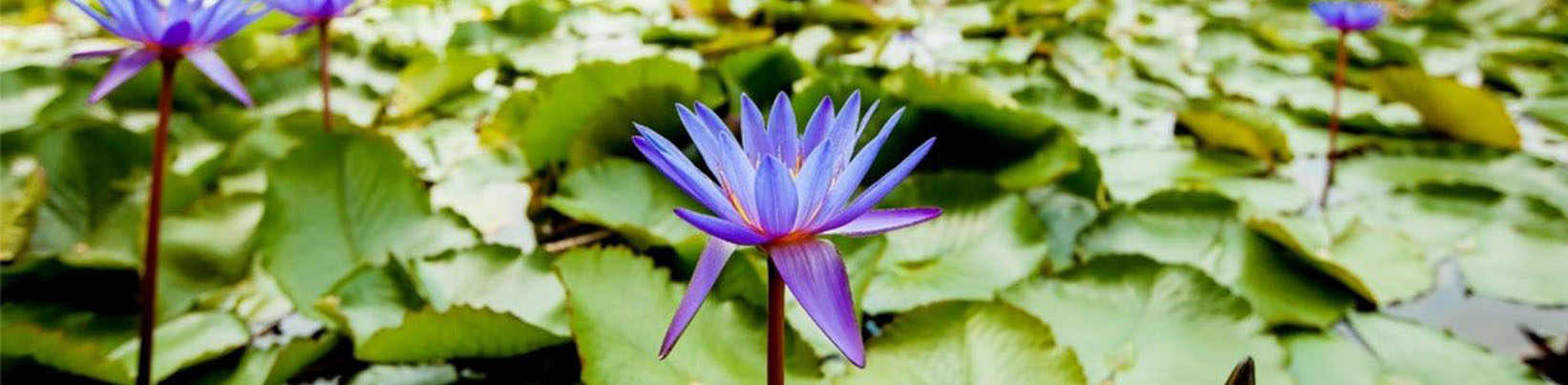
Blue Lotus is the Western name for Nymphaea caerulea, a water lily in the Nymphaeaceae family. It grows in still, sunlit waters — originally along the banks of the Nile, now mostly in ponds and marshes across Southeast Asia, Thailand and India. The flower opens each morning at sunrise, carries deep blue-purple petals around a yellow-white centre, and closes again at sunset — a daily rhythm the Ancient Egyptians saw as an image of rebirth itself.
An important distinction: Nymphaea caerulea is not Nelumbo
The Egyptian Blue Lotus is often confused with the sacred Indian lotus (Nelumbo nucifera) — the one familiar from Buddhist iconography and Asian temples. Both are called "lotus" in common usage, but they belong to different families and differ botanically in fundamental ways. Nelumbo has a distinctive protruding seed pod and thick waxy leaves; Nymphaea has flat round leaves that float on the water. The alkaloid composition also differs. In a herbalistic context, "Blue Lotus" almost always means Nymphaea caerulea.
Other names you may encounter
- Egyptian water lily — direct translation indicating origin
- Sesen or Seshen — the Ancient Egyptian name, found in hieroglyphics
- Sacred Blue Lily of the Nile — common in English-language literature
- Nymphaea cyanea — synonym that occasionally appears
The sacred plant of Ancient Egypt
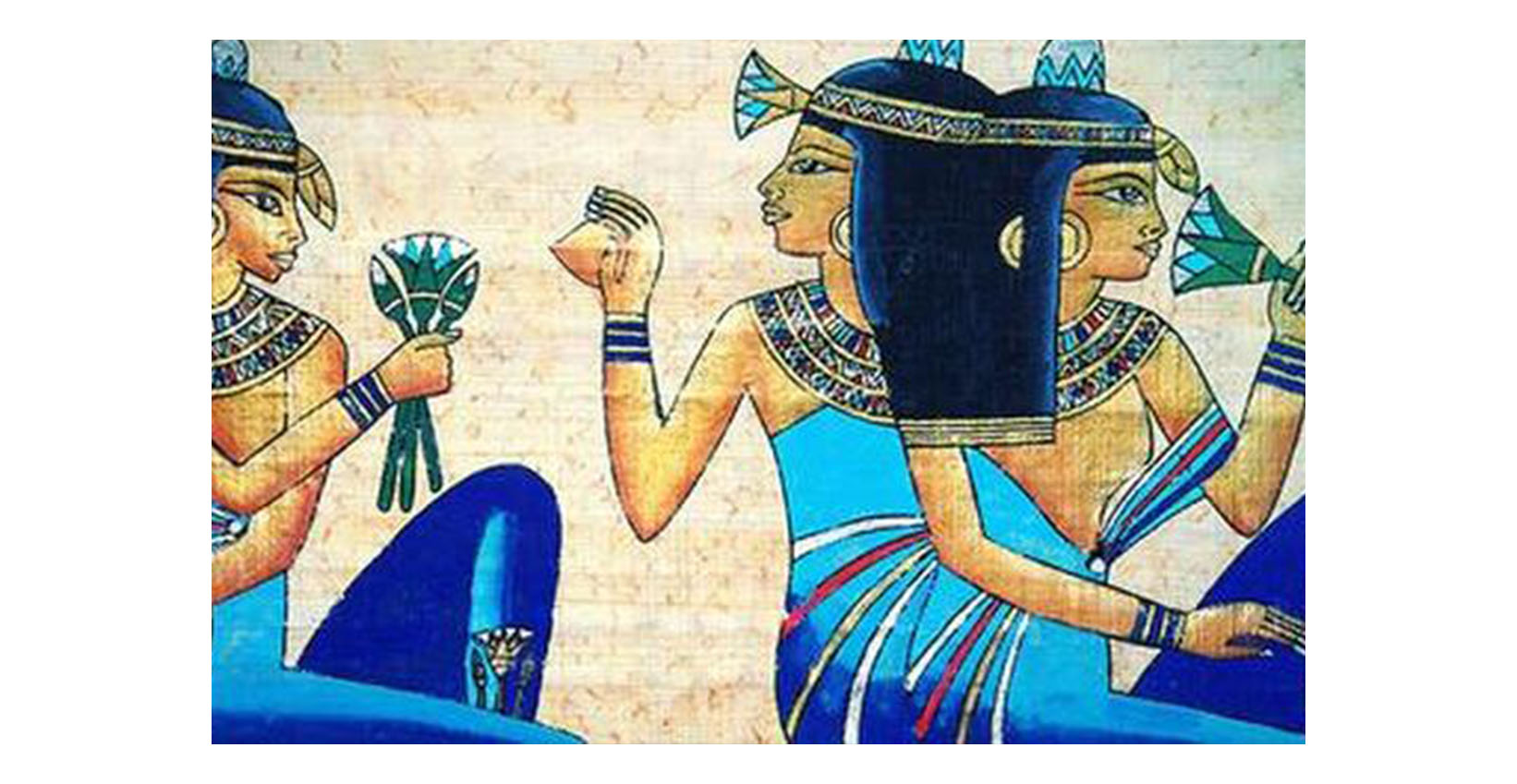
In Egyptian mythology, Blue Lotus was not an ornamental plant but a central religious symbol. It was associated with the creation myth: according to Heliopolitan traditions the sun god Ra rose each morning from a Blue Lotus opening on the primordial waters. The flower's opening at sunrise and closing at sunset was seen as a daily repetition of that creative act.
The plant was also closely linked to Nefertem, the god of beauty and perfume, depicted as a young man crowned with a Blue Lotus. Temple pillars at Karnak and Luxor are shaped after the flower; tomb paintings in the Valley of the Kings show the deceased inhaling Blue Lotus fragrance; and the mummy of Tutankhamun (c. 1323 BCE) was discovered beneath a layer of fresh Blue Lotus flowers — a ritual meant to accompany the passage into the afterlife.
On a more practical level, the Egyptians used Blue Lotus as an ingredient in wine infusions during banquets, as incense in temple offerings, and in cosmetic ointments. Hieroglyphic papyri describe recipes in which flowers were steeped in wine to release their active compounds — a method we still know today as "lotus wine".
The chemistry of Blue Lotus: apomorphine and nuciferine
What the Egyptians understood intuitively, modern science has only unpacked over the past century. Nymphaea caerulea contains two important alkaloids that account for its reputation as a relaxing plant: apomorphine and nuciferine.
Apomorphine is a dopamine receptor agonist — a molecule that acts on the same receptors as the natural neurotransmitter dopamine. In isolated, high-dose form, apomorphine has been used for decades in the medical treatment of Parkinson's symptoms (Auffret et al., 2018, Movement Disorders Clinical Practice). In Blue Lotus, however, the molecule occurs in very low concentration, embedded in a complex plant matrix — the effect is therefore mild and plant-medicinal in character, not a pharmacological dose.
Nuciferine is an aporphine alkaloid that also acts on dopaminergic and serotonergic receptors. Studies point to a gently working, calming influence on the nervous system. A chemical analysis of Blue Lotus extracts published in the Journal of Psychoactive Drugs (Poklis et al., 2017) confirmed the presence of both alkaloids in commercially available Blue Lotus products.
Alongside these two actives, the flower contains flavonoids, anthocyanins (responsible for the blue-purple colour), and a range of other phytocompounds. The mild relaxing effect traditionally attributed to Blue Lotus appears to come from the interplay of these compounds — not from a single active alkaloid.
Contemporary use
In the Western market, Blue Lotus has over the past fifteen years grown from an obscure ethnobotanical curiosity into a common smart shop product. The drivers are cultural: a growing interest in gentle, plant-based alternatives to synthetic sleep aids; the popularity of dream work and lucid dreaming practices; and the broader rediscovery of traditional plant wisdom in the wellness scene.
Users of Blue Lotus tea typically describe a sense of deep relaxation, mild mood lift and a quiet mind — without the next-morning grogginess that some synthetic sleep aids produce. Particularly often reported: more vivid dreams and better dream recall when used before bed. For anyone working with dreams or keeping a journal, that is a valuable effect.
The plant is used both on its own and in combination with other relaxing herbs. Classic combinations include chamomile, lavender and passionflower for sleep; with kanna for mood lift; or with a good red wine for a return to the original Egyptian recipe.
Preparation methods from tradition and practice
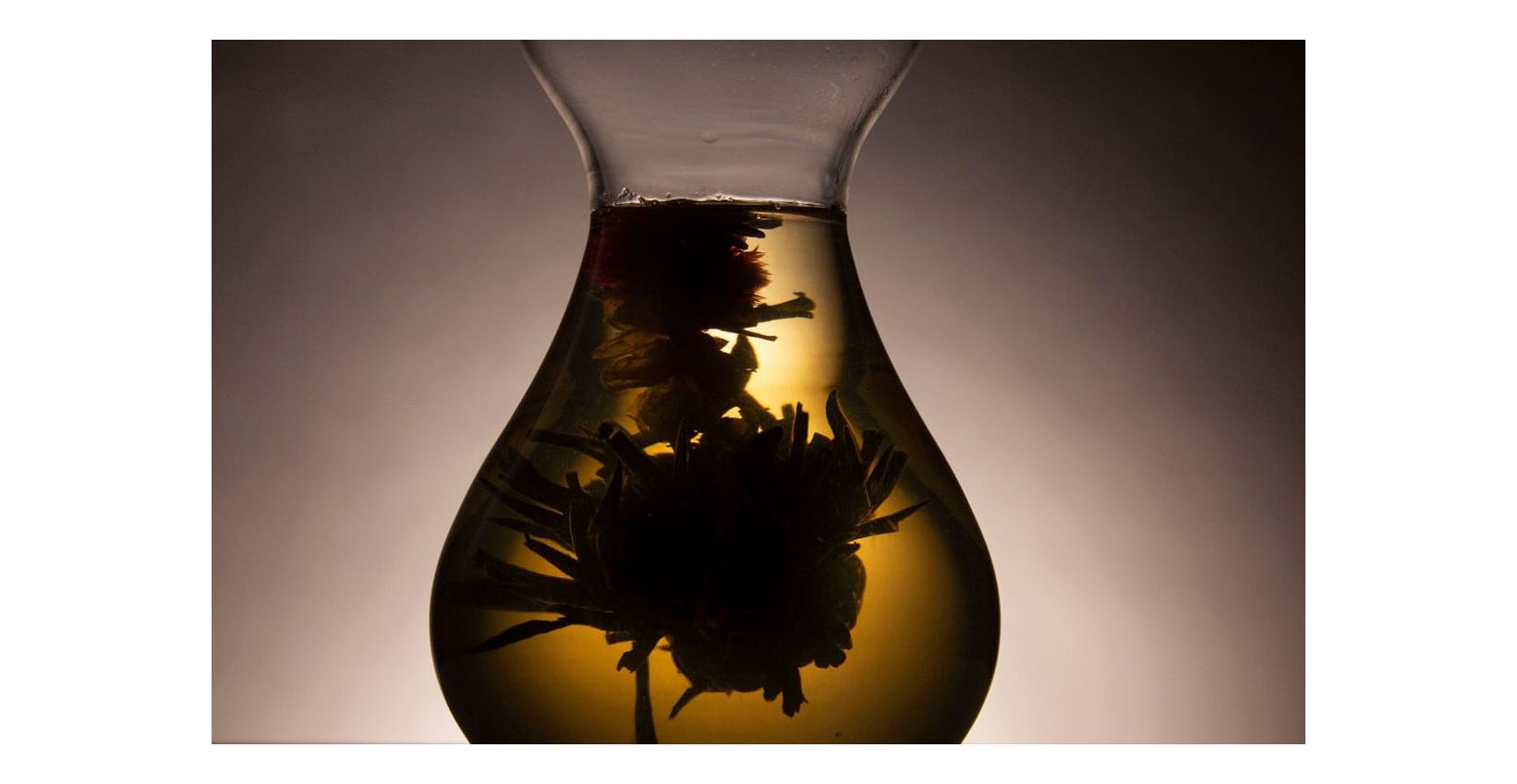
Blue Lotus can be prepared in several ways. Which form works best depends on the intended effect, personal preference and the desired intensity.
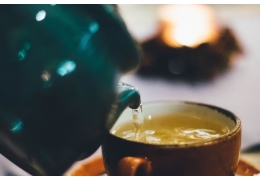
Blue Lotus tea (the most common method)
The classic herbal tea preparation. Simple, quick, and the most natural way to first encounter the plant.
- Take 2 to 3 tablespoons (3-5 grams) of dried Blue Lotus flowers per cup
- Heat water to 80-90°C — not boiling, to protect the more delicate alkaloids
- Pour over the flowers and cover
- Let steep for 10 to 15 minutes
- Strain and drink, optionally with a spoon of honey
Start low — one cup in the evening is enough for most people to feel the effect. Effects typically set in between 30 and 60 minutes and last 2 to 4 hours.
Blue Lotus wine (the Ancient Egyptian recipe)
Hieroglyphic papyri describe how Egyptian priests steeped Blue Lotus in wine for ceremonies and banquets.
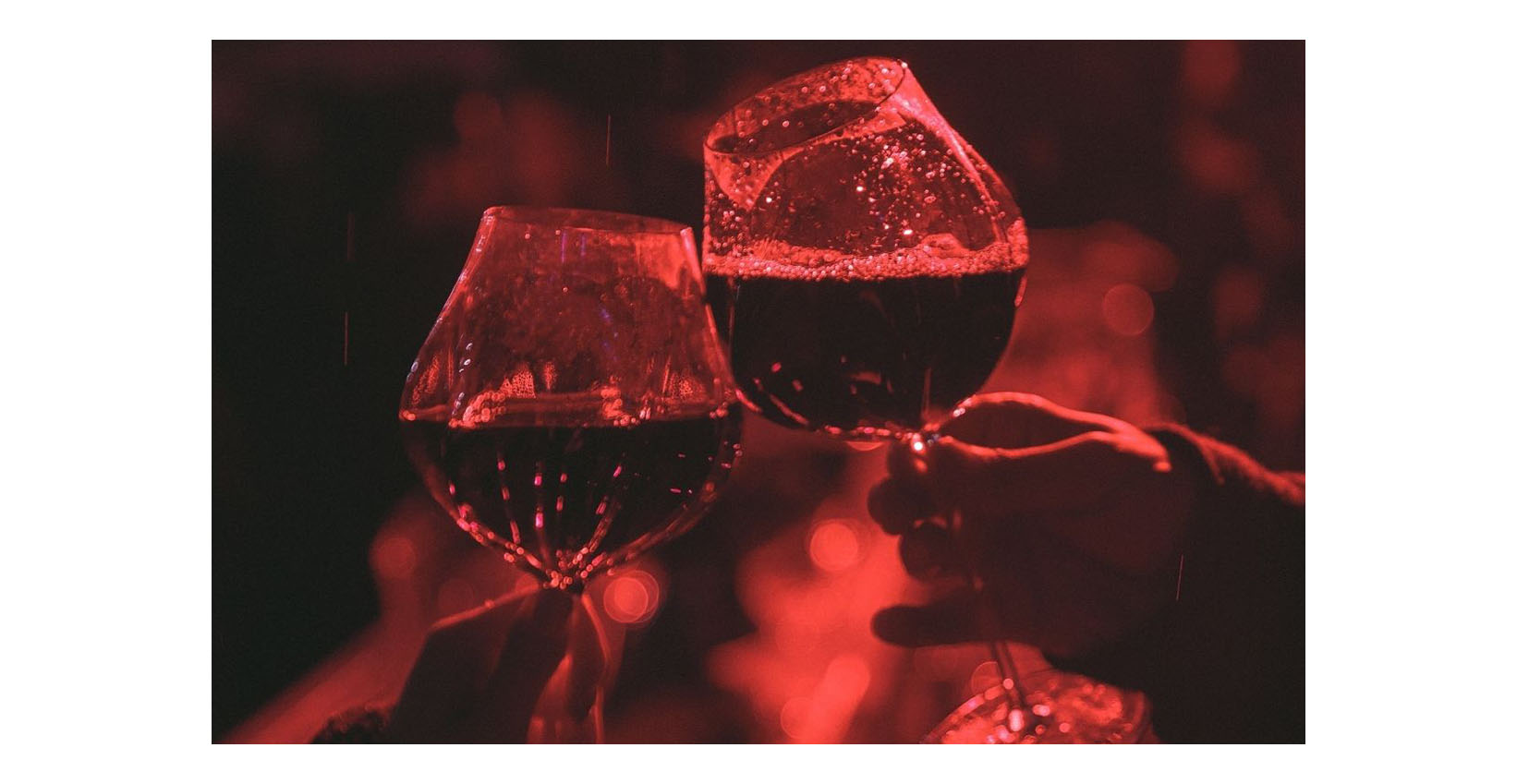
The basic recipe can be reconstructed today:
- Take a bottle of red or white wine at average alcohol percentage (12-13%)
- Add about 5-10 grams of dried Blue Lotus flowers
- Seal and leave to infuse for 1 to 2 weeks in a dark place, shaking gently each day
- Strain and serve
The alcohol acts as a solvent for the alkaloids, similar to a tincture. The result is a lightly aromatic, subtly working wine. Note: the combination of alcohol and active compounds enhances the relaxing effect — drink in moderation.
Tincture and extract
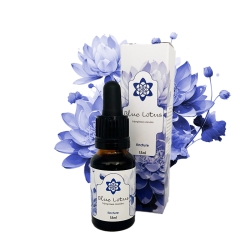
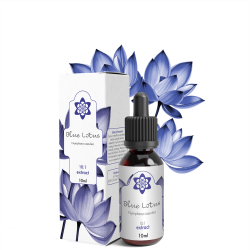
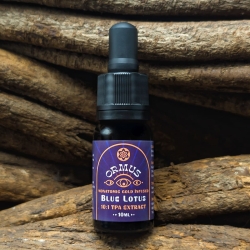
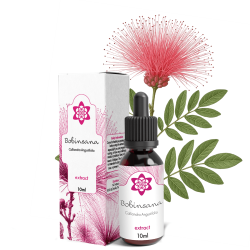
For those wanting faster and more targeted dosing, a Blue Lotus tincture and Blue Lotus 10:1 extract are both good options. Both are highly concentrated: a tincture typically in an alcohol base, an extract in a stronger (more concentrated) form. Start with a few drops sublingually (under the tongue) and build up carefully. Effects usually set in faster than with tea — within 15 to 30 minutes.
Combinations with other plants
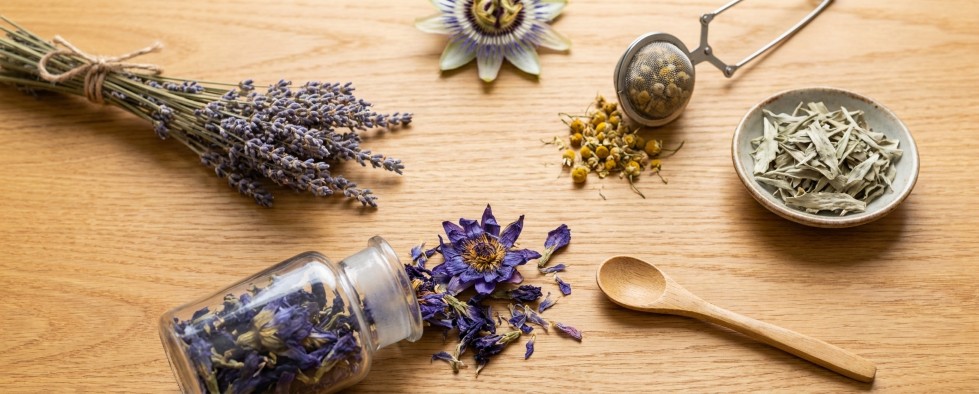
Blue Lotus combines well with other herbs, provided you are careful with dosage and watch for interactions. Some classics:
- Chamomile — strengthens the calming effect for evening use and sleep
- Lavender — synergy for relaxation and nervous system balance
- Passionflower — deeper calm, traditionally used for restlessness
- Kanna (Sceletium tortuosum) — for mood lift; see our complete Kanna guide
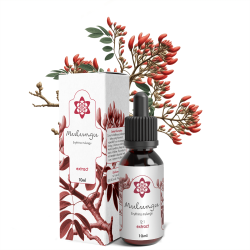
- Mulungu — Brazilian plant medicine for sleep, comparable in mildness
- Red or white wine — the Egyptian tradition, alcohol strengthens the effect, drink in moderation
Avoid combining with strong pharmacological sleep aids or dopaminergic medication (Parkinson's drugs, some antidepressants) without consulting a doctor first — apomorphine may theoretically interact with these classes.
Flowers, tincture or extract: which form when?
A comparison to simplify the choice between the three main forms:
| Form |
Effect onset |
Strength |
Best for |
| Dried flowers (tea/wine) |
30-60 min |
Mild, traditional |
Ritual, first encounter, dream work before sleep |
| Tincture |
15-30 min |
Concentrated |
Quick dosing, portable, precise control |
| Extract (10:1) |
15-30 min |
Strong |
Those who know the effect and want targeted action |
For anyone trying Blue Lotus for the first time, the dried-flower tea is the recommended start: gentle in onset, easy to dose, and historically authentic.
Safe use and contraindications
Blue Lotus is, for healthy adults at traditional doses, mild and well tolerated. There are still situations where caution or avoidance is appropriate:
- Pregnancy and breastfeeding — avoid as a precaution; safety research for this group is insufficient
- Parkinson's medication — apomorphine in the plant may theoretically interact with dopamine receptor agonists and MAO inhibitors
- Antidepressants (SSRIs, MAO inhibitors) — consult a doctor before use
- Combination with alcohol — strengthens the relaxing effect; moderate the amount
- Before driving or operating machinery — avoid due to the mild sedative action
- Allergy — as with any new plant: when in doubt, test with a small dose
When in doubt or when using medication: consult a doctor or pharmacist before starting.
Shelf life and storage
Properly stored, Blue Lotus products keep well:
- Dried flowers — airtight, dark and cool; at least 12 to 18 months. Avoid direct sunlight and moisture — the blue-purple anthocyanins break down otherwise
- Tincture — dark bottle at room temperature; 2 to 3 years through the alcohol base
- Extract — kept cool and dark; according to manufacturer guidance, typically 1 to 2 years
A fading to pale blue or grey signals oxidation and quality loss. Freshly dried flowers should have a deep purple-blue colour.
Comparison with other relaxing plants
For anyone weighing Blue Lotus against other plant-based relaxants:
| Plant |
Character of action |
Distinguishing feature |
| Blue Lotus |
Mild relaxation, light euphoria |
Known for dream work and vivid dreams |
| Kanna |
Mood lift, anti-stress |
More mood-modulating than relaxing |
| Mulungu |
Sleep, calming |
More sedation-focused; Brazilian tradition |
| Chamomile |
Mildly calming |
Safest and mildest, suitable for daily use |
| Lavender |
Relaxing, aromatic |
Works also via scent, not just internally |
Blue Lotus stands out chiefly for the dream-work aspect — a property most other relaxing herbs do not, or only weakly, share.
Blue Lotus and dream work
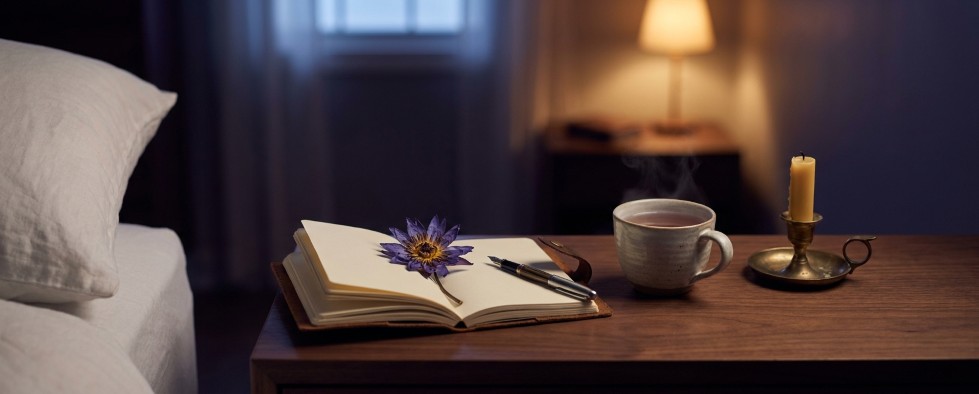
The most striking difference between Blue Lotus and other calming herbs is what regular users report about their dreams. An evening cup of tea before bed seems for many to correlate with more vivid dreams, better recall after waking, and sometimes also access to lucid dream states. Scientifically this aspect is still little studied, but it fits the pharmacological profiles of apomorphine and nuciferine — both of which affect dopaminergic and serotonergic systems that also play a role in REM sleep.
For those interested in dream work, a few simple habits provide a good starting point: drink the tea 30 to 45 minutes before bed, keep pen and paper (or a notes app) ready beside the bed for recording dreams immediately after waking, and build consistency — dream sensitivity grows with regular practice.
Why Next Level Smart?
- More than 10 years of experience in ethnobotanical products and their use
- Blue Lotus in three forms — dried flowers, tincture and 10:1 extract — for different preferences
- Controlled quality with lab tests for heavy metals and pesticides
- Discreet shipping across the Netherlands and throughout Europe
- Cross-reference with our other ethnobotanical blogs — Kanna, Sananga, Mulungu — for those wanting to explore further
Frequently asked questions about Blue Lotus
What exactly is Blue Lotus?
Blue Lotus (botanically: Nymphaea caerulea) is a water lily in the Nymphaeaceae family, originally native to the Nile region and today mostly cultivated in Southeast Asia, Thailand and India. The plant contains two important alkaloids — apomorphine and nuciferine — that account for the mild relaxing effect. It is a legal herbal tea in the Netherlands.
Is Blue Lotus the same as the Indian lotus?
No. Nymphaea caerulea (Egyptian Blue Lotus) and Nelumbo nucifera (Indian lotus, known from Buddhist iconography) are two different plants from different families. Both are called "lotus" in common usage, but they differ botanically in fundamental ways. When "Blue Lotus" is mentioned in a herbalistic or smart shop context, it almost always refers to Nymphaea caerulea.
How do you use Blue Lotus?
The three common methods: as tea (2-3 tablespoons of flowers in water at 80-90°C, steeped for 10-15 minutes), as tincture or extract sublingually, or steeped in wine following the Ancient Egyptian recipe. Beginners do well to start with the tea — mild, traditional and easy to dose.
What are the effects of Blue Lotus?
Users typically describe a mild sense of relaxation, light mood lift and calm. Many also report more vivid dreams and better dream recall when used before sleep. Effects are usually subtle and mild — not comparable to powerful sleep aids or pharmacological sedatives.
What alkaloids does Blue Lotus contain?
The two main actives are apomorphine (a dopamine receptor agonist, in low concentration) and nuciferine (an aporphine alkaloid affecting dopaminergic and serotonergic systems). The flower also contains flavonoids, anthocyanins (the blue-purple colour) and other phytocompounds. Source: Poklis et al. (2017) in the Journal of Psychoactive Drugs.
Is Blue Lotus legal in the EU?
Yes. Nymphaea caerulea is not listed under the Dutch Opium Act and is sold as a traditional herbal tea. The plant is freely available across the Netherlands and much of Europe for adults, offered in smart shops and herbal stores in dried, tincture and extract form.
How much Blue Lotus do you need for a cup of tea?
A common dose is 2 to 3 tablespoons (about 3-5 grams) of dried flowers per cup. Start lower (1-2 tablespoons) on first encounter and build up to preference. Let steep 10 to 15 minutes in water at 80-90°C — not boiling, to protect the delicate alkaloids.
What is the Egyptian lotus-wine recipe?
The basic recipe: leave 5-10 grams of dried Blue Lotus flowers to infuse for 1 to 2 weeks in a bottle of red or white wine (12-13% alcohol), in a dark place, shaking gently each day. Then strain and serve. The alcohol acts as a solvent for the alkaloids and strengthens the relaxing effect. Note: the combination of alcohol and plant action makes moderate drinking important.
What is the difference between Blue Lotus tincture and extract?
A tincture is a liquid solution in an alcohol or glycerin base, typically moderately concentrated and easy to dose drop by drop. An extract (such as 10:1) is a more strongly concentrated form in which the active compounds are further extracted — typically ten parts dry plant per one part end product. The extract acts more strongly but requires more precise dosing.
Can you combine Blue Lotus with other herbs?
Yes, and it is often done. Classic combinations include chamomile and lavender for enhanced calm, passionflower for sleep, kanna for mood lift, and mulungu for deeper sedation. Avoid combining with strong pharmacological sleep aids or dopaminergic medication without consulting a doctor.
Does Blue Lotus really help with vivid dreams?
Many users do report more vivid dreams and better recall on regular evening use. Scientifically this aspect is still little studied, but it is plausible: both apomorphine and nuciferine affect dopaminergic and serotonergic systems that are also active in REM sleep. For dream work: drink the tea 30-45 minutes before bed and keep a dream journal beside the bed.
Is Blue Lotus safe during pregnancy?
As a precaution, use during pregnancy and breastfeeding is not recommended. Safety research for these groups is insufficient, and apomorphine may theoretically affect hormonal balance and early development. Consult a midwife or doctor before using anything.
How do you store dried Blue Lotus flowers?
Store the flowers airtight in a dark glass or metal tin, in a cool dry place away from direct sunlight. Well stored, they keep for 12 to 18 months without quality loss. Avoid moisture and sunlight — the characteristic blue-purple anthocyanins break down and fade otherwise.
Which form is best for beginners?
The dried flowers for tea. Mild, traditional and easy to dose — the most natural first encounter with the plant. Tincture and extract are more practical for those who know the effect and want targeted action. Start with one cup of tea in the evening and build your experience.
Which medications should not be combined with Blue Lotus?
Be cautious with Parkinson's medication (dopamine receptor agonists and MAO inhibitors), certain antidepressants (especially SSRIs and MAO inhibitors), and strong sleep aids. Apomorphine in the plant may theoretically interact with these classes. Always consult a doctor or pharmacist when in doubt.
How long does Blue Lotus work?
With tea, effects typically set in between 30 and 60 minutes after drinking and last 2 to 4 hours. With tincture or extract, onset is faster (15-30 minutes) and duration roughly the same. The effects are cumulatively mild — no acute peak or sudden falling off.
Disclaimer: This blog is purely educational and discusses traditional and contemporary use of Blue Lotus (Nymphaea caerulea). The information is not medical or health advice. Consult a doctor or pharmacist before starting a new plant or supplement, especially during pregnancy, when using medication, or when you have existing health concerns.
Last update: June 2026 | Next Level Smart