Blog navigation

Latest posts

Party Pills Comparison: Happy Caps vs DNX Pills

Twenty party pills in the shop and no idea which to pick? This comparison puts Happy Caps, DNX and the new Party-E...

Read More
Liquid Spore Cultures vs Spore Prints: Which Should You Choose?

Liquid spore cultures and spore prints are the two main ways to start a mushroom cultivation project. This guide...

Read More
Incense Guide: Which Type of Incense Is Right for You?

With over 60 types of incense in our collection, choosing the right one takes a bit of knowledge. This guide compares...

Read More
Kuripe vs Tepi: Which Rapé Applicator Suits You?

Kuripe or tepi? These are the two tools used to administer rapé, and choosing between them changes the experience...

Read More

Sananga Eye Drops: Traditional Amazonian Guide


Last updated: March 2026
This guide is regularly updated with the latest insights about Sananga.

What Is Sananga?

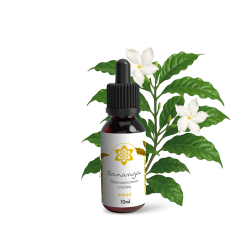
Sananga is a traditional eye drop preparation made from the roots and bark of the Tabernaemontana sananho shrub found deep in the Amazon rainforest. Indigenous tribes such as the Matsés and Kaxinawa have used this plant preparation for generations to sharpen visual perception and remove energetic blockages. In traditional context, Sananga plays a vital role in preparing for hunts and spiritual ceremonies.

Unlike conventional eye drops, Sananga works on multiple levels according to shamanic tradition. Users report a profound cleansing of energetic, emotional and spiritual layers. The intense sensation it produces is considered an integral part of the purification process, not merely a side effect.

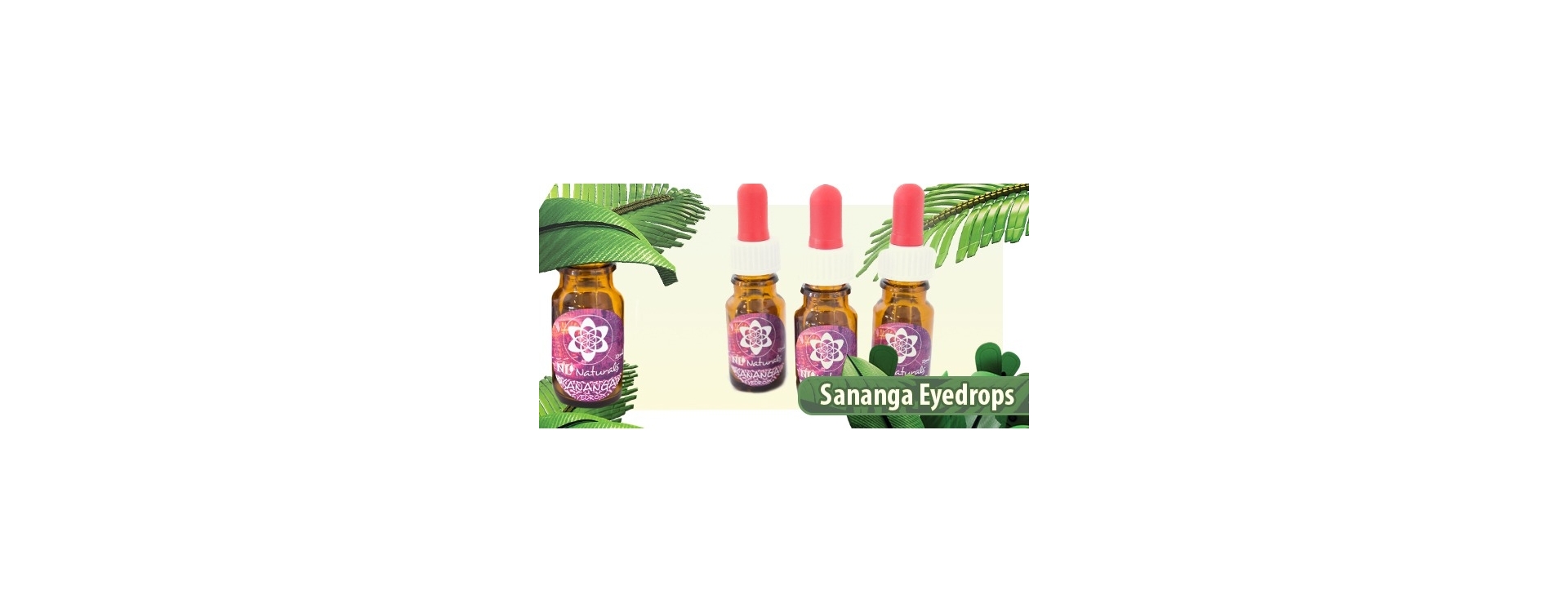
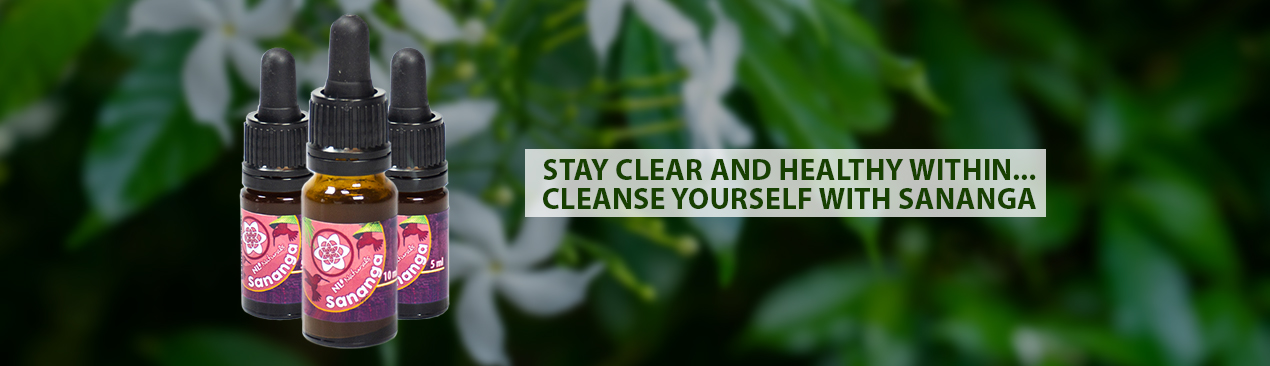
sananga eye drops traditional amazonian preparation

The History of Sananga

Sananga originates from the deep cultures of the western Amazon basin, particularly in Peru and Brazil. Tribes including the Matsés, Kaxinawa (Huni Kuin) and Yawanawa have applied this sacred plant preparation for countless generations. For hunters, Sananga was indispensable: it enhanced their perception in the dense jungle, allowing them to track prey more effectively in low light conditions.

In recent years, Sananga has gained recognition well beyond the Amazon. A growing number of people across Europe and North America are discovering this traditional preparation as part of their spiritual journey. Scientific interest in the bioactive compounds of Tabernaemontana species has grown substantially. Desmarchelier et al. (1996) documented the ethnopharmacological applications of this plant family.

How Is Sananga Made?

Sananga is prepared from the roots and bark of the Tabernaemontana sananho, a shrub that grows exclusively in the deep Amazon jungle. The preparation process is an artisanal tradition passed down through generations. The roots are carefully harvested, cleaned and then pressed to extract a clear liquid. This extract is filtered into a sterile solution suitable for use as eye drops.

The quality of Sananga depends heavily on the knowledge of the preparer and the origin of the plant. At Next Level Smart Shop, we work with experienced suppliers who source directly from communities in the Amazon region.

How to Apply Sananga: Step by Step

Applying Sananga is a mindful process that deserves attention and respect. The intensity of the experience varies between individuals, but most users describe the sensation as powerful. Shamans emphasise that this intensity is an essential part of the cleansing process.

  1. Preparation and intention
    Find a quiet, comfortable space. Lie down or recline. Set a clear intention for the session. Take several deep breaths to centre yourself.
  2. Apply the first drop
    Open one eye and place a single drop of Sananga into the inner corner. Allow the drop to spread naturally across the eye. Gently close your eye.
  3. Second eye
    Repeat with the other eye. Sananga is always applied to both eyes to maintain energetic balance.
  4. Breathe through the sensation
    An intense burning sensation is normal and typically lasts 5 to 15 minutes. Breathe slowly and deeply. Shamans advise leaning into the sensation rather than resisting it.
  5. Rest and integration
    Remain lying down with closed eyes for 10-15 minutes after the session. Most users experience deep relaxation and clarity as the sensation subsides.

Important: Never use Sananga whilst wearing contact lenses. Always remove them beforehand. If you experience persistent discomfort after use, consult an eye specialist.

Sananga and Shamanism in 2026

Interest in shamanic practices continues to grow globally. More people than ever are seeking authentic ways to explore their inner world. Sananga fits within a broader movement where traditional plant preparations from the Amazon are finding their way to conscious practitioners across Europe.

According to research from the scientific analyses, Tabernaemontana species contain multiple bioactive alkaloids, including coronaridine and voacangine. These compounds are currently being further investigated for their pharmacological properties.

Alongside Sananga, other Amazonian traditions have also gained popularity, including Kambo and Rapé. Together, these practices form a cohesive approach to spiritual purification that resonates with a growing number of Europeans.

Comparison: Sananga, Kambo and Rapé

Feature Sananga Kambo Rapé
Application Eye drops Skin (burn points) Nasal (blown)
Source Tabernaemontana sananho Phyllomedusa bicolor Herbal blend
Session duration 15-30 minutes 30-60 minutes 5-15 minutes
Primary purpose Visual and energetic cleansing Physical detox Mental clarity
Guidance needed? Recommended for beginners Always with facilitator Self-application possible

What to Look for When Buying Sananga

Not all Sananga on the market is of equal quality. There are several key factors to consider when purchasing Sananga eye drops to ensure you receive an authentic, effective product.

  • Origin - Choose Sananga sourced directly from communities in the Amazon region
  • Freshness - Sananga is a natural product with a limited shelf life. Store it in the refrigerator after opening
  • Purity - Quality Sananga contains only the extract of the Tabernaemontana sananho, without additives
  • Supplier - Purchase from a reputable supplier who is transparent about sourcing

Why Next Level Smart?

  • Direct import from the Amazon region through long-standing partnerships with indigenous communities
  • Sananga from the Kaxinawa tradition — prepared using traditional methods
  • Detailed guidance on dosage, application and storage
  • Discreet shipping with careful packaging to ensure shelf life

Related Traditions and Products

Sananga does not exist in isolation. It forms part of a rich tradition of shamanic practices from the Amazon basin. If you are curious about other sacred plant preparations, explore these related topics:

Frequently Asked Questions About Sananga

What exactly is Sananga?

Sananga is a traditional eye drop preparation made from the roots and bark of the Tabernaemontana sananho shrub found in the Amazon rainforest. Indigenous tribes have used it for generations to sharpen vision and cleanse energy. You can order Sananga from Next Level Smart Shop.

Does Sananga hurt?

Yes, Sananga produces an intense burning sensation that typically lasts 5 to 15 minutes. In shamanic tradition, this is considered part of the purification process. The intensity tends to diminish with regular use. After the sensation passes, most users experience deep relaxation.

How often can you use Sananga?

In traditional practice, Sananga is often applied daily during a treatment period, or occasionally for ceremonies. Many modern practitioners use it 1 to 3 times per week. Listen to your body and build up usage gradually.

Can you apply Sananga yourself?

Yes, Sananga can be self-administered. However, it is advisable to have guidance from someone experienced the first time. This way you know exactly what to expect and how best to manage the intense sensation.

How should Sananga be stored?

Store Sananga in the refrigerator after opening. It is a fresh, natural product without preservatives. Unopened bottles should be kept in a cool, dark place. Always check the expiry date on the packaging before use.

What is the difference between Sananga and Rapé?

Sananga consists of eye drops focused on visual and energetic cleansing, whilst Rapé is a herbal blend blown through the nose for mental clarity. Both originate from Amazonian tradition and are frequently used together in ceremonies.

Is Sananga safe for the eyes?

Sananga has been used by indigenous tribes for generations. It is important to purchase quality Sananga from a reputable supplier. Never use it with contact lenses in, and always consult an eye specialist if you have any concerns.

Where can I buy Sananga in Europe?

At Next Level Smart Shop, you can order authentic Sananga. We work directly with suppliers in the Amazon region and test every batch for quality. Shipping is discreet and fast throughout Europe.

Disclaimer: Sananga is a traditional plant preparation and not a registered medicine. The described effects are based on traditional use and personal experiences. Always consult a medical professional for eye complaints.

Last updated: March 2026 | Next Level Smart

 
Posted in: All posts
Rey is the creative force behind our webshop, blending practical experience with a deep interest in natural products, ritual, and conscious living. His work is rooted in quality, authenticity, and respect for traditional knowledge. Through his writing, he aims to bridge traditional wisdom with modern, conscious use, helping customers make informed and meaningful choices. By maintaining close relationships with many of the producers behind the products, he creates a bridge between their world and Western society. He shares their knowledge, vision, and methods with care, honoring both traditional practices and their place in a modern context. His favourite products are rapé, kratom, and magic mushrooms.
Loading...