Blog navigation

Latest posts

Mescaline Effects and Action: The San Pedro and Peyote Experience

Mescaline works differently from psilocybin or LSD: visually rich, embodied and grounding, with a long duration of...

Read More
San Pedro and Peyote: A Botanical Guide to the Mescaline Cacti

Two plant groups together form the world of the mescaline cacti: the columnar San Pedros from the Andes and the...

Read More
6 Magic Mushroom Myths Debunked: Fact or Fiction?

Magic mushrooms have a way of attracting wild stories. Jesus as a psychedelic cult figure, Santa as an...

Read More
Smudging & Energetic Cleansing: The Complete Ritual Guide

Smudging is an ancient ritual of energetic cleansing with the smoke of sacred plants. This complete guide covers...

Read More

Kanna: The Remarkable Plant Taking the West by Storm


You've probably heard of MDMA, but do you know about Kanna? This remarkable plant from South Africa is gaining popularity across the Western world. And there's good reason for that - Kanna has a lot to offer.

Last updated: April 2026
This guide is regularly updated with the latest insights.

This guide goes deeper into the mechanism than a standard introduction: from mesembrine and PDE4 inhibition to the interaction of four alkaloids in Kanna.

The Origins of Kanna

Long before we discovered Kanna, the San and Khoikhoi peoples of South Africa were already using this plant. They chewed the leaves during long hunting trips and social gatherings. Its scientific name is Sceletium tortuosum, but in this guide, we'll simply call it Kanna.

The first Western mentions of Kanna date back to the early 17th century. In 1610, trading ships en route to Asia were instructed to search for Kanna at the Cape of Good Hope. The plant was described as a mild stimulant that improved mood and was considered Africa's answer to ginseng - although Kanna works quite differently.

The Effects of Kanna: Active Compounds

Kanna's leaves contain special compounds that work together synergistically. The main player is mesembrine, an alkaloid that works in two ways in your brain. First, it increases the amount of available serotonin - a neurotransmitter that influences mood, sleep, and appetite. Additionally, mesembrine inhibits an enzyme called PDE4. PDE4 is an important enzyme in your body that regulates inflammatory processes, memory, and mood. By inhibiting this enzyme, Kanna can reduce inflammation and enhance cognitive function. This makes Kanna particularly interesting to scientists, as PDE4 inhibitors might help with various conditions.

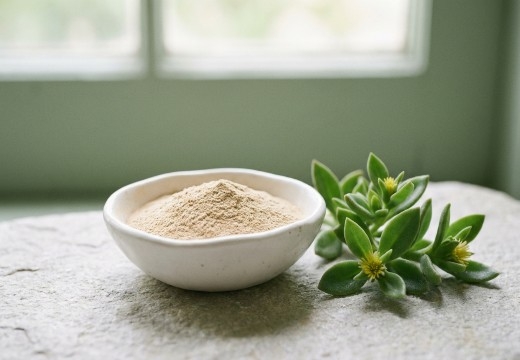
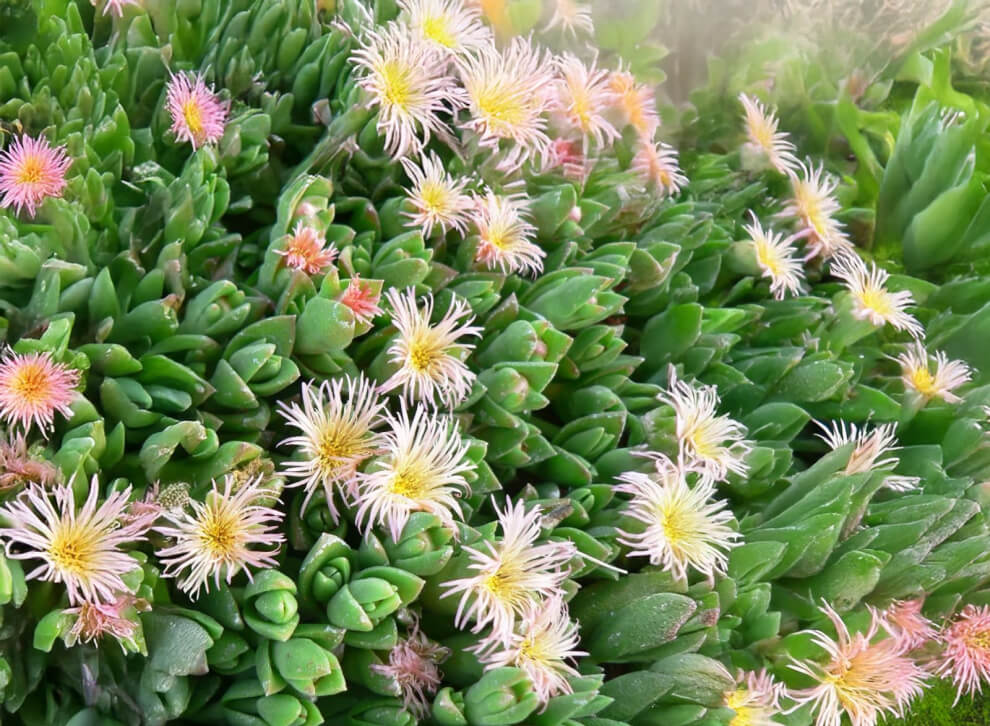
Kanna (Sceletium Tortuosum) growing

Scientists have discovered that Kanna is one of the most complex ethnobotanical plants in the world, containing at least 32 different chemical compounds. A particularly interesting substance is mesembrenone, which acts as both a serotonin reuptake inhibitor and a PDE4 inhibitor. This dual action might prevent users from quickly developing tolerance to Kanna's effects, unlike many substances that only affect serotonin.

But there are more players involved. These alkaloids work together with mesembrine:

  • Mesembrenone: this enhances mesembrine's effects and creates a calmer feeling
  • Mesembrenol: this contributes to the relaxing effects and can help improve sleep
  • Tortuosamine: scientists are still studying exactly what this compound does, but it appears to contribute to the calming effects

All these compounds work together in what scientists call the 'entourage effect.' Similar to cannabis, the combination of all compounds together produces a stronger effect than each compound individually.

Different Forms of Kanna

The Natural Form

When using the dried plant, for example as tea, the effects are usually mild. People often feel:

  • Happier and more relaxed
  • Mental clarity
  • Better able to concentrate
  • More energetic, but without nervousness

Kanna Extracts

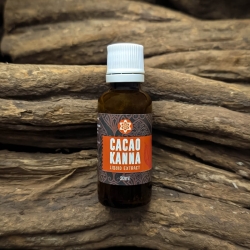
Stronger forms of Kanna, such as extract powders and liquid extracts, are very popular. The effects can be quite powerful. Users often notice:

  • A significant improvement in mood
  • Enhanced social interaction
  • Increased energy at lower doses
  • Deep relaxation at higher doses

Some people compare the effects of extracts to a mild form of MDMA. But remember: Kanna is distinctly different and not a replacement for other substances.

The History of Kanna

South African tribes have been using Kanna for centuries. They called it 'kougoed', which simply means 'chewing stuff'. Hunters took it on long expeditions to stay alert. It also played an important role in festivals and rituals.

An interesting historical detail is the traditional preparation method. After harvesting, the plant was ground and fermented before use. This fermentation process changed the plant's chemical composition: mesembrine levels decreased while mesembrenone levels increased, likely influencing the character of the effects.

Indigenous communities also used Kanna medicinally. They treated various ailments including nausea, stomach pain, headaches, and other complaints. It was considered a versatile remedy that could alleviate both physical and mental issues.

The Kanna Plant

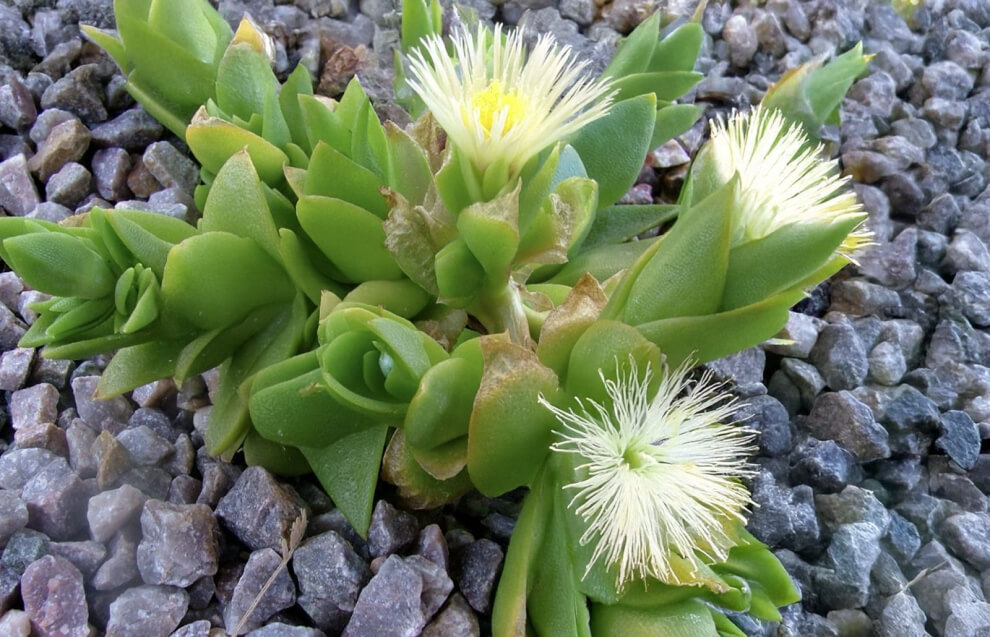
Kanna is a hardy plant perfectly adapted to South Africa's climate. It's a succulent - a plant that stores water in its leaves. It grows close to the ground and produces small yellow or white flowers. The leaves become thick and fleshy when the plant matures.

Kanna plant growing with flowers (sceletium tortuosum)

Scientific Research on Kanna

Scientific interest in Kanna is growing rapidly. Researchers are particularly studying how mesembrine works in our brains. It appears this compound works differently from classical antidepressants. There's also increasing evidence that Kanna can reduce inflammation in the body. This is due to its effect on PDE4.

Researchers are currently focusing on Kanna's role in stress and concentration problems. They're also trying to understand why some people respond more strongly to Kanna than others. This likely relates to small differences in our brains.
Safe Use of Kanna

Kanna is relatively safe, but keep these points in mind:

  • Always start with a low dose
  • Don't use Kanna if you're taking antidepressants (especially SSRIs / MAOIs)
  • Don't combine Kanna with plants like caapi, harmala, passion flower, or yohimbe
  • Avoid during pregnancy or breastfeeding
  • Be cautious with strong extracts

Useful Facts About Kanna

Is Kanna Legal?

Yes! Kanna is legal in most Western countries.

How Do You Use Kanna?

You can use Kanna in various ways: as tea, snuff powder, chewing material, extract, or in capsules. The method of consumption affects how quickly and strongly you feel the effects.

How Long Do the Effects Last?

This depends on how you use it:

  • Sniffing or smoking: 1-3 hours
  • Oral consumption: 4-6 hours
  • Sublingual: 2-4 hours

Are There Different Types of Kanna?

There's only one species of Kanna plant, but potency can vary. This depends on how and where the plant was grown and how it was processed.

Can I Grow It Myself?

Yes, you can! Kanna grows well as a houseplant. You'll need patience though - it takes a few years before the plant develops sufficient active compounds.
Can You Get Addicted to Kanna?

Kanna isn't considered highly addictive, but regular use can lead to tolerance. Some people feel irritable or tired when stopping after regular use. As with anything: use in moderation!

Can I Combine Kanna with Medications?

No, this is strongly discouraged. Kanna can interact with certain medications, especially those affecting serotonin. Always consult your doctor before combining Kanna with medications.
An important warning applies to people using MAOIs. These include certain antidepressants, but also natural substances like Syrian rue (Peganum harmala), ayahuasca vines (Banisteriopsis caapi), passion flower, and yohimbe. Combining these with Kanna can be dangerous.
What is 'Priming'?

Some people initially notice little effect from Kanna: their body sometimes needs to adjust to the plant before they fully experience its effects. This 'adjustment effect' is called priming. While there's no scientific evidence yet, this phenomenon has been known for quite some time.

Where to Buy Kanna

Want to try Kanna yourself? At Next Level, we only offer high-quality Kanna products that really work. From tea to powerful extracts - there's something for everyone. Lower doses provide an energetic, social boost, while higher doses induce deep relaxation, perfect for meditation. View our complete Kanna collection here.

In Conclusion

Kanna's popularity continues to grow, and for good reason. Perhaps Kanna could be a valuable addition to your life too. Whether you're interested in the mild effects of the natural plant or curious about the stronger extracts - start slowly, listen to your body, and only buy pure Kanna from a reliable source.

Why Next Level Smart?

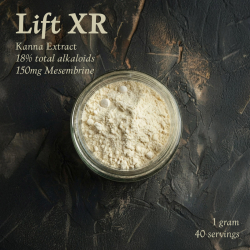
  • Wide selection of Kanna formats — from shredded leaf and tea to 18% LIFT XR extract
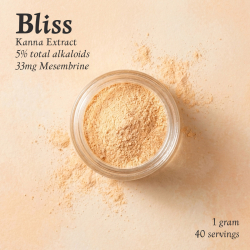
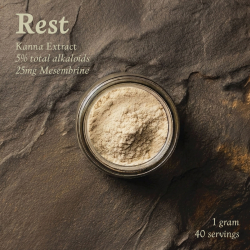
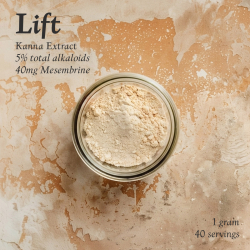
  • Own-label line — BLISS, REST, LIFT and DESIRE at 5% alkaloids, alongside established brands YeYo and Kannakki
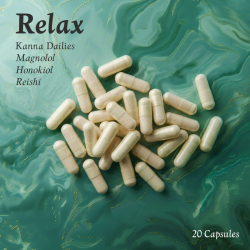
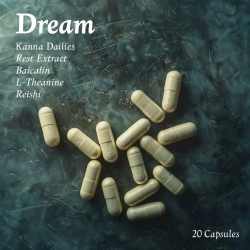
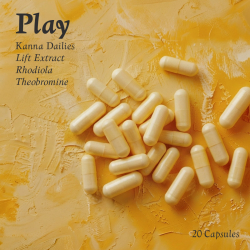
  • Four formats in stock — powder extract, liquid, shots and Dailies capsules
  • Active since 2010 as a Dutch smart shop — fifteen years of experience with ethnobotanical products and shipping from the Netherlands

Last updated: April 2026 | Next Level Smart Shop

 
Lex Johnson is a self-taught herbalist, language freak, musician and one of the writers behind the Next Level blog. His curiosity runs wide — from the differences between Criollo and Trinitario cacao to the latest psilocybin research. That same curiosity shows in the range of his writing. Lex covers everything from ceremonial cacao and kanna to magic mushrooms, salvia divinorum, kambo, party pills, healing herbs and product deep dives. In addition to a journalism foundation certificate, he holds a Bachelor of Fine Arts.
Loading...