Last updated: February 2026
This guide is regularly updated with the latest products and insights.
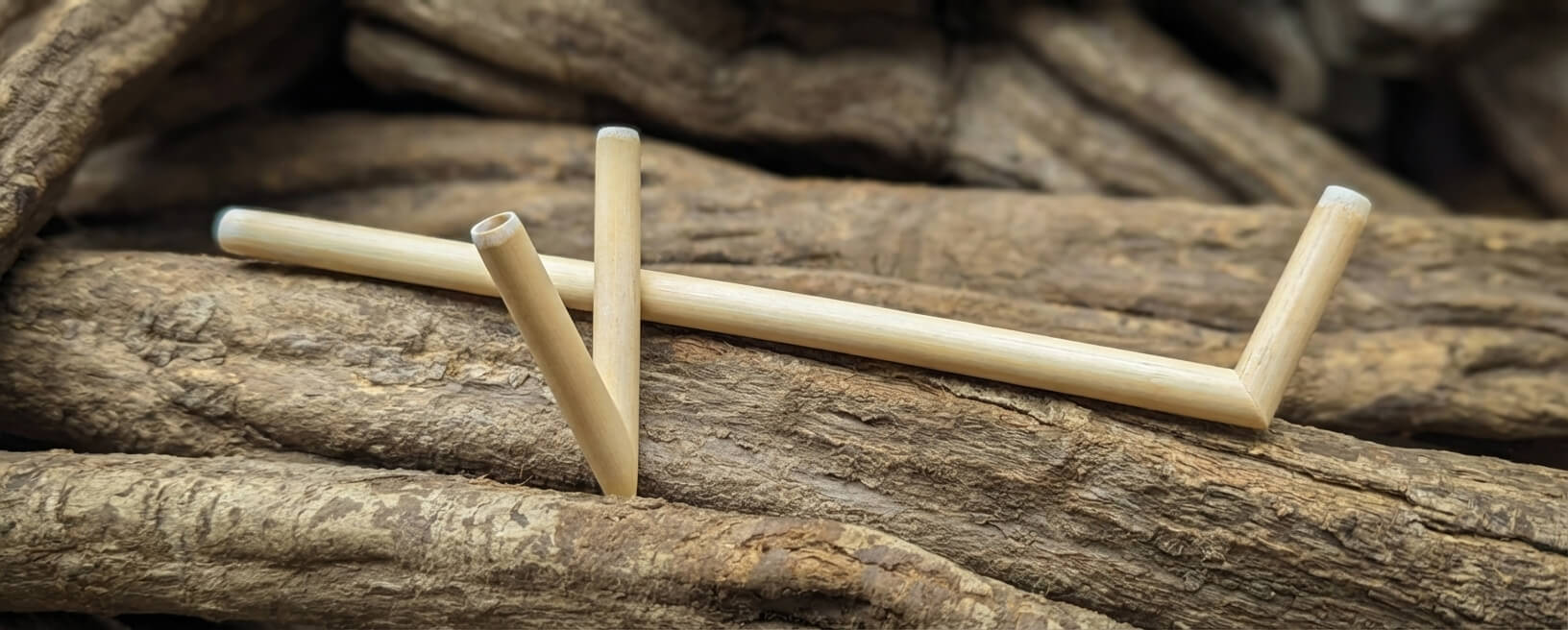
You have your rapé. Maybe you have been working with it for years. Maybe you just discovered it after reading our complete guide to rapé. Either way, the tool you use to administer it shapes the experience more than most people expect. That tool is either a kuripe or a tepi, and the one you choose depends on how you work with this sacred blend.
This guide covers everything you need to know about rapé applicators: the basics, materials, technique, and care.
What is a kuripe?
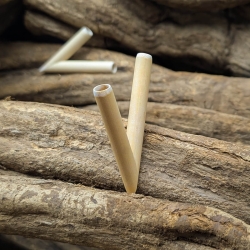
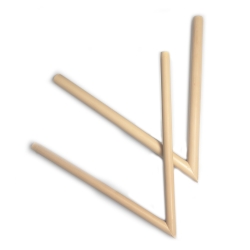
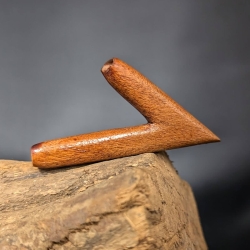
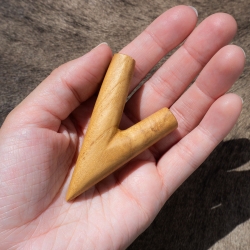
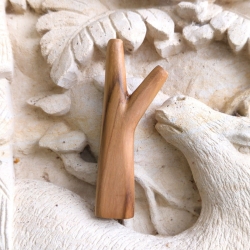
A kuripe is a self-application pipe for rapé. It is a small, V-shaped tool (typically 10 to 15 cm) with one end that goes into your nostril and one that goes into your mouth. You blow the rapé into your own nose with a short, firm breath.
The kuripe is the most personal way to work with rapé. You control the force, the timing, and the intention yourself. Nobody else needs to be present. For solo use, meditation, or anyone who works with rapé as part of a daily or weekly routine, the kuripe is the standard tool.
Browse our full kuripe collection to see what is available.
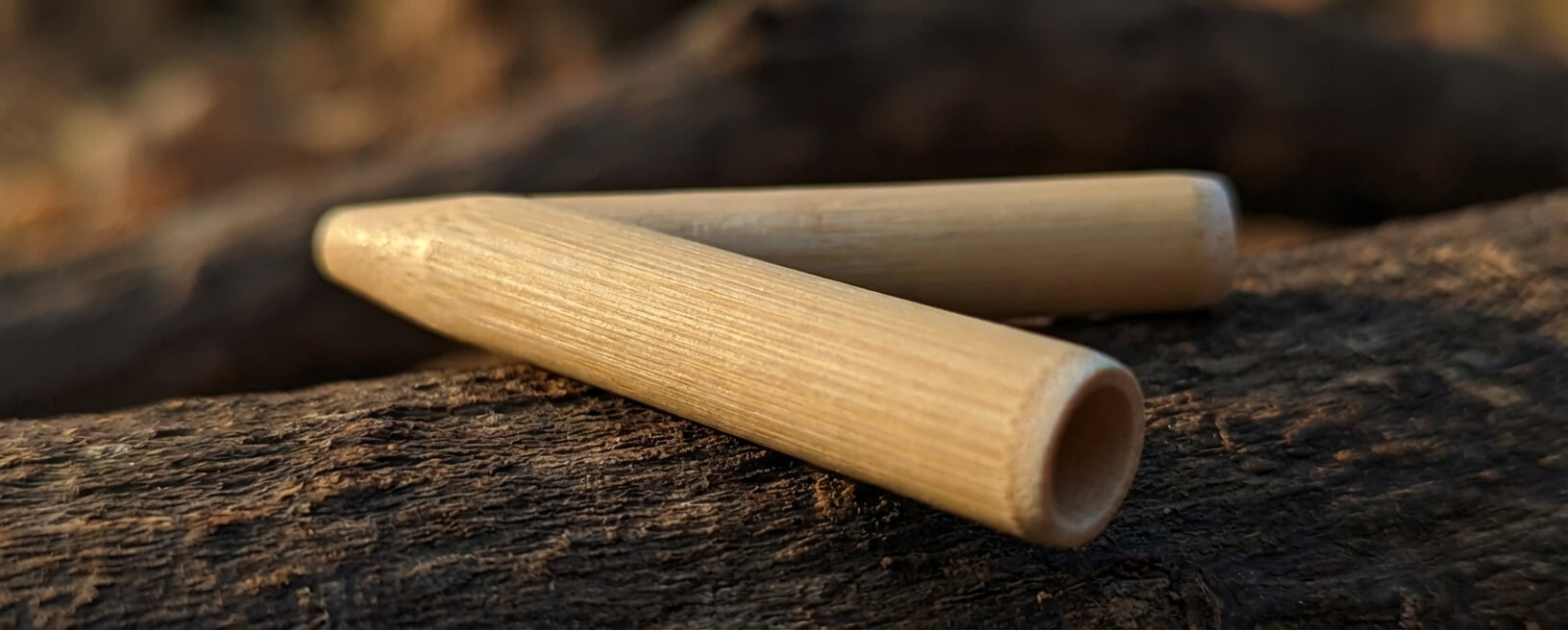
What is a tepi?
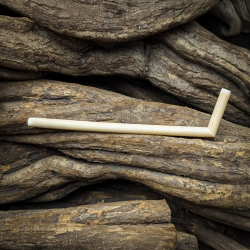
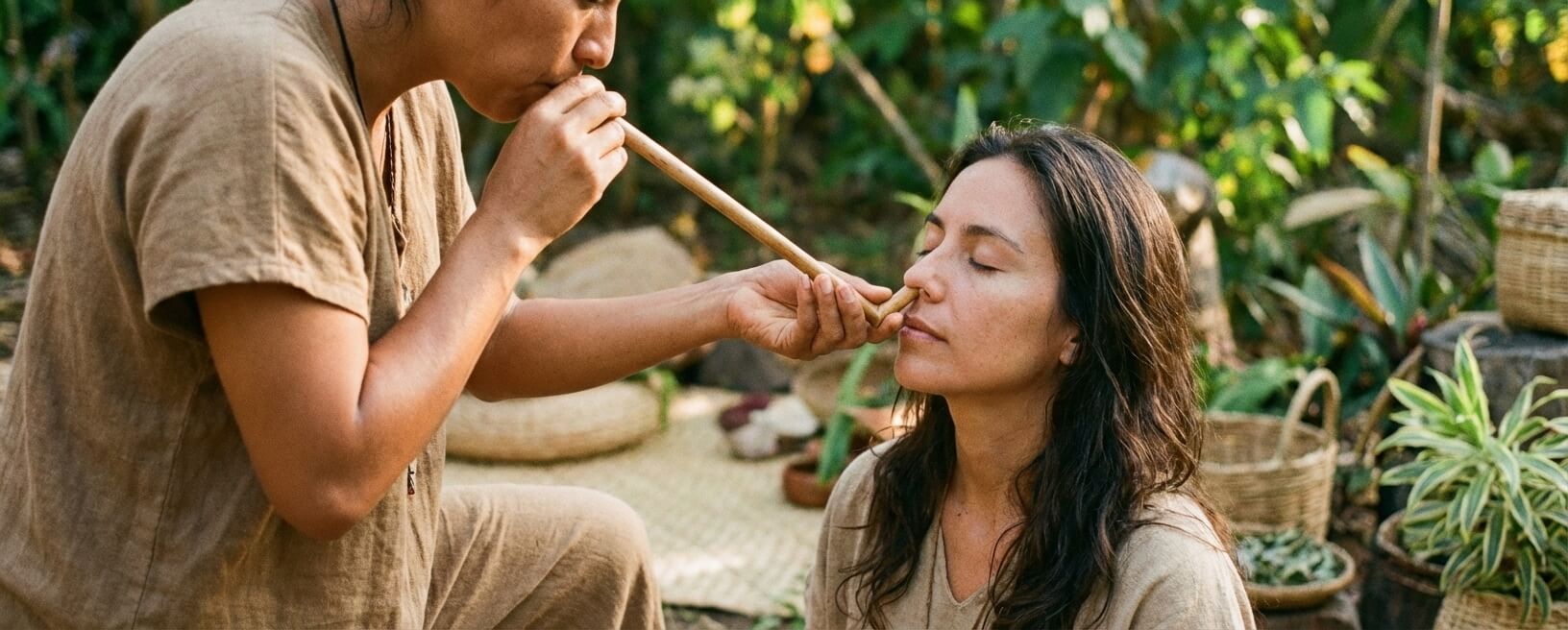
A tepi is a partner-application pipe. It is longer than a kuripe (usually 30 to 50 cm) and designed for one person to blow rapé into the nostrils of another. The receiver sits still while the person administering blows from the opposite end.
In indigenous Amazonian traditions, the tepi is the primary tool. A healer or experienced guide administers the rapé with intention and force calibrated specifically to the receiver. Ethnobotanical fieldwork among Huni Kuin and Yawanawá communities (Universidade Federal do Acre, 2024) found that these communities view receiving rapé through a tepi as something fundamentally different from self-application. The connection between giver and receiver is seen as part of the practice itself.
Tepis are essential in ceremonial settings, group work, and healing practices. If you facilitate ceremonies, attend rapé circles, or work with a partner, you need one. Explore our tepi selection.
The core difference
Kuripe = self-application. You blow for yourself. Inward, personal, independent.
Tepi = partner-application. Someone blows for you (or you for them). Relational, ceremonial, shared.
This is not just a practical distinction. It changes the nature of the experience. With a kuripe, you stay in full control. With a tepi, you hand that control to someone else.
Many people find that receiving rapé through a tepi feels notably stronger, even with the same blend and quantity. The reason is simple: another person can blow more powerfully and more evenly than you can manage yourself.
How to use a kuripe
-
Load the rapé
Place a small amount of rapé (roughly a pea-sized portion per nostril) into the V-shaped nostril end of the kuripe.
-
Position the kuripe
Place the nostril end gently into one nostril. Do not push too deep. Place the mouth end between your lips.
-
Set your intention
Close your eyes and take a moment to focus. Set a clear intention before you begin.
-
Blow firmly
Blow one strong, decisive breath through the mouth end. Do not hesitate: one firm blow is better than a soft, scattered one.
-
Allow the experience
Keep your eyes closed and breathe through your mouth. Give yourself a moment before repeating for the other nostril.
How to use a tepi
-
Load the rapé
The person administering loads rapé into the narrow nostril end of the tepi.
-
Position the receiver
The receiver sits comfortably with their chin slightly tilted down and mouth open.
-
Place the tepi
Gently place the narrow end into the receiver's nostril. Do not push too deep.
-
Connect before blowing
Make eye contact, share a nod or a breath together. This moment of connection is part of the practice.
-
Blow firmly and steadily
The administrator blows one strong, steady breath through the mouth end of the tepi.
-
Allow and repeat
The receiver keeps their eyes closed and breathes through the mouth. Repeat for the other nostril.
Tip: The most common beginner mistake with both tools is blowing too softly. A weak blow scatters the rapé inside the pipe instead of sending it cleanly into the nose. Commit to one firm breath. You can always use less rapé, but the blow itself needs to be strong.
Materials: what difference do they make?
Rapé applicators come in different materials, and the choice is more than aesthetic. The material affects weight, durability, feel in the hand, and (for some people) the energetic quality of the session. A 2023 review of traditional Amazonian rapé implements (Journal of Ethnopharmacology) found that indigenous communities have historically chosen specific woods and bones for both their symbolic meaning and practical qualities.
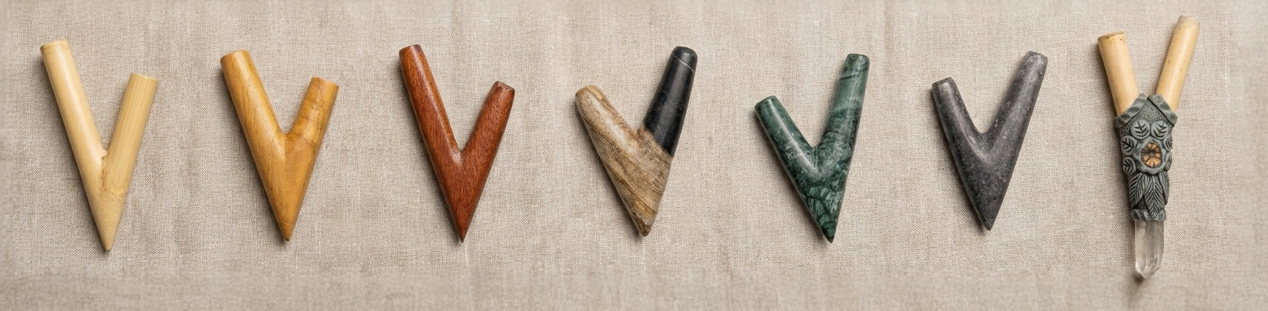
Bamboo
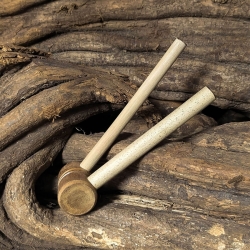
The most traditional and widely used material. Bamboo is lightweight, smooth, and affordable. Indigenous communities in the Amazon have used bamboo applicators for generations. It grows abundantly and is easy to shape. Our Bamboo Kuripe and Tepi Applicator Bamboo V are the go-to options for anyone starting out or preferring simplicity.
Travel a lot? The Tepi Bamboo Short fits easily in a bag or pouch.
- Weight: Very light
- Durability: Good with proper care, but can crack if neglected
- Feel: Smooth, neutral, natural
- Price: Most affordable
Hardwood: teak, meranti, crocodile wood
Hardwood applicators are heavier, denser, and often more refined in their finish. They feel grounding in a way that bamboo does not. Three woods stand out in our collection:
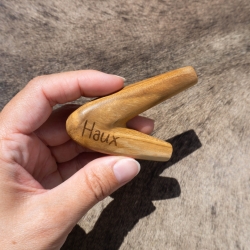
Teak (jati): A premium Indonesian hardwood with natural oils that protect against moisture. Available in several designs: the classic Kuripe Applicator Jati, the elegant Standing Kuripe Jati that stands upright on any surface, and the Haux Kuripe engraved with the Amazonian greeting "Haux". Warm golden-brown tones with beautiful grain patterns.
Meranti: A reddish-brown hardwood, carved from a single piece with no glued joints. The Kuripe Applicator Meranti is noticeably sturdier than bamboo and has a satisfying weight in the hand.
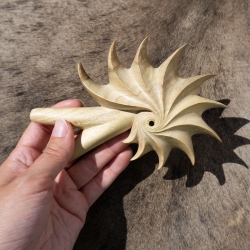
Crocodile wood: A rare tropical hardwood with a natural scale-like pattern. The Spiral Shell Kuripe is a striking example, masterfully carved with an exotic, organic look.
- Weight: Medium to heavy
- Durability: Excellent. Hardwood ages beautifully
- Feel: Grounding, substantial, warm
- Price: Mid to upper range
Crystal and stone
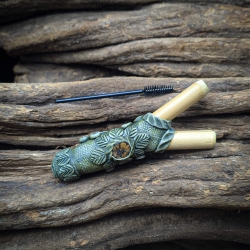
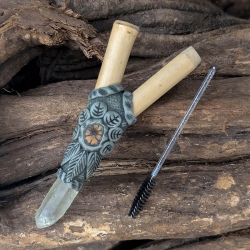
Some kuripes feature natural crystals or gemstones. The Kuripe Crystal combines a bamboo base with a real crystal. Each piece is unique, and the crystal type varies. If you work with crystals or like to set specific energetic intentions, these kuripes are worth exploring.
- Weight: Varies
- Durability: Handle with care. Crystals are fragile
- Feel: Distinctive, energetically charged
- Price: Higher range
Leather-wrapped
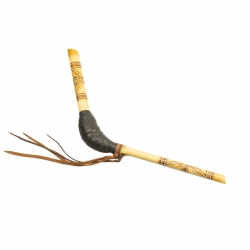
The Tepi Leather Bamboo Black wraps bamboo in hand-tooled black leather with pyrography decoration. It is handmade by Shirley in Maranhao, Brazil, and every piece has unique patterns. The leather adds grip and visual warmth. A favourite among people who appreciate craftsmanship and want a tepi that looks as good as it works.
Choosing the right applicator for your practice
|
Kuripe |
Tepi |
| Use |
Solo, self-application |
Partner, ceremonial |
| Control |
Full personal control |
Shared. You surrender control |
| Size |
10-15 cm, portable |
30-50 cm |
| Setting |
Daily practice, meditation, travel |
Ceremonies, circles, healing work |
| Experience |
All levels |
All levels (administrator needs practice) |
| Connection |
Inward, personal |
Relational, shared |
Just starting with rapé? Begin with a Bamboo Kuripe. It is affordable, practical, and lets you develop your relationship with rapé at your own pace. Not sure which blend to start with? Our guide to picking a rapé blend helps narrow it down.
Attending ceremonies or working with a partner? Add a tepi. Many experienced users own both: a kuripe for daily personal use and a tepi for shared work.
Want both in one tool? The Adjustable Kuripe-Tepi lets you switch between kuripe and tepi mode. Practical if you are still figuring out which style suits you best.
Travelling a lot? The Kuripe with Powder Container has a built-in 10 ml rapé reservoir. No separate container needed. Everything in one piece, made by the Tete Pawa collective in the Brazilian Amazon.
If you use rapé specifically for focus and clarity during work or study, our guide to the best rapé for focus helps you pair the right blend with your applicator.
What our customers say
"I started with a bamboo kuripe and figured that was all I needed. Then a friend used a tepi on me during a ceremony and it was a completely different experience. Now I use both: the kuripe in my morning routine and the tepi when I sit with others."
— Tom, 34, Amsterdam (January 2026)
The Kuntanawa collection: handmade from the Amazon
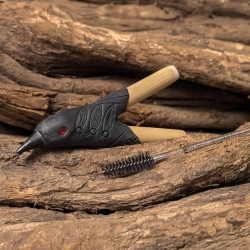
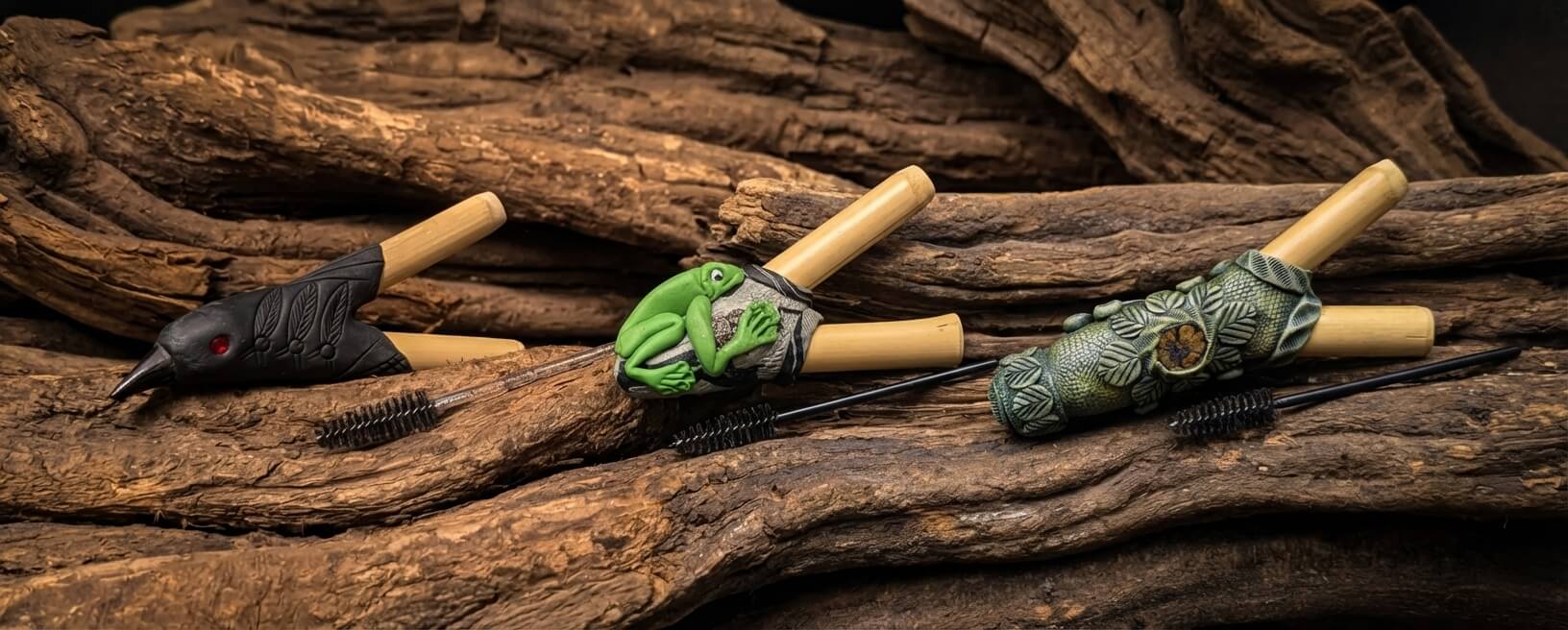
For those who value craftsmanship and cultural authenticity, the Kuntanawa tribe produces a series of hand-carved bamboo kuripes. Each piece is made in the Brazilian Amazon and features animal motifs from the natural world:
- The Black Bird Kuripe: shaped like a bird in flight
- The Kambo Frog Kuripe: adorned with detailed frog motifs
- The King Lizard Kuripe: a scaled lizard design with gemstone detail
Because they are handmade, no two pieces are identical. These kuripes sit at the intersection of functional tool and art object. Want to know more about the tribal traditions behind rapé? Read our article on the Huni Kuin tribe and our deep dive into how rapé is made.
Care and maintenance
A well-maintained applicator lasts years. Neglect it, and you will notice: residue builds up, airflow weakens, and bamboo can crack. Here is how to keep yours in good shape.
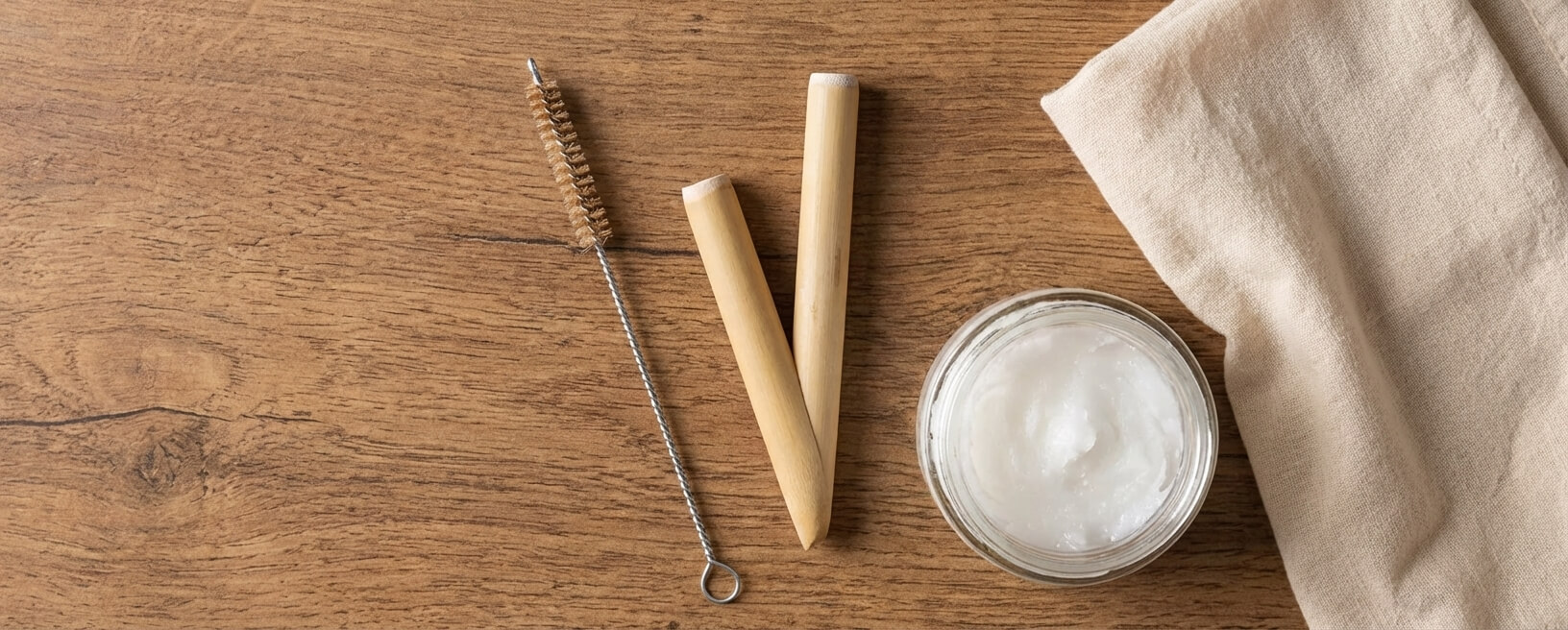
After each use
- Blow through the pipe firmly (without rapé) to clear residue
- Wipe both ends with a clean, dry cloth
Weekly (or more if used daily)
- Run a pipe cleaner or thin brush through the inside
- For bamboo: apply a thin layer of coconut oil to prevent drying and cracking
- For hardwood: wipe with a barely damp cloth, then dry immediately
- For leather: condition occasionally with natural leather balm
Storage
- Keep in a dry place, away from direct sunlight and heat
- Use a pouch or protective case, especially for crystal kuripes
- Never store while still damp
Good to know: Bamboo and wood are living materials. Minor colour changes, small surface marks, and subtle shifts in tone over time are completely normal. Your applicator develops character through use. That is not a defect.
Frequently asked questions about kuripes and tepis
What is the difference between a kuripe and a tepi?
A kuripe is for self-application: you blow rapé into your own nose. A tepi is for partner application: one person blows rapé into another person's nostrils. The kuripe is small and V-shaped (10-15 cm), while a tepi is a longer, straight pipe (30-50 cm).
Which rapé applicator is best for beginners?
A
bamboo kuripe. It is lightweight, affordable, and lets you practise self-application at your own pace. Once you are comfortable with the technique, you can explore different materials or add a tepi for shared sessions.
Can I use a tepi on myself?
No. A tepi is too long for self-application. The design requires two people. If you want to use rapé alone, you need a kuripe. The
Adjustable Kuripe-Tepi offers both modes in one tool if you need versatility.
How much rapé should I put in a kuripe or tepi?
Start small: roughly a pea-sized amount per nostril. With experience you will find the quantity that works for you. Different
rapé blends vary in strength, so adjust accordingly.
How do I clean my kuripe or tepi?
After each session, blow through the pipe firmly to clear residue and wipe the ends with a dry cloth. Weekly, use a pipe cleaner for the inside. Apply coconut oil to bamboo applicators to prevent cracking. Never store a damp applicator.
Does the material of my applicator affect the rapé experience?
In practical terms, the rapé moves through any pipe the same way. But many users notice differences in feel and intention. Bamboo is light and neutral. Hardwood adds weight and grounding. Crystal brings an energetic dimension. Choose what resonates with your practice.
How long does a bamboo kuripe last?
With proper care (regular cleaning and occasional oiling), a bamboo kuripe lasts 1 to 3 years of daily use. Hardwood applicators typically last longer. Signs it is time for a replacement: visible cracks, persistent residue smell despite cleaning, or a loose fit between pipe sections.