Last updated: June 2026
This guide is regularly updated with the latest insights.
Why cacao has so many names
One package says Criollo, another says Trinitario. Then you've got Fine Aroma, Arriba Nacional from Ecuador, and Beniano from Bolivia. One seller swears Criollo is "the best," another insists Trinitario is superior. And Forastero? Apparently that's industrial junk - but why is Arriba Nacional so highly praised when it's technically Forastero too?
Confusing, right? The problem is how cacao gets classified: there are two completely different systems that get mixed up constantly. One looks at genetics (Criollo, Trinitario, Forastero), the other at quality and flavor (Fine Aroma versus bulk). And they only partially overlap.
Imagine buying coffee and someone tells you "Arabica is always better than Robusta" - but then it turns out some Robusta is sold as specialty coffee under a different label. That's basically how it works with cacao too.
Three genetic families (and why that's not everything)
All cacao trees fall under three genetic families. Think of dog breeds - a dachshund and a shepherd are both dogs, but genetically different. Cacao works the same way.
Criollo is the original, wild cacao from Central America. Rare - only about 5% of world production. Thin shells, little bitterness, complex flavor with often nutty or fruity notes. The name means "native" in Spanish. This cacao is disease-prone and gives lower yields. That's why most farmers prefer growing other types.
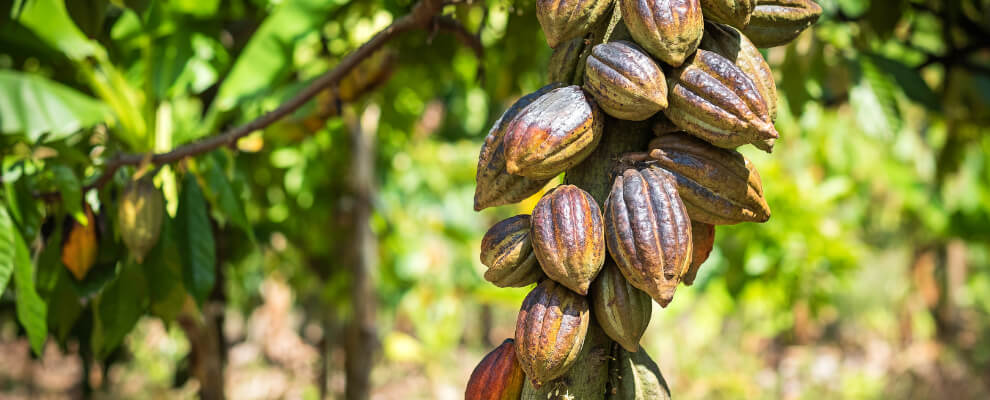
Trinitario emerged in the 18th century on Trinidad when a natural disaster nearly wiped out all local cacao trees. What survived crossbred with imported beans. The result: a hybrid that combines Criollo's refined flavor with Forastero's resilience. Trinitario makes up about 10-15% of the world harvest. Much of it is excellent ceremonial quality.
Forastero literally translates to "foreigner" and forms 80-85% of all cacao worldwide. The workhorse of cacao farming: robust, productive, disease-resistant. Most industrial chocolate comes from this. The flavor is more direct, earthier, with more bitterness. But some Forastero varieties are so special they do get classified as Fine Aroma. That's where it gets interesting.
Good to know: The genetic family tells you something about botanical background, but not automatically about quality. Well-maintained Trinitario from small farmers can be better than poorly processed Criollo from large-scale production.
Fine Aroma: where quality is really determined
Now comes the second layer. International cacao trading recognizes two categories: "bulk cacao" (roughly 95% of the market) and "Fine Aroma" or "Fine Flavor" cacao (5-8% of world production) - two names for the same thing. Fine Aroma / Fino de Aroma is recognized by the International Cocoa Organization (ICCO) and comes from specific regions with special terroir and careful cultivation.
Here's where it gets confusing. A Criollo is almost always Fine Aroma. A Trinitario can be Fine Aroma, but doesn't have to be. And even certain Forastero varieties get Fine Aroma status if they're exceptionally high quality. Arriba Nacional for example - genetically Forastero, but recognized as Fine Aroma for a long time.
For ceremonial applications, Fine Aroma matters. This cacao has more complex flavor profiles, often comes from small-scale farmers using traditional methods, is fermented and dried more carefully, and has higher concentrations of compounds like theobromine. The cacao we sell all falls in the Fine Aroma category - even though the varieties have different genetic backgrounds and the description doesn't always mention 'Fine Aroma'.
The varieties you'll encounter
Let's look at the specific types of ceremonial cacao and why they differ.
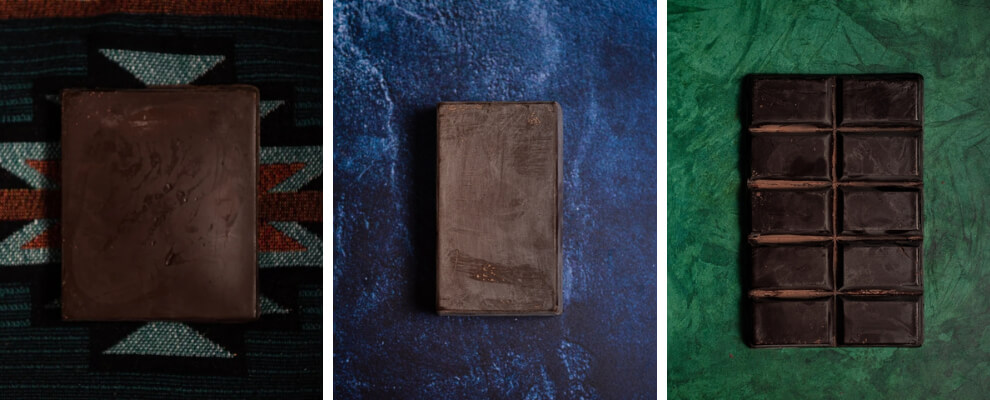
Arriba Nacional from Ecuador: This is where it gets interesting. Arriba Nacional is genetically Forastero, but has been recognized as Fine Aroma for centuries. The name comes from colonial times when traders asked where the best cacao came from and locals pointed upstream ("arriba").
This cacao grows in Ecuador's Amazon regions. The flavor profile surprises many people: full, creamy, with distinct floral and fruity notes. Not the sharp bitterness you'd expect from Forastero. The ceremonial experience is often described as gentle but profound - a feminine energy that opens softly.
Our Arriba Nacional paste comes directly from the rainforests of Misahuallí and Napo. You'll taste the difference from standard cacao immediately: where industrial cacao often tastes flat and one-dimensional, here you get layers that unfold in your mouth.
Native Criollo from Peru: When people talk about "pure" cacao, they often mean Criollo. These beans from the Peruvian Amazon are heirloom varieties - old, unchanged genetic lines that have existed for hundreds of years without crossbreeding.
The flavor is subtler than you might expect. No overwhelming chocolate explosion, but delicate nuts, a hint of caramel, sometimes floral undertones. Ceremonially, Criollo is often associated more with clarity and focus. The energy feels somewhat 'lighter' alongside the heart-opening effect.
Our Peru Native Criollo, like all our cacao, comes from small cooperatives that work without synthetic fertilizers or pesticides. The beans are cold-processed below 42°C, which means sensitive compounds stay intact.
Beniano from Bolivia: This is cacao as it originally was: wild. In the Beni province of northeast Bolivia grows a cacao variety that has evolved undisturbed for centuries, without crossbreeding. Locals still harvest the beans wild instead of growing them on plantations.
Beniano has something primal. The flavor is more intense, earthier, with a power you feel immediately. People who drink Beniano for ceremonies often describe it as grounding, connecting with the earth.
This wild Beniano is rare. No large plantations, no standardized production. What you get is pure, wild cacao like people first used thousands of years ago.
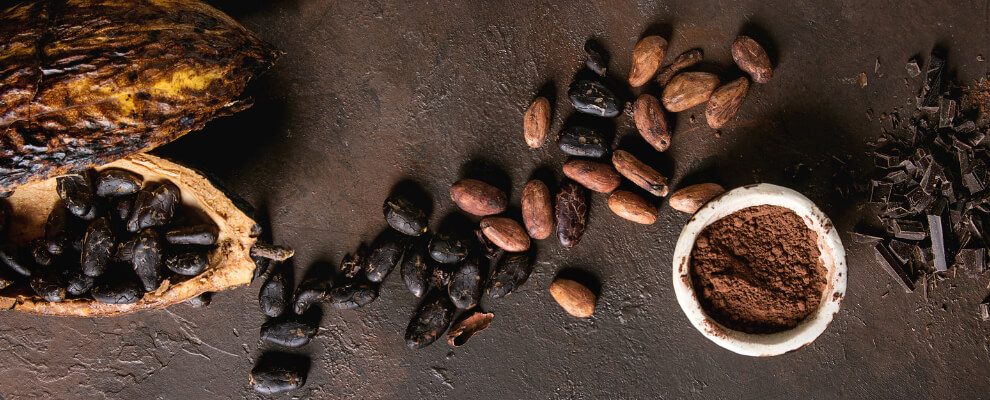
Trinitario from Mexico: Trinitario doesn't get enough credit. Because it's a cross, people sometimes think it's "less pure." But the best Trinitario combines the best of both worlds: Criollo's refined flavor with Forastero's resilience and body.
Our Mexican Trinitario from Tabasco comes from the Díaz Acuña family, who've been working with about three thousand cacao trees for over twenty years. The flavor is full and round, with subtle fruity notes and a rich chocolate body. Ceremonially, this cacao feels balanced - not too light, not too heavy. Suitable for both beginners and experienced users.
For beginners: Trinitario is often a good first choice. The flavor is accessible, the energy is balanced, and it's usually somewhat cheaper than rare Criollo or Beniano.
Why you'll never see bulk Forastero here
Forastero is 80-85% of world production. So why don't we sell it? Because bulk Forastero is made for industrial chocolate, not for ceremonies. The difference is in the entire chain.
Bulk Forastero is grown on large plantations focused on yield, not quality. Harvested when economically convenient, not when the beans are optimally ripe. Quickly fermented to save time, mixed with beans from various farmers without distinction, often treated with pesticides and synthetic fertilizers. For ceremonial use, the result is disappointing: flat taste, heavy energy, no real opening.
But there's another reason, perhaps the most important: working conditions. In bulk cacao from West Africa - where most of it comes from - child labor, extremely low wages, and unsafe conditions are documented by organizations like the ILO. Many cacao farmers earn far below the poverty line while their cacao ends up in Western supermarkets. The problem is in the system: long supply chains with many intermediaries, huge price pressure, and zero transparency. When you buy bulk cacao, you have no idea who grew it and under what conditions.
That's why we only work with cacao from small-scale producers. Not because it sounds good, but because we want everyone in the chain treated well and only want to sell quality. Ceremonial cacao is about opening, connection, awareness - that starts with how it's grown.
How do you choose what suits you?
Now for the practical side. How do you apply this? You can basically choose any type of cacao we sell for your ceremony, whether it's your first time or you've been doing this weekly for years - but there are nuances. Here are some guidelines based on what we hear from users and experience ourselves.
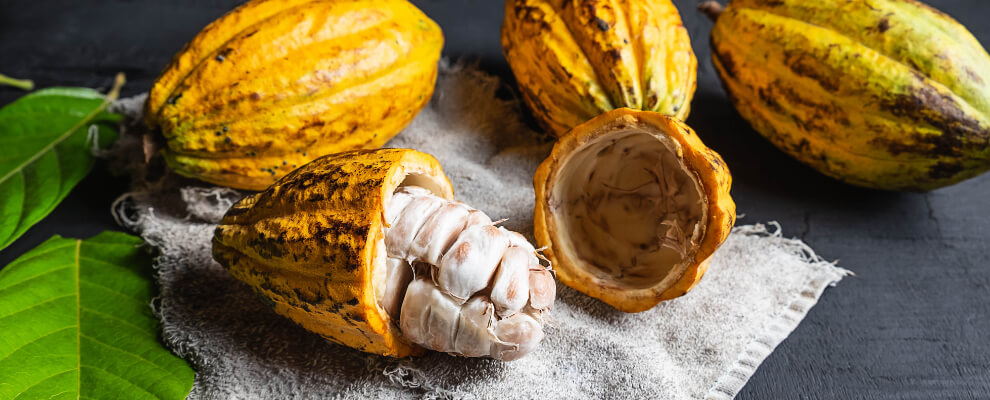
For your first ceremonies, an accessible Trinitario or Arriba Nacional works best. These have a friendly flavor and balanced energy. You might not want to be immediately 'overwhelmed' by the intensity of wild Beniano.
For deep emotional work, many people swear by Criollo. The energy is focused, clear, and helps you concentrate on emotional blockages without overwhelming you.
For grounding and earthing, Beniano from Bolivia works fantastically. If you're too much in your head or feel disconnected from your body, that wild, earthy energy pulls you down. Also perfect after intensive journeys with other plants or if you regularly do spiritual work.
For group ceremonies, Trinitario is often the best choice. Most people find both the flavor and energy pleasant. In a group, you always have people with different sensitivities and experiences - Trinitario usually finds a nice middle ground.
For daily use, Arriba Nacional is ideal. The flavor is good enough to drink daily, and you still get the benefits of theobromine and other compounds. For ceremonial use: 25-45 grams depending on your sensitivity and intention. For daily use: 15-25 grams is often enough.
Dosage as guideline
Daily use: 15-25 grams | Light ceremony: 25-35 grams | Full ceremony: 35-45 grams | Deep work: 45+ grams
Know your sensitivity
Some people feel 20 grams strongly, others need 50 grams. Start low and build up.
Cacao myths
Once you start exploring cacao, you'll also run into various claims that aren't quite accurate. The most persistent ones:
Myth: "Criollo is always the best"
Not always true. Criollo is rare and refined, but whether it's "better" depends on what you're looking for. For some people the subtle energy is perfect, for others it feels too light. A poorly processed Criollo is less good than a well-processed Trinitario.
Myth: "Trinitario is inferior because it's a cross"
Not true. Some of the best ceremonial cacao in the world is Trinitario. The cross gives you the best of both worlds when done well. The stigma comes from old colonial ideas about "purity" that don't hold up botanically.
Myth: "All Forastero is industrial junk"
Arriba Nacional is living proof this isn't true. It's about how cacao is grown, harvested, fermented, and processed. A Forastero variety that's treated with care can be excellent ceremonially.
Myth: "More expensive always means better"
Price depends on more than quality: rarity, transport costs, number of intermediaries. Beniano is more expensive because it's scarce, not necessarily because it's "better" than Arriba Nacional. For your purposes, the cheaper option might be perfect.
Myth: "You can use any raw cacao for ceremonies"
Technically yes, but the experience differs enormously. Raw cacao powder from the supermarket (often Dutch processed - see below) has lost much of its active compounds. Ceremonial cacao is minimally processed, consciously grown, and energetically different. You'll feel the difference.
What is Dutch processed cacao?
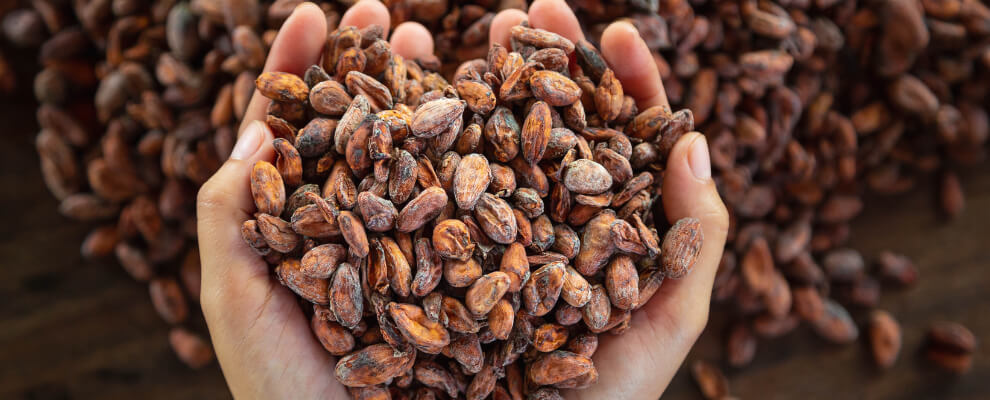
Dutch processing (also called "alkalizing") is a process invented by Dutchman Coenraad van Houten in the 19th century. The cacao is treated with alkali, which makes the color darker and the taste milder. Sounds handy for regular chocolate, but here's the problem: this process destroys a large part of the flavonoids and other active compounds that ceremonial cacao is all about. Supermarket cacao is often treated this way - you get a darker, less bitter product, but ceremonially speaking it's 'hollowed out'.
What it really comes down to
Genetic families, Fine Aroma classifications, specific varieties - you now know how it works. But which cacao works best for you?
The best cacao isn't automatically the most expensive or rarest. The best cacao is the one you feel a connection with. That tastes good when you drink it. That helps you open what you want to open. That fits your routine and budget.
So: try different varieties. Order smaller amounts of different types, taste consciously, notice how your body responds. Some people feel the difference between Criollo and Trinitario immediately, others need multiple ceremonies.
Questions or doubts between varieties? Get in touch. We know all our cacao products and the differences from experience, and we're happy to help you make the right choice.
Browse all our ceremonial cacao varieties and feel which one calls to you.
The essence: It's not about which variety is genetically "the best." It's about which cacao invites you, which flavor you embrace, and which energy aligns with where you are in your life right now.
Frequently asked questions about cacao varieties
What are the main cacao varieties?
The three main groups are Criollo, Forastero and Trinitario (a cross of the first two). In addition, Nacional, also known as Arriba, is a special variety from Ecuador with its own aroma profile.
What is Criollo cacao?
Criollo is a rare, fine variety known for a mild, complex and lightly bitter flavour profile. Due to the tree's lower yield and fragility, Criollo is scarce and sought after.
What is Trinitario cacao?
Trinitario is a natural cross of Criollo and Forastero, combining Criollo's refined flavour with Forastero's resilience. It often yields rich, balanced cacao.
What is Arriba Nacional?
Arriba Nacional is a cacao from Ecuador, prized for its floral, aromatic character. It is one of the most distinctive origins and is valued in ceremonial and fine cacao.
Which variety is best for a ceremony?
That is personal. Fine varieties such as Criollo and Arriba are often valued for their flavour, but the best choice depends on your preference. Feel free to taste different origins.
Where can I buy raw cacao of different origins?
At Next Level Smart you will find raw cacao from Peru, Bolivia, Ecuador and Haiti among others, each with its own profile. Browse the
raw cacao in various forms.
Last updated: June 2026 | Next Level Smart