Last updated: April 2026
An experience guide we keep current with new literature and questions from our readers.
Mescaline is among the oldest continuously used psychedelics in the world. The compound was first isolated in 1897 by Arthur Heffter, but the indigenous peoples of the Americas had known the action of mescaline cacti for thousands of years before that. Unlike psilocybin or LSD the mescaline experience has a long duration, a pronounced embodied character, and a visual richness that has been valued in the Andean tradition for millennia.
This guide describes what to expect from a mescaline experience with San Pedro or Peyote: the timeline, the visual and physical and mental dimensions, how mescaline distinguishes itself from other classical psychedelics, and the points to consider around set, setting and safety. For a broader botanical and cultural overview of the cacti themselves see our pillar guide on San Pedro and Peyote.
The timeline of a mescaline experience
Mescaline builds up gradually and lasts longer than almost any other classical psychedelic. A full experience covers a day, not an evening. Plan accordingly.
| Phase |
Time after ingestion |
What you notice |
| Onset |
30-90 minutes |
First subtle changes, light relaxation, sometimes nausea or an unsettled stomach |
| Comeup |
1-3 hours |
Colour enhancement, first geometric patterns, a tingling warmth spreading through the body |
| Plateau |
3-8 hours |
Full experience with peak between four and six hours after ingestion; visually, physically and mentally richest |
| Comedown |
8-12 hours |
Gradual decline of visual intensity; clarity and calm remain present |
| Afterglow |
12-48 hours |
Reflective post-days, often improved mood and a sense of connectedness; integration phase |
One thing to note: mescaline takes considerably longer to come up than psilocybin. Many beginners underestimate the comeup and assume little is happening — until the experience suddenly clicks into place an hour and a half to two hours in. Patience in the first phase prevents the well-known mistake of overconsumption.
The three dimensions of the mescaline experience
The experience can be roughly broken down into three dimensions that run parallel and reinforce one another. The Andean tradition speaks of these three as separate students of the same teacher.
Visual: colour, geometry and space
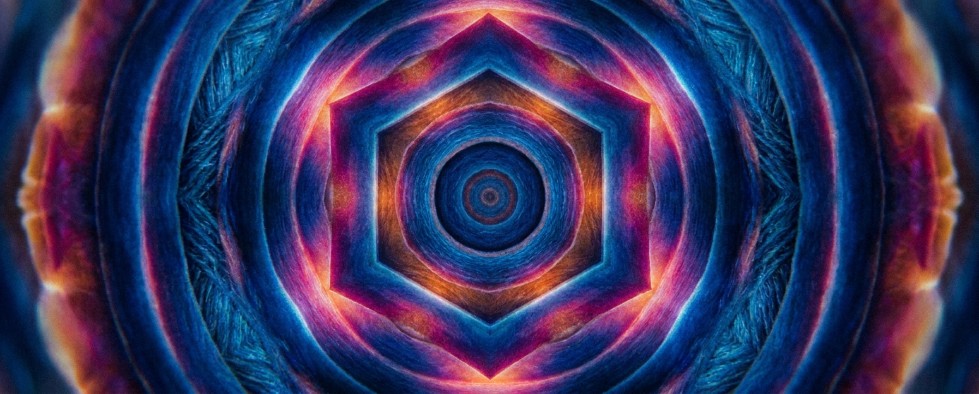
The visual dimension of mescaline is known for colour intensity and geometry. Colours gain saturation and seem to develop a life of their own. Surfaces and patterns appear to breathe. With eyes open, small geometric patterns can appear on everyday textures — wood, fabric, plants. With eyes closed, complete fractal landscapes can unfold and move rhythmically with the breath.
Unlike psilocybin, which has a strongly organic and growing character, mescaline visuals typically feel architectural and symmetrical. It is no coincidence that Andean iconography is full of geometric motifs that sit close to the mescaline visual world.
Physical: tingling warmth and grounding
The physical dimension of mescaline is distinctly present. Almost all users report a tingling warmth spreading from the belly through the body, a heightened awareness of breath and heartbeat, and a sense of weight in the limbs. The Andean tradition speaks of Achuma as rooted in the earth, and that metaphor holds: where psilocybin can have a floating quality, mescaline gives a sense of firm contact with the physical world.
The flip side is that mescaline regularly causes nausea in the first phase. This relates to the bitter components of the cactus and the physical action of mescaline on the gastrointestinal tract. An empty stomach, ginger tea beforehand and patience usually suffice.
Mental: clarity, connection and insight
The mental dimension of mescaline is often described by users as clear, not muddled. Unlike psilocybin, which can strongly dissolve the ego, mescaline gives a softened but intact ego experience in which reflection remains possible. This makes mescaline suitable for questions around identity, life direction and relationships — questions that in a more dissociative experience can sometimes be hard to hold on to.
A frequently mentioned quality is connectivity: a sense of connection with nature, with the people present, with the larger whole. Science has not been able to reduce this experience to any single neural explanation. A comprehensive pharmacological review by Nichols in Pharmacological Reviews (2016) describes the complex receptor dynamics of mescaline at the 5-HT2A and 5-HT1A receptors as the basis for the effect profile.
Mescaline compared to psilocybin and LSD
For those with experience of other classical psychedelics, a comparison is useful. The three substances differ on multiple axes.
| Aspect |
Mescaline |
Psilocybin |
LSD |
| Source |
Cacti (San Pedro, Peyote) |
Mushrooms and truffles |
Synthetic (ergot derivative) |
| Onset |
1-2 hours |
30-60 minutes |
30-90 minutes |
| Duration |
8-15 hours |
4-6 hours |
8-12 hours |
| Character |
Visually rich, grounding, embodied |
Emotional, ego-softening |
Mentally clear, energetic |
| Visual style |
Colour and geometry |
Organic movement |
Geometric sharpness |
| Cultural |
Andes and Mexico (millennia) |
Mesoamerica and Siberia |
Western Europe (since 1943) |
Differences between the cactus species
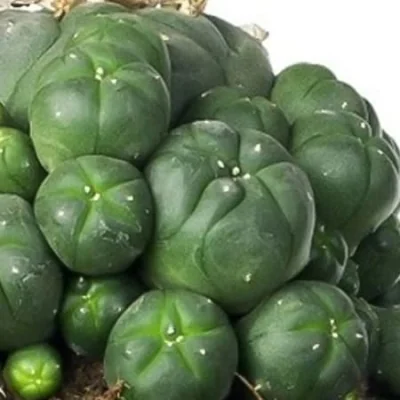
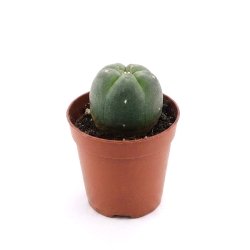
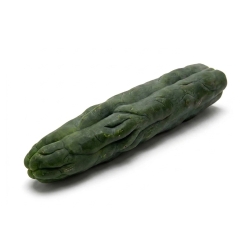
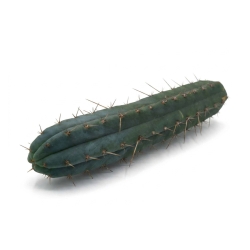
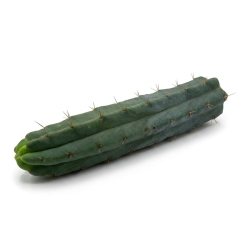
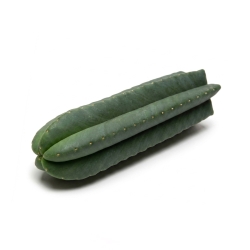
The species in the mescaline cactus family differ in character. The Macrogona is deeply grounding and embodied-meditative. The Bridgesii (Achuma) is the most powerful in mescaline concentration and produces a pronounced visual experience. The Scopulicola is experienced as clear and relatively mild. The Monstrosus has an introspective and creatively stimulating profile. Peyote stands apart from this family and has a unique alkaloid profile with higher concentrations of additional compounds such as lophophorine and anhalonidine, qualitatively distinguishing its experience.
A complete comparison with percentages, origin and growth rate is available in our pillar guide on San Pedro and Peyote. For the four columnar cacti in our collection see the San Pedro Macrogona, the San Pedro Monstrosus, the San Pedro Bridgesii and the San Pedro Scopulicola; for Peyote see the Lophophora williamsii.
Set and setting for a mescaline experience
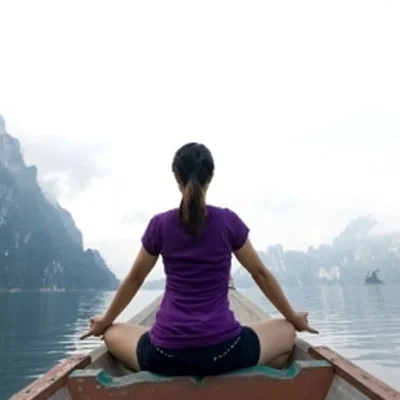
Because of the exceptionally long duration of mescaline, set and setting weigh more heavily than with shorter psychedelics. Eight to fifteen hours is a long period to spend in a suboptimal environment. Plan a full day without obligations, arrange a safe and familiar space, and think in advance about what you want to do during the plateau phase.
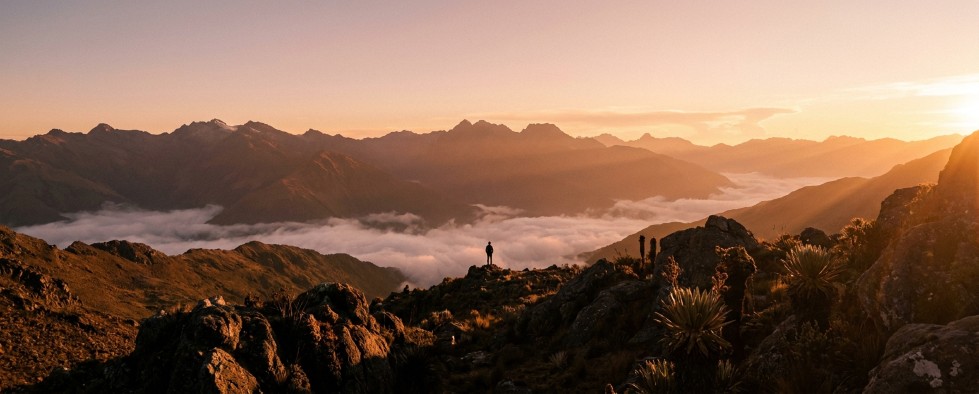
The Andean tradition traditionally places the mescaline experience outdoors in a natural setting — mountains, springs, forests — which fits well with the grounding character of the substance. Those who stay indoors can choose a quiet room with personal meaning, with music that leaves room for the experience itself. Avoid busy, stimulating environments.
A sober, experienced trip-sitter is strongly recommended, especially for a first experience. For the broader principles of a safe psychedelic experience see our complete guide to set and setting.
Safety and interactions
Among classical psychedelics mescaline is considered relatively safe in physiological terms — an extensive long-term study of Peyote use in the Native American Church by Halpern and colleagues, published in Biological Psychiatry (2005), found no measurable adverse effects on cognitive function or psychological health under structured ceremonial use. But that does not absolve anyone from taking a number of contraindications seriously.
Mescaline is not suitable in case of heart conditions, high blood pressure, diabetes, personal or family history of psychosis, bipolar disorder or pregnancy. The substance temporarily raises heart rate and blood pressure, and can bring underlying vulnerabilities for psychotic symptoms to the surface.
Combinations with SSRI antidepressants, MAO inhibitors, tramadol, lithium and other serotonergic medication are potentially dangerous and must be avoided. Do not combine mescaline with alcohol or other psychedelics either. Anyone on chronic medication consults a doctor in advance, or chooses not to use mescaline at all.
Why Next Level Smart?
We have worked with ethnobotanical plants and cacti for more than a decade. In practice that means:
- A curated cactus selection covering the full mescaline cactus family — Macrogona, Monstrosus, Bridgesii, Scopulicola and Peyote
- Living cuttings and plants, never wild-collected, only cultivated material
- Species-level identification, with clear botanical names on every product
- Active since 2010 as a smart shop, 15+ years of experience with ethnobotanical plants
- Shipping from the Netherlands across NL and Europe, with careful packaging for living plants
How the law sits. Living mescaline cacti fall outside the Dutch Opium Act and may be freely bought, kept, cultivated, traded, and used for personal purposes. Mescaline itself, in concentrated or extracted form, does fall under Schedule I of the Opium Act. Ceremonial use of the living plant is permitted under Dutch law provided no medical claims are made.
Frequently asked questions about the mescaline experience
How long does mescaline from a San Pedro work?
A mescaline experience with San Pedro typically lasts eight to fifteen hours, considerably longer than psilocybin (four to six hours) and comparable to LSD (eight to twelve hours). Onset takes one to two hours, the plateau phase sits roughly between three and eight hours after ingestion with a peak around four to six hours, and the comedown gradually fades in the hours that follow. Plan a full day with no obligations.
What is the difference between the mescaline and psilocybin experience?
Mescaline produces a visually rich, embodied experience with a long duration and a relatively intact ego structure. Psilocybin works for less time, feels more emotional and organic, and can dissolve the ego more strongly. Both substances act via 5-HT2A receptors but have slightly different receptor dynamics. Culturally mescaline belongs to the Andean and Huichol traditions, psilocybin to Mesoamerica and Siberia. The choice between them depends on what you are looking for: grounding and geometry, or movement and emotion.
How do you prevent nausea with San Pedro?
Nausea in the onset phase is normal with San Pedro and relates to the bitter alkaloids in the cactus. An empty stomach (no heavy food in the six to eight hours before), ginger tea in the hours leading up, and sitting or lying quietly during the first hours are usually enough. The nausea typically lifts as the experience builds in over the first one to two hours.
What is a typical mescaline timeline?
Onset thirty to ninety minutes with first subtle changes. Comeup one to three hours with building visual and physical effects. Plateau three to eight hours, with the peak around four to six hours after ingestion. Comedown eight to twelve hours, gradual decline with retained clarity. Afterglow twelve to forty-eight hours with often improved mood and reflective post-days. Total: a day plus a quiet day after.
When do you choose Peyote and when San Pedro?
Peyote has a higher mescaline content (two to six percent) and a unique alkaloid profile with more additional compounds such as lophophorine. The experience is often described as more intense and qualitatively different, with the Huichol tradition as cultural context. San Pedro (and its relatives Bridgesii, Macrogona, Scopulicola, Monstrosus) has a more varied profile within the Andean tradition. For those just starting with mescaline cacti, San Pedro is often more accessible; Peyote is for those specifically seeking the unique phenomenology of the Mexican tradition.
How long does the afterglow of a mescaline trip last?
The afterglow of mescaline typically lasts twelve to forty-eight hours after the actual experience, sometimes longer. Many users report a calm, reflective mood, a sense of connectedness and clarity of thought in the days that follow. Some experience light fatigue the first morning; others feel refreshed instead. To be safe, plan a second quiet day with no obligations.
Can I combine mescaline with SSRI or antidepressants?
No. Combinations of mescaline with SSRI antidepressants, MAO inhibitors, tramadol, lithium and other serotonergic medication are potentially dangerous and must be avoided due to the risk of serotonin syndrome and other serious interactions. SSRI users also frequently report a strongly reduced effect of mescaline, because the SSRI partially blocks the 5-HT2A receptors. Anyone on chronic medication consults a doctor in advance, or chooses not to use mescaline at all.
What set and setting works best for mescaline?
Because of the long duration of the experience, calm, space and predictability are the most important pillars. The Andean tradition traditionally takes mescaline outdoors in a natural setting, which fits well with the grounding character of the substance. Indoors, a quiet room with personal meaning works well. Avoid busy and stimulating environments. A sober, experienced trip-sitter is strongly recommended for a first experience. For the broader principles see our
complete guide to set and setting.