San Pedro Scopulicola (Echinopsis scopulicola) 25-29 cm — Spineless Mescaline Cactus from Bolivia
A smooth, fast-growing mescaline cactus with a clear, fresh character and the unique aesthetic of a virtually spineless column.
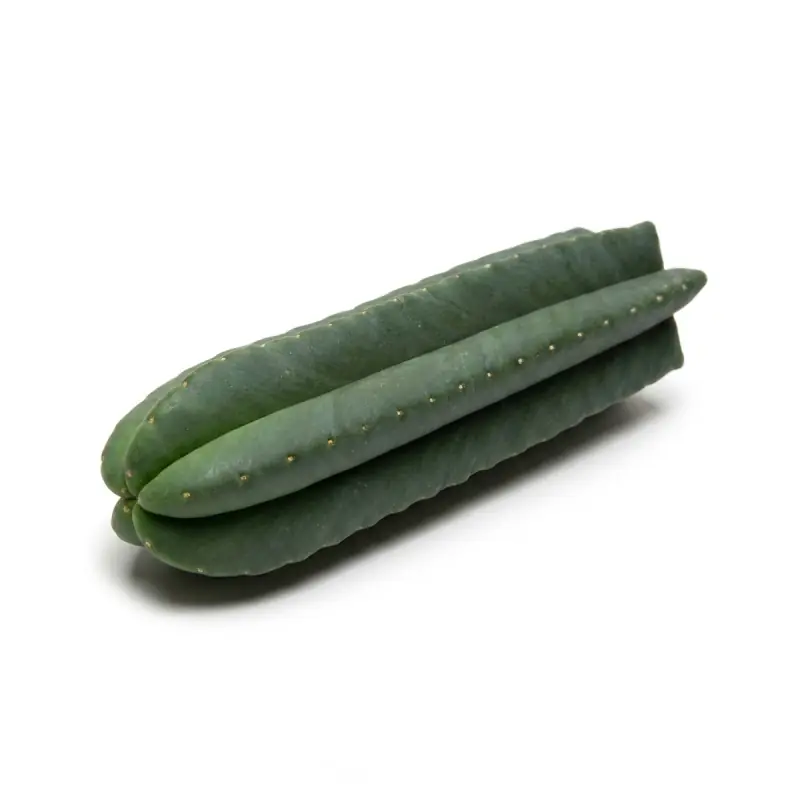
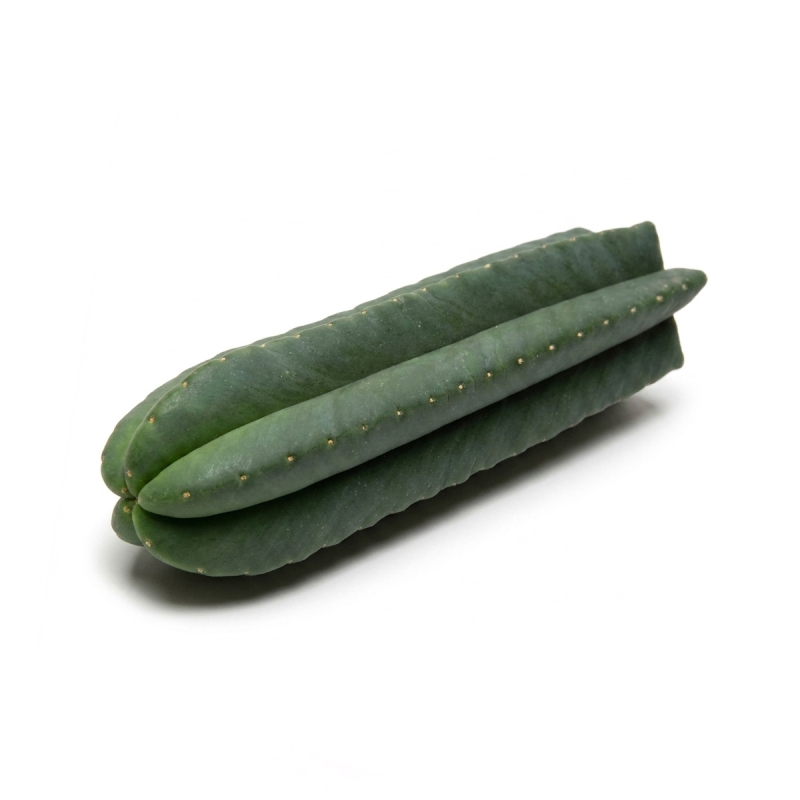
The San Pedro Scopulicola is one of the most elegant mescaline cacti you can add to a collection. This 25 to 29 cm cutting stands out at first glance from almost all other Trichocereus and Echinopsis species through the absence of prominent spines. Where the Bridgesii looks impressively rugged and the Pachanoi carries a few modest needles, the Scopulicola presents itself as a smooth, glossy column with only tiny, often barely visible spinelets. This unique appearance has made it a favourite among collectors looking for a visually clean design in their cactus collection.
Like its Andean relatives the Scopulicola is a fast grower. Under optimal conditions it can add twenty to thirty centimetres per year, making it ideal for those who want a mature cactus within a few seasons. Its origin in the southern Bolivian Andes gives it the same robustness as other Bolivian mescaline cacti, but with an aesthetic signature entirely its own.
Spineless Elegance: The Scopulicola is one of the rare Trichocereus species that as a mature plant carries virtually no spines. The areoles produce only short glochids a few millimetres long, often only at the top of the plant. The surface is smooth, glossy, and has a lighter blue-green tint than the Bridgesii. Mature specimens can reach over four metres in their natural habitat.
Psychedelic Effects
★ A Clear, Visually Rich Mescaline Experience
In the mescaline community the Scopulicola is appreciated for a clear, relatively mild character, with visual colour enhancement and geometric patterns without the heavier embodied component that other varieties can carry. Effects begin after one to two hours and remain active for eight to fifteen hours.
|
★ A Suitable Introduction to Mescaline Cacti
With its slightly lower alkaloid content compared to the powerful Bridgesii, the Scopulicola is often pointed out by collectors as a suitable introduction to the Trichocereus experience. A good fit for those seeking a more accessible starting point within the mescaline cactus family.
|
Botanical Characteristics
The Scopulicola typically has six to eight well-defined ribs and a diameter of six to twelve centimetres. The stem is columnar and grows straight up. The slightly lighter blue-green colour and the absence of substantial spines make it instantly recognisable among the other Trichocereus species. Mature specimens produce large white trumpet flowers in summer that open only at night, hairy in texture and with a diameter of fifteen to twenty centimetres.
Care Tips for Optimal Growth
★ Rooting and Watering
First allow the cutting to dry for seven to ten days until the cut wound has callused. Then pot it in a mix of fifty percent pumice or perlite with thirty percent cactus soil and twenty percent coarse sand. Hold off on watering until you see the plant moving, usually after three to five weeks.
|
★ Light and Temperature
The Scopulicola enjoys plenty of light but not the hot midday sun, especially as a young plant. A spot with direct morning sun and light shade at the end of the day is ideal. In winter, place it cool at five to ten degrees with no watering, and it will burst back into vigorous growth in spring.
|
Ethnobotanical Background
A Late Botanical Discovery
The Scopulicola was only scientifically described in 1984 by the German botanist Friedrich Ritter, based on specimens he had collected in the southern Andes of Bolivia. That makes it one of the most recently identified mescaline cacti, centuries after the Bridgesii or the Pachanoi. Its natural habitat lies primarily in the Tarija department, on rocky slopes between fifteen hundred and twenty-five hundred metres elevation.
Because of the relatively recent discovery, the Scopulicola is less documented in traditional cultural history than its closest relatives. Local names for the plant are scarce and it is unclear whether indigenous communities distinguished it from other Trichocereus species.
Modern Popularity
Since the nineties the Scopulicola has secured a permanent place in the international community of cactus collectors. Its unique combination of fast growth, robustness, aesthetic smoothness and relatively high alkaloid content make it one of the most sought-after species at botanical fairs and specialised online platforms.
Responsible Use
The Scopulicola offers an accessible yet full mescaline experience with a clear, distinctly visual character. Set aside a full day in a familiar environment with no obligations. Mescaline builds up over one to two hours and remains active for eight to fifteen hours afterwards.
The living plant is legal in the Netherlands as an ornamental. Mescaline as a concentrated substance falls under Schedule I of the Opium Act. We supply this cutting for botanical, ceremonial and ornamental purposes in line with Dutch regulations on mescaline-containing cacti.
- Effects begin after 1-2 hours and can last 8-15 hours
- An empty stomach intensifies the action of the bioactive components
- Not suitable in case of heart conditions, blood-pressure issues, diabetes, mental-health conditions or pregnancy
- Avoid combinations with other substances, alcohol or medication
- Arrange a sober, experienced trip-sitter, especially for a first experience
- Store in a cool place protected from direct sunlight
Add the Clean Elegance of the San Pedro Scopulicola to your Collection
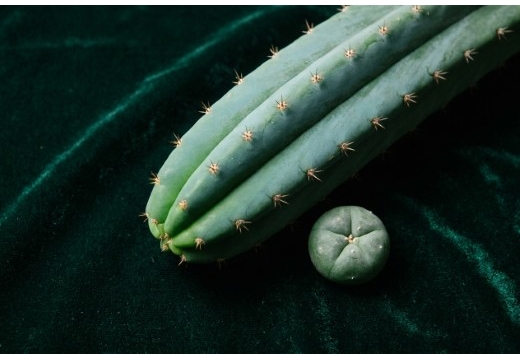
The San Pedro Scopulicola is an excellent choice for those seeking a visually calm, fast-growing, and relatively accessible mescaline cactus. This 25 to 29 cm cutting is large enough to show clear growth within a single season and gives you an excellent starting point for raising a mature specimen. The smooth, virtually spineless appearance perfectly complements any collection, especially in combination with more rugged species such as the Bridgesii or the monstrose Monstrosus. For broader context, read our complete guide to San Pedro and Peyote.
Why does the Scopulicola have almost no spines?
The absence of substantial spines on the Scopulicola is an evolutionary adaptation to its natural habitat in the southern Andes of Bolivia. In this region the natural grazing pressure is lower than in other parts of the Andean mountains, allowing the plant to invest less in mechanical defence. For collectors the smooth skin is a blessing because it makes the plant much easier to handle and pot up.
How does the Scopulicola differ from the Trichocereus Bridgesii?
The two species look similar at first glance but differ on multiple points. The Scopulicola has a smooth, virtually spineless skin while the Bridgesii carries prominent spines two to seven centimetres long. The Scopulicola typically has six to eight ribs, the Bridgesii four to eight. The Scopulicola colour is slightly lighter blue-green, while the Bridgesii is deeper and sometimes purplish. In terms of mescaline experience the Scopulicola is known for a clear, relatively mild character, while the Bridgesii is considered more powerful.
Will a Scopulicola flower in a Dutch climate?
Mature Scopulicola cacti can flower in the Netherlands but it requires patience and correct care. The plant first needs sufficient size (typically thirty to fifty centimetres) and a clear cold winter rest to set flower buds. In a greenhouse or warm sunny indoor space with a proper cold winter period (five to ten degrees, dry) flowering after six to ten years is realistic. The large white trumpet flowers open only at night and stay open for just one night.
Is the Scopulicola legal in the Netherlands?
Yes. The living cactus, including cuttings, falls outside the Dutch Opium Act and may be freely bought, kept, cultivated and traded. Mescaline as a concentrated substance does fall under Schedule I. The same applies to all Trichocereus species we supply. For a broader overview of the legal context see our complete guide to San Pedro and Peyote.
Which other mescaline cacti pair well next to a Scopulicola?
The Scopulicola in its smooth elegance looks best next to species with a more rugged appearance. The San Pedro Macrogona brings heavy ribs and cold tolerance, the San Pedro Monstrosus surprises with irregular monstrose growth forms. To complete the family a Peyote belongs in any serious collection.