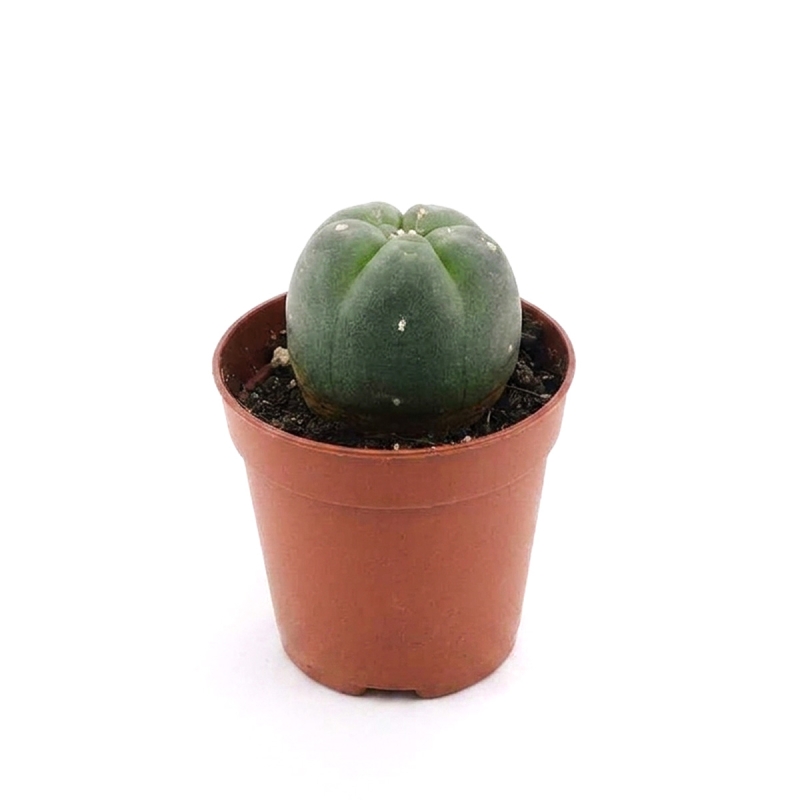
Lophophora Williamsii - Sacred Peyote Cactus from the Mexican Desert
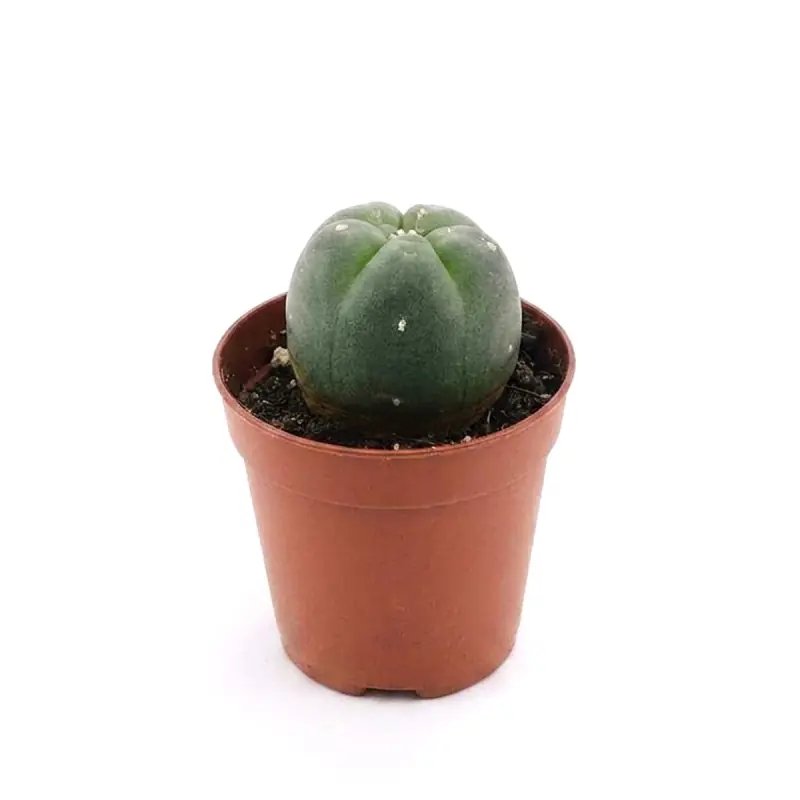
Lophophora williamsii, better known as peyote, is one of the most iconic cacti in the world. This small, spherical cactus grows extremely slowly - a few millimeters per year. For North American indigenous peoples, peyote is a sacred sacrament that has been used in ceremonies for millennia.
This specimen is intended for cultivation and collection. The cactus has a unique appearance with soft ribs and no spines. It blooms with pink flowers when old enough - which can take years. Peyote is fascinating for cactus enthusiasts because of its slow growth and history.
Key Features: Lophophora williamsii cactus. For indoor cultivation. Slow-growing. Historical sacrament. Without spines.
Use and Care
Cultivate indoors in a sunny spot. Lots of light is crucial. Watering: minimal, let the soil completely dry out between waterings. In winter even less water. Use cactus soil with good drainage. Patience is essential - this cactus grows very slowly. Repot only when absolutely necessary, peyote does not like disturbance.
Specifications
- Species: Lophophora williamsii
- Growth rate: very slow
- Light requirement: lots of sunlight
- Water requirement: very little
How fast does a Lophophora williamsii peyote cactus grow?
Lophophora williamsii is one of the slowest growing cacti on the planet. On average, this species increases by just a few millimetres in diameter per year. A specimen measuring five centimetres across may already be several decades old. This extremely slow growth rate makes peyote a uniquely rewarding plant for patient cactus collectors who appreciate botanical rarity over rapid results.
What is the best soil mix for growing peyote cactus?
Peyote requires an extremely well-draining, mineral-heavy substrate. A mix of roughly seventy percent inorganic material such as pumice, perlite and coarse sand, combined with only thirty percent organic matter, works best. The roots are highly susceptible to rot in overly moist conditions. Adding a top layer of fine gravel around the root collar helps keep moisture away from the most vulnerable part of the plant.
When does a peyote cactus flower for the first time?
A Lophophora williamsii typically produces its first flowers once the plant reaches a diameter of three to five centimetres, which can take six to ten years from seed. The flowers are small and range from pink to white, appearing from the woolly areole area at the top of the cactus. Each bloom lasts only a few days, but a healthy mature specimen may flower multiple times during a single growing season.
What is the difference between Lophophora williamsii and Lophophora diffusa?
While Lophophora williamsii and Lophophora diffusa appear similar at first glance, they have distinct botanical differences. L. williamsii has more sharply defined ribs and a blue-green colour, whereas L. diffusa is smoother, more yellow-green, and tends to grow wider. L. diffusa also contains a different alkaloid profile, primarily pellotine rather than mescaline. Both species are valued by collectors for their unique characteristics and slow, meditative growth habits.
How do you overwinter a Lophophora williamsii cactus?
During winter months, peyote needs a cool, dry dormancy period. Place the cactus in a bright location with temperatures between five and twelve degrees Celsius and provide virtually no water from November through March. This rest period is essential for triggering flower production in the following spring. Protect the plant from frost, as while Lophophora tolerates some cold, freezing temperatures will destroy the root system.