Blog navigation

Latest posts

Magic Truffles by Strength: From Gentle to Strongest

Not every magic truffle is equally strong: there is a world of difference between a gentle Mexicana and a hefty High...

Read More
Indica, Sativa and Ruderalis: The Real Difference Explained

Indica, sativa and ruderalis: the three names you will find on almost every pack of cannabis seeds. But what do they...

Read More
What is DMT? The Molecule, Its Sources, and What Science Says

A complete guide to DMT — what the molecule is, where it occurs in plants and animals, how the human body produces...

Read More
White Sage: The Smudging Herb From California, From Plant to Practice

A guide through white sage — how Salvia apiana smells and works, where it comes from, the difference between...

Read More

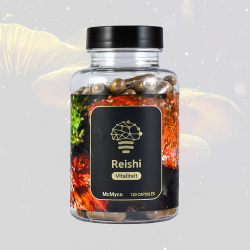
Reishi and the Immune System: What Can You Expect?


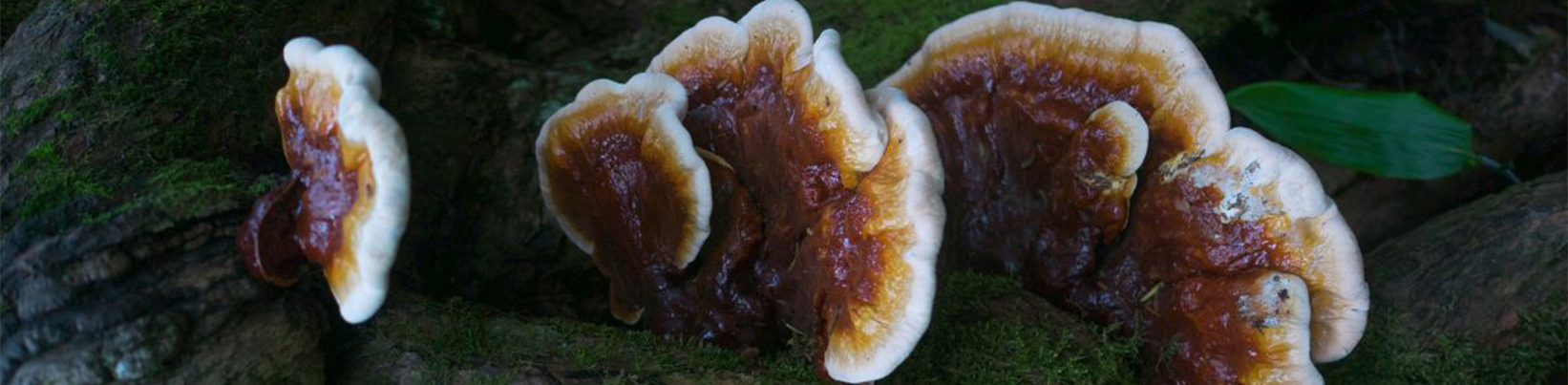
Reishi mushroom

Last updated: June 2026
This guide is regularly updated with the latest insights on reishi.

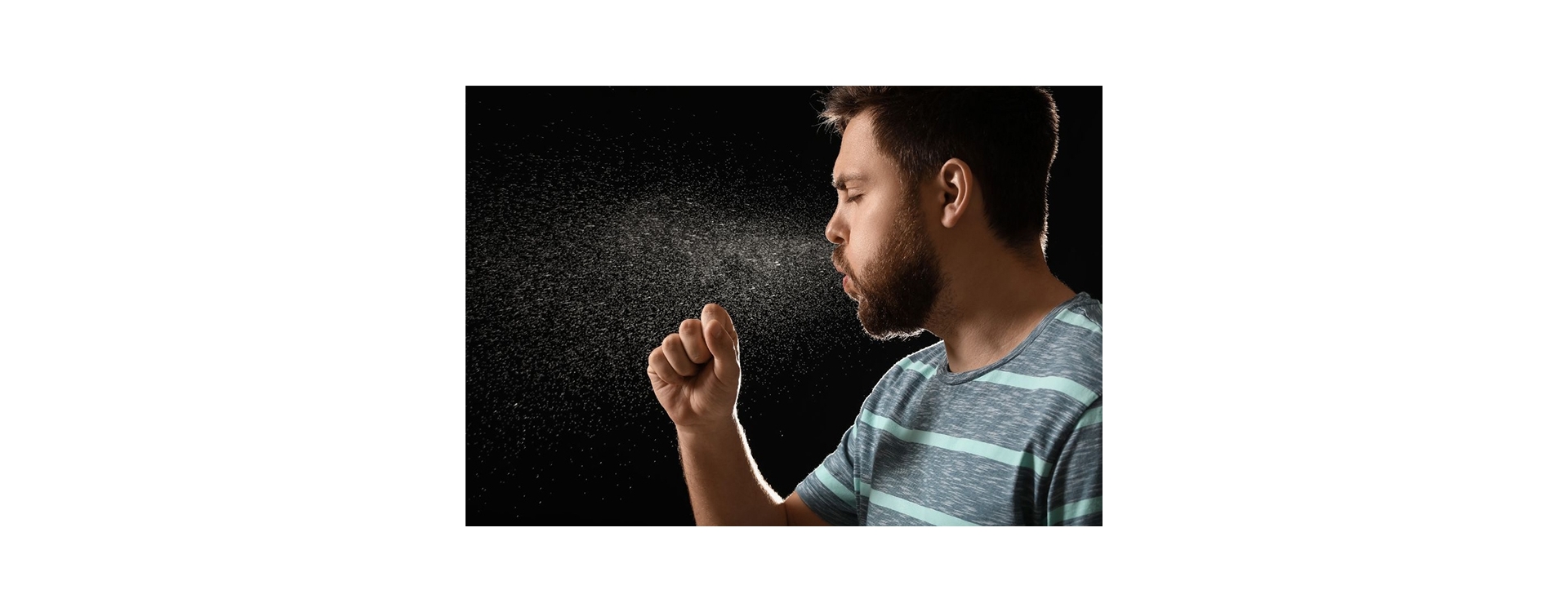
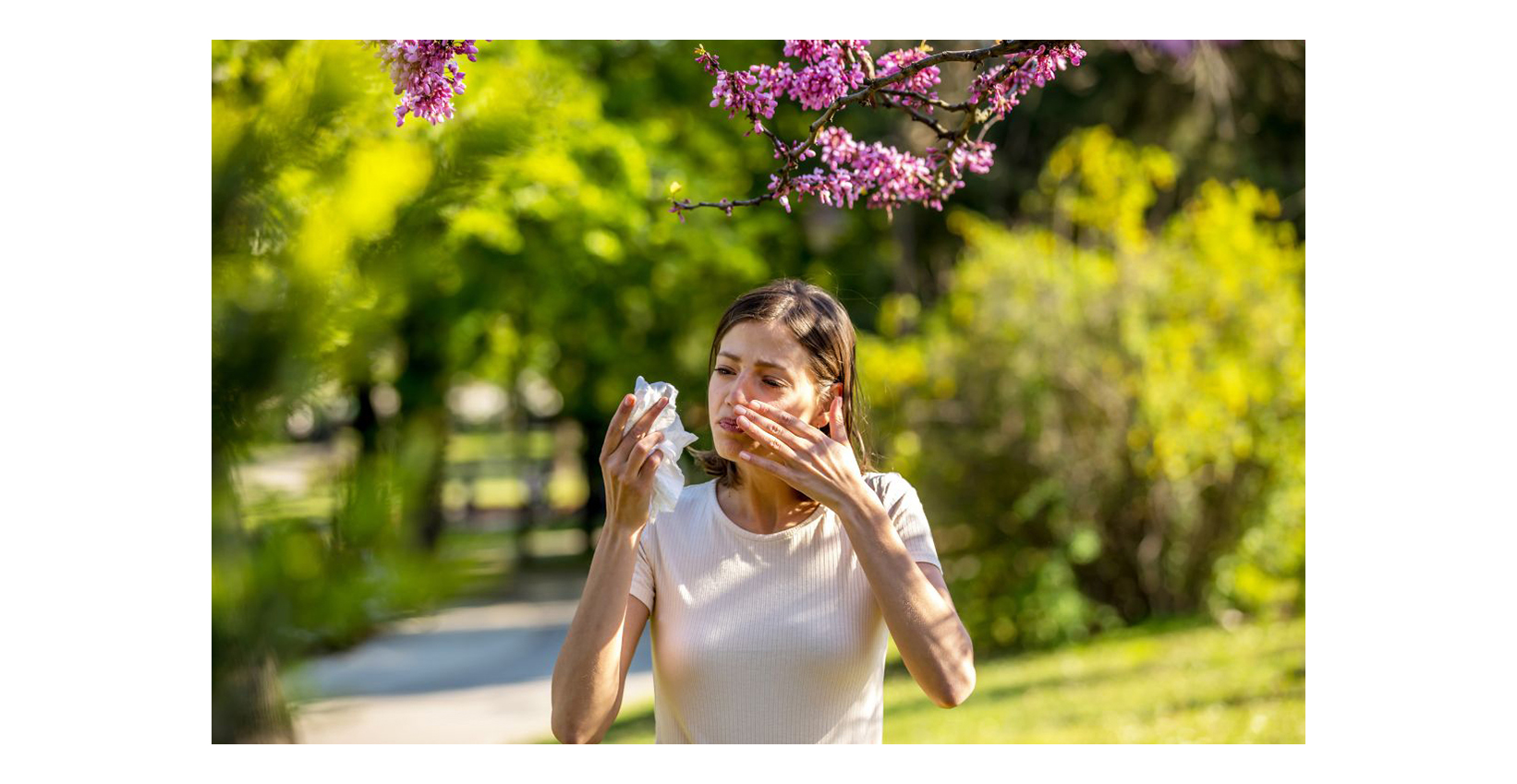
Many people know it: itchy, watery eyes, a runny nose or constant sneezing from allergies. It's a nuisance, especially when it happens often. Reishi has been valued in traditional medicine for centuries to support and balance the immune system. We look honestly at what you can and can't expect from reishi. Important up front: reishi is not a medicine and not a replacement for antihistamines or treatment by your doctor.

How do allergies work?

How allergies work

When your body encounters an invading pathogen, your immune system's job is to deal with it. A normal, necessary response. Sometimes, though, the immune system gets out of balance and reacts strongly to harmless substances like dust or pollen. Histamine is then released, inflammation rises and an allergic reaction occurs.

Reishi, the mushroom of immortality

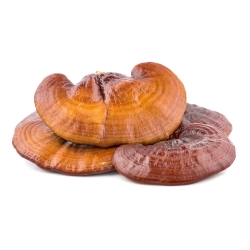
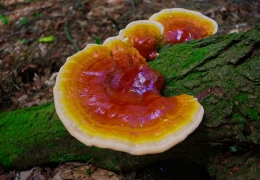
It sounds remarkable, but mushrooms and humans share ancestry and have more DNA in common with each other than mushrooms do with plants. Fungi have developed powerful protective mechanisms, and certain species have long been used to support our own resilience. Reishi (Ganoderma lucidum), also known as lingzhi and 'king of mushrooms', grows on hardwood in warmer regions like Asia, Southern Europe and the southeastern United States. It has been a staple of Eastern medicine for centuries, mainly for its traditional role in supporting and balancing the immune system.
Reishi and the immune system

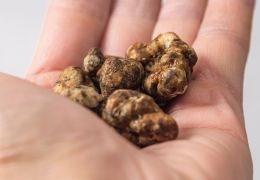
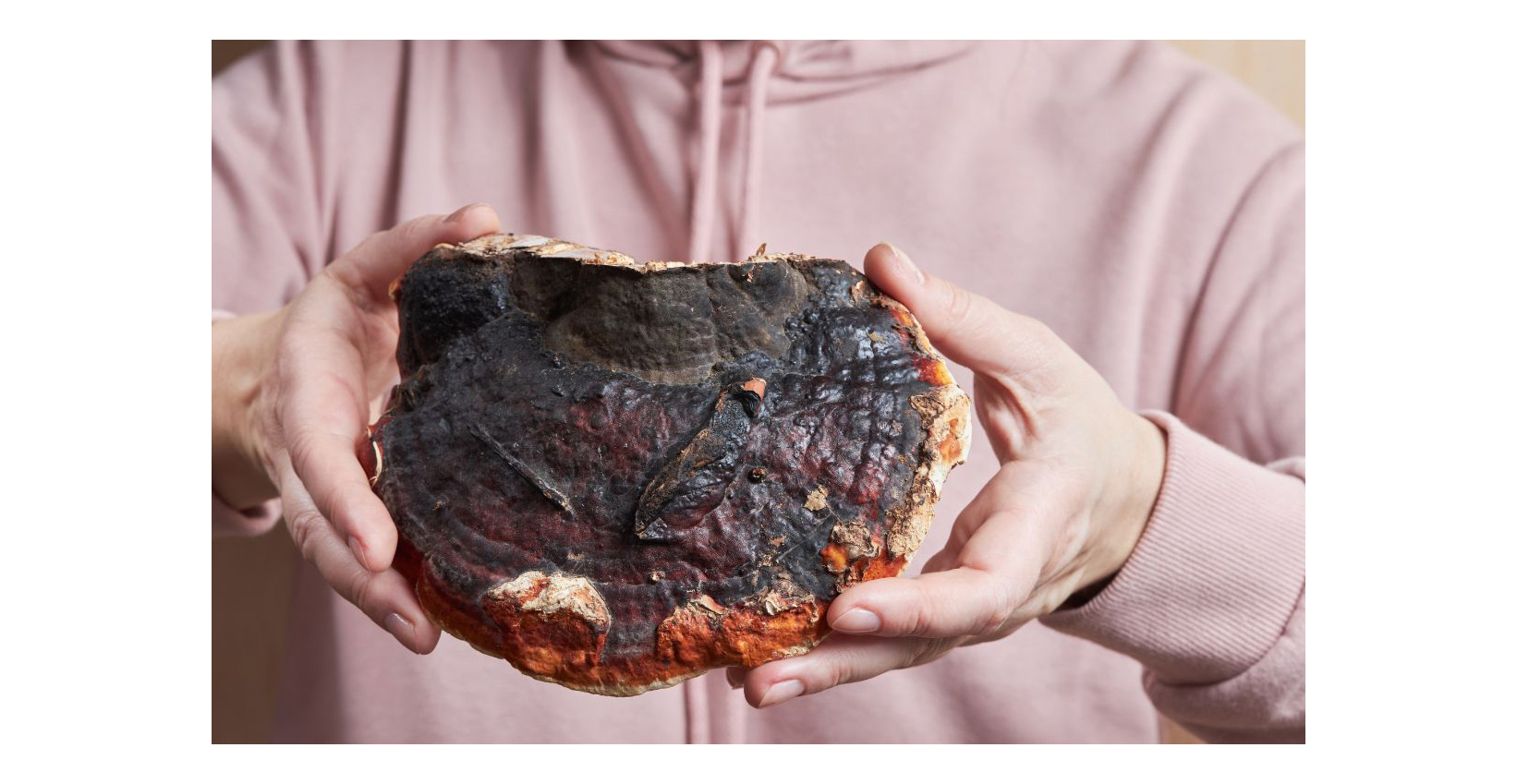
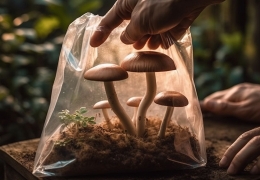
Reishi mushroom in hand

The immune system works with specialised white blood cells that detect and fight pathogens. 'T helper cells' (Th1 and Th2) play a role here. If the system gets out of balance, an imbalance between these cells can arise. Reishi naturally contains special compounds, such as beta-glucans and triterpenes, which in tradition and preliminary research are linked to supporting a balanced immune response. The evidence in humans is still limited, so see reishi as a traditionally valued supplement, not a proven treatment for allergies.

Please note: Reishi is a dietary supplement, not a medicine. It is not a replacement for antihistamines or for your doctor's advice. If you have severe allergy symptoms, take medication, are pregnant or breastfeeding, consult a healthcare provider first.

How to use reishi

Some people use reishi only on busy pollen days, but traditionally it's used over a longer period to gently support the immune system. Reishi comes as powder, capsules, tincture and extract. Follow the recommended dose on the packaging and build up slowly. There are no guarantees, but as a gentle, traditional supplement, reishi may be worth a try for you. Also read our blog on the best medicinal mushrooms for your immune system.

Frequently asked questions about reishi

Does reishi cure allergies?

No. Reishi is not a medicine and not a proven treatment for allergies. It's traditionally valued for supporting the immune system; the evidence in humans is limited. For symptoms, your doctor remains the right place.

What's in reishi that makes it special?

Reishi naturally contains beta-glucans and triterpenes, which in tradition are linked to immune support. It has been used in Eastern medicine for centuries.

How do you take reishi?

Reishi comes as powder, capsules, tincture and extract. Follow the dose on the packaging and build up slowly. Traditionally it's used over a longer period.

How long until you notice anything?

Reishi is traditionally seen as a slow, supportive supplement. Expect regular use over a longer period rather than an immediate effect.

Can you combine reishi with medication?

If you take medication, are pregnant or breastfeeding, always consult a healthcare provider first. Reishi is a supplement, not a replacement for your treatment.

What other medicinal mushrooms are there?

Lion's Mane, cordyceps and turkey tail are also valued. We list them in our blog on the 5 best medicinal mushrooms.

Why Next Level Smart?

  • Reishi extract and other medicinal mushrooms from a carefully curated range
  • Pure extracts, selected for quality
  • Honest, non-exaggerated guidance on tradition and use
  • Active since 2010 as a Dutch smart shop, with shipping from the Netherlands

Last updated: June 2026 | Next Level Smart

 
Annie Verkade is a writer at Next Level Smartshop with a background in philology. She writes about natural alternatives to pharmaceuticals, sleep support, and plant-based products. Her work also explores altered states of consciousness - both with and without psychedelics - as well as topics like astrology and lunar cycles, translating insights into clear, accessible content. She’s especially interested in how simple rituals and environment can shift how we feel (sometimes more than we expect). Outside of work, she enjoys photography, reading, bouldering, and travelling. Favourite products: Sagrada Madre incense, Mulungu, Sleep Tincture
Loading...