A prehistoric human wanders through the forest. Perhaps searching for food, perhaps just curious. Then this early explorer spots an unremarkable mushroom. What drove them to take that first bite? And more importantly: what happened next?
The story of magic mushrooms is as old as humanity itself. While we may never know who that first brave - or hungry - discoverer was, we have a wealth of evidence about how our ancestors used and revered these extraordinary fungi. Join us on a journey through the history of magic mushrooms - from ancient times to the present day.
The First Magic Mushroom Discoveries: Cave Art as Evidence
In the Tassili n'Ajjer, a rugged mountain region in the Sahara, archaeologists found something remarkable. On cave walls, people drew figures with what were most likely magic mushrooms 9,000 years ago. These weren't just simple sketches - the drawings show dancing figures holding mushrooms, with some figures even having mushrooms growing from their bodies.
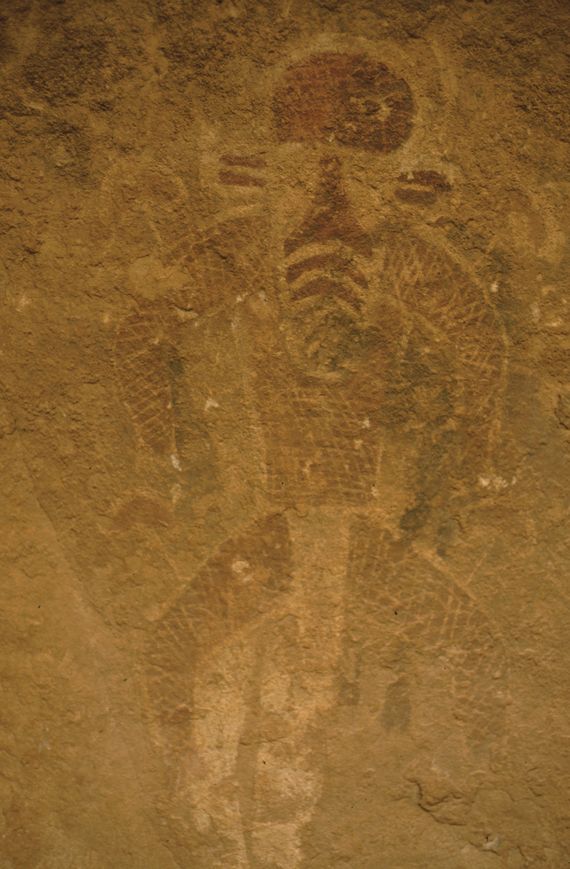
Ancient shaman with magic mushrooms? (Fondazione Passaré - CC BY-SA 3.0)
These artists weren't alone. In Spain, at Villar del Humo, other groups left their own mushroom story 6,000 years ago. They depicted Psilocybe hispanica with such detail that modern mycologists can instantly identify the species. These prehistoric artists must have known these mushrooms intimately - and likely not just for their artistic value.
Traditional Use of Psychedelic Mushrooms Throughout History
The story becomes even more fascinating when we look at the Aztecs. They called these mushrooms 'teonanácatl' - flesh of the gods. During the coronation of Emperor Moctezuma II in 1502, magic mushrooms played a central role. Guests consumed them during the ceremony, demonstrating their profound importance in Aztec culture.
From South America comes the story of María Sabina, a Mazatec shaman from Huautla de Jiménez. In her community, healers had been using mushrooms for generations in healing ceremonies. When Western researchers reached her village in 1955, she decided to share her knowledge. She invited R. Gordon Wasson and his wife Valentina to participate in a traditional 'velada' - a nighttime ceremony with sacred mushrooms. This event triggered a series of developments that would introduce magic mushrooms to Western consciousness. Want to learn more? Read our detailed article here.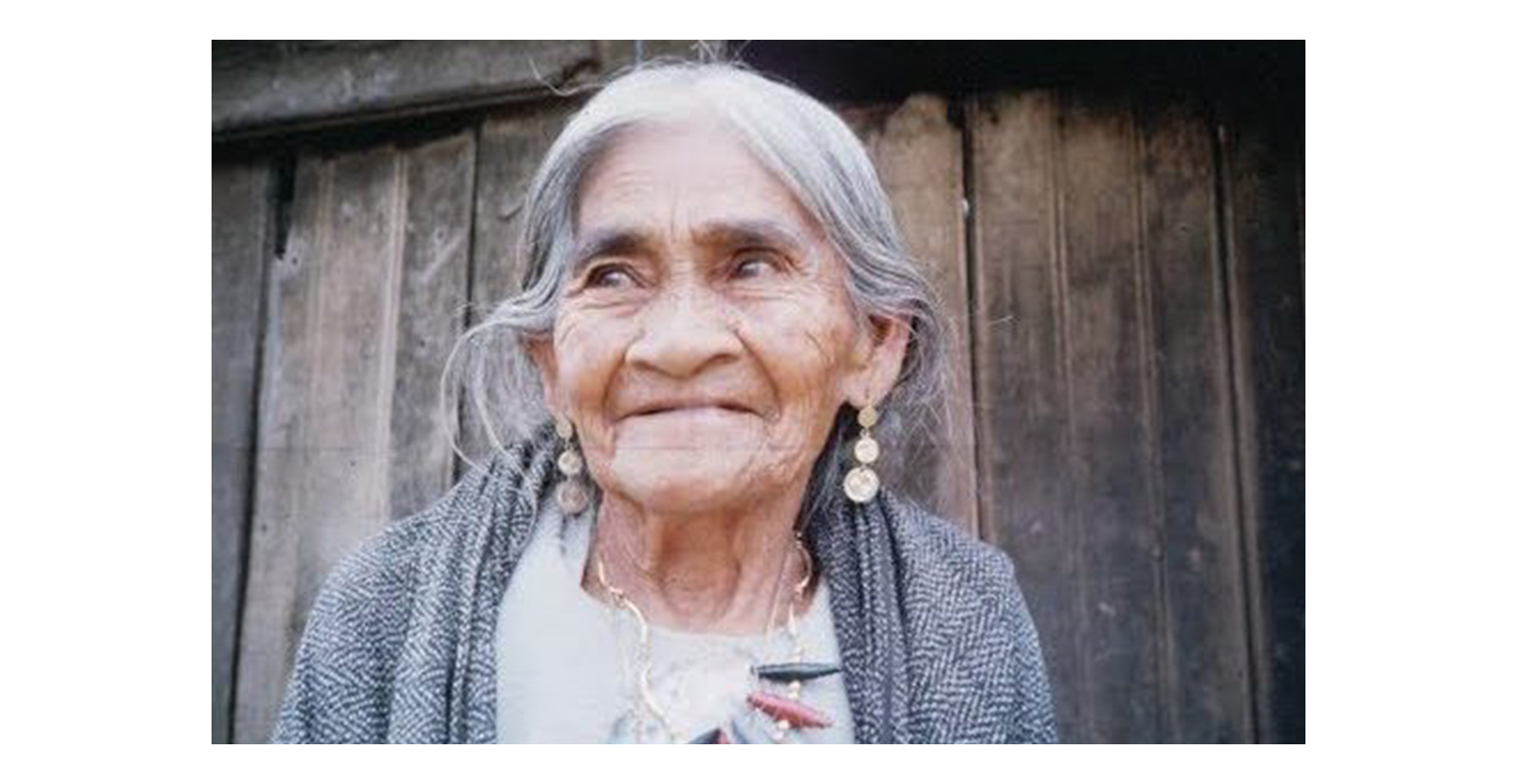
María Sabina
Scientific Breakthroughs and Modern Research
After Wasson's first visit to María Sabina, scientific research began to flourish. Albert Hofmann, who had discovered LSD, isolated psilocybin in 1958. In his laboratory at Sandoz, he studied how the compound worked. This marked the beginning of modern psychedelic research.
Our current knowledge stands in stark contrast to what our prehistoric ancestors knew. Researchers at Johns Hopkins University discovered that psilocybin shows promise in treating depression and addiction. They observed that a single session with psilocybin significantly reduced smoking behavior in some participants. Other studies show promising results in treating PTSD.
What Happens in Your Body After Taking Magic Mushrooms?
Science has now (partially) unraveled why these mushrooms have such extraordinary effects. It's an interplay of various compounds:
- Psilocybin and Psilocin: The best-known compounds. Your body converts psilocybin into psilocin, which then acts on your serotonin system. This explains the altered perception and mood changes.
- Baeocystin and Norbaeocystin: These lesser-known compounds work alongside psilocybin. They're like backing vocals in a band - they make the experience more complete.
- Aeruginascin: A compound that may be responsible for the calming aspect of the experience. Think reduced anxiety and a more stable state of mind.
- Beta-carbolines: These fascinating compounds inhibit the breakdown of other substances, resulting in a more gradual effect.
Different Types of Magic Mushrooms
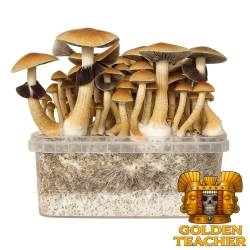
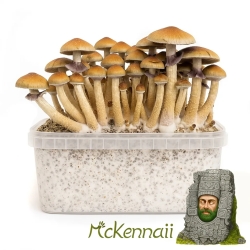
Just as there are many types of edible mushrooms, there's also a wide variety of magic mushrooms. The most well-known is probably the Psilocybe cubensis, but the fungal kingdom harbors many more remarkable species.
The Psilocybe semilanceata, also known as the Liberty Cap, is likely the most widely distributed magic mushroom in the world. You can find it from Europe to North America, and even in New Zealand. This small but powerful mushroom is known for its distinctive pointed cap shape.
The strongest of them all is the Psilocybe azurescens. This mushroom, originally from Oregon, USA, contains almost twice as many active compounds as its relatives. An interesting detail: this species wasn't officially described until 1995 by mycological researchers. The mushroom gets its name from the bluish color that appears when touched - a characteristic shared by many magic mushrooms.
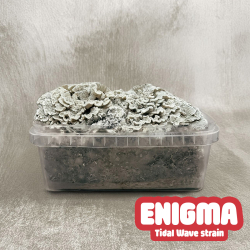
The Psilocybe cyanescens, also known as the Wavy Cap, is another interesting species. This mushroom primarily grows on wood chips and has spread from North America to Europe and Asia. As its name suggests, it turns blue when damaged - a natural reaction that occurs when psilocybin oxidizes.
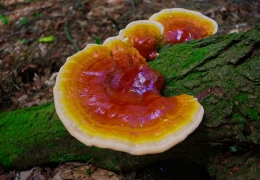
Less known but certainly worth mentioning are the various Gymnopilus species. These orange mushrooms often grow on wood and were called 'k'aizalab ook'ol' by the Maya, which roughly translates to 'mushroom that turns the mind upside down'.
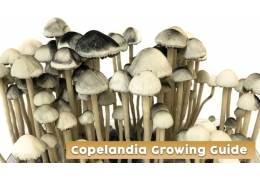
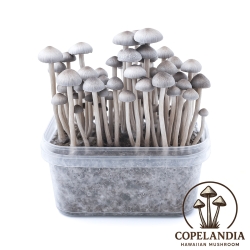
The Panaeolus cyanescens deserves special mention, primarily found in tropical and subtropical regions. This mushroom is known for its intense effects and was traditionally used in various Southeast Asian cultures. Interestingly, it has spread to all continents except Antarctica, often traveling with cattle.
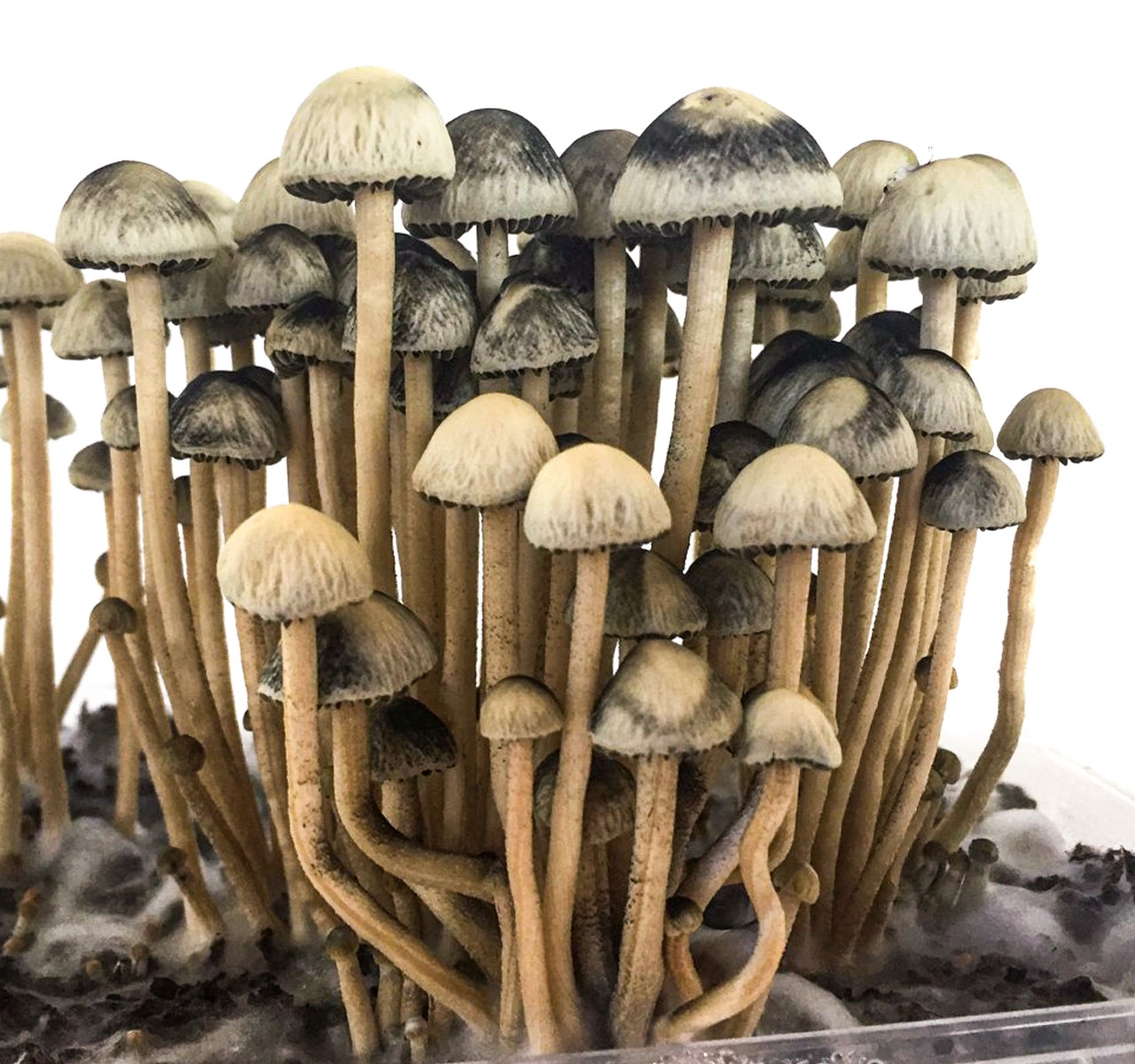
Panaeolus Cyanescens (Copelandia)
Scientists estimate that worldwide, there are more than 200 species of mushrooms containing psilocybin, spread across various genera such as Psilocybe, Panaeolus, Inocybe, and Pluteus. Each has its unique combination of active compounds and growing conditions.
Magic Mushrooms in Modern Culture: From Underground to Mainstream
The impact of magic mushrooms on our culture is hard to overstate. In the 1960s, they inspired artists like Alex Grey, whose psychedelic art now hangs in museums. Musicians like The Beatles and The Doors incorporated their mushroom experiences into their music - but scientists and thinkers were also influenced.
The famous mycologist Paul Stamets describes how an intense experience with mushrooms changed his life and motivated his groundbreaking research into fungi. And ethnobotanist Terence McKenna developed his 'stoned ape' theory, suggesting that magic mushrooms may have played a role in the development of human consciousness.
From Taboo to Therapeutic Breakthrough
Unfortunately, in the 1960s, official mushroom research came to a halt. President Nixon labeled psychedelics as dangerous drugs, and research stopped abruptly. But not everyone accepted this. Underground therapists continued working with psychedelics, carefully documenting their findings.
This persistence paid off. In 2000, Johns Hopkins University became the first institution to receive permission for new research. The results were remarkable. People with severe depression often showed improvement after just one session with psilocybin. It helped terminal patients with death anxiety. And smokers? Some quit permanently after a single session.
The results of recent studies are impressive. In a Johns Hopkins study of people with treatment-resistant depression, 67% of participants reported significant improvement after one session with psilocybin. Many participants described a sense of reconnection - with themselves, others, and their environment. These effects often lasted for months.
In addiction treatment, researchers are seeing remarkable results too. In a study on smoking addiction, 80% of participants quit smoking after treatment with psilocybin combined with behavioral therapy. What's remarkable: many had been heavy smokers for decades and had unsuccessfully tried other methods.
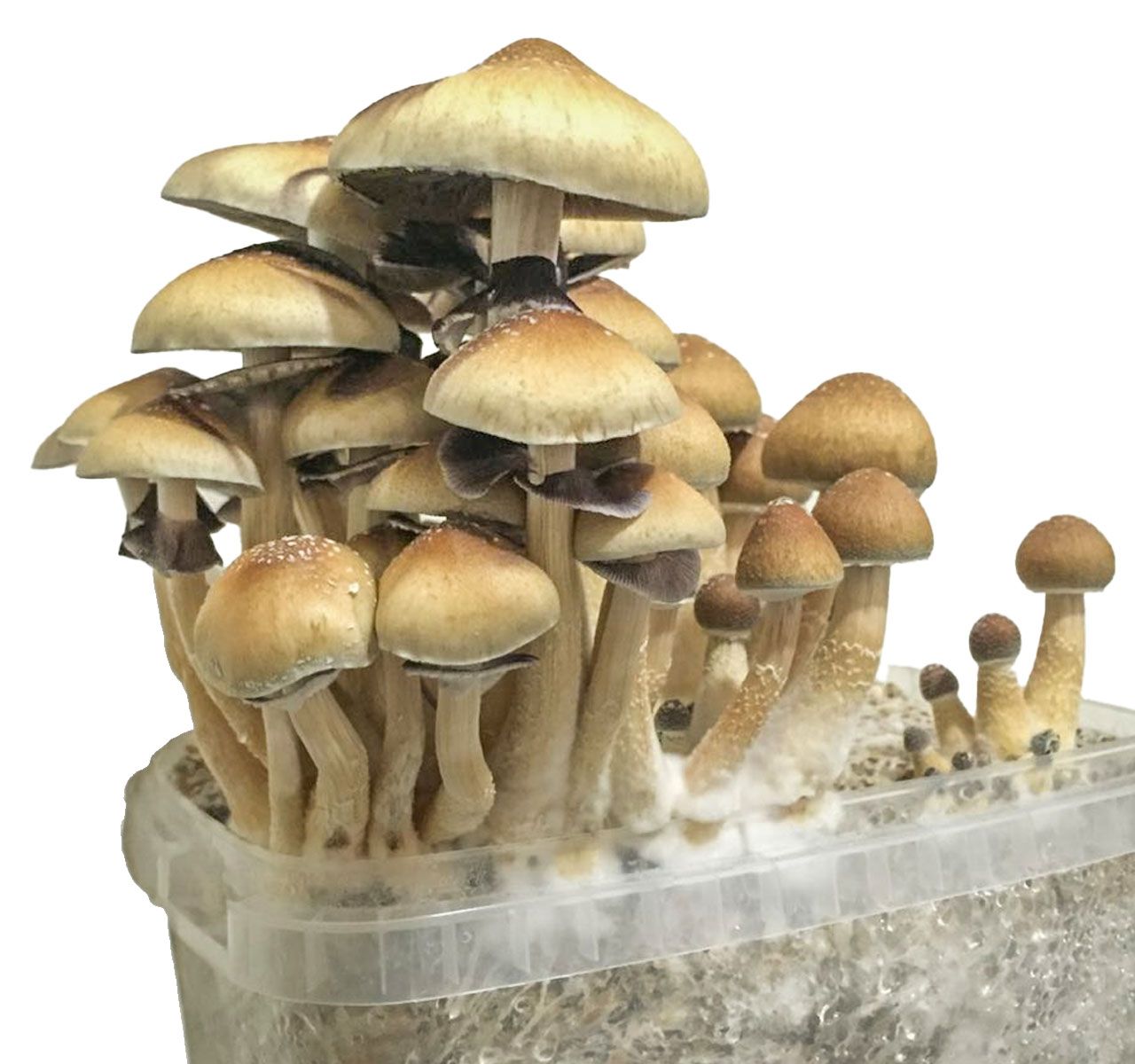
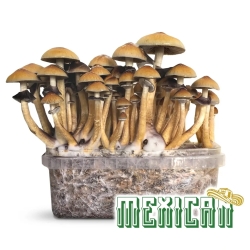
Psilocybe Cubensis
Microdosing Magic Mushrooms
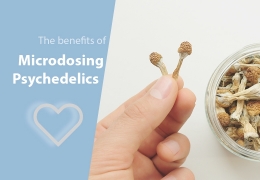
One development in mushroom use you've probably heard about is microdosing. This involves taking such a small amount that you don't experience psychedelic effects. The goal? Improving creativity, focus, and emotional well-being.
A microdose is approximately one-tenth of a regular dose. This phenomenon first gained popularity in Silicon Valley but now attracts worldwide scientific attention. Initial systematic studies show interesting results: improved mood, enhanced creativity, and increased energy.
There are still many questions, as scientists are just beginning to research microdosing. A recent Johns Hopkins study is now investigating how microdoses affect daily functioning. They're looking at effects on creativity, productivity, and emotional well-being. The big question they want to answer: do the reported positive effects come from the mushrooms themselves, or is it a placebo effect?
The Future of Psychedelic Research
The research field is at a turning point. In 2023, several universities around the world launched new studies. They're looking not only at therapeutic applications but also at fundamental questions: How exactly do these mushrooms influence our consciousness? What can they teach us about how our brain works?
Modern brain scans show fascinating insights into how magic mushrooms affect the brain. Psilocybin temporarily changes communication patterns between brain regions. The default mode network, active during daydreaming and rumination, becomes less active. Simultaneously, new connections form between brain areas that normally don't communicate much.
These changes in brain activity may explain why people during a mushroom experience often:
- Break through rigid thought patterns
- Discover new perspectives
- Gain profound insights
- Process emotions more deeply
- View traumatic experiences differently
Researchers are now focusing on how these temporary changes can lead to lasting positive effects. Initial results suggest that one session with magic mushrooms can cause long-term changes in personality and well-being. The brain appears to maintain new connections even after the acute effects have worn off.
Safe Use of Magic Mushrooms
The power of these mushrooms naturally requires awareness and respect when you want to use them. Read more here about the best preparation for a psychedelic journey. Here are some essential points for safe use:
- Start with a low dose, especially if you have no experience
- Ensure a calm, familiar environment and trusted people around you
- Make sure there's a sober, experienced person present
- Check your mental state beforehand - avoid psychedelics if you have mental health conditions
- Never combine with other substances or medications
Conclusion
From prehistoric cave dwellers to modern scientists - magic mushrooms continue to fascinate people. They connect us with our ancestors, who like us discovered and studied these natural wonders. Now, thousands of years after that first discovery, we're finally beginning to understand how they work. But one question remains: who was that first person who dared to take the step?