Blog navigation

Latest posts

Party Pills Comparison: Happy Caps vs DNX Pills

Twenty party pills in the shop and no idea which to pick? This comparison puts Happy Caps, DNX and the new Party-E...

Read More
Liquid Spore Cultures vs Spore Prints: Which Should You Choose?

Liquid spore cultures and spore prints are the two main ways to start a mushroom cultivation project. This guide...

Read More
Incense Guide: Which Type of Incense Is Right for You?

With over 60 types of incense in our collection, choosing the right one takes a bit of knowledge. This guide compares...

Read More
Kuripe vs Tepi: Which Rapé Applicator Suits You?

Kuripe or tepi? These are the two tools used to administer rapé, and choosing between them changes the experience...

Read More

Exploring the World of Ethnobotany: Plants That Shaped Human Culture


Introduction to Ethnobotany

Ethnobotany is the scientific study of the relationships between people and plants. This field encompasses how cultures use, perceive, and manage plants for food, medicine, rituals, clothing, shelter, and other essential aspects of life. The history of ethnobotanical studies dates back to the early explorers and naturalists who documented plant uses by indigenous peoples. Today, ethnobotany bridges the gap between traditional knowledge and modern science, offering insights into sustainable practices and biodiversity conservation. Let's explore various plants that have profoundly influenced human culture and continue to shape our world.

Coffee (Coffea spp.)

Turkish Coffee

Originating in the highlands of Ethiopia, coffee's discovery is often attributed to the legend of Kaldi, a goat herder who noticed his goats becoming unusually energetic after eating red berries from a certain tree. Coffee spread through the Arab world, where it was initially used in Sufi religious ceremonies to keep dervishes alert during long nights of devotion. The active compound in coffee, caffeine, acts as a central nervous system stimulant, enhancing alertness and focus by blocking adenosine receptors in the brain.

Coffee's journey across the globe transformed it into a universal symbol of hospitality, conversation, and productivity. In Turkey, coffeehouses known as qahveh khaneh became centers of social life and intellectual exchange. In Italy, the espresso culture thrived, emphasizing the art of brewing. Today, coffee remains a cultural staple with diverse preparation methods, from the Ethiopian coffee ceremony, which involves roasting and brewing coffee beans in a communal setting, to the Italian ritual of espresso.

Tea (Camellia sinensis)

Ethnobotany: Tea

Tea's roots trace back to ancient China, with the legendary story of Emperor Shen Nong, who discovered tea accidentally when leaves from a wild tree blew into his boiling water. Tea became an integral part of Chinese culture, symbolizing peace, harmony, and wisdom. The active compounds in tea, such as caffeine and L-theanine, work together to promote alertness and relaxation.

As tea spread across Asia, it influenced various cultural practices. In Japan, the tea ceremony (chanoyu) evolved into a highly ritualized art form emphasizing mindfulness and aesthetics. In contrast, the British tradition of afternoon tea, introduced in the 17th century, became a social event characterized by elegance and indulgence. Each culture has unique tea preparation and consumption rituals, reflecting tea's universal appeal and adaptability.

Tobacco (Nicotiana tabacum)

Tabacco Leaves

Tobacco has long been integral to Native American ceremonies, used in rituals and as a means of communication with the spiritual world. The active compound, nicotine, acts as a stimulant by mimicking acetylcholine, a neurotransmitter, leading to increased heart rate and alertness. Tobacco was introduced to Europe by explorers like Christopher Columbus, quickly becoming a lucrative commodity.

The global trade of tobacco had profound economic impacts, shaping colonial economies and driving the demand for slave labor. However, cultural perceptions of tobacco have shifted dramatically over time. Once glamorized, smoking is now widely recognized for its health risks, leading to stringent regulations and declining usage in many parts of the world.

Coca (Erythroxylum coca)

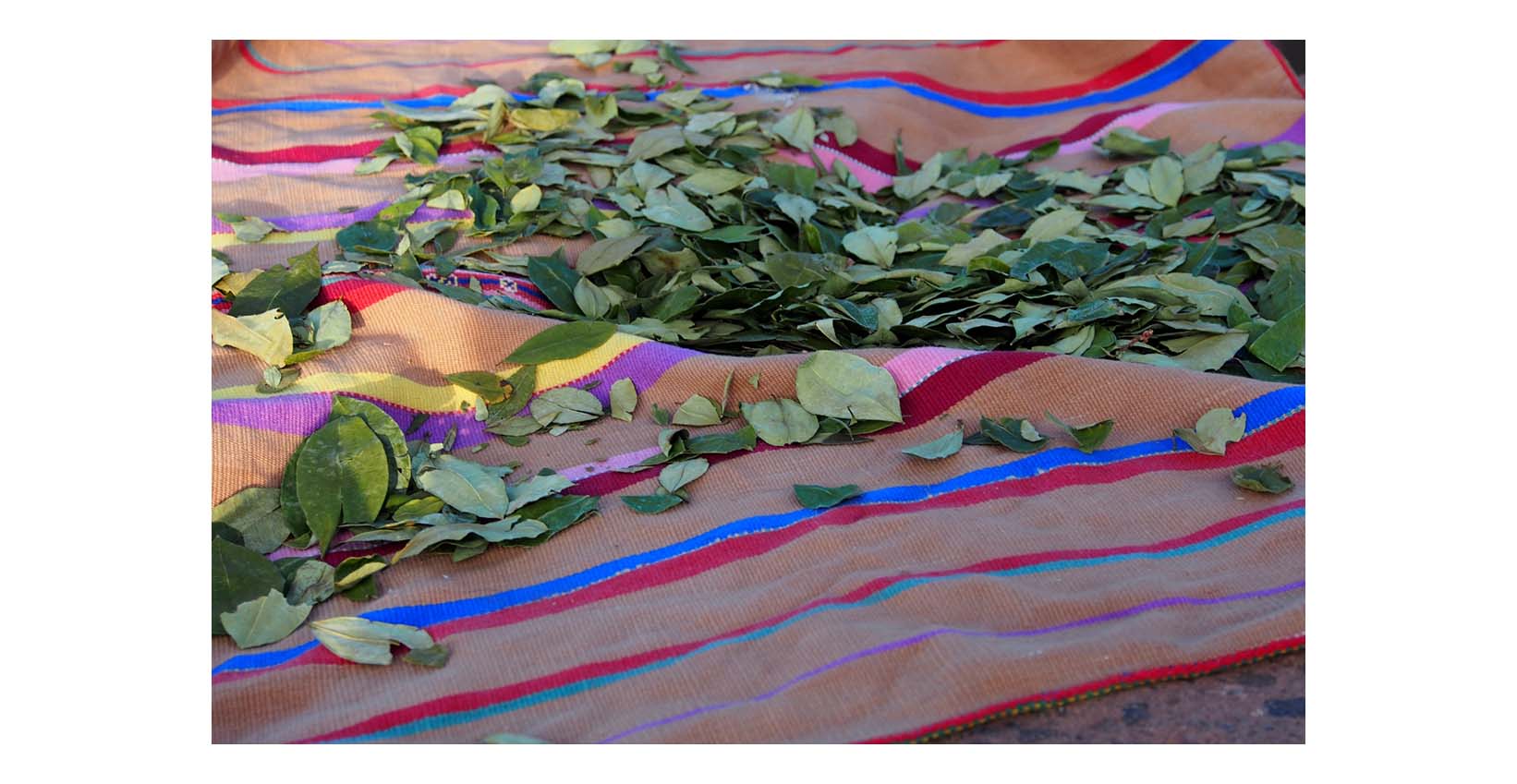
Coca leaves

In the Andean cultures of South America, coca leaves have been used for millennia to alleviate hunger, fatigue, and altitude sickness, and hold deep spiritual significance. Chewing coca leaves is a traditional practice, often performed during rituals to honour Pachamama (Mother Earth). The active compounds, including cocaine, act as stimulants by blocking the reuptake of dopamine, leading to increased energy and alertness.

Coca has recognized medicinal applications, though it is also the source of modern controversies due to its role in the production of cocaine. This duality highlights the complex relationship between cultural practices and global policies, with ongoing debates about the legal status and ethical implications of coca cultivation.

Ayahuasca (Banisteriopsis caapi & Psychotria viridis)

Ayahuasca brew

Ayahuasca, a traditional Amazonian brew, is central to shamanic rituals and spiritual healing practices. Indigenous tribes use it to access altered states of consciousness and connect with the spiritual realm. The active compounds, primarily DMT and harmine, interact with serotonin receptors to induce powerful visionary experiences.

Recently, ayahuasca has garnered global interest, with people seeking its purported psychological and physical benefits. This cultural exchange raises important questions about respect for traditional knowledge and ethical considerations. The spread of ayahuasca tourism has sparked debates about cultural appropriation and the sustainability of sourcing these sacred plants. Read more about ayahuasca in our other blog, Elevating Consciousness: A Comprehensive Guide To The 9 Most Known Psychedelics.

Cannabis (Cannabis sativa)

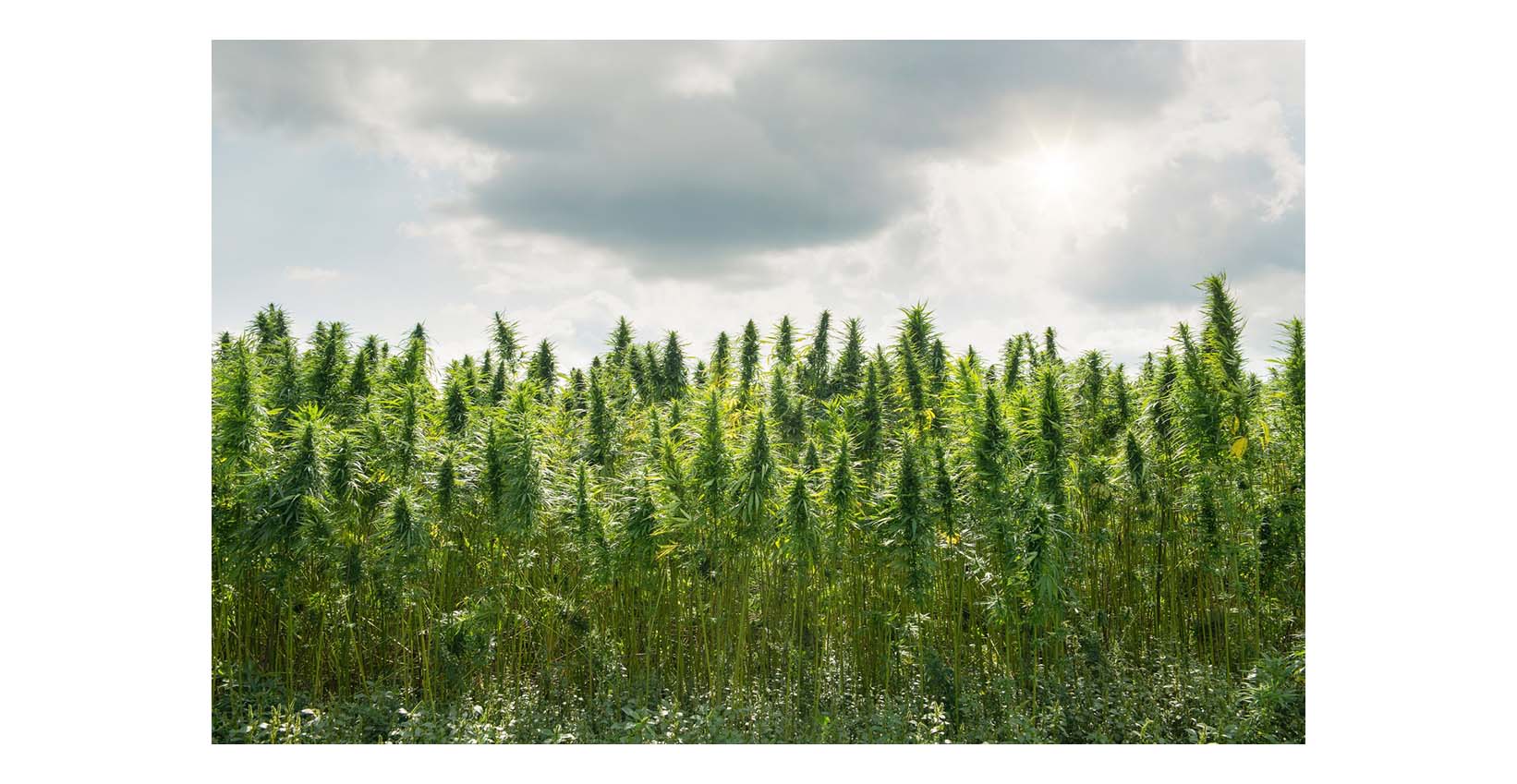
Cannabis plant field

Cannabis has been used for thousands of years for its psychoactive, medicinal, and industrial properties. Ancient cultures, including the Scythians and Hindus, utilized it in religious rituals and for its therapeutic benefits. The plant's fiber, known as hemp, has been crucial in producing textiles, paper, and other goods. The active compounds, THC and CBD, interact with the endocannabinoid system, affecting mood, appetite, and pain perception.

As legal statuses evolve worldwide, cannabis is experiencing a cultural renaissance, reflecting shifting perceptions and increasing acceptance. However, debates continue over its medical efficacy, potential for abuse, and regulatory frameworks. The environmental impact of large-scale cannabis cultivation also raises sustainability concerns.

Opium Poppy (Papaver somniferum)

Opium Poppy Plant

The opium poppy has a long history of medicinal use, dating back to ancient civilizations that harnessed its pain-relieving properties. The active compounds, morphine and codeine, bind to opioid receptors, providing potent analgesic effects. Its influence on global trade and conflicts, particularly during the Opium Wars, underscores its impact on history.

The opium poppy has also inspired significant works of art and literature, further embedding its legacy in human culture. However, the modern opioid crisis highlights the dark side of this plant's potency, with ongoing efforts to balance medicinal use with the risk of addiction.

Cacao (Theobroma cacao)

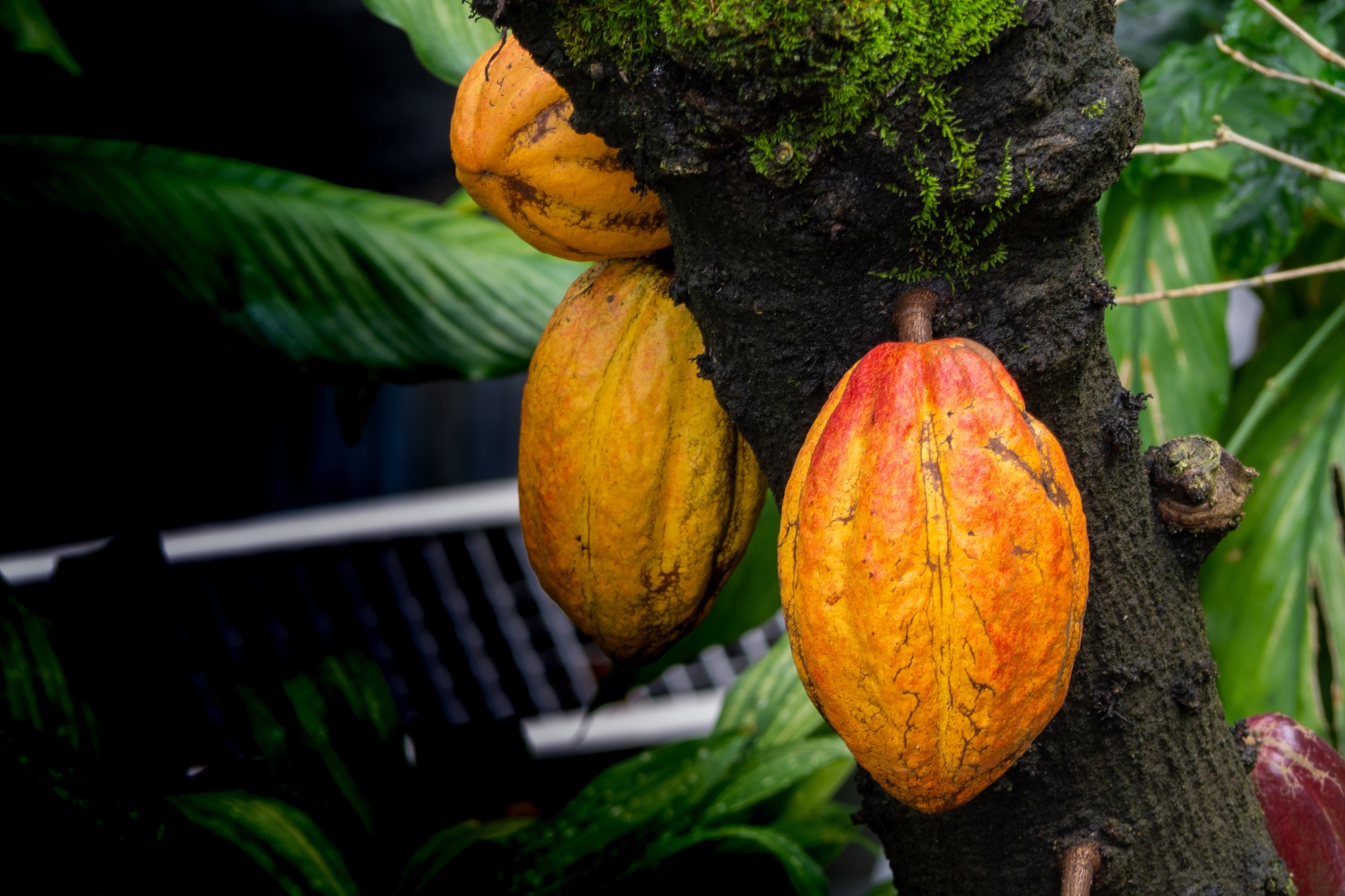
Cacao Pods on Tree

Cacao was revered by Mesoamerican cultures, where it was consumed in sacred rituals and used as currency. The Maya and Aztec civilizations prepared cacao as a bitter beverage, often mixed with spices and used in religious ceremonies. The active compounds, including theobromine and phenylethylamine, have stimulating and mood-enhancing effects. In the recent years, there's been a resurgence of cacao ceremonies hosted worldwide. Discover our blog "7 Easy Steps for Hosting a Sacred Cacao Ceremony for Yourself + Ceremonial Cacao Recipe" to learn more!

The European encounter with cacao transformed it into the beloved chocolate, leading to its global spread. Today, issues of fair trade and sustainability are central to the cacao industry, reflecting ongoing efforts to balance cultural heritage with modern economic practices. Ethical concerns about labor practices and environmental impact drive initiatives for more sustainable and equitable cacao production. 

Ethnobotany and Conservation

Preserving traditional ethnobotanical knowledge is crucial for maintaining cultural diversity and biodiversity. Threats to indigenous cultures and plant species from modernization and habitat destruction necessitate sustainable practices and biocultural conservation. Ethnobotany plays a key role in advocating for the protection of both plants and the cultural practices that surround them. Initiatives like the Global Strategy for Plant Conservation aim to integrate traditional knowledge into biodiversity conservation efforts.

The Future of Ethnobotany

The potential for new medicinal discoveries through ethnobotany is vast, as traditional knowledge often guides modern research. Integrating traditional and modern practices can lead to innovative solutions for health and environmental challenges. Ethical considerations in research and application are paramount to ensure respect for indigenous cultures and equitable sharing of benefits. Collaborative efforts between scientists and indigenous communities can enhance our understanding of plant uses and promote sustainable practices.

Conclusion

Plants have profoundly shaped human culture, influencing rituals, economies, and social structures. Ethnobotanical studies continue to reveal the deep connections between people and plants, emphasizing the importance of preserving this knowledge for future generations. As we look to the future, the insights gained from ethnobotany will remain essential in fostering sustainable and harmonious relationships with the natural world. By respecting and learning from traditional plant knowledge, we can address global challenges and ensure a more sustainable and equitable future.

 
Posted in: All posts, Health
Loading...