Blog navigation

Latest posts

Party Pills Comparison: Happy Caps vs DNX Pills

Twenty party pills in the shop and no idea which to pick? This comparison puts Happy Caps, DNX and the new Party-E...

Read More
Liquid Spore Cultures vs Spore Prints: Which Should You Choose?

Liquid spore cultures and spore prints are the two main ways to start a mushroom cultivation project. This guide...

Read More
Incense Guide: Which Type of Incense Is Right for You?

With over 60 types of incense in our collection, choosing the right one takes a bit of knowledge. This guide compares...

Read More
Kuripe vs Tepi: Which Rapé Applicator Suits You?

Kuripe or tepi? These are the two tools used to administer rapé, and choosing between them changes the experience...

Read More

Incense Guide: Which Type of Incense Is Right for You?


Last updated: February 2026
A complete comparison of every incense type in our collection, with recommendations by purpose and use.

Choosing incense shouldn't require a degree in aromatherapy. But with over 60 varieties on our shelves, a bit of guidance goes a long way. This guide covers every type we stock, from hand-rolled Indian sticks to Patagonian smudge bundles, and matches each one to what you're actually looking for.

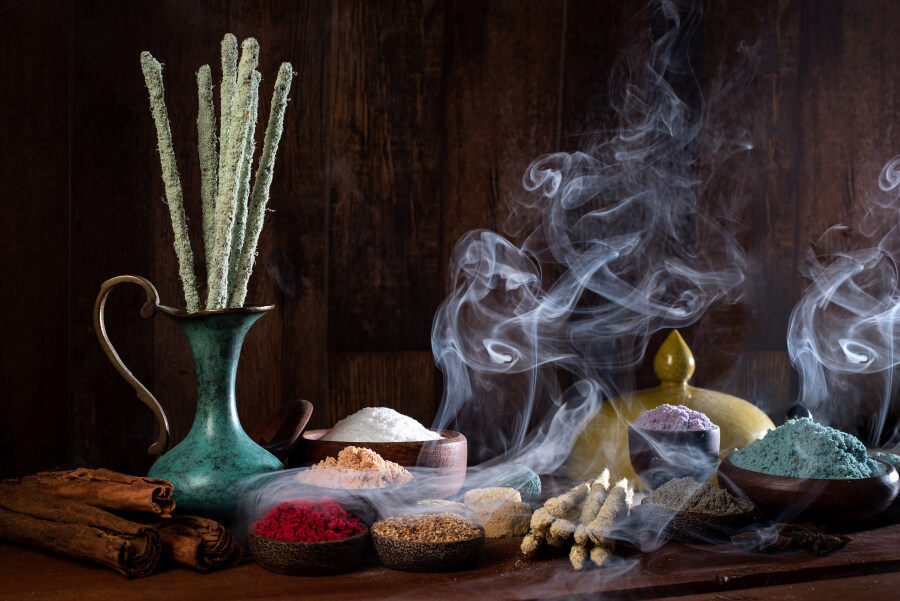
Different types of incense side by side

The main types of incense

Not all incense is created equal. The shape, ingredients and burning method vary between types. Here's what we carry and what each one does best.

Incense sticks

The most popular format by far. Light the tip, blow out the flame, place it in a holder. Simple. Three main families exist:

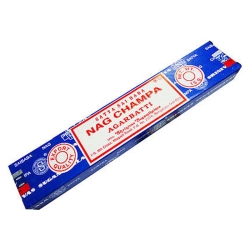
  • Indian masala sticks: Hand-rolled around a bamboo core with a blend of herbs, resins and essential oils. The most iconic? Satya Nag Champa. Warm, sweet and instantly recognisable from yoga studios worldwide.
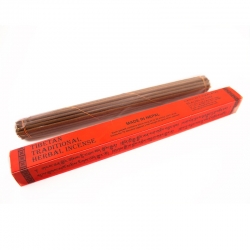
  • Tibetan sticks: No bamboo core. Pure compressed Himalayan herbs. Subtle, earthy and grounding. Our Traditional Tibetan Herbal Incense is a solid starting point.
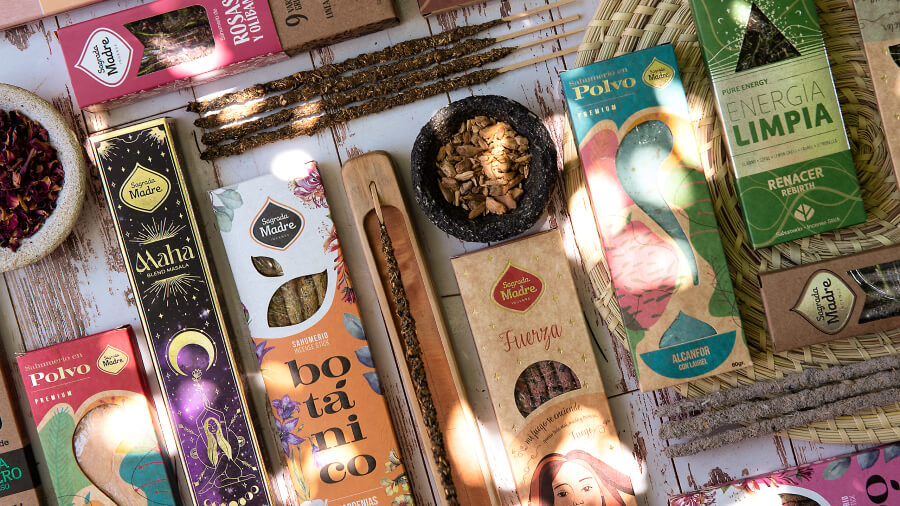
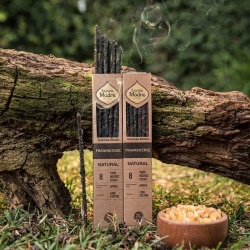
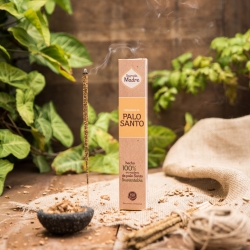
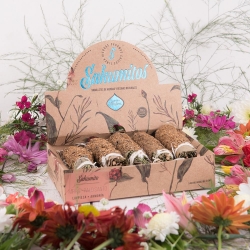
  • Natural sticks (Sagrada Madre): Handcrafted in Argentina using palo santo, frankincense resin and flowers. Zero synthetic additives. Try the Natural Frankincense or the bestselling Palo Santo sticks.

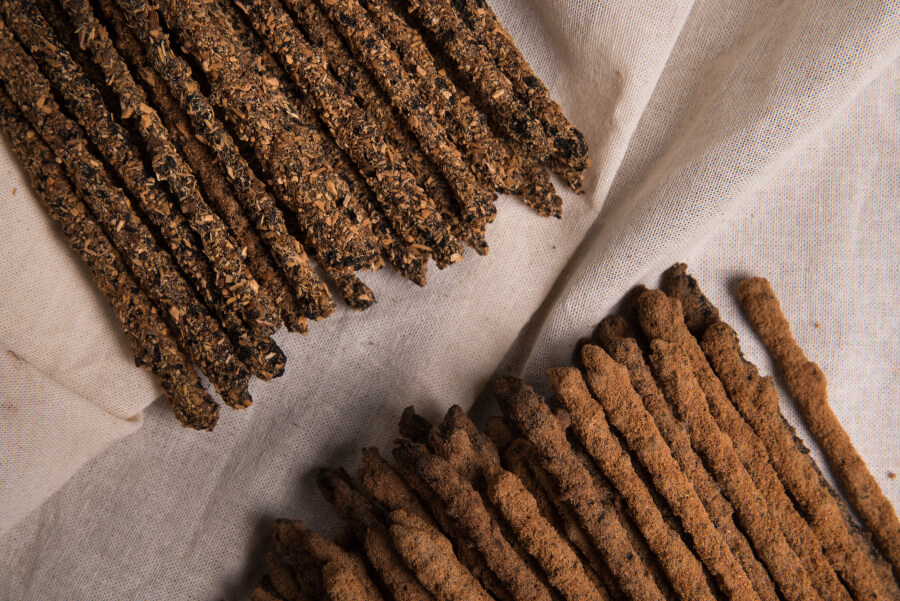
Sagrada Madre and Tibetan incense sticks

Smudge sticks

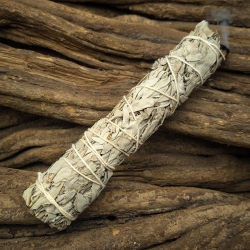
Dried herb or wood bundles bound tightly with thread. You light one end, blow it out and walk through the space, letting the smoke drift into corners and doorways. Traditionally used for energetic cleansing of a space, a person or an object.

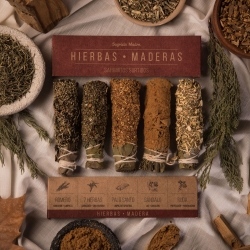
The two most common are white sage (powerful, penetrating, deeply purifying) and palo santo (softer, sweeter, with a warm woody character). Beyond those, you'll find herbal blends with myrrh, copal or lavender. Sagrada Madre's set of 5 smudge sticks is a good way to sample different styles.

Worth knowing: White sage (Salvia apiana) originates from North American indigenous traditions. We encourage using it with respect for that cultural heritage.

Incense powder

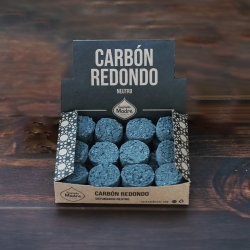
Loose powder that you sprinkle onto glowing charcoal. Produces an intense, short burst of smoke. Perfect for ceremonies and rituals. It requires a bit more preparation (you'll need charcoal discs), but the result is potent and pure.

Our collection includes camphor & bay leaf for purification and sandalwood for a warm, meditative atmosphere.

Incense powder burning on charcoal

Incense pearls & smudge bombs

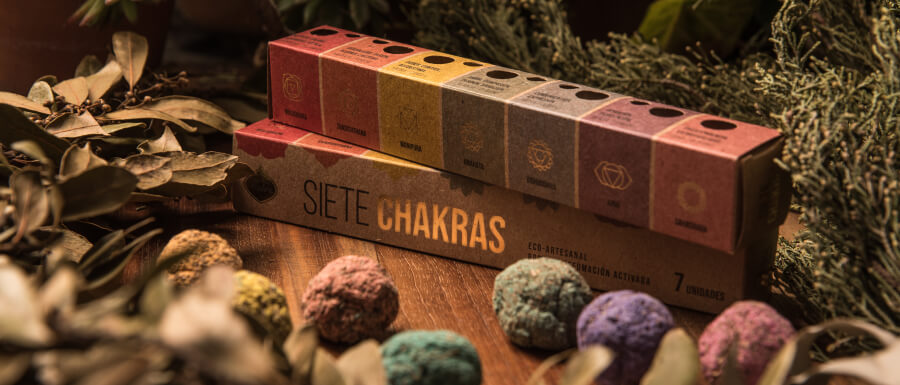
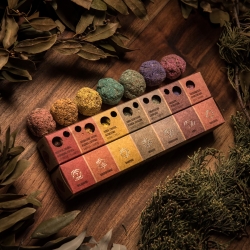
Two compact formats you may not have encountered before. Incense pearls are small spheres of concentrated fragrance. Place them on charcoal and they melt away slowly. Smudge bombs are compressed herbal bundles you light in one go, like a miniature smudge stick.

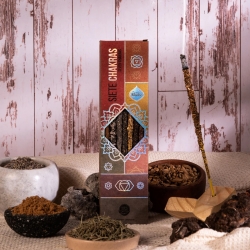
The 7 Chakra Smudge Bombs are popular: seven different blends, one for each chakra. Practical and purposeful.

All types compared

Type Burn time Intensity Best for
Incense sticks 30–60 min Mild to moderate Daily use, meditation
Smudge sticks Reusable (extinguish and store) Moderate to strong Cleansing, ceremony
Incense powder 5–15 min per load Strong Ritual, ceremony
Incense pearls 10–20 min Moderate Ambience, relaxation
Smudge bombs 15–30 min Moderate to strong Cleansing, chakra work

Which incense for which purpose?

This is where it gets useful. Every type has its own character and strengths. Below are the most common purposes and our recommendations for each.

Meditation

Go for something subtle that won't pull your attention away. Tibetan incense was made for this: pure herbal smoke, no bamboo core, gentle and earthy. The Vajrayogini blend is specifically composed for seated practice.

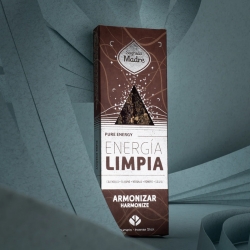
Nag Champa is another classic. That warm, sweet scent is practically synonymous with meditation spaces. For something more contemporary, the Pure Energy Harmony from Sagrada Madre blends herbs that support balance and focus.

Energetic cleansing

This calls for strong, purifying smoke. White sage is the traditional go-to. Powerful and penetrating. Walk through your home with a lit bundle, paying extra attention to corners and doorways.

Palo santo takes a gentler approach. Its sweet, woody aroma shifts heavy energy without overwhelming the space. Short on time? The 7 Chakra Smudge Bombs are convenient when you want quick, targeted cleansing.

Relaxation

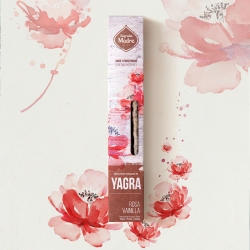
Floral and soft scents work best here. The Yagra line from Sagrada Madre was developed specifically for unwinding: vanilla with rose, violets with lavender, orchid with laurel. Pure comfort after a long day.

Lavender incense powder is another fine option. The Chamomile & Calendula sticks combine soothing chamomile with frankincense resin for a calming evening blend.

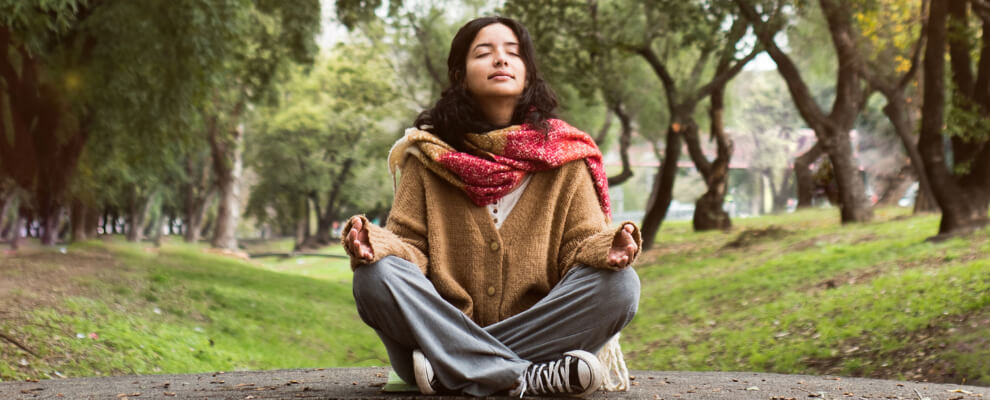
Burning incense during meditation

Ceremony and ritual

For deeper ritual work, incense powder is the strongest choice. You control the amount of smoke precisely, and burning on charcoal feels inherently ceremonial. The 7 Forces powder is blended specifically for ritual practice.

Smudge sticks with copal or myrrh and palo santo also fit well. They combine purification with a sacred, solemn quality.

Everyday use

Simply want your home to smell lovely? The Sagrada Madre natural sticks are ideal. Frankincense, sandalwood, palo santo: all subtle enough to burn throughout the day without becoming overpowering. The Sandalwood & Frankincense blend is one of our bestsellers for good reason.

A pleasant surprise for daytime burning: the Cannabis Incense range (Lemon Haze or Purple Hindu Kush). Fresh and herbal, purely the aroma of the plant.

How to burn incense

  1. Choose your type and ensure ventilation
    Pick the incense that suits your purpose (see above). Open a window slightly or make sure the room has adequate airflow. A bit of fresh air prevents the smoke from becoming too dense.
  2. Lighting incense sticks
    Hold the tip of the stick in a flame until it catches. Blow out the flame. The stick should smoulder, not burn: you'll see a glowing tip and a thin wisp of smoke. Place it in an incense holder and enjoy.
  3. Using smudge sticks
    Light the end of the bundle and let it burn for a few seconds. Blow it out so a steady stream of smoke forms. Walk slowly through the space, wafting the smoke with your hand or a feather towards the areas you wish to cleanse. Extinguish the bundle in sand or a fireproof dish afterwards.
  4. Burning incense powder on charcoal
    Place a charcoal disc on a fireproof surface. Light it and wait 5 to 10 minutes until it glows evenly (you'll see a grey ash layer forming). Sprinkle a small amount of incense powder onto the charcoal. Add more as the smoke fades.

Safety note: Never leave burning incense unattended. Keep it away from curtains, paper and other flammable materials. Always use a suitable holder or fireproof surface.

What to look for when buying incense

Quality varies enormously, and you'll notice the difference in scent, smoke and how you feel afterwards.

Natural vs. synthetic

Cheap incense from tourist shops often contains synthetic fragrances and chemical binders. You'll recognise it by its sharp, artificial undertone and throat-irritating smoke. Natural incense uses only plant-based ingredients: herbs, resins, wood and essential oils. The difference is immediately noticeable.

Sustainably produced

Sagrada Madre, our largest incense brand, plants a new tree for every one harvested and works with local communities in Argentina. Curious about their story? Read our blog about Sagrada Madre.

Check the ingredients

With natural incense, the ingredients are straightforward: palo santo, frankincense resin, sandalwood, lavender. If you see a long list of codes or the word "fragrance" without further detail, that tells you enough.

Incense holders and accessories

Practical tips

  • Store incense in a dry place. Moisture is the enemy. A sealed container or the original packaging will do.
  • Less is more. You don't need to fill the room with smoke. One stick or a pinch of powder is enough for an average living room.
  • Invest in a proper holder. An incense holder catches ash and prevents burn marks. Selenite holders combine function with a beautiful appearance.
  • Mix it up. You don't have to stick with one type. Many people burn sticks during the day and use a smudge stick for a weekly cleansing ritual.

Frequently asked questions

Which type of incense is best for beginners?

Start with incense sticks. They're the easiest to use: light, blow out, place in a holder. Satya Nag Champa or a Sagrada Madre natural stick are both excellent first choices.

Is burning incense safe?

Yes, provided you ventilate and don't overdo it. Burn incense in a well-ventilated room and never leave it unattended. Natural incense without synthetic additives produces significantly fewer irritants than cheap alternatives.

What is the difference between white sage and palo santo?

White sage (Salvia apiana) produces a powerful, herbal smoke that cleanses deeply. Palo santo (Bursera graveolens) is softer and sweeter, with a warm woody tone. Sage is typically used for intensive purification, while palo santo is more about creating a calm, sacred atmosphere. Many people use both, depending on the occasion.

How long does an incense stick burn?

It depends on the length and thickness. Indian masala sticks typically burn for 30 to 45 minutes. Tibetan sticks tend to be thicker and can last up to 60 minutes. Sagrada Madre sticks fall somewhere in between.

Do I need an incense holder?

For sticks: yes, always. A holder catches falling ash and keeps the stick stable. For smudge sticks, use a fireproof dish or abalone shell. For incense powder on charcoal, a sturdy, heatproof bowl will suffice.

Can I combine different types of incense?

Absolutely. Many people burn a smudge stick first to cleanse the space, then light a stick for ambience. Feel free to combine, but avoid burning two types simultaneously. The overlapping scents tend to muddle rather than complement each other.

Ready to explore or expand your collection? Browse our full range below. From Tibetan herbal traditions to Argentine artisan incense, there's always something that fits.

Also read our guide on daily spiritual rituals for more inspiration on weaving incense into your everyday routine.

 
Lex Johnson is a self-taught herbalist, language freak, musician and one of the writers behind the Next Level blog. His curiosity runs wide — from the differences between Criollo and Trinitario cacao to the latest psilocybin research. That same curiosity shows in the range of his writing. Lex covers everything from ceremonial cacao and kanna to magic mushrooms, salvia divinorum, kambo, party pills, healing herbs and product deep dives. In addition to a journalism foundation certificate, he holds a Bachelor of Fine Arts.
Loading...