Blog navigation

Latest posts

When a Trip Gets Too Intense: Staying Calm and Riding It Out

A trip can sometimes take you a little deeper than you expected. That is almost never cause for worry, and it always...

Read More
Cacao vs Coffee: Theobromine vs Caffeine

Coffee and cacao both give you energy, but the experience is completely different. It comes down to a single...
Read More
Magic Truffles by Strength: From Gentle to Strongest

Not every magic truffle is equally strong: there is a world of difference between a gentle Mexicana and a hefty High...
Read More
Indica, Sativa and Ruderalis: The Real Difference Explained

Indica, sativa and ruderalis: the three names you will find on almost every pack of cannabis seeds. But what do they...

Read More

Cacao vs Coffee: Theobromine vs Caffeine


A cup of coffee and a cup of cacao both give you energy, but they feel worlds apart. Coffee makes you sharp and alert. Cacao offers a warm, even energy that builds gently and lingers. The difference comes down to a single molecule: coffee runs on caffeine, pure cacao mainly on theobromine.

Two related compounds, two very different experiences. At Next Level Smart we've worked with raw, ceremonial cacao for over a decade, and it's exactly that contrast with coffee that makes cacao so appealing to so many people.

Last updated: June 2026
This guide is updated regularly with new insights on cacao, theobromine and caffeine.

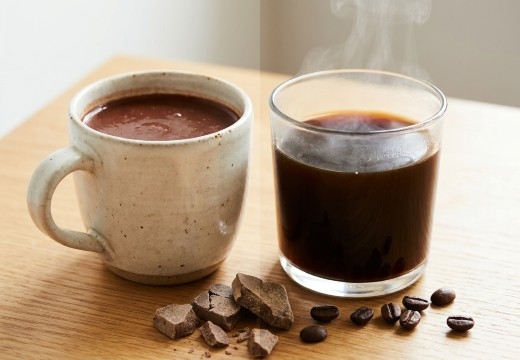
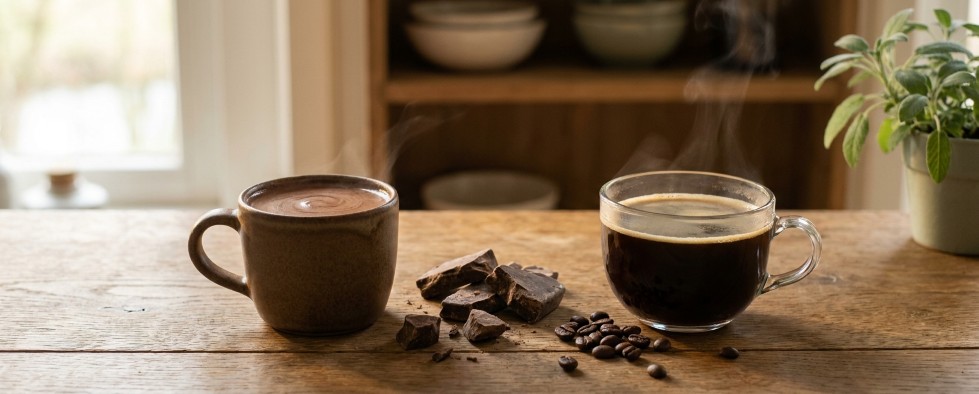
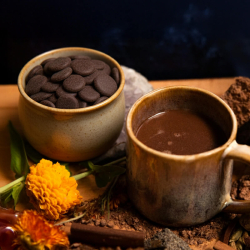
Cacao and coffee mug side by side

Theobromine and caffeine: family, not twins

Both belong to the same chemical family, the methylxanthines. On paper they look very similar, and both keep you a little more awake. It's the details that shape the experience.

Caffeine acts directly on your central nervous system. It blocks adenosine, the compound that makes you sleepy, quickly and firmly. Hence that sharp alertness fifteen minutes after your first cup.

Theobromine, the lead player in cacao, works far more gently. It touches your nervous system less and focuses more on your blood vessels and heart, which it relaxes and widens. What you feel is a broad, mild energy that builds slowly and lasts.

In a controlled study of how theobromine works, Baggott and colleagues (2013) found it had a mild but noticeable effect in healthy volunteers, with a character quite unlike the direct jolt of caffeine.

Why coffee peaks and cacao rolls

The biggest difference is the shape of the curve. Caffeine rises fast, reaches a clear peak and then drops away, often with a dip that calls for a second cup. Theobromine takes a calmer path: slow to start, gradually tapering, even from beginning to end.

Trait Theobromine (cacao) Caffeine (coffee)
Onset Gradual, after 20 to 40 minutes Fast, within fifteen minutes
Course Long and even Shorter, with a clear peak
Effect on the body Mild widening of the blood vessels Faster heart rate, sharp alertness
Crash Rare Common
The feeling Warm and calmly alert Sharp and focused

That's why cacao stays pleasant, even though it does contain a stimulant. You feel clear and calm at the same time, without palpitations or that wired feeling. Plenty of people who don't get along with coffee enjoy a cup of cacao with no trouble at all.

What else is in cacao

Theobromine provides the energy, but the rest of the story is what makes cacao special. A block of raw cacao is packed with compounds that shape how you feel.

  • Magnesium — raw cacao is one of the richest plant sources. Magnesium plays a part in muscle relaxation and a calm nervous system.
  • Flavanols — powerful antioxidants. Research by Mastroiacovo and colleagues (2015) links cacao flavanols to better blood flow and cognitive function in older adults.
  • Mood compounds — cacao contains phenylethylamine and tryptophan, building blocks your body uses for compounds such as serotonin. That partly explains the warm, open feeling many people associate with cacao.

Coffee has its own strengths and is rich in antioxidants too. That broad mix of magnesium and mood compounds, though, is distinctly cacao. Curious why raw cacao differs so much from ordinary chocolate? You'll find it in our guide to raw cacao versus chocolate.

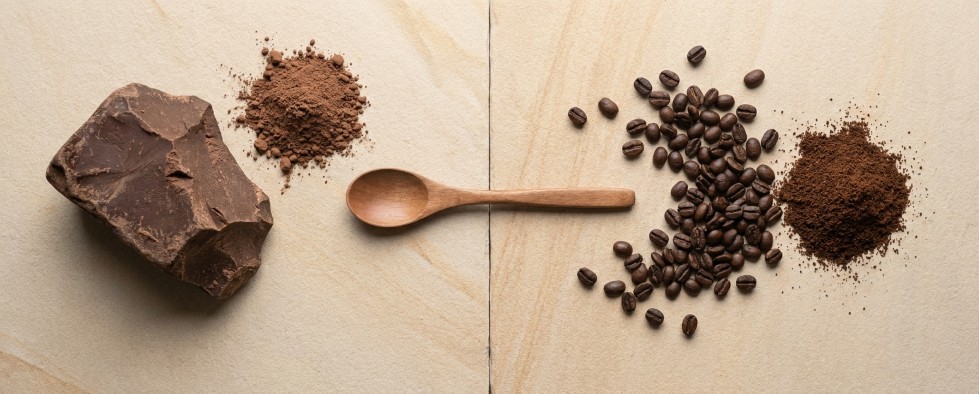
Raw cacao and coffee beans comparison

So is cacao caffeine-free?

A common assumption is that cacao contains no caffeine. In reality there is some, just far less than in coffee. A cup of ceremonial cacao holds roughly a fraction of the caffeine in an espresso, alongside a solid dose of theobromine.

For most people that's so little it barely registers. If you're extremely sensitive to caffeine, or prefer nothing stimulating later in the day, it's good to know it's there in a small amount. For comparison: EFSA (2015) sets a guideline of around 400 mg of caffeine a day for healthy adults, while an average cup of coffee delivers about 80 to 100.

How to make cacao instead of coffee in the morning

Fancy swapping your coffee for a cup of cacao? It takes five minutes and very little kit.

  1. Weigh out your cacao
    Start with around 25 to 40 grams of pure cacao. Chop a block into small pieces so it dissolves more easily later.
  2. Heat your liquid
    Warm about 200 ml of water or plant milk in a saucepan. Don't let it boil; just below boiling point is exactly right.
  3. Stir in the cacao
    Add the pieces and whisk until smooth. A Mexican molinillo traditionally does the job here.
  4. Finish to taste
    A pinch of cinnamon, a little honey or a hint of cayenne lifts the whole thing. Taste and adjust.
  5. Drink slowly
    Take your time. Cacao builds gradually, so there's no point rushing.

Rather not chop a block? The Easy Instant Mix dissolves straight into warm water. And if you want cacao with a calming edge, look at the Raw Cacao Relax Mix with reishi, lion's mane and ashwagandha.

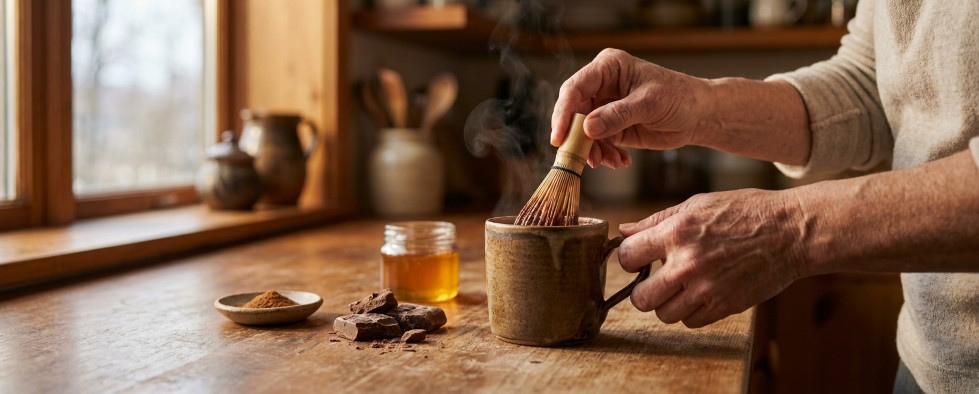
Stirring warm cacao in a mug

Coffee, cacao, or both?

Both have their moment. The trick is knowing when to reach for which.

Choose coffee when...

You need fast, sharp focus. For a deadline, a long drive or that one moment when you really have to snap awake, caffeine is hard to beat.

Choose cacao when...

You want calm, lasting energy that stays even. As a morning ritual, during a work afternoon where you want to stay focused and relaxed, or simply because cacao suits you better than coffee. The warm, open side of cacao also makes it a favourite during a cacao ceremony.

Or combine them

Many people drink coffee in the morning for the edge and switch to cacao later in the day for a gentler lift. Want some caffeine, but from a plant-based, milder source? Then guayusa from the Amazon is a lovely middle ground.

Why Next Level Smart?

  • 10+ years of experience with raw and ceremonial cacao
  • Direct sourcing — criollo and trinitario from small cooperatives in Peru, Bolivia and Ecuador
  • 100% raw — unprocessed cacao with no additives, so theobromine and flavanols stay intact
  • Discreet shipping across the Netherlands and Europe

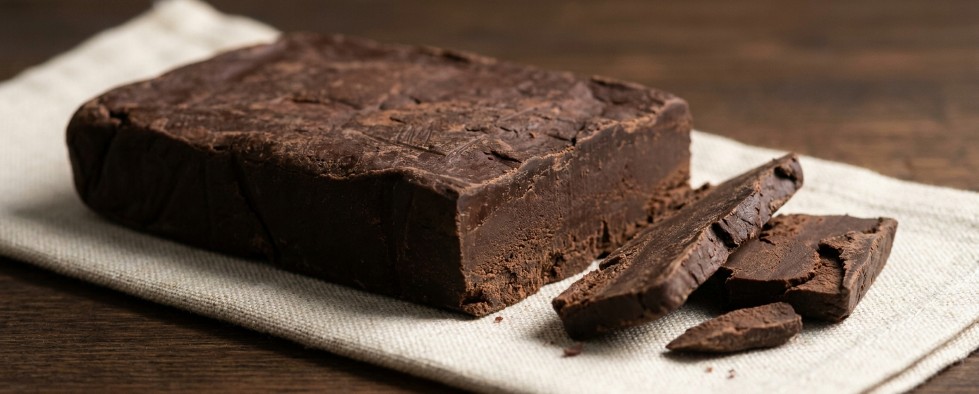
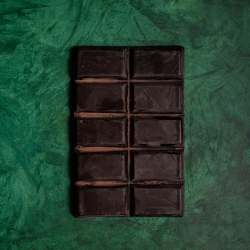
Raw criollo cacao block close-up

Frequently asked questions about cacao and coffee

Does cacao contain caffeine?

Yes, but very little. The main compound in cacao is theobromine, with a small amount of caffeine alongside it. A cup of ceremonial cacao holds only a fraction of the caffeine in a cup of coffee, which makes cacao a much milder choice.

Does cacao cause a crash like coffee?

Rarely. Theobromine builds gradually and tapers off slowly, without the sharp peak and dip of caffeine. As a result, most people get steady, even energy rather than a quick jolt followed by a slump.

How much theobromine is in a cup of cacao?

It depends on the amount and type of cacao. A ceremonial serving of 25 to 40 grams of pure cacao delivers a substantial dose of theobromine, many times the caffeine it contains. The purer and more raw the cacao, the more is preserved.

Can I drink cacao in the evening?

For most people that's fine, because the caffeine content is low. Theobromine works gently and usually lets you sleep just fine. If you're very sensitive to stimulants, simply have your cup of cacao a little earlier in the evening.

Is theobromine safe?

For humans, theobromine is well tolerated in normal amounts. Do mind your pets: dogs and cats break the compound down far more slowly, which makes cacao and chocolate toxic to them. Always store your cacao out of their reach.

Cacao or coffee when I want to concentrate?

For fast, sharp focus, coffee wins. For calm, longer concentration without a dip, cacao is often more pleasant. Many people combine the two: coffee for the acute moment, cacao for steady, relaxed alertness throughout the day.

Can I combine cacao and coffee?

You certainly can. Some people stir a spoon of cacao into their coffee, others drink them at different times of day. Keep in mind that you then add up the caffeine from both, so listen to your body.

Which cacao is best to start with?

A pure, raw cacao paste or powder of ceremonial grade is a lovely starting point. Our Peruvian Criollo cacao paste is a classic. Want to know what to look for in quality? Read our guide to spotting ceremonial cacao.

Last updated: June 2026 | Next Level Smart

 
Lex Johnson is a self-taught herbalist, language freak, musician and one of the writers behind the Next Level blog. His curiosity runs wide — from the differences between Criollo and Trinitario cacao to the latest psilocybin research. That same curiosity shows in the range of his writing. Lex covers everything from ceremonial cacao and kanna to magic mushrooms, salvia divinorum, kambo, party pills, healing herbs and product deep dives. In addition to a journalism foundation certificate, he holds a Bachelor of Fine Arts.
Loading...