Last updated: June 2026
This guide is reviewed regularly with new insights into cannabis genetics and strain types.
Anyone shopping for cannabis seeds soon runs into the three-way split: indica, sativa and ruderalis. The terms show up in almost every strain description, and they tell a neat story about where the plant comes from and how it grows. What they predict less well is what you actually notice from a strain. That lives mostly in the cannabinoid and terpene profile. In this guide we walk through the three families: their origins, their shape, and what they mean for your choice in practice. With more than 10 years of experience in cannabis seeds, we are glad to help you look past the label.
One species, three families
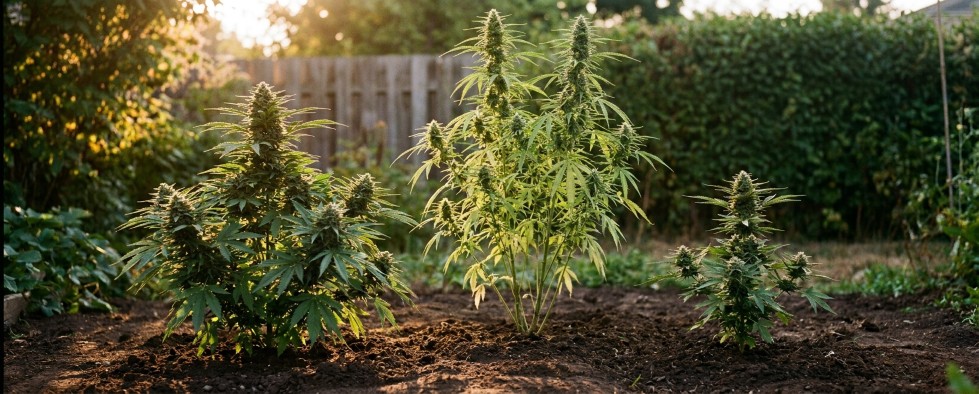
Botanically, all cannabis is a single species: Cannabis sativa L. What we call indica, sativa and ruderalis are varieties that emerged in different parts of the world and adapted to their surroundings. That origin explains almost everything about their shape and growth.
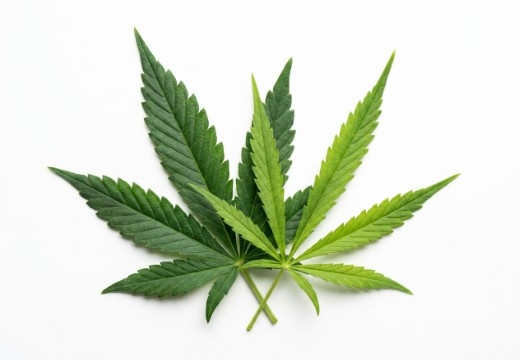
Indica comes from the mountainous Hindu Kush region, roughly Afghanistan, Pakistan and northern India. Short summers and cool nights produced a compact, bushy plant with broad leaves and dense, heavy buds. Sativa grew near the equator, in countries such as Thailand, Mexico and Colombia. The long warm season let the plant take its time: sativas grow tall and lanky, with narrow leaves and airy buds that ripen late. Ruderalis, finally, hails from the cold steppes of Central Asia and Siberia. A small, tough survivor that does not wait for the light hours to flower, but simply flowers with age.
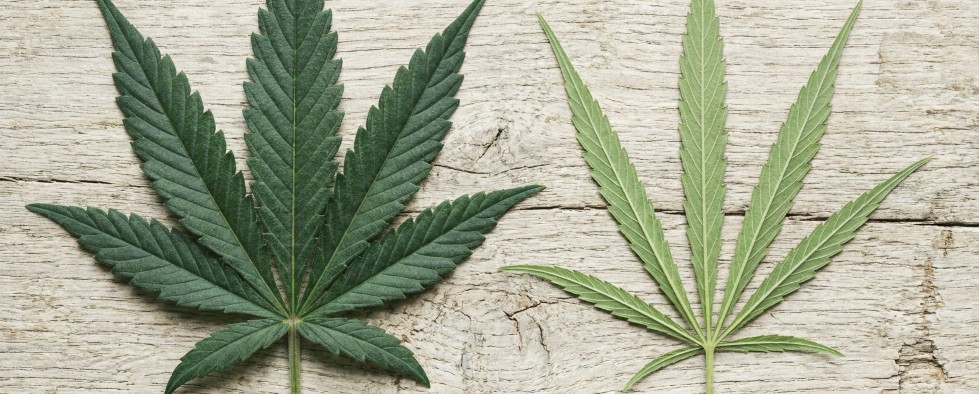
| Trait |
Indica |
Sativa |
Ruderalis |
| Origin |
Hindu Kush mountains |
Tropics near the equator |
Cold steppes, Siberia |
| Plant shape |
Short and bushy |
Tall and lanky |
Small and tough |
| Leaves |
Broad |
Narrow |
Narrow, few branches |
| Flowering |
By light cycle |
By light cycle, late |
Automatic, by age |
| Natural THC |
Traditionally high |
Traditionally high |
Low |
| Reputation of effect |
Physical, relaxing |
Clear, active |
Mild, mainly as a breeding base |
The bottom row reflects traditional reputation, not a guaranteed effect. How that works is explained below.
What actually shapes the effect?
The best-known rule of thumb runs like this: indica is relaxing and physical, sativa clear and energising. As a memory aid that is handy, and there is often a grain of truth in it. Even so, the type is far from the whole story.
The terms indica and sativa were coined more than two hundred years ago to describe plant shapes and origins, not to predict effects. Research in PLoS ONE (Sawler et al., 2015) showed that the labels match the real genetic structure of cannabis only loosely. A strain called "indica" can sit genetically closer to a "sativa" than to another "indica". In a widely cited interview, Piomelli and Russo (2016) argued that the split offers little to go on when predicting effects.
So what really tips the balance? The chemical profile of the specific variety: the ratio between cannabinoids such as THC and CBD, and the terpenes that shape aroma and flavour. Terpenes such as myrcene, limonene and pinene give a strain its own aroma, and help colour how it works. That interplay between cannabinoids and terpenes is sometimes called the entourage effect. A study in Nature Plants (Watts et al., 2021) found that the name on the label correlates only weakly with that terpene profile. To learn what the various cannabinoids do, read our explainer on CBD, THC, HHC and CBG.
In short: the described profile of a specific strain tells you more than the name indica or sativa. That is where the difference you actually notice lives.
Ruderalis and autoflowering: the underrated third
Ruderalis stayed in the background for a long time. In its pure form the plant holds barely any THC, so growers saw little to work with. Until its real talent stood out: ruderalis starts to flower automatically once it is a few weeks old, regardless of the light hours. Other cannabis needs a shift in the light cycle to do the same.
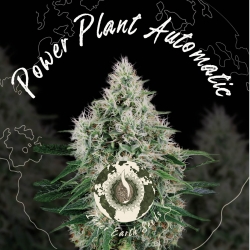
By crossing ruderalis with indica or sativa strains, breeders created autoflowers: compact, fast plants that finish within ten to twelve weeks and need no complicated light schedule. Ideal for a short summer, a small balcony, or a first grow.
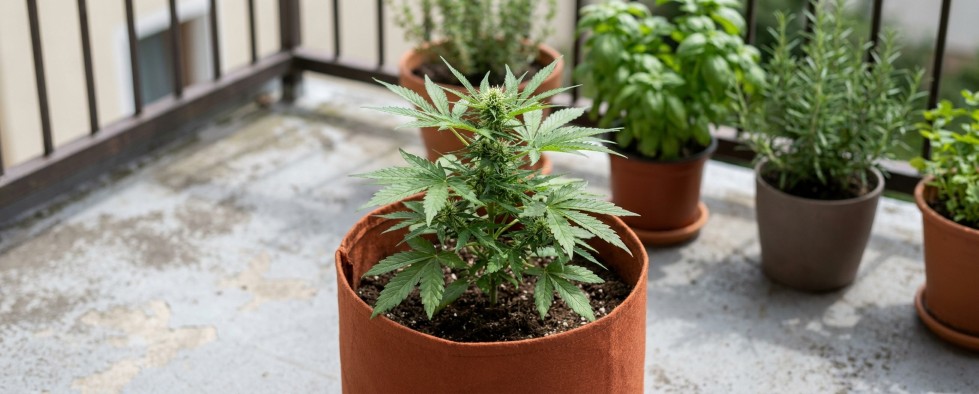
Pure ruderalis genetics do have a downside. Some people pick up a slight aftertaste, a touch grassier or earthier than a refined photoperiod strain. And the older autoflowers were known for slightly weaker genetics: a lower yield, less THC, and sometimes a bit less resistance to mould or rough weather. Modern breeding has largely ironed that out, and today's autoflowers barely trail ordinary cannabis. That vulnerability also matters far less when you grow at the right time. A plant standing outside in the sunny summer months faces much less cold and damp than one you put in the ground too late in the season.
Hybrids: almost everything today is a cross
Shop for cannabis seeds today and you will rarely find a hundred percent pure indica or sativa. Nearly every modern strain is a hybrid, a cross in which breeders combine the best traits of both families. The compact build of an indica with the aroma of a sativa, for instance.
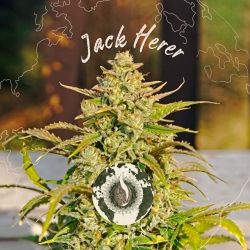
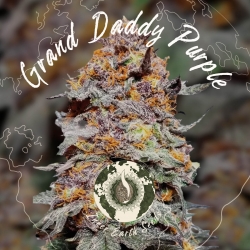
That is why you often see the terms indica-dominant, sativa-dominant or balanced. They say something about the ratio in the lineage, but remain a starting point, not a promise. A strain listed as indica-dominant can still feel surprisingly clear thanks to its terpene profile. Our Granddaddy Purple is known as a classic indica, while Jack Herer represents the sativa side. Both are carefully bred, and neither is truly "pure".
From landrace to hybrid: a short history
So where did all those hybrids come from? Until the mid-twentieth century, cannabis grew mostly as a landrace: a population that stood in one place for centuries and adapted to that climate. Afghan indicas in the mountains, Thai and Mexican sativas in the tropics. Pure, stable and fully tuned to their homeland.
In the 1960s and 1970s, travellers carried seeds of those landraces back to the West. Growers in North America and Europe crossed them, looking for plants that ripened indoors, flowered faster and coped with a cooler climate. Classics such as Skunk and Northern Lights date from that era. The result: pure landraces became rare, and almost everything you buy today is a blend of several lines. That is exactly why one word, indica or sativa, says so little about what is really in the pack.
What to actually look for when choosing
Now that you know what to watch for, choosing gets a lot easier. Focus on these points:
- The cannabinoid profile. Are you mainly after THC, or a higher CBD content? A CBD-rich strain gives barely any high and keeps your head clear. That shapes the character more than the type does.
- Photoperiod or autoflower. Do you control the light and the space, or do you want a plant that sorts itself out? Read our guides on indoor growing and outdoor growing.
- Feminised or regular. Feminised seeds nearly always produce female plants, so you do not have to weed out males.
- Flowering time and yield. A short summer calls for a fast strain.
- The described aroma and flavour. The terpene profile often reveals more about the effect than the word indica or sativa.
Still not sure which way to go? Our cannabis seed buyer's guide walks you through every choice step by step, and our beginner's guide explains how to germinate seeds.
Why Next Level Smart?
- A broad range of Inner Earth genetics — indica, sativa, hybrid, autoflower and CBD
- Feminised and autoflower seeds for every level
- more than 10 years of experience with ethnobotanicals and cannabis seeds
- Discreet shipping across the Netherlands and Europe
A quick word on the rules: cannabis seeds themselves are freely available in the Netherlands. Home cultivation of up to five plants is tolerated, provided you hand them over on request. Large-scale cultivation is a criminal offence. Always check the current regulations in your own country first.
Frequently asked questions about indica, sativa and ruderalis
What is the difference between indica and sativa?
The difference mainly lies in origin and plant shape. Indica comes from mountainous regions and is short and bushy with broad leaves; sativa comes from tropical areas and grows tall and lanky with narrow leaves. The effects people assign to them (indica relaxing, sativa active) are a rule of thumb, not a law: the real effect depends on the cannabinoid and terpene profile of the specific strain.
Which cannabis type is the strongest?
Strength is decided by the cannabinoid content of the specific variety, not by the type. Both indica- and sativa-dominant hybrids can reach very high THC levels. So look at the strain's stated profile, not at the indica or sativa label.
What exactly is ruderalis?
Ruderalis is the third cannabis variety, originating from the cold steppes of Central Asia and Siberia. It is naturally low in THC but has one special trait: it flowers automatically with age rather than by light cycle. That is why ruderalis is crossed with other strains to create autoflowers.
Are autoflowers weaker than regular cannabis?
Older autoflowers were known for slightly weaker genetics: lower yields, less THC and sometimes a faint aftertaste from the ruderalis input. Modern breeding has largely closed that gap, so today's autoflowers barely trail photoperiod strains. Grow at the right point in the season and their sensitivity to cold or damp plays a much smaller role too.
Is indica or sativa better for beginners?
For beginners, what matters most is how easy a plant is to grow. Compact, fast autoflowers (often carrying indica and ruderalis genes) are popular for that reason: they need no complicated light schedule and finish within a few weeks. Our cannabis seed buyer's guide helps you pick a fitting strain.
Does pure indica or sativa still exist?
Pure is rare. Almost every modern strain is a hybrid in which breeders have combined traits from both families. The labels indica-dominant or sativa-dominant refer to the ratio in the lineage, but they are a starting point and not a guarantee of the effect.
What are terpenes and why do they matter?
Terpenes are the aromatic compounds that give cannabis its scent and flavour, from citrus to pine to earth. They work alongside the cannabinoids and help colour how a strain feels. That is exactly why the terpene profile often says more about a strain's character than the indica or sativa label.
Last update: June 2026 | Next Level Smart