Blog navigation

Latest posts

Party Pills Comparison: Happy Caps vs DNX Pills

Twenty party pills in the shop and no idea which to pick? This comparison puts Happy Caps, DNX and the new Party-E...

Read More
Liquid Spore Cultures vs Spore Prints: Which Should You Choose?

Liquid spore cultures and spore prints are the two main ways to start a mushroom cultivation project. This guide...

Read More
Incense Guide: Which Type of Incense Is Right for You?

With over 60 types of incense in our collection, choosing the right one takes a bit of knowledge. This guide compares...

Read More
Kuripe vs Tepi: Which Rapé Applicator Suits You?

Kuripe or tepi? These are the two tools used to administer rapé, and choosing between them changes the experience...

Read More

The History of Magic Mushrooms and Truffles


history of magic mushrooms and truffles

Last updated: March 2026
This article has been supplemented with the latest psilocybin research findings from 2024-2026.

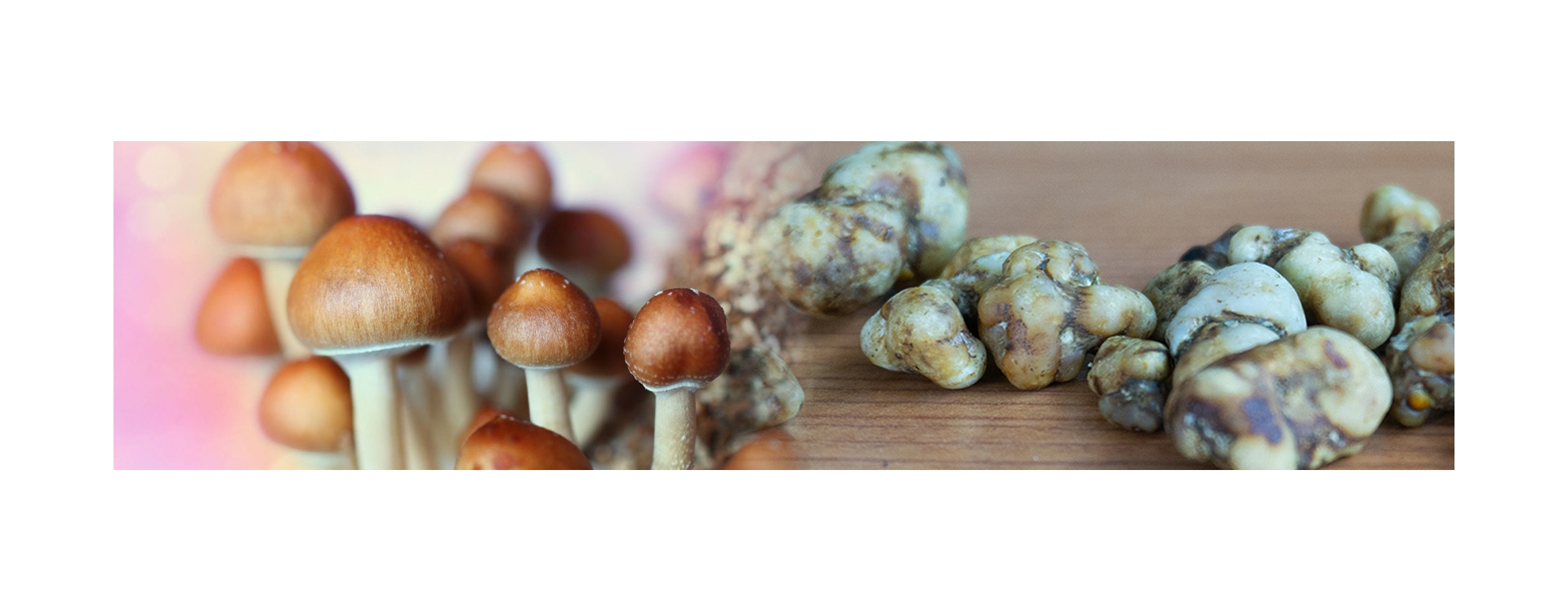
Magic mushrooms and truffles, also known as "Philosopher's Stones", have a history stretching back thousands of years. From prehistoric rock paintings in the Sahara to ceremonial practices in Mesoamerica and the pioneering work of Maria Sabina, psilocybin-containing fungi have left an indelible mark on human cultures worldwide. In this article we trace their journey through time, paying particular attention to the cultural context and the respect these traditions deserve.

Early historical use of psilocybin mushrooms

The use of psychoactive mushrooms dates back to the earliest human civilisations. While concrete evidence is scarce for practices predating written language, archaeological finds, artworks and later historical documents all point to the widespread use of these fungi by ancient peoples across multiple continents.

Saharan rock art

Some of the oldest potential evidence of magic mushroom use comes from North Africa. On the Tassili n'Ajjer plateau in south-eastern Algeria, prehistoric rock paintings dating from 7,000 to 9,000 BCE depict humanoid figures with mushroom-like shapes appearing to sprout from their bodies. Some figures are shown dancing or in trance-like states, possibly indicating the use of mushrooms in religious or shamanic rituals.

Ceremonial traditions in Mesoamerica

The most extensively documented historical bond between humans and psilocybin mushrooms lies in Central America. The Aztecs called these mushrooms teonanácatl, loosely translated as "flesh of the gods". They were employed in religious ceremonies to induce visions and connect with the divine. Beyond the Aztecs, the Mazatec, Mixtec and Zapotec peoples in present-day Mexico also used psilocybin-containing species in healing and divination rituals.

Stone figurines shaped like mushrooms, discovered in Guatemala and dating from around 1000 BCE, confirm that the ceremonial use of these fungi was deeply rooted in pre-Columbian culture. Following the Spanish conquest, missionaries attempted to eradicate the practice, yet in remote villages the traditions survived in secret.

Maria Sabina and the Western discovery

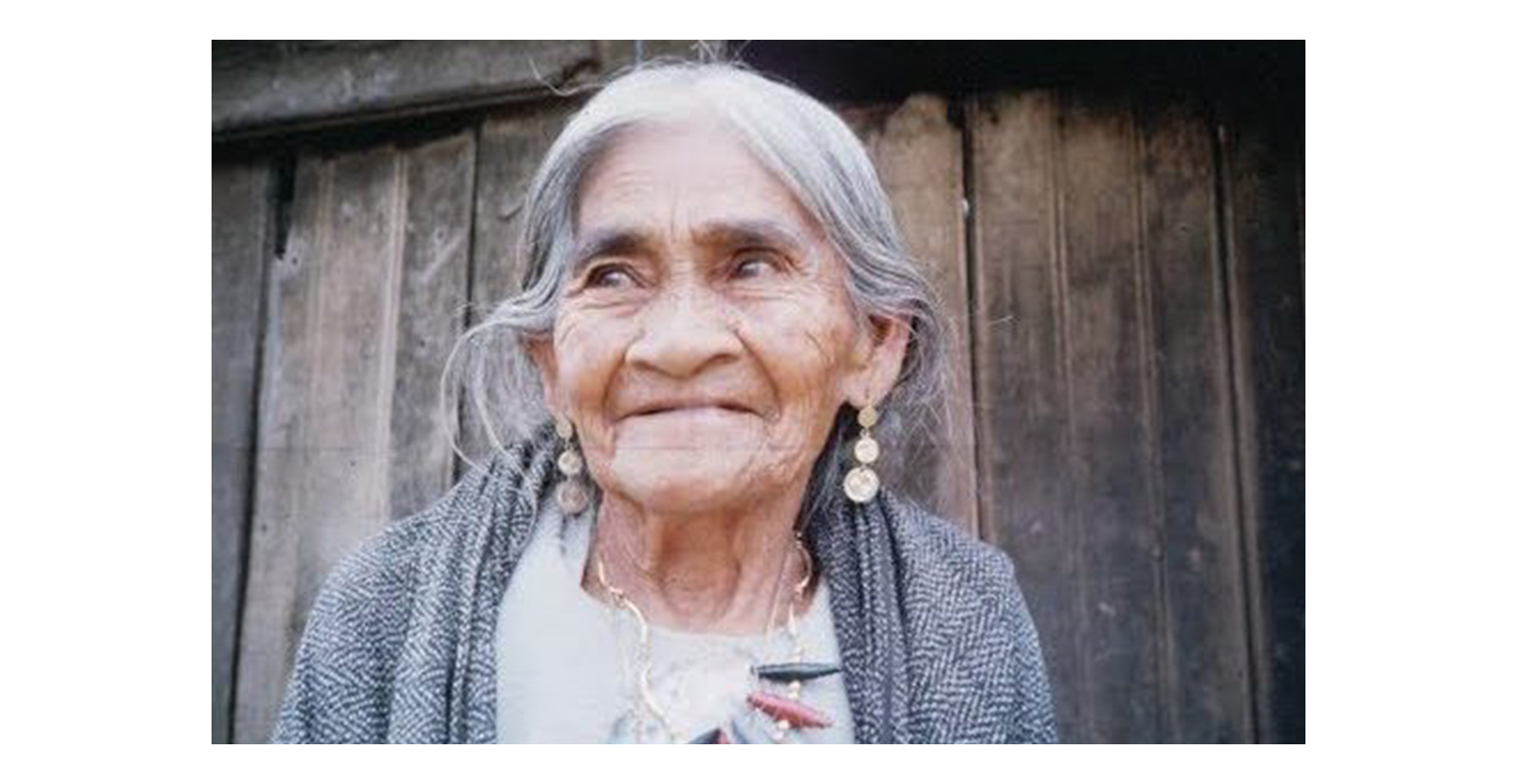
Portrait of Maria Sabina

In 1955, American banker and amateur mycologist R. Gordon Wasson travelled to Huautla de Jiménez in the Mexican state of Oaxaca. There he participated in a velada, a nocturnal healing ritual led by Mazatec curandera María Sabina (1894–1985). She used psilocybin mushrooms as instruments for healing and spiritual communication.

Wasson's account appeared in Life Magazine in 1957 and attracted worldwide attention. It marked the beginning of Western interest in psychedelic mushrooms. Shortly afterwards, Swiss chemist Albert Hofmann (also known as the discoverer of LSD) isolated psilocybin as the active compound from the mushrooms Wasson had brought back.

The War on Drugs and prohibition

The growing popularity of psychedelics during the 1960s triggered a political backlash. In 1970, the United States classified psilocybin as a Schedule I substance under the Controlled Substances Act, effectively halting virtually all scientific research. Many other countries followed suit. In the Netherlands, fresh mushrooms were banned in 2008 following a series of incidents, although magic truffles (sclerotia) remained legal.

For nearly four decades, serious psilocybin research became virtually impossible. The few researchers who attempted it encountered bureaucratic obstacles and societal stigma.

The psychedelic renaissance

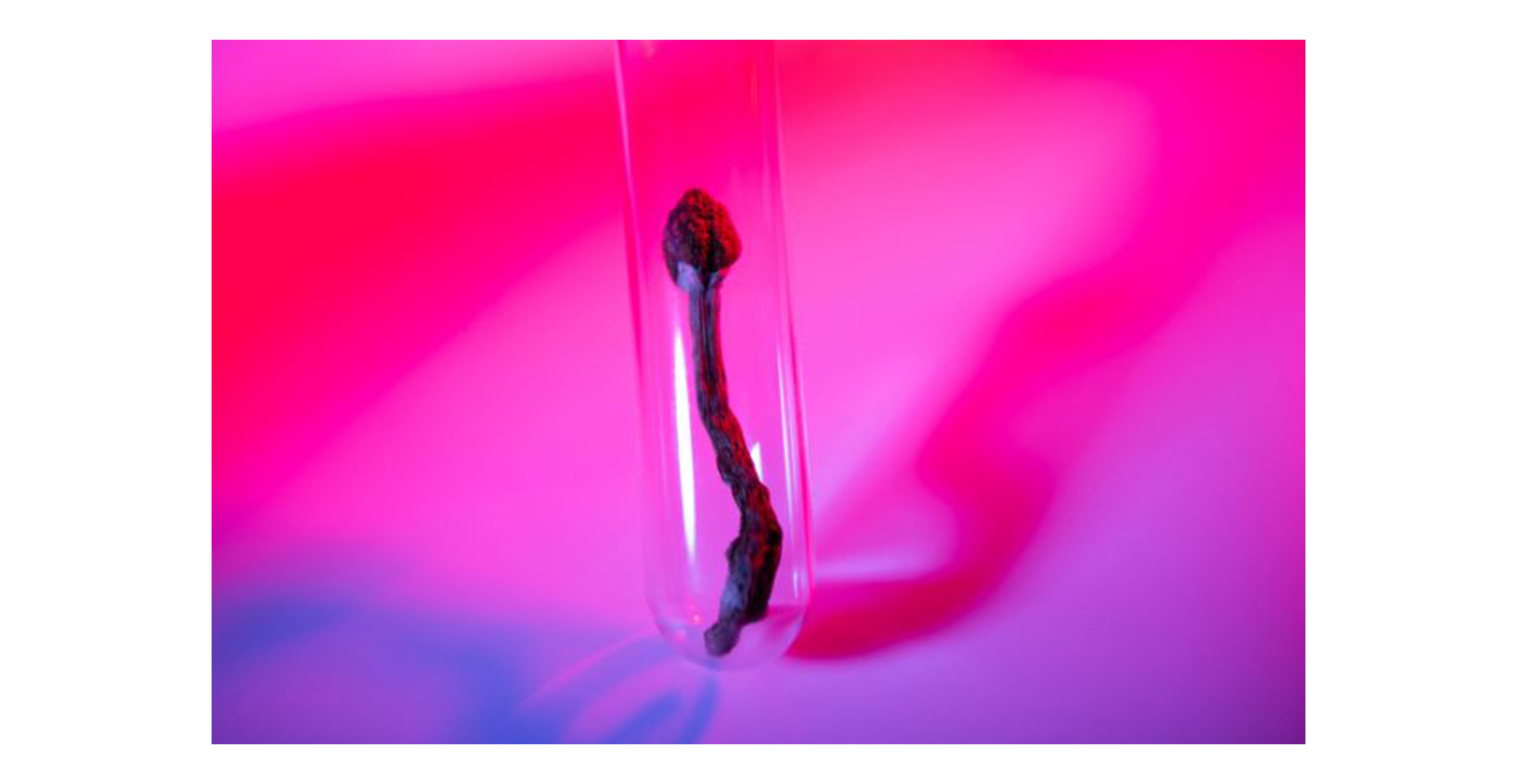
Dried psilocybin mushroom in a glass tube

Around 2006, researchers at Johns Hopkins University published the first rigorously controlled study on the effects of psilocybin in over forty years. The results were remarkable: participants reported profound mystical experiences that, months later, they still ranked among the most meaningful moments of their lives.

Since then, the field has expanded dramatically. Imperial College London, the University of Zurich, and dozens of other institutions are conducting clinical trials investigating psilocybin as a treatment for therapy-resistant depression, PTSD, addiction and existential anxiety in terminal patients. Australia became the first country in 2023 to officially approve psilocybin for clinical therapeutic use.

The future of psilocybin-containing products

Society's perception of psilocybin is shifting rapidly. More countries and regions are considering decriminalisation or regulation for therapeutic use. Australia became the first country in 2023 to officially approve psilocybin as a treatment for therapy-resistant depression. In the US, several states have initiated similar pathways.

At the same time, the popularity of microdosing with truffles continues to grow as a method to experience subtle cognitive benefits without full psychedelic effects. At Next Level Smart we offer dedicated microdosing truffle packs for this purpose.

Growing mushrooms and buying truffles

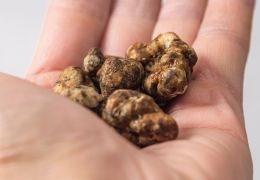
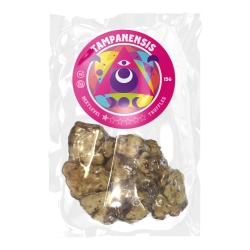
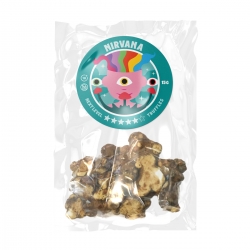
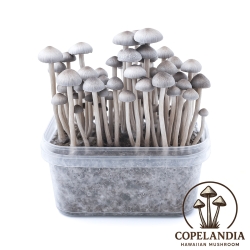
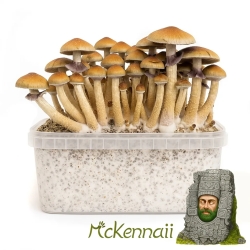
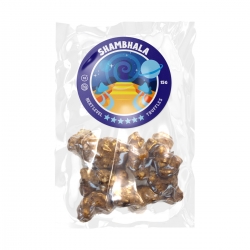
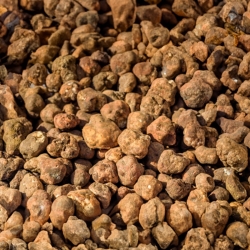
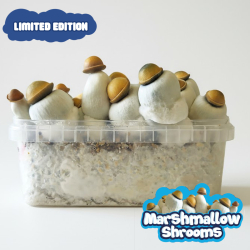
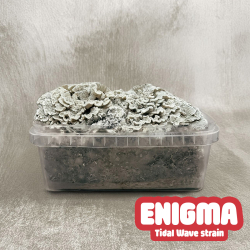
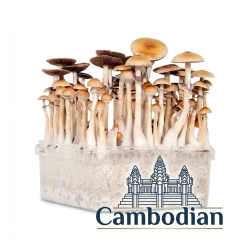
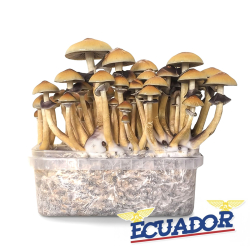
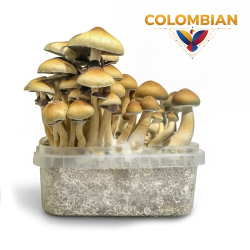
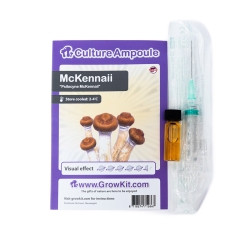
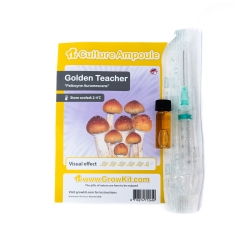
Those wishing to explore the world of psilocybin for themselves have several legal options in the Netherlands. Fresh magic truffles are readily available and delivered vacuum-packed with clear instructions. For those who prefer to grow their own, we offer a wide range of magic mushroom grow kits, from Cubensis varieties such as Golden Teacher and McKennaii to Copelandia grow kits.

Looking to pair the experience with music? Read our music guide for trips. Or try truffle tea for a gentler approach.

Why Next Level Smart?

  • Wide range of magic truffles — from mild to very potent, fresh and vacuum-packed
  • Grow kits for all experience levels — Cubensis, Copelandia and more
  • Comprehensive growing guides and blogs with scientifically grounded information
  • 15+ years of experience as a Dutch smart shop with discreet shipping across Europe

Frequently asked questions about the history of mushrooms and truffles

How old is the use of magic mushrooms?

The oldest potential evidence dates from 7,000 to 9,000 BCE, found as rock paintings on the Tassili n'Ajjer plateau in Algeria. While the interpretation is not undisputed, the depictions of dancing figures with mushroom-like forms suggest a long history of use in religious or shamanic contexts.

Who was Maria Sabina?

Maria Sabina (1894-1985) was a Mazatec healer from Huautla de Jiménez, Mexico. She brought the Western world into contact with psilocybin mushrooms when she held a ceremony for R. Gordon Wasson in 1955, whose account in Life Magazine (1957) attracted global attention.

What is the psychedelic renaissance?

The psychedelic renaissance refers to the renewed scientific interest in psychedelic substances, particularly psilocybin, since around 2010. Institutions such as Johns Hopkins and Imperial College London are conducting clinical studies into the therapeutic applications for depression, PTSD and addiction.
What does teonanácatl mean?

Teonanácatl is a Nahuatl word loosely translated as "flesh of the gods". The Aztecs used this term for psilocybin-containing mushrooms that they employed during religious ceremonies to connect with the divine.

Are magic truffles legal in the Netherlands?

Yes, magic truffles (sclerotia) are legal in the Netherlands and sold in smart shops and online at stores such as Next Level Smart. Magic mushrooms (the fruiting body) have been banned since 2008. This legal distinction is unique in Europe.

What role does psilocybin play in modern research?

Psilocybin is being studied as a treatment for depression, PTSD, addiction and existential anxiety. Phase II and phase III trials at leading universities are showing promising results. Australia became the first country in 2023 to approve psilocybin for clinical use in treatment-resistant depression.

Can I buy magic truffles online?

Yes, in the Netherlands you can legally order fresh magic truffles online. At Next Level Smart you will find a wide assortment, from mild varieties to potent strains, all delivered fresh and vacuum-packed with dosage instructions.

How can I microdose with truffles?

Microdosing involves taking a very small amount of truffle (around 0.5-1 gram fresh) to experience subtle effects without a full trip. Read our comprehensive guide to microdosing for a complete protocol.

Last updated: March 2026 | Next Level Smart

 
Loading...