Blog navigation

Latest posts

Which Kanna Suits You? Forms, Strengths and Moments

Ground herb, concentrated extract, full-spectrum powder, drops or gummies: kanna comes in many forms, and each one...

Read More
When a Trip Gets Too Intense: Staying Calm and Riding It Out

A trip can sometimes take you a little deeper than you expected. That is almost never cause for worry, and it always...

Read More
Cacao vs Coffee: Theobromine vs Caffeine

Coffee and cacao both give you energy, but the experience is completely different. It comes down to a single...

Read More
Magic Truffles by Strength: From Gentle to Strongest

Not every magic truffle is equally strong: there is a world of difference between a gentle Mexicana and a hefty High...

Read More

Exploring the Timeless Wisdom of Vedic Astrology: A Path to Self-Discovery and Cosmic Harmony


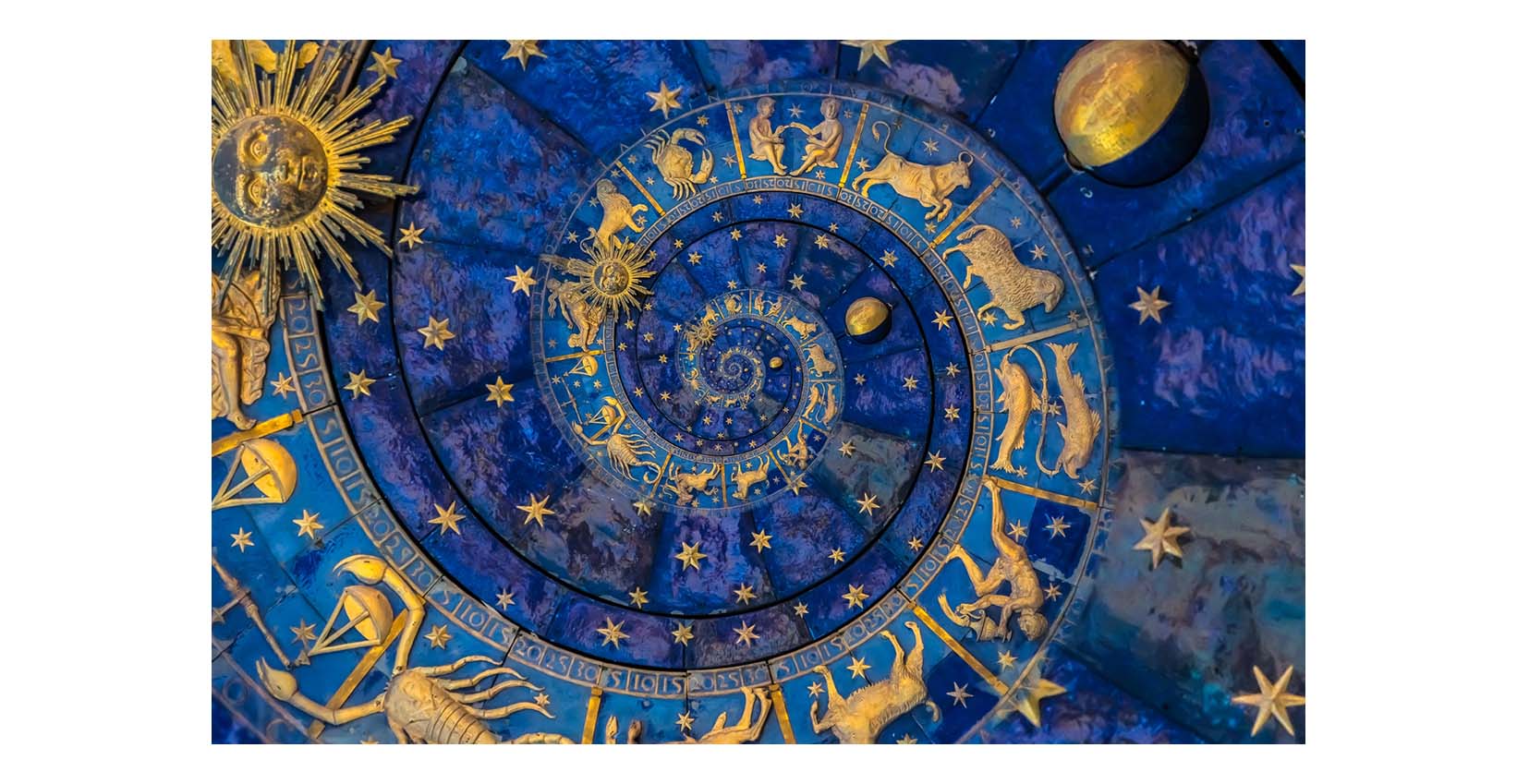
swirling abstract astrological sky

Last updated: June 2026
This guide is regularly updated with the latest insights.

In the vast tapestry of human history, countless cultures have turned their gaze upward, seeking guidance and meaning in the celestial dance of the heavens. Among these ancient traditions, Vedic astrology, also known as Jyotish, shines as a beacon of profound wisdom and insight. Originating in the sacred scriptures of India, the Vedas, this system of astrology offers a unique lens through which to understand our place in the cosmos and navigate the complexities of our earthly journey.

Are You New to Astrology?

If you're new to the world of astrology, you might be wondering where to begin. The first step is understanding the difference between Western astrology, which is more commonly known, and Vedic astrology, which offers a unique perspective.

Western vs. Vedic Astrology

Western astrology, also known as Tropical astrology, is based on the seasons and the Earth's relationship to the Sun. It places emphasis on the twelve zodiac signs and the planets' movement through them. Vedic astrology, on the other hand, uses the Sidereal zodiac, which is based on the fixed positions of the stars. This difference in calculation means that your Sun sign in Vedic astrology may be different from your Western zodiac sign.

Vedic astrology also places great importance on the Moon sign and the lunar mansions, or Nakshatras, which provide a more detailed analysis of a person's chart. Additionally, the Dasha system in Vedic astrology offers insights into the cyclical nature of life and the timing of events.

The Sidereal Zodiac: Aligning with the Stars

One of the key distinctions between Vedic astrology and Western astrology lies in the use of the sidereal zodiac. While Western astrology is based on the tropical zodiac, which is tied to the seasons, Vedic astrology uses the sidereal zodiac, which is aligned with the actual positions of the stars. This difference accounts for the fact that your sun sign in Vedic astrology may be different from what you know in Western astrology. The sidereal zodiac takes into account the gradual precession of the Earth's axis, providing a more accurate map of the heavens.

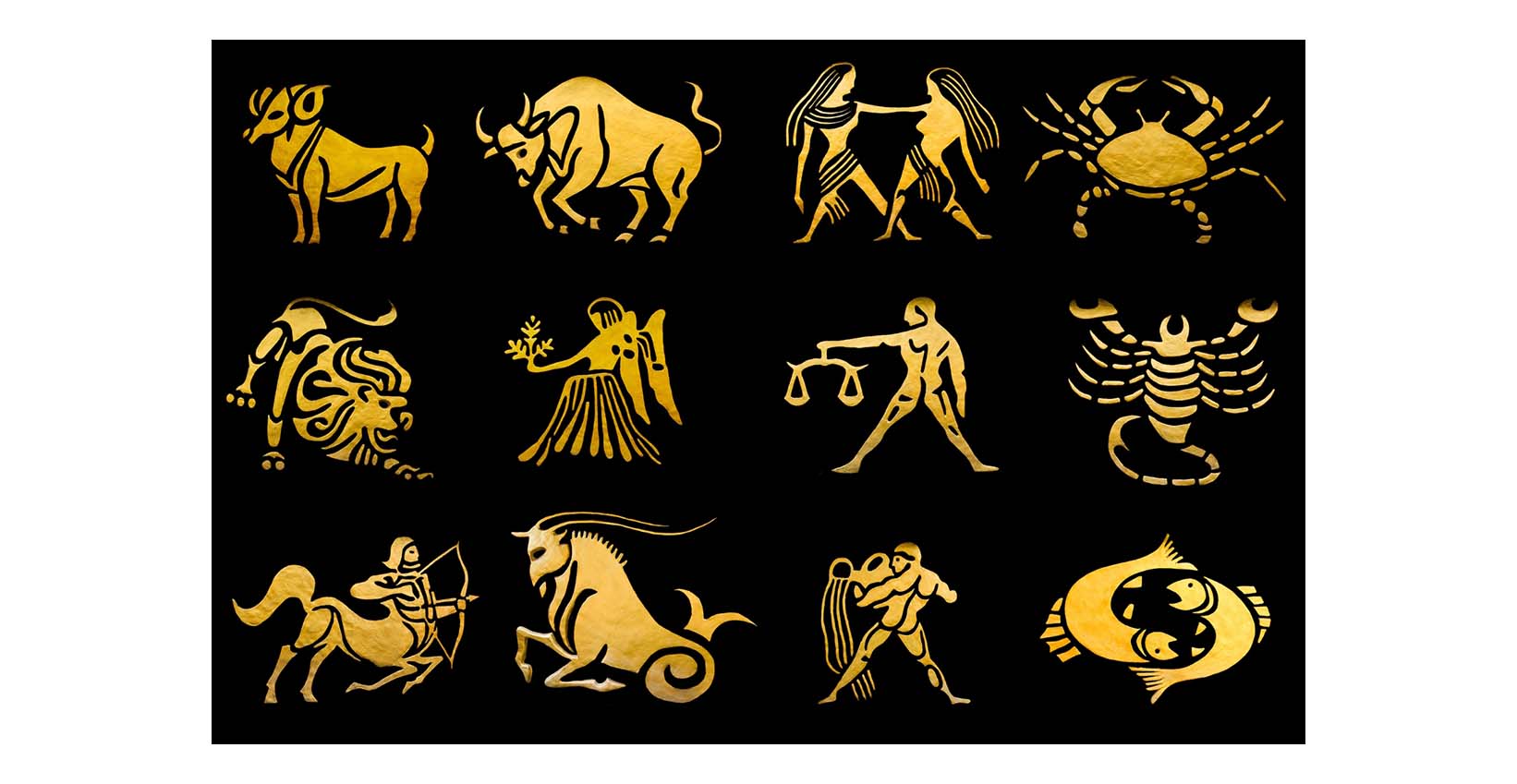
12 star signs

Nakshatras: The Lunar Mansions

In addition to the twelve familiar zodiac signs, Vedic astrology also works with 27 lunar mansions known as Nakshatras. Each Nakshatra represents a 13.3-degree segment of the zodiac that the Moon travels through in its monthly journey around the Earth. These celestial markers add a rich layer of nuance and depth to the interpretation of a Vedic birth chart. Each Nakshatra has its own unique symbolism, deities, and mythological stories that reveal the spiritual lessons and evolutionary possibilities encoded within it.

Rahu and Ketu: Nodes of Destiny

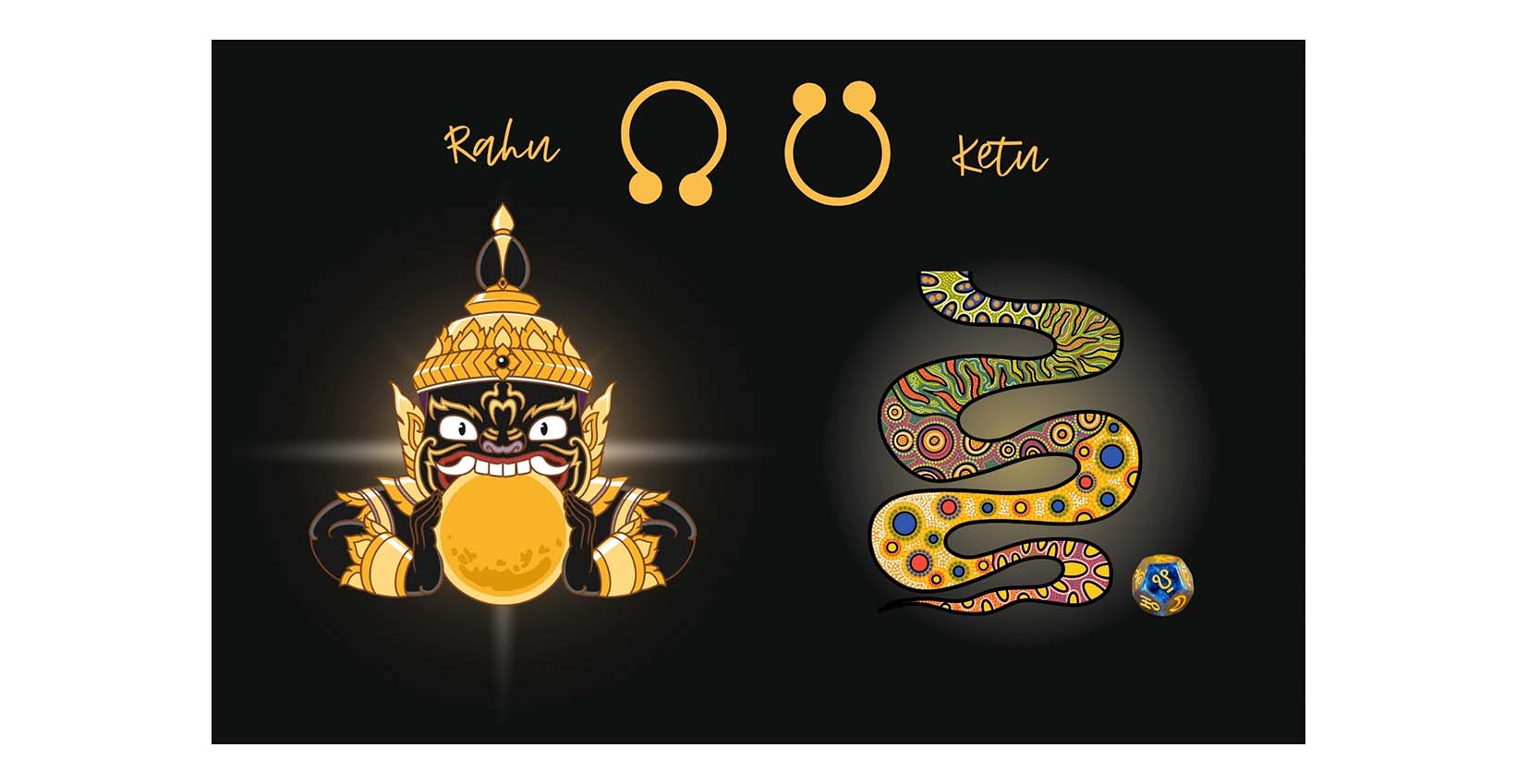
In Vedic astrology, the lunar nodes Rahu (North Node) and Ketu (South Node) are given special importance. These are not physical bodies, but rather mathematical points where the paths of the Sun and Moon intersect. Rahu represents our soul's evolutionary hunger, the uncharted territory we are being called to explore in this lifetime. Ketu, on the other hand, represents our past karma, the gifts and challenges we carry forward from previous incarnations. Together, these nodes form the head and tail of the cosmic serpent, symbolizing the eternal cycle of spiritual growth and transformation.

Rahu and Ketu Vedic Astrology

Dashas: Cycles of Time

Vedic astrology also employs a unique system of planetary periods known as Dashas. Each planet in a person's chart governs a specific period of their life, shaping the overall themes and experiences during that time. By analyzing the sequence and nature of these planetary periods, Vedic astrologers can offer insight into the unfolding patterns of a person's life path. This system adds a dynamic, evolutionary perspective to the static snapshot of the birth chart.

If you're intrigued by the wisdom of Vedic astrology and want to deepen your understanding, subscribing to our newsletter is a great place to start.

Here's what you can expect:

  • New and Full Moon Insights: Each month, we'll send you a detailed report on the astrological significance of the New and Full Moons, including how the current planetary alignments are likely to affect you personally.
  • Guided Meditations: As a special bonus, our newsletters include links to guided meditations designed to help you align with the energy of each New and Full Moon. These meditations will help you harness the power of these potent lunar phases for manifestation, release, and spiritual growth.
  • Vedic Astrology Education: Our newsletters are packed with informative articles that will help you understand the key concepts and principles of Vedic astrology. Whether you're a complete beginner or have some prior knowledge, you'll find our content accessible, engaging, and deeply insightful.
  • Community Connection: By subscribing to our newsletter, you'll become part of a global community of seekers who are passionate about personal growth and spiritual evolution.

Benefits of Vedic Astrology

The rich symbolism and profound wisdom of Vedic astrology offer numerous benefits for those seeking greater self-awareness and harmony with the cosmos. By understanding the influences of the planets, signs, and Nakshatras in your birth chart, you gain invaluable insight into your strengths, challenges, and life purpose. This knowledge can help you navigate the ups and downs of life with greater grace, resilience, and purpose.

Vedic astrology also offers a framework for understanding the larger cycles of time that shape both individual and collective experiences. By attuning to these cosmic rhythms, we can align ourselves with the flow of nature and make more informed choices that support our highest evolution. Whether you're seeking guidance on relationships, career, health, or spiritual growth, the wisdom of Vedic astrology can provide a roadmap to help you navigate your unique journey through life.

The Journey Begins with You

Ultimately, the true power of Vedic astrology lies in its ability to awaken us to our own divine nature and the interconnectedness of all things. By recognizing the ways in which our individual lives are woven into the larger tapestry of the cosmos, we can cultivate a deeper sense of meaning, purpose, and sacred connection. As we align ourselves with the wisdom of the stars, we open ourselves to the boundless possibilities of our own untapped potential.

Vedic astrology is a powerful tool for self-discovery and personal transformation. By attuning to the wisdom of the cosmos, you can gain profound insights into your unique life path and the challenges and opportunities that lie ahead. Whether you're seeking guidance on love, career, health, or spirituality, Vedic astrology offers a roadmap to help you navigate the complexities of life with greater ease and grace.

Ready to embark on a journey of cosmic proportions? Sign up for our newsletter today and start aligning with the rhythm of the universe. Your soul will thank you!

Frequently asked questions about Vedic astrology

What is Vedic astrology?

Vedic astrology, also called Jyotish, is the traditional astrological system from India. It looks at the positions of planets and stars to offer insight into character, life stages and themes that are at play.

What is the difference from Western astrology?

The biggest difference is the zodiac. Vedic astrology uses the sidereal zodiac, aligned with the actual star positions, while Western astrology follows the tropical zodiac. As a result, signs can shift.

What are Nakshatras?

Nakshatras are the 27 lunar mansions into which Vedic astrology divides the sky. Each mansion has its own mood and symbolism and adds detail to a reading, alongside the familiar zodiac signs.

What are Rahu and Ketu?

Rahu and Ketu are the lunar nodes: mathematical points, not physical planets. In Vedic astrology they are linked to themes of desire, letting go and the direction in which a person grows.

What is a Dasha?

A Dasha is a planetary time cycle. The system divides life into periods coloured by different planets, which helps explain why certain themes are stronger in certain phases.

How do I get started with Vedic astrology?

A good start is to have your birth chart calculated from your date, time and place of birth. From there you can gradually go deeper into the lunar mansions, planets and cycles.

Last updated: June 2026 | Next Level Smart

 
Annie Verkade is a writer at Next Level Smartshop with a background in philology. She writes about natural alternatives to pharmaceuticals, sleep support, and plant-based products. Her work also explores altered states of consciousness - both with and without psychedelics - as well as topics like astrology and lunar cycles, translating insights into clear, accessible content. She’s especially interested in how simple rituals and environment can shift how we feel (sometimes more than we expect). Outside of work, she enjoys photography, reading, bouldering, and travelling. Favourite products: Sagrada Madre incense, Mulungu, Sleep Tincture
Loading...