San Pedro and Peyote are tougher than they look. Both cacti are legal to buy as living plants in the Netherlands and, with the right care, will keep growing for decades. It comes down to four things: light, water, soil and winter rest.
This guide walks through each of them, alongside which species are in stock, how much growth to expect, and what to do if something goes wrong along the way.
The cacti we keep in stock
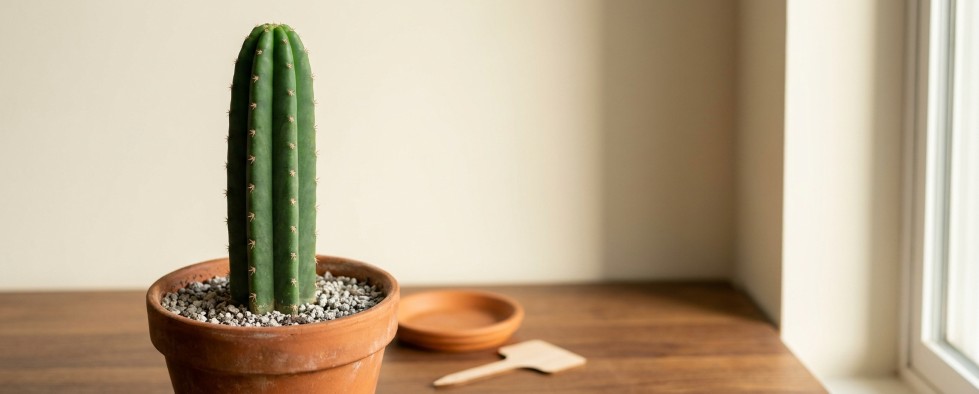
At Next Level Smart you buy rooted plants, not seeds. That saves the three to five years it takes to grow something recognisable from seed. Our plants arrive between 25 and 29 centimetres tall — large enough to be recognisable, small enough to place easily.
San Pedro Pachanoi — the classic
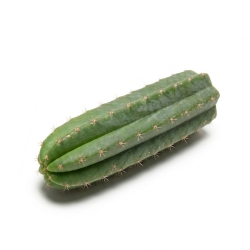
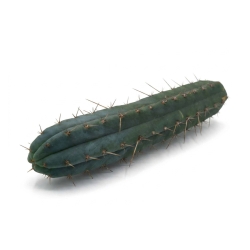
The Echinopsis pachanoi is the species meant by "San Pedro" in virtually every traditional Andean context. An upright, emerald-green stem with seven or eight ribs and short, evenly spaced spines. Once it's taken root, expect 30 to 60 centimetres of growth per year in good conditions — a strong grower, and the recommended first cactus for anyone without prior experience.
San Pedro Monstrosus — the sculptural variant
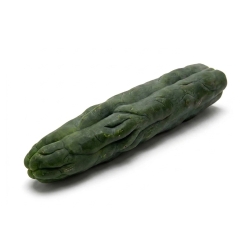
The Monstrosus is a mutation of the pachanoi: instead of a clean column you get an irregular stem covered in bumps, lumps and protrusions. No two plants look alike. It grows more slowly than the regular pachanoi but is cared for in exactly the same way. A favourite for anyone who wants the cactus as a sculptural piece as much as a plant.
San Pedro Macrogona — the concentrated one
The Trichocereus macrogonus has a slightly bluer, more robust look than the pachanoi, and is known in tradition for its high alkaloid content. Care is identical. A solid second cactus if you want some variety alongside a regular San Pedro.
Peyote — a different plant altogether
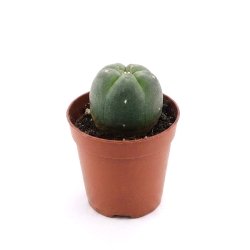
The Lophophora williamsii is not part of the Trichocereus family. It comes not from the Andes but from northern Mexico and southern Texas — a small, button-shaped plant without spines, with a woolly crown. Peyote grows exceptionally slowly: one to three centimetres per year. More of a collector's plant than a fast-growing cactus. Anyone who takes one in is taking patience along with it.
Light: plenty of it, but no sudden moves
Mescaline cacti love sun. They want a lot of light, as much of it direct as possible — a south-facing windowsill is ideal, west comes close. With enough light the stem grows straight and evenly. With too little light you'll see thin, pale-green growth at the top: the cactus stretches towards the light source, leaving a wobbly, uneven crown.
A cactus that has spent years indoors cannot simply be moved out into full June sun. A sudden switch burns the stem — white patches that never heal back to green. Build up exposure gradually: an hour or two extra per day, week by week. Peyote tolerates less direct sun than San Pedro; give it a bright spot where the sun filters through.
Soil: drainage above all else
The most important question for cactus soil is not what's in it, but how quickly water moves through it. A mix that lets water drain fully within ten seconds is good. A mix that holds water for minutes is asking for root rot.
The standard recipe: half commercial cactus soil, half perlite or pumice. A terracotta pot beats plastic: the porous clay lets excess moisture evaporate through the walls, which keeps the roots drier and healthier. A drainage hole in the bottom is not optional — a sealed pot is, in the end, a death sentence.
Repot every two to three years into fresh soil, or as soon as the plant clearly outgrows its pot. Do it in spring, not winter. Skip watering for at least a week afterwards: any damaged roots need time to dry first.
Watering: the difference between life and death
Water kills cacti more often than any other cause. Not fungus, not frost — water. So this section gets the most attention.
Mescaline cacti live naturally in mountainous regions — Ecuador, Peru and Bolivia for San Pedro, the Mexican highlands for Peyote. There they get short rainstorms followed by long dry periods. You imitate that rhythm at home.
The seasonal rhythm
- Growing season (April to September) — only water when the soil is completely dry. Stick a finger or wooden stake two centimetres into the soil to check. If it feels dry, give a proper soaking: until water runs out of the drainage hole. Then let it fully dry out again. In practice: once every seven to ten days for San Pedro, once every three to four weeks for Peyote.
- Winter rest (October to March) — almost nothing. For San Pedro, a small splash of water every four to six weeks; for Peyote, three months bone-dry is no problem. This cold, dry rest is what sets the cactus up for the next growing season — and for eventual flowering.
The finger test beats a fixed schedule. If the soil two centimetres down still feels damp, don't water. A cactus survives weeks of drought without damage. Sitting in wet soil, it does not.
Feeding: light, and only in the growing season
Cacti are adapted to poorer soils than the average houseplant and need very little feeding. In the growing season, a specialised cactus fertiliser at half strength, once a month, is enough. Outside the growing season, nothing. Peyote needs even less: once every six weeks in summer is plenty. Overfeeding leads to rot rather than faster growth.
The Dutch winter: how to get through it
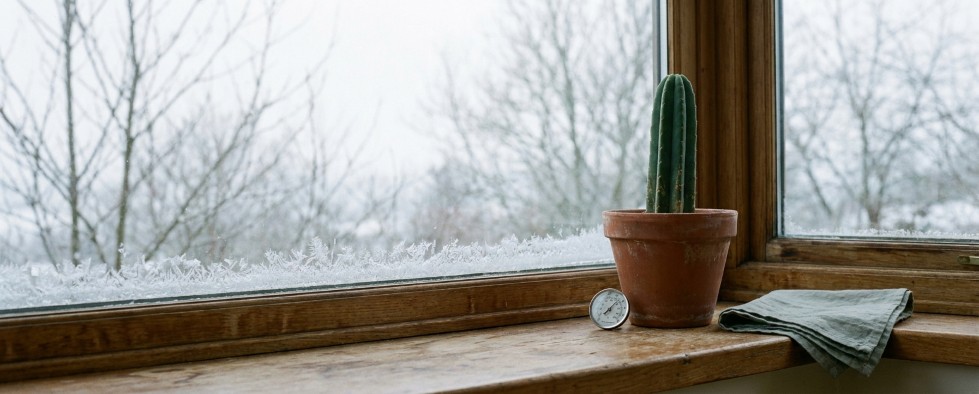
The cold winter rest is not a problem to be avoided. It's the mechanism by which the cactus sets up its next growth cycle. A San Pedro or Peyote that spends winter warm and damp will shoot up thin and stretched in spring and rarely flower. Keep it cold and dry, and you'll see real progress year on year.
The ideal winter conditions:
- Between 5 and 12 degrees Celsius — a glass conservatory, unheated bedroom, cool attic or bright garage all work. Below 2 degrees becomes risky: frost damage is permanent.
- As much light as possible, even in winter. It's cold rest, not dark rest.
- Hardly any water. San Pedro: one light drink every six weeks. Peyote: three to four months of nothing.
- No feeding. None at all. Not even a little.
No cool spot available? You can overwinter the cactus at room temperature. It will survive, but flowering usually doesn't happen and growth slows.
Common problems — and what to do
| Symptom |
Cause |
What to do |
| Soft, discoloured base |
Root rot from overwatering |
Cut away the rotten section until you reach healthy, light-green tissue. Let the cut dry for two weeks until a firm, dense layer forms. Replant in dry cactus mix; no water for a week. |
| White, bleached patches on the stem |
Sunburn from a sudden move |
The damage stays, but it's not dangerous. Acclimatise the plant more gradually from now on. |
| Small brown bumps on the stem |
Scale insects |
Remove with a cotton swab dipped in rubbing alcohol. Treat the whole plant and check other cacti in the same room. |
| Pale, thin new growth at the top |
Light deficiency: the plant is stretching |
Move to a brighter spot; build up exposure gradually. The already-thin section stays thin, but new growth returns to normal. |
| Yellow-brown discolouration |
Water or nutrient deficiency |
Check first whether the soil is actually dry before watering. In growing season, one light dose of cactus fertiliser. |
How fast can you expect growth?
Once it's taken root, a healthy San Pedro Pachanoi puts on 20 to 50 centimetres a year in good conditions. A Monstrosus grows more slowly, five to fifteen centimetres. A Macrogona somewhere in between. Flowering typically happens from year six or seven, and only after a proper cold winter. Anyone who sees their cactus flower for the first time tends to remember the exact date.
Peyote grows one to three centimetres per year. Yes, one to three. Not for anyone after quick results. But the value sits in that slowness: a Peyote you take in today will still be growing in ten years. Across those ten years, you get to know the plant gradually.
San Pedro versus Peyote — a comparison
| Aspect |
San Pedro (Trichocereus) |
Peyote (Lophophora) |
| Shape |
Upright ribbed stem |
Small button-shaped disc |
| Origin |
Andes (Peru, Ecuador, Bolivia) |
Northern Mexico and southern Texas |
| Growth per year |
20 to 50 cm |
1 to 3 cm |
| Light |
Plenty of direct sun |
Plenty of filtered sun |
| Water in growing season |
Every 7 to 14 days |
Every 3 to 4 weeks |
| Water in winter |
Light splash every 6 weeks |
3 to 4 months bone-dry |
| First flowering |
From year 6 to 7 |
From year 10 to 12 |
| Beginner-friendly |
Yes |
Yes, if you have patience |
Why Next Level Smart?
- More than 10 years of experience with living ethnobotanical plants
- Rooted plants instead of seeds — no five-year wait for a first recognisable shape
- Three San Pedro varieties in stock — Pachanoi, Monstrosus and Macrogona — plus Peyote
- 25 to 29 cm on arrival: large enough to be recognisable, small enough to place easily
- Discreet, careful shipping of living plants across the Netherlands and Europe
Read further
Want to go deeper into the cultural-historical side — who venerated San Pedro, how Peyote found its way into the Native American Church, which alkaloids the plants carry — read our botanical pillar. For what mescaline does in traditional use, the blog on mescaline effects and action. And anyone wanting the wider context on psychedelic experience: our set and setting guide is a good starting point.
How often should you water a San Pedro?
Weekly in summer, almost nothing in winter. The rule of thumb: water only when the soil two centimetres below the surface feels dry — not before. Stick a finger or wooden stake into the soil to check.
Can a Peyote or San Pedro live outside in the Netherlands?
In summer, yes — provided you acclimatise it gradually to sun first, otherwise it gets sunburn. From late September it goes back inside, because frost is fatal. A glass conservatory or a bright south-facing spot indoors both work; the cactus often grows faster than when kept permanently inside.
How long before my cactus flowers?
A San Pedro typically flowers for the first time around year six or seven, and only after a properly cold, dry winter. Peyote takes longer: ten to twelve years. The flowers are large and white to light pink, and stay open for only a day or two.
Is it legal to keep a mescaline cactus in the Netherlands?
Yes. The living Trichocereus pachanoi (San Pedro) and Lophophora williamsii (Peyote) are not listed under the Dutch Opium Act. They may be grown, kept and cared for freely. The isolated compound mescaline is on Schedule I — which is why this guide focuses entirely on the plant and its care.
What do I do if the cactus starts to rot?
Act quickly. With a clean, sharp knife cut away the rotten section until you reach healthy, firm, light-green tissue. Let the cut surface dry in a dry space for two weeks until a firm, dense layer forms. Replant in dry cactus mix; no water for at least a week. The healthy cutting will usually root again and grow into a new plant.
How do I take a cutting from a San Pedro?
Cut a healthy top or side shoot of at least fifteen centimetres with a clean, sharp knife. Let the cut dry in a dry, shaded space for two to three weeks until a firm, hard layer forms. Only then plant the cutting in dry cactus mix; no water for the first two weeks. Roots typically appear within two to eight weeks.
Does Peyote need as much light as San Pedro?
Less direct sun, but plenty of light. Peyote grows naturally under shrubs and in the shelter of rocks — filtered light or a bright spot behind a thin curtain works better than hours of midday sun. That last burns it faster than it burns a San Pedro.
What soil is best for mescaline cacti?
Half cactus soil, half perlite or pumice. The single thing that matters most: water drains through fully within ten seconds. A terracotta pot beats plastic — the walls let extra moisture escape. A drainage hole in the bottom is essential.
What is the difference between Pachanoi, Monstrosus and Macrogona?
Pachanoi is the classic upright San Pedro — fast grower, even shape. Monstrosus is a mutated pachanoi with irregular bumps and lumps: slower, but visually far more distinctive. Macrogona has a bluer tint and is known in tradition for the highest alkaloid content. Care is identical for all three.
Can I overwinter my cactus at room temperature?
It will survive, but you miss the mechanism that sets the plant up for its next growth cycle and flowering. For optimal health: a cool spot between 5 and 12 degrees Celsius — a glass conservatory, unheated bedroom or bright attic all work. At room temperature, flowering usually doesn't happen.
Disclaimer: This guide is purely educational and covers the cultivation and care of living San Pedro and Peyote cacti. The living plants Trichocereus pachanoi and Lophophora williamsii are not listed under the Dutch Opium Act and may be kept freely. The isolated compound mescaline is on Schedule I of the Opium Act. This guide is solely about the plant itself — cultivation, care and long-term growth.
Last update: June 2026 | Next Level Smart