Last updated: April 2026
This guide is regularly updated with the latest insights from scientific research.
Last updated: June 2026
This guide is regularly updated with the latest insights.
Where does the concept come from?
The term set and setting was popularised in the 1960s by Timothy Leary and his colleagues at Harvard. After observing hundreds of psychedelic sessions, they concluded that the outcome of a trip was not determined by pharmacology alone but equally by the psychological state of the user and the physical environment. Decades of clinical research have confirmed this finding again and again.
Picture it concretely: the same dose of truffles on a quiet Saturday afternoon at home, soft music playing, a trusted friend nearby. Now imagine that identical dose at a crowded party after a stressful week. Same substance. Radically different experience. That gap is set and setting.

Set: your state of mind
Your set is everything you carry with you mentally: mood, expectations, emotional state, physical health, even whether you slept well the night before. Psilocybin acts as an amplifier. Feeling relaxed and curious? The experience is likely to follow suit. Carrying unprocessed stress or grief? Those subjects tend to surface.
That is not necessarily a bad thing. Some people deliberately seek confrontation with difficult feelings. The key difference is whether you choose that consciously or get blindsided by it.
Research confirms this. A study in Frontiers in Pharmacology found that emotional stability and pre-session expectations were the strongest predictors of how a psilocybin session would unfold (Haijen et al., 2018). Recent clinical trials reinforce that careful psychological preparation is crucial for positive outcomes (Raison et al., 2023).
Setting an intention
An intention is not a wish list. It is a direction. Something as simple as "I am open to whatever comes" or "I want to create space for rest" is enough. It gives your mind a framework when the experience grows intense.
Many experienced users write their intention on paper beforehand. Not because the act is magical, but because it forces you to think clearly about why you are doing this.
When to wait
There are times when tripping is simply not a good idea. If you are in the middle of a burnout, dealing with a recent loss, or have felt anxious for weeks, your nervous system is already under strain. Adding psilocybin on top increases the risk of an overwhelming experience.
Being honest with yourself is one of the hardest and most important parts of preparation. The truffles will still be there next month.
Red flags: sleep deprivation, persistent anxiety, recent emotional shocks, medication changes (particularly SSRIs or MAO inhibitors), or a feeling of "I need to do this right now". That last one is itself a reason to wait.
Setting: your environment
Your setting covers everything around you: the space, the light, the temperature, sounds, and the people present. Clinical trials control every detail of this. At home you have the same control; it just takes a bit of forethought.
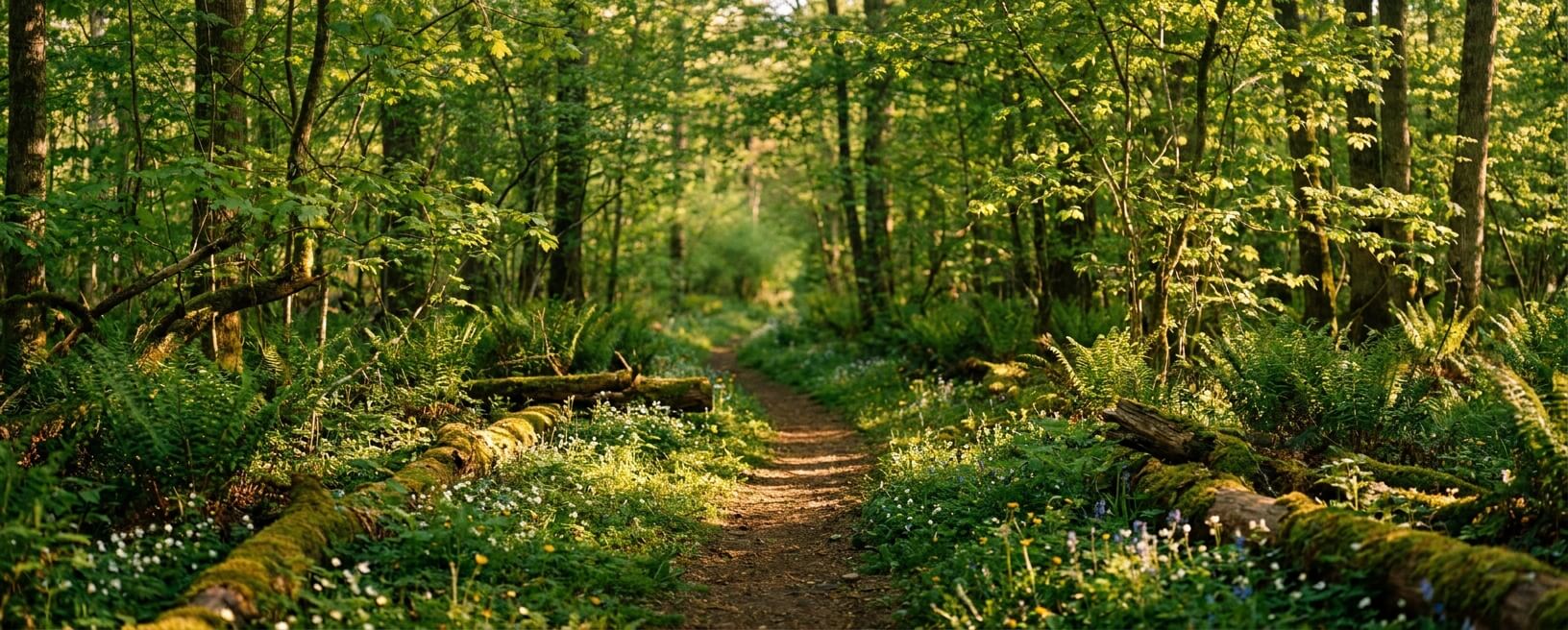
Indoors or outdoors?
Both have their strengths. Indoors gives you control over light, sound and temperature. You can retreat when things get intense. A comfortable sofa, cushions, blankets and dim lighting form the ideal base for most people.
Outdoors can be beautiful, especially on a low to moderate dose. Trees, water, open sky: psilocybin seems to heighten the connection with the natural world. But make sure you are somewhere private. Not a busy hiking trail or a crowded park. A secluded garden or a quiet stretch of woodland where you will not be disturbed.
At higher doses, indoors is usually wiser. Motor skills and spatial orientation can shift temporarily, and a familiar room prevents you from feeling lost or unsafe.
Sound and music
Music can steer a trip like almost nothing else. Soft, instrumental music without lyrics works best for most people: ambient, neo-classical, or playlists specifically composed for psychedelic sessions. Research at Imperial College London demonstrated that music plays a central therapeutic role during psychedelic sessions (Kaelen et al., 2018). The Johns Hopkins playlist used in clinical research is a well-known starting point.
Keep the volume low. Music should be a backdrop, not the main event. And make sure you can turn it down quickly if you need to.
Company: the trip sitter
A trip sitter is someone who stays sober and present without steering the experience. Not someone who keeps asking how you feel or who is visibly nervous. The ideal sitter is calm, patient, and knows when silence is better than words.
What a good sitter needs to know:
- The effects of truffles typically last 4 to 6 hours. Mushrooms are similar.
- Panic or fear is temporary and will pass. Stay calmly present; do not mirror the anxiety.
- Do not try to talk the person back to reality. Simply reassure: "You are safe. This will pass."
- Have water, fruit and a blanket within reach.
- Know where the Trip Stopper is, just in case.
Many of our customers say that having a good trip sitter made all the difference. Experienced users consistently emphasise the same thing: simply knowing someone is there provides calm, even if you barely need them during the session.
Tripping alone is fine for experienced users at a dose they know. For your first time or at a higher dose, a sitter is strongly recommended.
Dosage: start lower than you think
Dosage does not strictly fall under set or setting, but it touches both. Too high a dose with an uncertain mindset in an unfamiliar environment is the fastest route to a difficult experience.
Take less than you think you need, especially the first time. You can always go slightly higher next time. The reverse does not work.
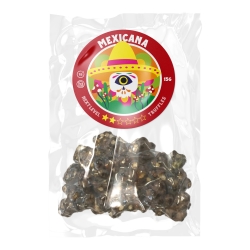
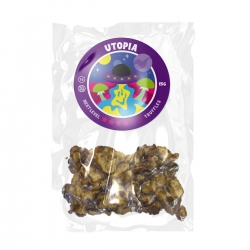
Truffle rule of thumb: 5 grams fresh is a light dose. 10 grams is moderate. 15 grams is strong. With a milder variety like Psilocybe Mexicana, 10 grams gives a comfortable experience. With a stronger variety like Utopia, 10 grams is already quite powerful.
Use our dosage calculator for precise amounts per variety. For a full overview of truffle types and their potency, read the Magic Truffles Guide 2026. Browse our full truffle collection to find the right variety for you.
During the experience
First effects typically appear after 20 to 45 minutes. Mild nausea is normal and usually fades within half an hour. From there, the experience builds towards its peak, roughly 1.5 to 2.5 hours after ingestion.
The most important advice for the trip itself is deceptively simple: let it happen. Psilocybin temporarily shifts your brain into a state of heightened connectivity. Thoughts, images and emotions may change rapidly. Trying to control what comes creates tension. Surrender creates space.
Anchor points
An anchor point is something concrete that can bring you back when the experience becomes overwhelming. It might be your breath: slow in through the nose, out through the mouth. It might be an object you hold. Or your trip sitter taking your hand.
Some people place a note beside them with their intention and the sentence: "This is temporary. You are safe." It may sound excessive, but in the moment you need it, those words are exactly enough.

After the trip: integration
The experience does not end when the effects wear off. In the hours and days that follow, you are often more sensitive, more open, and still processing what happened. This is called integration, and it matters at least as much as the trip itself.
- Keep the following day free. No obligations, no stimulation.
- Write down what you experienced as soon as possible. Details fade quickly, much like dreams.
- Eat light, healthy food. Drink plenty of water.
- Talk about it with someone you trust, ideally someone who understands.
- Give yourself time. Some insights need weeks to settle.
Psychedelic experiences can leave a deep impression. That is often exactly the point. But take it seriously: if you are still carrying unprocessed feelings after a couple of weeks, seek out a therapist experienced in psychedelic integration.
Your safety net
Good preparation reduces risks considerably but does not eliminate them entirely. Having a safety net in place gives peace of mind, even if you never use it.
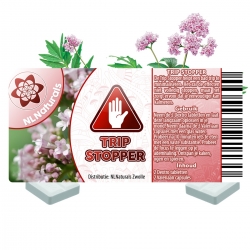
Trip Stopper: a Trip Stopper contains two active components that reduce the intensity of a psilocybin experience. It does not stop the trip immediately but brings you back to a manageable level more quickly. Keep one within reach. The mere fact that it is there provides reassurance.
Also know the numbers for your local emergency services. In the case of sustained panic, confusion, or physical symptoms that are not subsiding: call. Be honest about what you took. Medical professionals are there to help, not to judge.
For more on handling difficult moments during a trip, read How to Avoid a Bad Mushroom Trip. For a practical step-by-step preparation checklist, see How to Prepare for a Safe Trip in 5 Steps.
Why Next Level Smart?
- 10+ years of experience with psychedelic products and personal guidance
- Lab-tested truffles with quality control on every batch
- Comprehensive grow guides and dosage information available on the website
- Discreet shipping across the Netherlands and Europe
Frequently Asked Questions
How do I set a good intention for a trip?
Keep it simple. One sentence is enough: "I want to create space for rest", "I am open to whatever comes", or "I want to explore my creativity". Write it on paper and place it beside you. It gives your mind a direction when the experience grows intense.
How important is music during a psychedelic experience?
Very. Music can steer the direction of a trip. Instrumental music without lyrics works best: ambient, neo-classical, or purpose-built session playlists. Keep the volume low, as a soft backdrop. Avoid tracks with intense lyrics or sudden tempo shifts.
Can I trip if I take SSRIs?
SSRIs and psilocybin both affect the serotonin system. The combination may reduce or unpredictably alter effects. Never stop your medication to trip. Always consult your doctor first.
How much time should I set aside for the entire experience?
Count on a full day. The effects of truffles last 4 to 6 hours, but preparation and afterglow require extra time. Keep the following day free for integration as well. If possible, reserve an entire weekend.
What is the difference between a trip sitter and a ceremony facilitator?
A trip sitter is a sober person who is present for safety and comfort without steering the experience. A ceremony facilitator actively guides the session, often with a ritual framework, music and breathwork. For home use, a reliable sitter is sufficient.
Sources
- Haijen, E.C.H.J. et al. (2018). Predicting Responses to Psychedelics: A Prospective Study. Frontiers in Pharmacology, 9. DOI
- Kaelen, M. et al. (2018). The hidden therapist: evidence for a central role of music in psychedelic therapy. Psychopharmacology, 235(2). DOI
- Goodwin, G.M. et al. (2022). Single-Dose Psilocybin for a Treatment-Resistant Episode of Major Depression. New England Journal of Medicine, 387(18). DOI
- Raison, C.L. et al. (2023). Single-Dose Psilocybin Treatment for Major Depressive Disorder. JAMA, 330(9). DOI
Last updated: April 2026 | Next Level Smart
Frequently asked questions about set and setting
What do "set" and "setting" mean?
"Set" refers to your state of mind: your mood, expectations and intention. "Setting" is your physical and social environment. Together they largely determine how a psychedelic experience unfolds.
Why are set and setting so important?
Because the same substance can turn out very differently in a calm, familiar environment with a stable mood than in an unsafe or tense situation. Good preparation lowers the risk of an unpleasant experience.
How do I prepare my "set"?
Make sure you feel calm and stable, with a clear intention. Avoid an experience during stress, grief or doubt. An open, relaxed attitude helps guide the experience well.
How do I create a good "setting"?
Choose a safe, familiar place where you will not be disturbed, with comfortable temperature, soft lighting and perhaps calm music. A tidy, calm environment strongly supports a pleasant experience.
What is the role of a trip sitter?
A trip sitter is a sober, trusted person who stays present to reassure and help if needed. Especially for less experienced users, this adds safety and calm.
Which legal options are there to start with?
In the Netherlands,
magic truffles are a well-known legal option. Start low, choose a good set and setting, and inform yourself well beforehand.
Last updated: June 2026 | Next Level Smart