Last updated: June 2026
This guide is regularly updated with the latest insights.
The Evolution of Microdosing
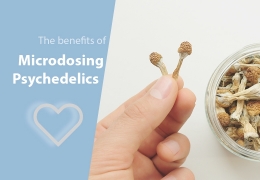
Years ago, we wrote several blogs about the potential benefits of microdosing psychedelics. We also shared the amazing potential benefits of psilocybin microdosing. Since then, microdosing has been adopted by an increasing number of people. Mainstream media such as the New York Times, AP News, The Independent, and magazines like Nature, NPR, and Happinezz frequently write about microdosing with psychedelics. You could say that microdosing is becoming more widely accepted and applied—and with success for many!
But what exactly makes microdosing so appealing? Why are more and more people choosing microdosing to improve their wellbeing? And more importantly: does it really work? In this blog, we'll dive deeper into these questions and explore the current state of affairs surrounding microdosing.
Does Microdosing Really Work?
The question people ask most frequently: does microdosing actually work, or is it just a placebo effect? The answer isn't black and white.
Many users report significant improvements in their daily lives. They describe enhanced creativity, improved focus, reduced anxiety, and a general sense of wellbeing. These personal experiences are valuable and should be taken seriously.
Scientific research is beginning to support these personal accounts. A 2022 study in Scientific Reports showed that people who microdose reported improvements in mood, mental health, and cognitive function compared to non-microdosers. Another study from Imperial College London found that microdosers scored significantly lower on depression and anxiety scales after a period of regular microdosing.
Critical researchers, however, point to limitations in some studies, including the lack of placebo controls. The 'blind' placebo-controlled study from Leiden University in 2021 produced interesting results: both participants who took real microdoses and placebo doses reported positive effects. This suggests that expectations play an important role.
Nevertheless, the personal experience of many microdosers remains consistently positive. Dr. James Fadiman, a pioneer in psychedelic research, has collected thousands of stories from people who have benefited from microdosing. His long-running observational study shows patterns of improvement across various conditions.
Neuroscientist Dr. David Erritzoe from Imperial College London noted that even if placebo plays a role, this doesn't mean the practice is meaningless. If people feel better and make more positive choices, it still has value, regardless of what exactly happens in the body.
Why Do People Microdose?
People choose to microdose for various reasons. Let's look at the most common ones:
Improving Mental Health
Many people seek alternatives to conventional treatments for depression, anxiety, and mood disorders. A microdose of psilocybin (from truffles or mushrooms) or LSD seems to help some people where other approaches fall short.
A recent survey of more than 8,000 microdosers worldwide found that 26% primarily began microdosing to alleviate depressive symptoms. Another 21% did it for anxiety reduction.
Interestingly, Dr. Fadiman's long-running observational study reported that approximately 80% of participants with treatment-resistant depression experienced some improvement after a microdosing program of several weeks.
Enhanced Creativity and Problem-Solving Ability
Silicon Valley entrepreneurs popularized microdosing as a tool for innovative thinking. Creative professionals such as writers, artists, and musicians also experiment with microdosing to break through creative blocks.
A small study from 2018 at Leiden University found improved 'divergent thinking' (a key component of creativity) in subjects who took a low dose of psilocybin. Participants came up with more solutions to complex problems than people who didn't microdose.
Focus and Productivity
For some, microdosing serves as an alternative to conventional stimulants. Users of LSD microdoses often report better concentration and mental clarity without the 'crash' associated with caffeine or prescription medications.
An anonymous neuroscience researcher described his experience: "A microdose of LSD gives me about 6-8 hours of focused attention, but without the nervous energy I get from too much coffee. I just feel more engaged with my work."
Personal Growth
Not all motivations are performance-oriented. Many people microdose as part of broader personal development. They report increased feelings of connection, gratitude, and presence in the moment.
People who meditate report deeper experiences during their practice on microdosing days. Some therapists even experiment with personal microdosing to enhance their empathy during client sessions.
Support with Addiction Recovery
Remarkably, some people report that microdosing helps them overcome other addictions. There are accounts of people who experience reduced cravings for alcohol, nicotine, or even social media through microdosing.
A recent observational study followed 80 people who microdosed to reduce alcohol consumption. After six months, 69% reported a decrease in drinking behavior. While this isn't proof of causation, it points to an interesting area for further research.
Alternative Options for Specific Needs
Not only psilocybin and LSD are used for microdosing. Depending on what someone is looking for, people experiment with various natural substances:
Kanna for Mood Enhancement
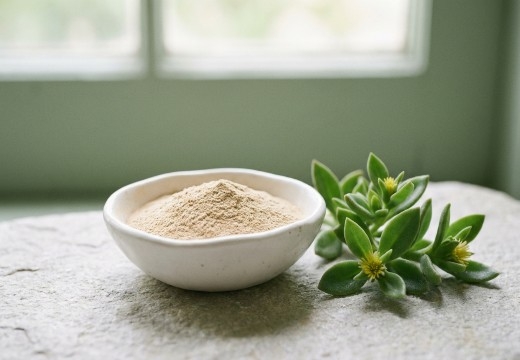
Sceletium tortuosum, better known as Kanna, is a South African herb traditionally used for stress relief and mood improvement. As a selective serotonin reuptake inhibitor (SSRI), Kanna works similarly to some antidepressants, but with fewer side effects for many users.
Microdoses of Kanna (typically 50-200mg) can reduce anxiety and improve mood without the psychedelic effects of psilocybin. This makes it a good option for people who want to avoid psychedelics but still seek the benefits of microdosing.
Lion's Mane for Brain Health
This edible mushroom contains compounds that stimulate the production of nerve growth factor. Although technically not a psychedelic, Lion's Mane is often used in combination with psychedelic microdoses due to its enhancing effects.
Dr. Paul Stamets, mycologist and advocate for microdosing, recommends a combination of psilocybin, Lion's Mane, and niacin. He suggests that this combination not only enhances the benefits of microdosing but also promotes the growth of new brain cells.
Cacao for Subtle Consciousness Change
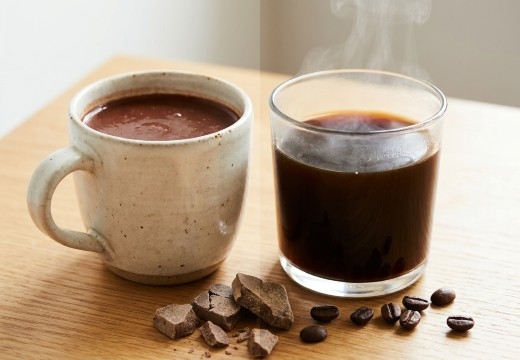
Raw cacao contains anandamide (the "bliss molecule") and PEA (phenylethylamine), substances that have a gentle, uplifting effect. Ceremonial cacao can provide a mild but noticeable improvement in mood and creative flow without psychedelic effects.
Some people switch to cacao on workdays when they prefer the more subtle effects compared to psilocybin.
Most Suitable Substances for Microdosing
If you're considering starting microdosing, it's helpful to know the options and understand which might best suit your needs:
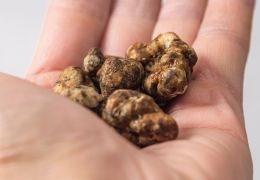
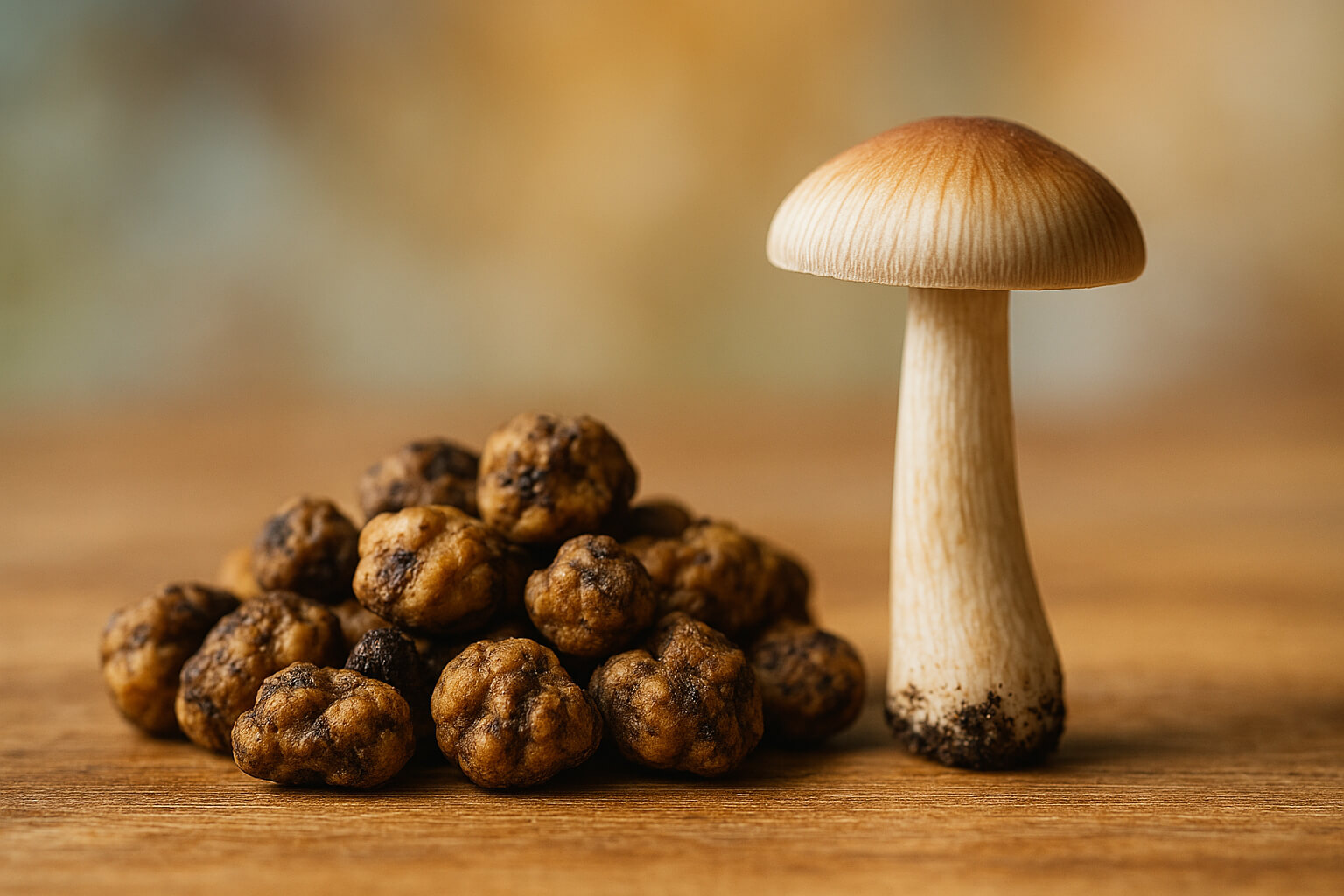
Magic Truffles (Psilocybin)
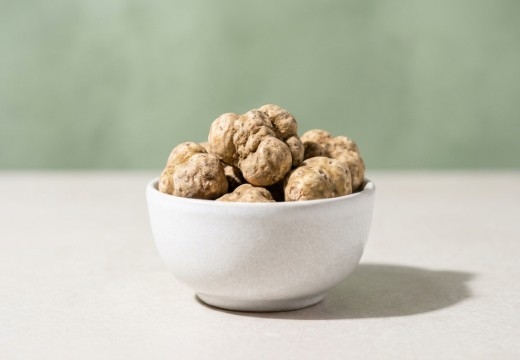
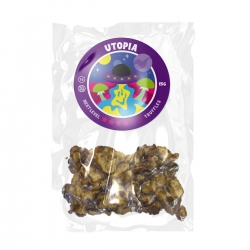
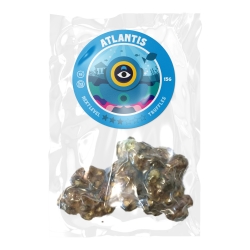
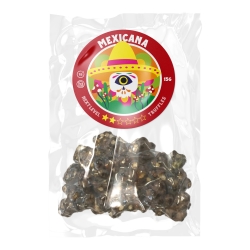
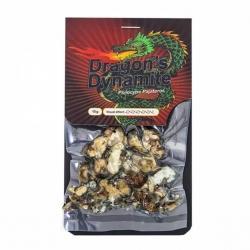
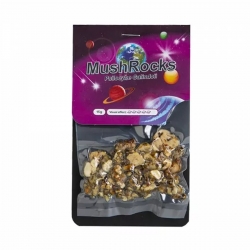
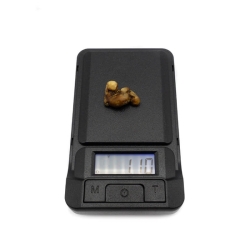
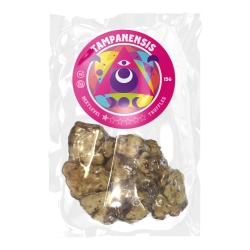
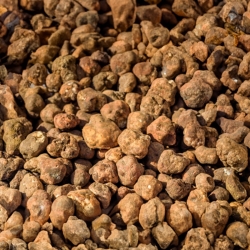
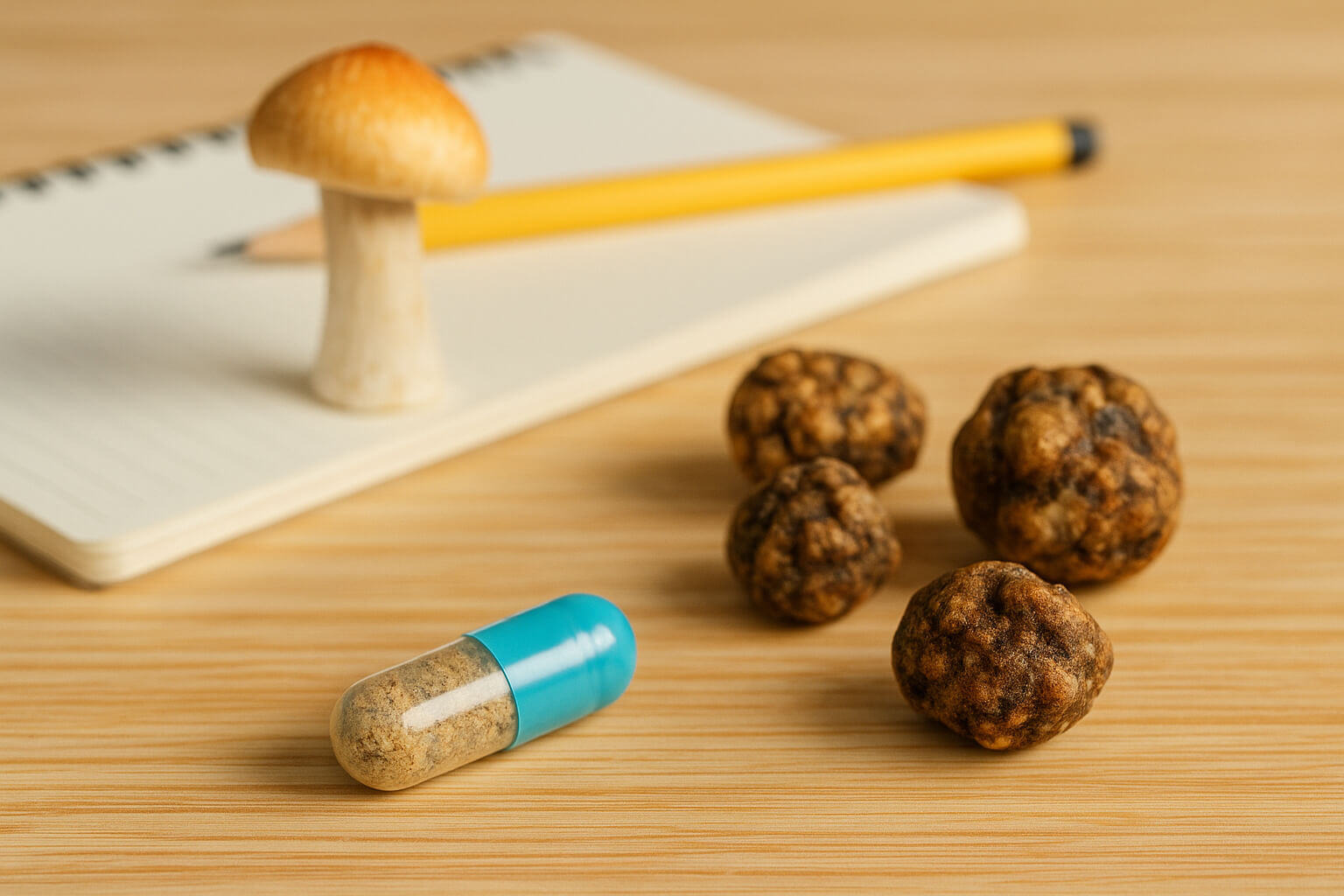
Truffles contain psilocybin, one of the most well-studied psychedelics for microdosing. The typical microdose ranges between 0.2-0.5 grams of dried truffle, depending on potency and individual sensitivity.
Benefits of truffles for microdosing:
- Relatively short duration (4-6 hours)
- Mild physical sensations compared to other psychedelics
- Growing research supports safety and efficacy
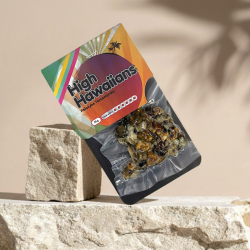
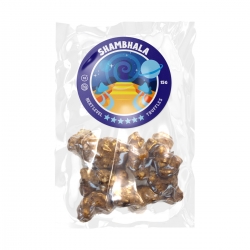
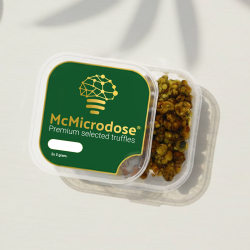
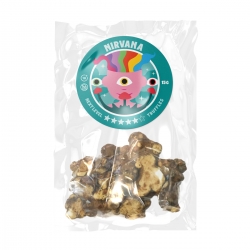
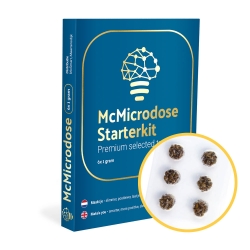
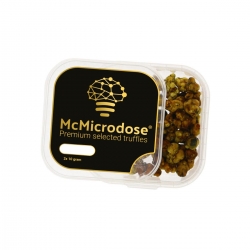
Our Microdosing Magic Truffles Starter Pack offers 6 portions of 1 gram, perfect for experimenting with microdosing. These portions can be further divided for more precise microdoses.
Mushrooms (Psilocybe species)
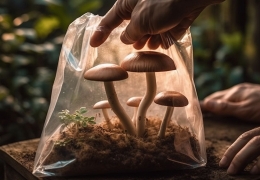
Like truffles, mushrooms contain psilocybin, but the concentration can vary between species. For beginners, the Premium Mexican Magic Mushroom Grow Kit (Psilocybe Mexicana) is an excellent choice due to its milder effects.
Psilocybe Mexicana is known for its gentle, clear experience, ideal for microdosing. The effects are often described as more cerebral and less physically intense than other species, making this mushroom perfect for daily functioning during a microdose.
LSD (Lysergic Acid Diethylamide)
LSD microdoses (typically 5-20 micrograms) offer some unique advantages:
- Longer duration (8-12 hours)
- Often described as more energizing and focus-enhancing than psilocybin
- No nausea that some people experience with psilocybin
Mescaline (from San Pedro or Peyote cactus)
Less commonly used for microdosing but with increasing interest, mescaline offers:
- Very mild and gradual transition in effects
- Less disruption to sleep patterns than LSD
- Traditional use dating back thousands of years in indigenous communities
Find Your Microdosing Match
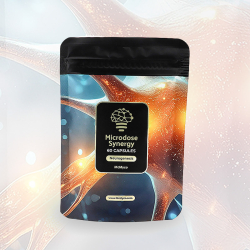
For a broader overview of available options for microdosing, check out our complete microdosing collection. We have many different products that can be used for microdosing, each with unique properties and benefits.
Scientific Developments and Research
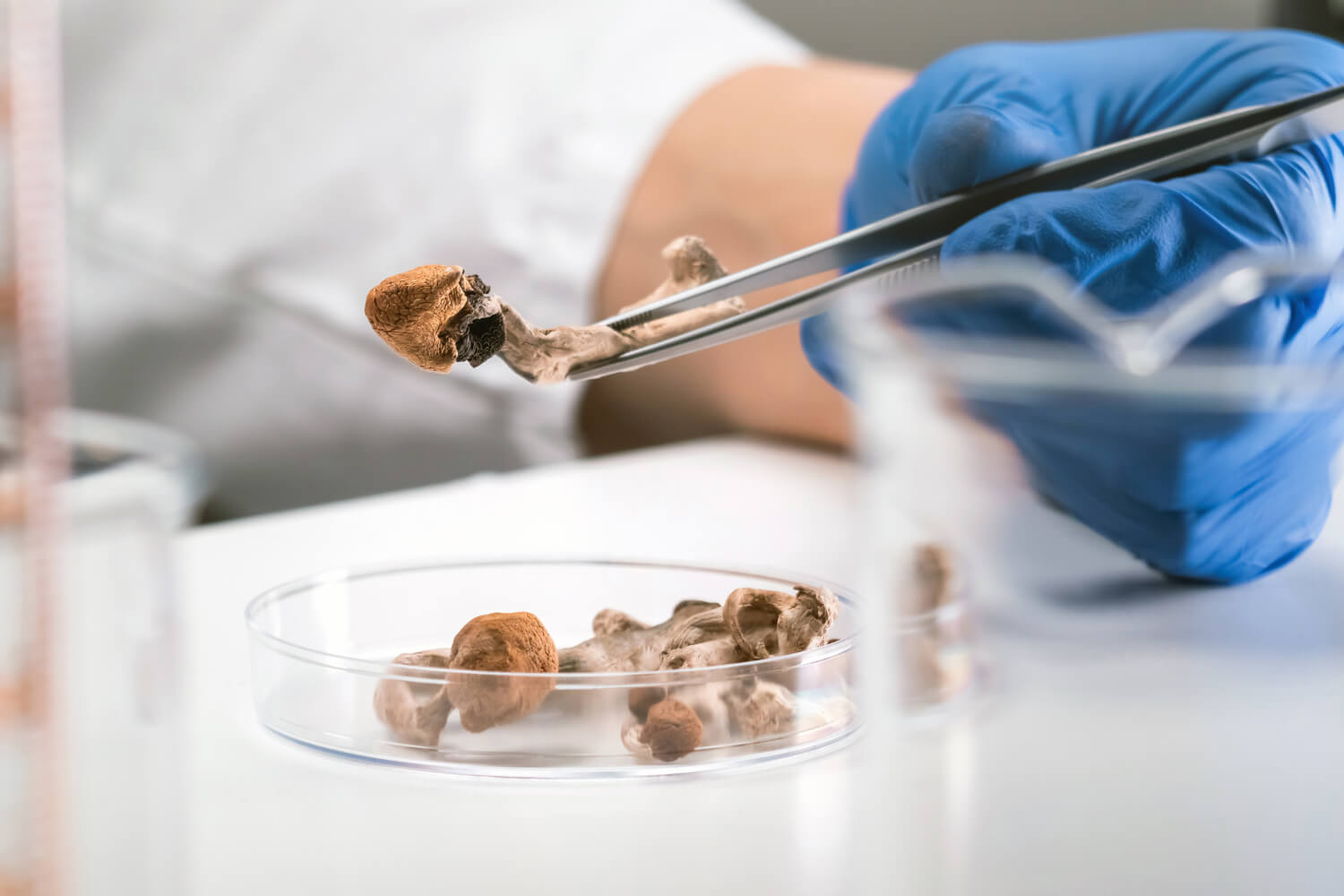
Science is beginning to catch up with the personal accounts of the benefits of microdosing. Although research is still in its early stages, increasingly interesting findings are emerging:
Recent Research Results
A study from 2023 in the Journal of Psychopharmacology found significant reductions in anxiety and depression symptoms in participants who microdosed psilocybin over a six-week period. The study noted that the effects were strongest in people with higher baseline symptom levels.
Another recent study using brain scans showed increased connections between brain regions that don't normally communicate strongly during microdosing. This may partly explain why people report enhanced creativity and new insights.
Dr. Balázs Szigeti, lead researcher of a self-blinded microdosing study, noted: "Although our study found strong placebo effects, this doesn't exclude the possibility of real pharmacological effects. It simply means we need better, larger studies to distinguish these effects from placebo."
Where Research Is Heading
Several major research centers, including Johns Hopkins, Imperial College London, and the University Medical Center Utrecht, are now conducting thorough studies on microdosing. These studies use placebo controls, brain scans, and objective cognitive measurements to go beyond just self-reporting.
A particularly promising area is research into microdosing for specific conditions such as ADHD, where preliminary results suggest some patients may benefit without the side effects of conventional medications.
Practical Tips for Beginners
If you're considering starting microdosing, here are some important points to consider:
Dosage and Schedule
The most common schedules for microdosing are:
- The Fadiman Protocol: One day microdosing, two days off. This schedule, developed by Dr. James Fadiman, ensures your body doesn't develop tolerance to the substance.
- The Stamets Stack Protocol: Four days microdosing, three days off. This is often combined with supplements such as Lion's Mane mushroom and niacin.
- Intuitive Microdosing: Some experienced users dose only when they feel they need it, often with longer breaks between doses.
For beginners, it's advisable to start with a lower dose than recommended and gradually build up until you find your "sweet spot" - the lowest effective dose that provides subtle positive effects without noticeable psychedelic effects.
Legal and Safety Considerations
The legal status of substances used for microdosing varies greatly by country and region. In the Netherlands, we have a unique position where truffles are legally available, but it's important to be aware of the legal status if you travel or live in another country.
Safety tips are also essential:
- Always start with a lower dose than recommended
- Avoid microdosing if you have a history of psychosis or bipolar disorder
- Don't combine with alcohol or other substances
- Take a day off for your first microdose to see how you react
Personal Experiences
Sarah (36, graphic designer): "I started microdosing with truffles after conventional antidepressants didn't work for me. After about two weeks, I noticed that I was waking up in the morning with a sense of possibility instead of heaviness. My creative blocks also began to dissolve. It wasn't a dramatic change, more like removing a gray filter that I didn't even know I had."
Marco (42, software developer): "LSD microdosing has dramatically improved my problem-solving abilities. Projects I was stuck on for days, I now see from new angles. The most surprising benefit, however, was improved communication with my team. I notice that I listen better and am less stuck in my own thoughts."
Lena (29, yoga instructor): "I alternate between psilocybin and Kanna for microdosing, depending on what I need that day. Psilocybin for creative days, Kanna for days with a lot of social contact. The subtle difference in effects has taught me to better listen to what my body and mind need."
Conclusion: A Well-Considered Approach
As microdosing becomes more commonplace, our understanding of it continues to grow. We're moving from personal accounts to thorough scientific research. The results are still preliminary but promising.
It's important to choose a well-considered, responsible approach. Microdosing is not a cure-all, but for many people, it can be a valuable addition to other habits such as meditation, exercise, and healthy eating.
Whether you're interested in enhancing your creativity, addressing mood issues, or simply curious about trying microdosing, we encourage you to do thorough research and ideally start with guidance from someone with experience.
Check out our complete microdosing collection to explore the options that might best suit your goals.
Disclaimer: This blog is for informational purposes only. We do not advise or encourage the use of illegal substances. Always consult a doctor before starting any new supplement or regimen, especially if you are taking medication or have a medical condition.
Frequently asked questions about microdosing
What is microdosing?
Microdosing is taking a very small, "sub-perceptual" amount of a substance: too little for a noticeable trip, aiming for subtle support in daily life. It is often done on a set schedule.
Which products do you use to microdose?
In the Netherlands people mainly choose
truffles, because they are legal. Ready-made microdosing packs make measuring easier.
Is microdosing legal in the Netherlands?
Microdosing with magic truffles is legal because truffles are legally available in the Netherlands. Substances under the Opium Act are not. Always follow the applicable law.
How often do you microdose?
Many people follow a schedule with intake every few days and rest days in between. A well-known example is one day on, two days off. A schedule prevents tolerance and keeps the experience subtle.
What do users report?
Users often describe more focus, a lighter mood or more creativity, but experiences vary widely and are partly personal. The scientific evidence is still limited; do not expect a miracle cure.
Who should not microdose?
Be cautious with a mental-health predisposition or condition, during pregnancy, or in combination with certain medications. When in doubt, caution and good information matter most.
Last updated: June 2026 | Next Level Smart