Blog navigation

Latest posts

Magic Truffles by Strength: From Gentle to Strongest

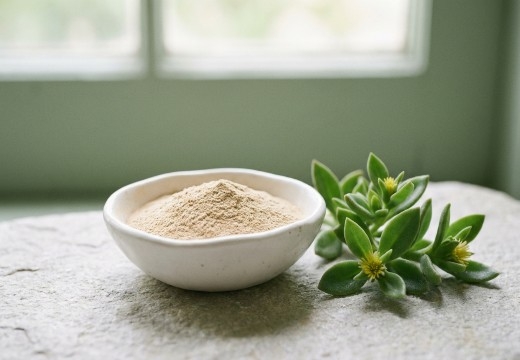
Not every magic truffle is equally strong: there is a world of difference between a gentle Mexicana and a hefty High...

Read More
Indica, Sativa and Ruderalis: The Real Difference Explained

Indica, sativa and ruderalis: the three names you will find on almost every pack of cannabis seeds. But what do they...

Read More
What is DMT? The Molecule, Its Sources, and What Science Says

A complete guide to DMT — what the molecule is, where it occurs in plants and animals, how the human body produces...

Read More
White Sage: The Smudging Herb From California, From Plant to Practice

A guide through white sage — how Salvia apiana smells and works, where it comes from, the difference between...

Read More

Mulungu: the Brazilian Relaxation Tree and What the Research Says


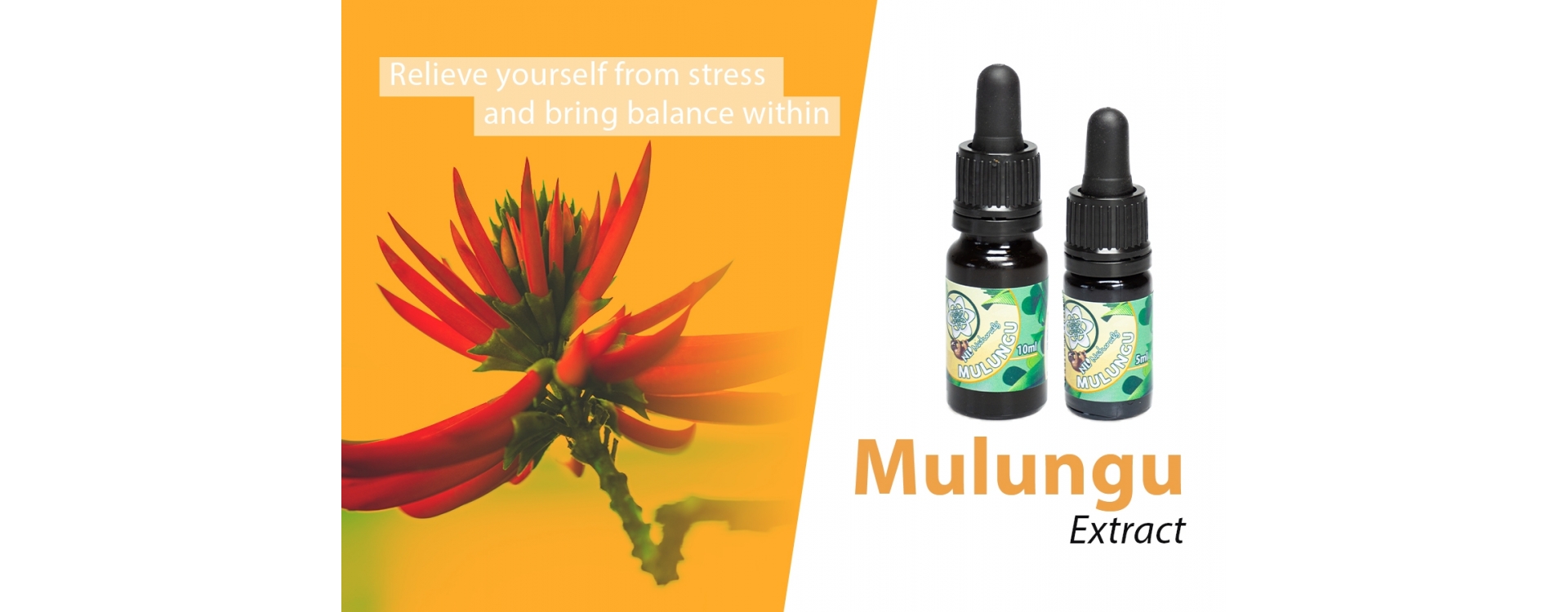
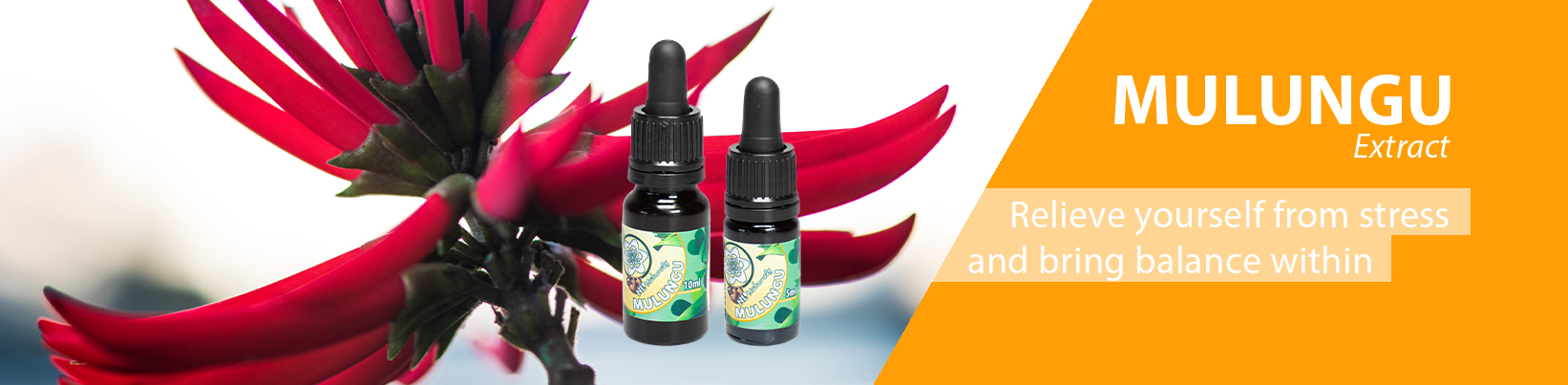
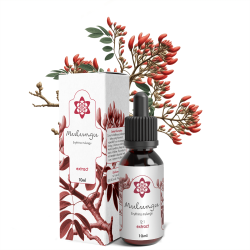
Mulungu extract by NLNaturals

Last updated: June 2026
This guide is regularly reviewed with new insights on mulungu and natural relaxation.

Meet Mulungu

In Brazil, mulungu has been a trusted name for relaxation for generations. In Europe almost no one knows the plant, bar the odd dietary supplement, but that is changing. With NLNaturals' strong mulungu extract, our part of the world is getting acquainted with this remarkable tree too. This guide is about the plant itself: what mulungu is, which compounds give it its calming reputation, and what the research shows. If you mainly want practical tips for better sleep, read our blog mulungu for sleep.

What Is Mulungu?

Mulungu (Erythrina mulungu, also verna) is a tree that grows in the rainforests of South and Central America and can reach ten to fourteen metres tall. In spring it blooms abundantly with fiery red flowers that resemble chillies. Mainly the bark, and sometimes the root, is used: a natural calming agent has long been extracted from it. Indigenous peoples of the Amazon put the plant to various uses, not only for relaxation but also, for example, practically while fishing. It is, in short, a herb with a long track record.

The Active Compounds

What makes mulungu so calming? Two groups of compounds stand out. First, the flavonoids, plant compounds with an antioxidant effect. Second, a group of characteristic erythrina alkaloids, including erysothrine, to which research attributes the soothing properties. It is precisely that combination that makes mulungu a popular, traditional calming agent in Brazil.

What Does the Research Say?

Brazil has studied mulungu for years, mostly in animal models. The results align nicely with its traditional use:

  • Hydroalcoholic extracts of Erythrina mulungu showed a calming, anticonvulsant profile (Vasconcelos et al., 2007).
  • Isolated erythrina alkaloids reduced anxiety-related behaviour in mouse models (Flausino et al., 2007).
  • The alkaloid erysothrine showed anxiolytic and anticonvulsant potential (Santos Rosa et al., 2012).
  • A water-alcohol extract reduced anxiety-related behaviour in rats, comparable to diazepam, but without impairing motor coordination (Onusic et al., 2002).

An important note: this is mainly animal research, not clinical evidence in humans. We therefore present mulungu as what it has always been: a valued, traditional calming herb, not a medicine.

Tip: The nice thing about mulungu is that a light amount during the day usually does not affect your clarity or coordination. That makes it well-suited to a restless day, without leaving you drowsy.

How Does Mulungu Feel?

Users describe the effect as a warm, relaxed calm that spreads through body and mind. It soothes the nervous system, so worries fade somewhat into the background and you feel more at ease. In a larger amount it becomes more sedative and suited to the evening; you can read more about that in our guide on mulungu and sleep.
Users often describe a calm, relaxed feeling shortly after taking it, without feeling numbed. A frequently heard experience is that mulungu is especially welcome on days when the mind just will not settle.

Mulungu in Your Routine

Because the body builds tolerance, mulungu works best when you use it occasionally rather than daily. Do not casually combine it with alcohol or other calming substances, and if you have low blood pressure or take medication, start extra carefully. Want to compare mulungu with other calming herbs? Read our blog 3 herbs to help you relax and the guide on ashwagandha for stress.

Frequently Asked Questions About Mulungu

What is mulungu?

Mulungu (Erythrina mulungu) is a South American tree with fiery red flowers, whose bark is traditionally used as a calming herb. In Brazil it has been a well-known soothing agent for generations.

Which compounds make mulungu calming?

Mainly the flavonoids (antioxidants) and the erythrina alkaloids, such as erysothrine. Research attributes the soothing, anxiety-reducing properties to those alkaloids.

Is there research on mulungu?

Yes, mainly animal research from Brazil points to calming and anxiety-reducing properties, in one study comparable to diazepam but without affecting motor coordination. Clinical evidence in humans is not yet available; it remains a traditional herb.

What is the difference from the mulungu sleep blog?

This blog is about the plant, the active compounds and the research. If you want practical tips for better sleep and how to dose it, read mulungu for sleep.

How often can you use mulungu?

The body builds tolerance, so occasional use works better than daily. Many people use it on days when they really need it, rather than as a fixed habit.

Is mulungu legal in the Netherlands?

Yes, mulungu is freely available as a herb in the Netherlands and most countries. A well-known exception is the US state of Louisiana, where Erythrina plants are restricted.

Why Next Level Smart?

  • Strong mulungu extract under our own label — concentrated, from the bark of the mulungu tree
  • Dried bark too — for those who prefer a calm tea ritual
  • Honest information — we tell you what is tradition and what research shows
  • Active since 2010 as a Dutch smart shop, shipping from the Netherlands

Curious about mulungu? Browse our mulungu products and the wider calmness category. Looking for more calming herbs? Browse our relaxing herbs.
Last updated: June 2026 | Next Level Smart

 
Rey is the creative force behind our webshop, blending practical experience with a deep interest in natural products, ritual, and conscious living. His work is rooted in quality, authenticity, and respect for traditional knowledge. Through his writing, he aims to bridge traditional wisdom with modern, conscious use, helping customers make informed and meaningful choices. By maintaining close relationships with many of the producers behind the products, he creates a bridge between their world and Western society. He shares their knowledge, vision, and methods with care, honoring both traditional practices and their place in a modern context. His favourite products are rapé, kratom, and magic mushrooms.
Loading...