Blog navigation

Latest posts

Magic Truffles by Strength: From Gentle to Strongest

Not every magic truffle is equally strong: there is a world of difference between a gentle Mexicana and a hefty High...

Read More
Indica, Sativa and Ruderalis: The Real Difference Explained

Indica, sativa and ruderalis: the three names you will find on almost every pack of cannabis seeds. But what do they...

Read More
What is DMT? The Molecule, Its Sources, and What Science Says

A complete guide to DMT — what the molecule is, where it occurs in plants and animals, how the human body produces...

Read More
White Sage: The Smudging Herb From California, From Plant to Practice

A guide through white sage — how Salvia apiana smells and works, where it comes from, the difference between...

Read More

Harvesting Harmony: The Ethical Journey of Kambo with the Matsés Tribe


The vast expanse of the Amazon rainforest holds many natural wonders. Among its diverse flora and fauna, the Matsés tribe has a unique, sacred practice – the extraction of Kambo from the green Phyllomedusa Bicolor frog.

Last updated: June 2026
This guide is regularly updated with the latest insights.

A Thoughtful Harvest: Respecting the Frog and the Forest

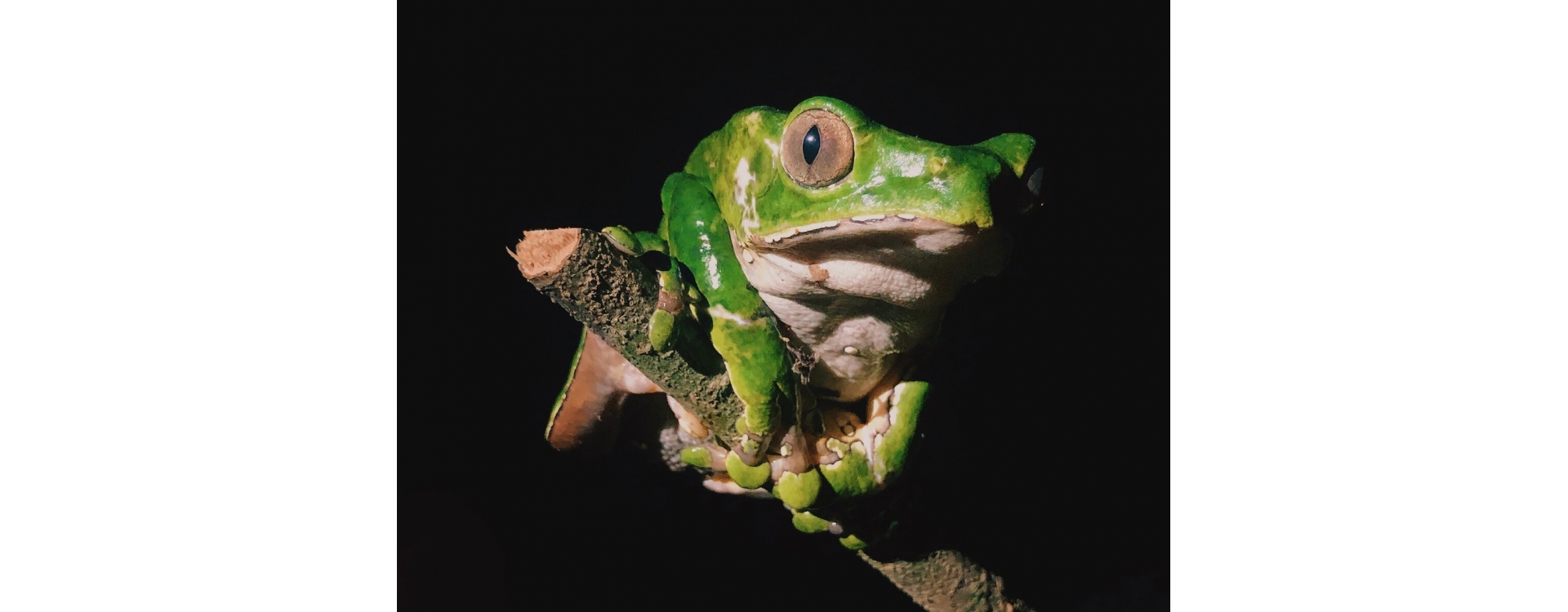
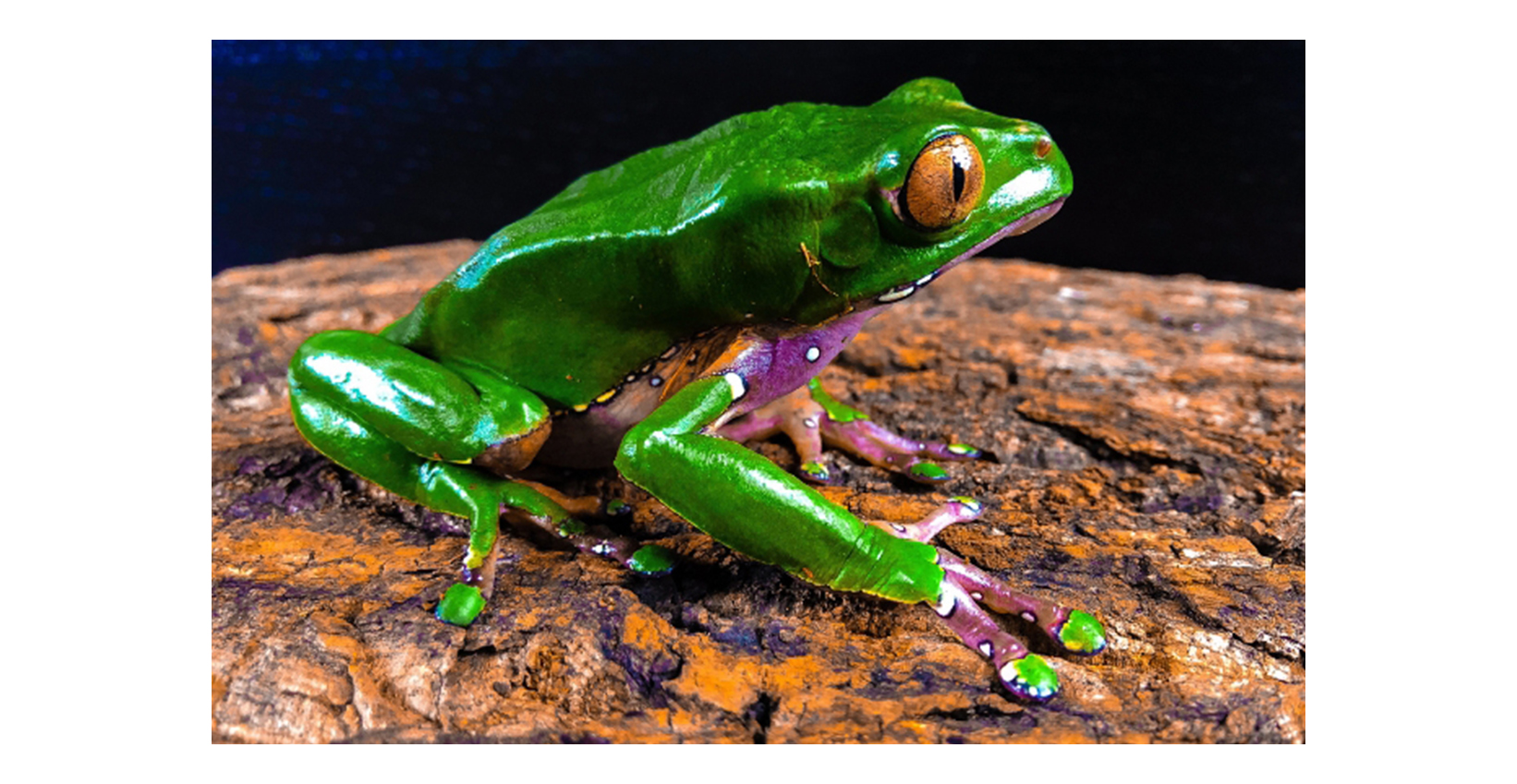
Deep within the Amazon, the distinct calls of the Phyllomedusa Bicolor, or the Giant Monkey Tree Frog, can be heard. This amphibian, deeply connected to the forest, carries the secret known as Kambo.

At the break of dawn, with the first light filtering through the trees, the Matsés begin the ritual of Kambo collection. Using a special mating song, they communicate with the frogs, guiding them from the treetops. While it's challenging to decipher the nuances of interspecies interactions, the process is designed to be as non-intrusive as possible, striving to minimize stress for these delicate creatures.

Gently, each frog is approached, and their precious secretion is carefully harvested. This process ensures that the frog is not harmed or excessively drained. Following the collection, each frog is lovingly returned to its natural habitat, ready to continue its essential role in the rainforest ecosystem.

Phyllomedusa bicolor frog

Kambo's Significance in Tradition

The Matsés tribe has long valued Kambo for its traditional applications. They often use it to improve focus and endurance during hunting and for ceremonial body purification. Kambo, also called Sapo, is a cornerstone of their culture. Its cultural significance is evident among different Amazonian tribes and its effects are reported to be profound. 

Subtle Tracking: The Importance of Sustainability

How do the Matsés remember which frogs have recently been part of the ritual? Soft white imprints from the strings serve this purpose. These markings, fading over about three months, signal to the Matsés the frog's readiness for another gentle harvest. This method highlights their commitment to sustainability and the deep respect they have for these creatures.

Kambo: A Powerful Substance Not to Be Overlooked

For all its traditional significance, Kambo is not a substance to be approached lightly. It is said to have profound effects, which can vary among individuals. As with any potent tool from nature, it requires a deep respect and understanding of its power. Anyone considering Kambo should seek extensive knowledge and proceed with caution.

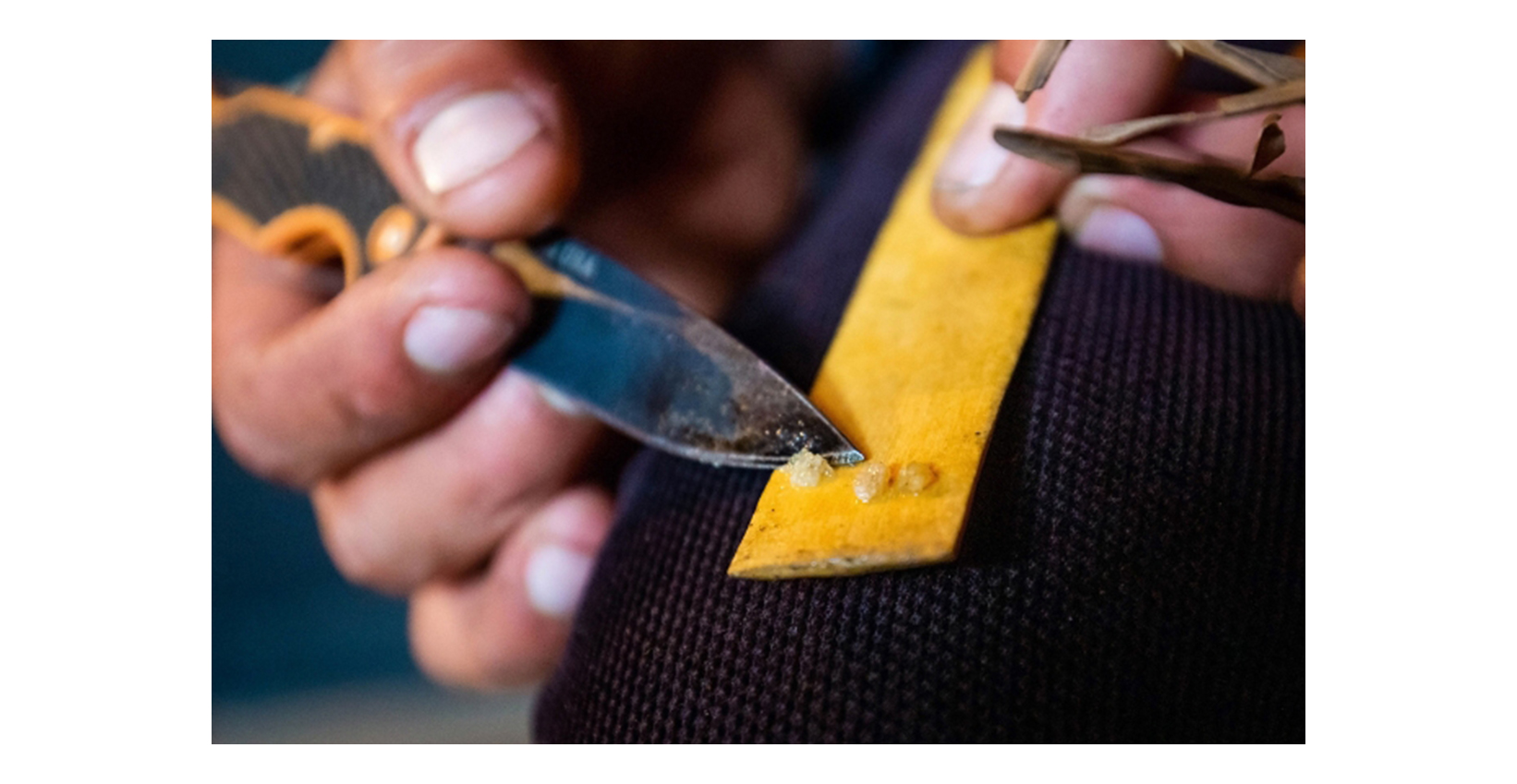
A person holding Kratom secretion on a piece of wooden stick

Conclusion: Echoes of Ancient Wisdom

The Kambo practice of the Matsés is more than just a method of extraction—it's a symphony of man and nature working in harmony. It showcases a deep-rooted understanding of the delicate balance between humans and the environment. Envisioning this ancient ritual, we are reminded of the possible coexistence with nature, where respect and understanding reign supreme.

To those eager to delve further into the realms of Kambo, approach with reverence and a keen desire to learn. May your journeys into the Amazon be filled with enlightenment and respect.

Ethical Kambo: Direct from The Source

In an age where authenticity and ethics often get lost amidst commercialization, we pride ourselves on offering Kambo sticks that come directly from the Matsés Tribe. Our close collaboration with the tribe ensures that every stick is imbued with the traditional wisdom of the Amazon and the utmost respect for the Phyllomedusa Bicolor frog. By choosing our Kambo sticks, you're not only receiving a product steeped in cultural heritage but also supporting a sustainable, ethical method of Kambo collection. 

Frequently asked questions about Kambo

What is Kambo?

Kambo is a natural secretion of the Phyllomedusa bicolor, an Amazonian frog. It is used within various Indigenous traditions in a ceremonial, shamanic context, with great respect for its origin and meaning.

What is the role of the Matsés in Kambo?

The Matsés are an Amazonian people known for their careful, traditional handling of Kambo. Their knowledge and respect for the frog and for nature form the basis of an ethical, sustainable approach.

Is the frog harmed during harvesting?

In a respectful, traditional harvest the frog is not lastingly harmed; it is released again after collection. A careful approach and observing rest periods are central to this.

Why does ethical sourcing matter?

Because it protects the frog, nature and the tradition. Responsible harvesting prevents overburdening populations and respects the Indigenous knowledge the practice comes from. See our Kambo collection for more.

Is Kambo a shamanic tradition?

Yes. Kambo has long been used within shamanic rituals of various Amazonian peoples. It is not an everyday product but part of a cultural and ceremonial context with a long history.

How do I treat Kambo respectfully?

By learning about its origin and tradition, and by taking the sourcing seriously. Respect for the frog, for nature and for the Indigenous peoples who preserved this knowledge always comes first.

Last updated: June 2026 | Next Level Smart

 
Lex Johnson is a self-taught herbalist, language freak, musician and one of the writers behind the Next Level blog. His curiosity runs wide — from the differences between Criollo and Trinitario cacao to the latest psilocybin research. That same curiosity shows in the range of his writing. Lex covers everything from ceremonial cacao and kanna to magic mushrooms, salvia divinorum, kambo, party pills, healing herbs and product deep dives. In addition to a journalism foundation certificate, he holds a Bachelor of Fine Arts.
Loading...