Blog navigation

Latest posts

Party Pills Comparison: Happy Caps vs DNX Pills

Twenty party pills in the shop and no idea which to pick? This comparison puts Happy Caps, DNX and the new Party-E...

Read More
Liquid Spore Cultures vs Spore Prints: Which Should You Choose?

Liquid spore cultures and spore prints are the two main ways to start a mushroom cultivation project. This guide...

Read More
Incense Guide: Which Type of Incense Is Right for You?

With over 60 types of incense in our collection, choosing the right one takes a bit of knowledge. This guide compares...

Read More
Kuripe vs Tepi: Which Rapé Applicator Suits You?

Kuripe or tepi? These are the two tools used to administer rapé, and choosing between them changes the experience...

Read More

Why Cacao Prices Are Rising: The Real Story Behind the Cost


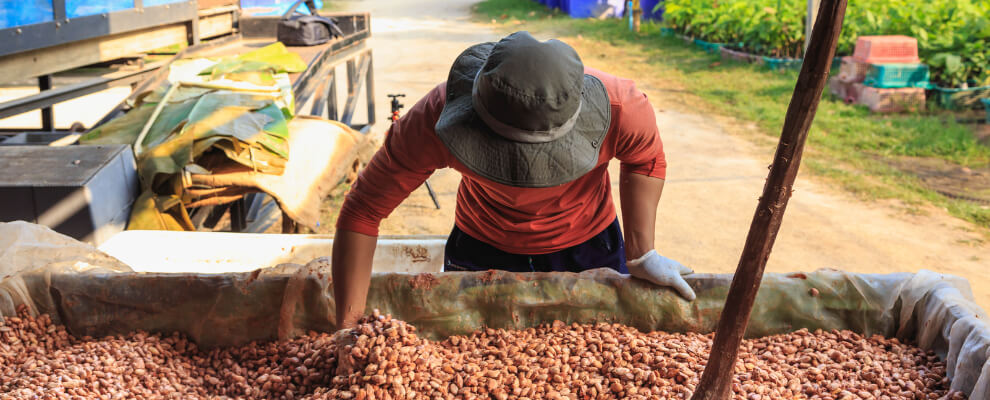
Fermenting cacao beans in traditional wooden boxes

A question we keep hearing

Lately, we've been getting the same question a lot: why has cacao gotten so much more expensive? Fair question. Anyone who bought a block of raw cacao two years ago for $25 is now paying $40 or more. And chocolate at the supermarket? Sometimes 50% more expensive than in 2021.

Sure, nearly everything has gotten pricier. Groceries, gas, energy - you feel it everywhere. But with cacao, there's more going on. Global market prices for cacao beans have nearly tripled since early 2023. From roughly $2,000 per ton to peaks of nearly $12,000. This comes from a combination of factors affecting the entire cacao supply chain, from Ghana to Indonesia, from small family farms to ceremonial cacao makers.

For anyone who regularly uses raw cacao, this probably feels doubly frustrating. On one hand, you likely understand the value of quality and fair sourcing. On the other: everything's getting more expensive, and your budget has limits too. That's why we wanted to lay out what's actually happening.

What's happening in cacao-growing regions

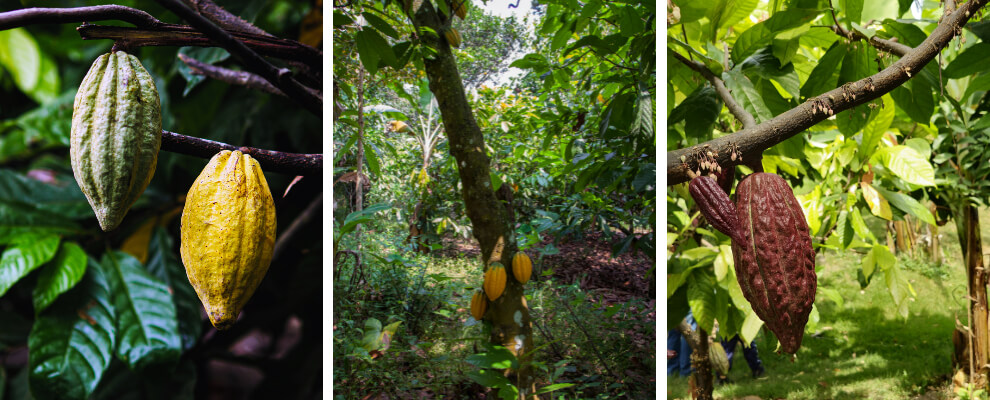
Cacao trees are picky. They like shade, stable temperatures, and rain at the right times. Over the past few years, those patterns have been breaking down: drought where there should be rain, heavy storms knocking pods off trees, temperatures climbing higher than before. Cacao trees respond to this stress by producing less - and a stressed tree makes fewer beans.

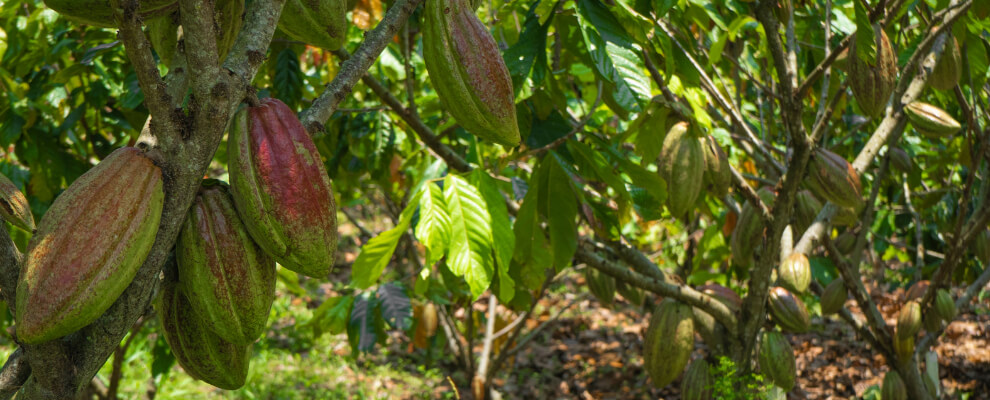
Cacao plantation experiencing climate stress

West Africa supplies about 70% of the world's cacao. Côte d'Ivoire and Ghana alone account for nearly 60%. Problems there mean problems for the entire global market. And those problems are real: harvests dropping by 30 to 40%, trees becoming more vulnerable to disease, farmers struggling to cover their costs.

Diseases like Swollen Shoot Virus and Black Pod Disease spread faster in changing climates. Some diseases can wipe out entire harvests. And replanting cacao trees takes years - a new tree doesn't produce its first pods until five years after planting.

The human side: Many cacao farmers work with trees their grandparents planted. Entire communities depend on cacao. When harvests fail due to climate or disease, it's not just market prices that take a hit - it affects countless lives.

Market dynamics and speculation

When major chocolate manufacturers and traders saw harvests falling short, speculation kicked in. Stockpiles were bought up en masse. Futures shot up. For small producers, this means competing with players who have much deeper pockets and can buy at industrial scale.

At the same time, many farmers are locked into fixed purchase prices set by their governments, regardless of global market prices. In Ghana, for example, farmers often still receive $1,600 to $1,800 per ton, while the market price hit $12,000. The difference vanishes into the middlemen.

The world of ceremonial cacao

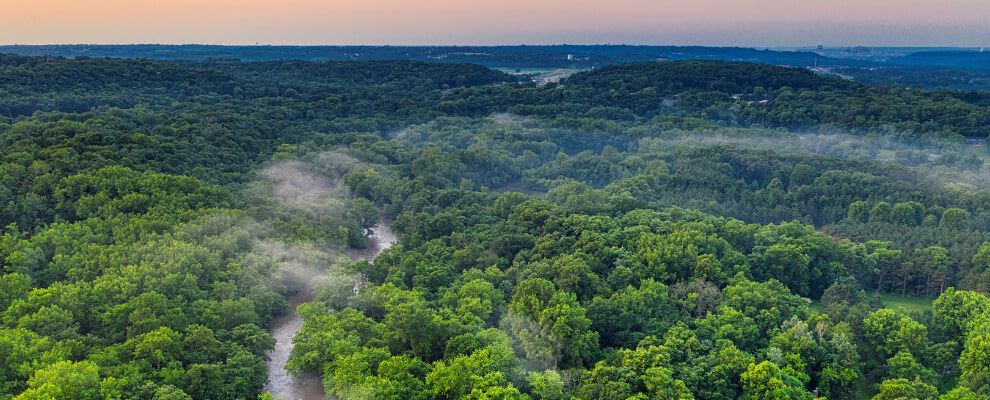
For anyone who uses raw cacao regularly, this hits even closer to home. Raw (ceremonial grade) cacao often comes from smaller producers - families in Indonesia, Peru, Ecuador, Guatemala - working with traditional methods. Not large monocultures, but cacao growing among other trees and plants. No chemical fertilizers, but natural systems that keep soil healthy.

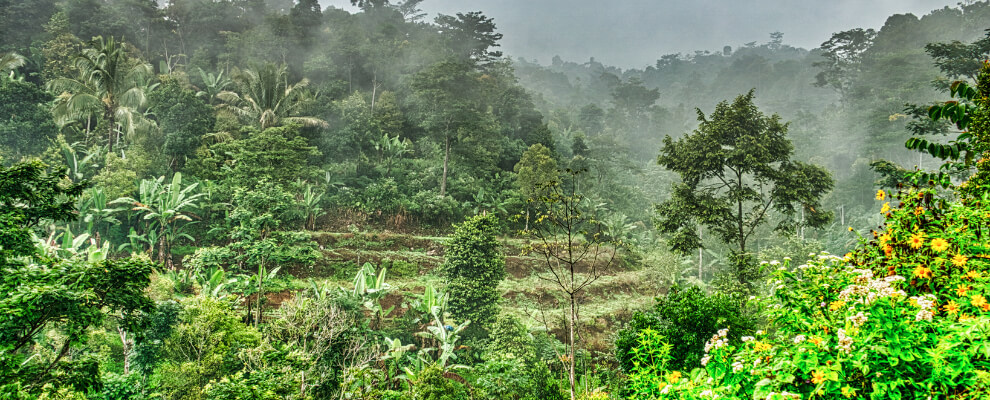
Traditional cacao forest with mixed planting

This type of cultivation yields smaller harvests, but the quality is fundamentally different. Trees growing healthy in natural ecosystems produce beans with higher concentrations of the compounds that give raw cacao its effects: theobromine, anandamide, flavonoids. You can feel it in the smoothness, the opening, the subtle effects.

Careful fermentation plays a role too. Where industrial production moves fast - fermentation of two or three days, sometimes less - traditional makers take five to seven days. That time makes a difference in flavor and effect.

Why stressed trees work differently

A cacao tree under pressure - from drought, lack of nutrients, too much sun - switches into survival mode. It produces fruit faster, but those beans contain lower concentrations of active compounds. A tree in a healthy system takes its time, develops deep roots, and produces beans that are biochemically richer. That difference shows up in lab analyses and in how the cacao feels.

The challenge of fair sourcing

Direct sourcing - without middlemen - means price increases hit more directly. When global market prices rise, what small farmers receive rises too. That's good news for them, and it's how it should be. But it also means ceremonial cacao gets more expensive.

On top of that, the EU added new requirements starting in 2025. Importers must prove their cacao isn't linked to deforestation. Important rule, absolutely. But it brings extra paperwork and costs, especially for small-scale producers who are already doing forest regeneration work.

Traditional cacao fermentation

What this means for raw cacao users

If you use ceremonial raw cacao, you already know its value. You know how it differs from supermarket chocolate. You can feel the difference between cacao from good sourcing and cacao treated purely as a commodity. The question is: how do you navigate this new reality where prices are higher and likely staying that way?

A few thoughts that might help:

Accept seasonality

Real cacao isn't always available. Harvests vary by season and year. Some years bring more, others less. That's part of working with a natural product from small-scale systems.

Quality first

A ceremonial dose of 40-50 grams now costs $3 to $5. That's less than a movie ticket, less than a night out. For what ceremonial cacao offers - opening, connection, balance - that remains a reasonable investment.

Ask questions

Where does the cacao come from? How is the price determined? Who benefits? These questions help you make choices that align with what matters to you. It can be reassuring to know that when you pay a higher price, the farmers working sustainably to make your raw cacao also receive a better price.

The future of ceremonial cacao

Cacao prices probably won't return to old levels. Climate pressure continues, global demand keeps rising, and supply struggles to keep pace. That might sound grim, but there's another side to it.

Small producers working with agroforestry prove more resilient than large monocultures. Their systems handle extremes better. Their trees stay healthier. Their cacao maintains the quality that health enthusiasts and ceremonial users look for. And as awareness grows about what quality and fairness really mean, space opens up for models that work - for farmers, for buyers, and for the trees and nature itself.

Biodiversity in cacao forest

Long-term thinking: Fair prices mean farmers can invest in their land, in conservation, in training the next generation. That creates systems that keep working, even as climate shifts. That's not idealism - that's practical wisdom.

Why it's still worth it

Ceremonial cacao has gotten more expensive. That's the reality. But what you get for it - the quality, the origin, the impact on the supply chain - is still what it's always been about. Every time you drink raw cacao from fair sourcing, you're voting for systems that make sense. For farmers receiving fair income. For forests staying healthy. For cacao that does what cacao should do.

The price increase reflects the real cost of something grown and processed with care. It reflects respect for the plant, for the people working with it, and for the ecosystems it comes from. That's not a marketing story - those are choices you can make, or not.

For anyone who already knows cacao, this probably makes sense. You know that cheap cacao pays its price somewhere - in depleted soil, low wages, or quality sacrificed for volume. Ceremonial cacao from good sourcing costs what it costs because every link in the chain gets respected.

Yes, it asks more from your budget. But what you get back - in potency, in good sourcing, in supporting farmers who work the right way - remains worth the investment. Questions about sourcing, origin, or how the supply chain works? We're happy to share.

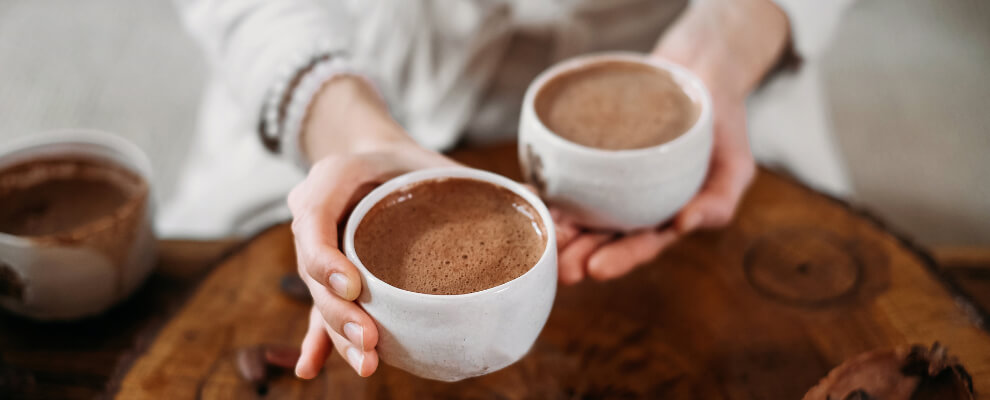
Ceremonial cacao preparation

 
Lex Johnson is a self-taught herbalist, language freak, musician and one of the writers behind the Next Level blog. His curiosity runs wide — from the differences between Criollo and Trinitario cacao to the latest psilocybin research. That same curiosity shows in the range of his writing. Lex covers everything from ceremonial cacao and kanna to magic mushrooms, salvia divinorum, kambo, party pills, healing herbs and product deep dives. In addition to a journalism foundation certificate, he holds a Bachelor of Fine Arts.
Loading...