Blog navigation

Latest posts

Party Pills Comparison: Happy Caps vs DNX Pills

Twenty party pills in the shop and no idea which to pick? This comparison puts Happy Caps, DNX and the new Party-E...

Read More
Liquid Spore Cultures vs Spore Prints: Which Should You Choose?

Liquid spore cultures and spore prints are the two main ways to start a mushroom cultivation project. This guide...

Read More
Incense Guide: Which Type of Incense Is Right for You?

With over 60 types of incense in our collection, choosing the right one takes a bit of knowledge. This guide compares...

Read More
Kuripe vs Tepi: Which Rapé Applicator Suits You?

Kuripe or tepi? These are the two tools used to administer rapé, and choosing between them changes the experience...

Read More

Sacred Plant Medicine from the Amazon: How to Recognize Quality Rapé


Authentic rapé from Amazon medicine makers

Rapé as Sacred Plant Medicine

Rapé is an ancient spiritual tool used by indigenous Amazon tribes during ceremonies - for letting go, meditation, and spiritual connection. When you use rapé or have it blown in for you, you're working with a sacred traditional plant medicine. This sacred tradition deserves respect - both in how you use it and in how it's made and traded.

At Next Level, we've spent over ten years working with natural remedies. Our interest in consciousness expansion and sacred plant medicines has led us to build close relationships with tribes and medicine makers from the Amazon - the original creators of rapé. They share their traditional rapé with us: directly, no middlemen, in small batches - the right way.

Since rapé is used for spiritual purposes, personal growth, and ceremonial work, we believe people should have access to the real plant medicine. That's why we only sell authentic rapé, not factory-made mass production.

Rapé Medicine Makers from the Amazon

Our rapé comes from medicine makers who learned their craft through hundreds, if not thousands, of years of tradition. They gather their plants using traditional methods. We work with makers from different tribes: Yawanawa, Huni Kuin (also called Kaxinawá), Nukini, Katukina, Shawandawa, Apurinã, and Kuntanawa.

Rapé medicine makers from Brazil

Take Pajé Bainawá of the Huni Kuin - he's a spiritual leader from Pinuya in Acre, Brazil. As grandson of Pajé Afonsinho Kupi, he's continuing an ancestral line. Bainawá deepened his knowledge of sacred plants through isolated study and makes rapé with prayer and intention. His Cacao Tsunu rapé and Cumaru blend carry that spiritual energy.

Wiyahu Yawanawá comes from the remote Yawarani village, deep in the rainforest. He's mastered the art of making sacred plant medicines like Uni (ayahuasca), Rume (rapé), and Sananga. The Tsunu Wiyahu rapé bears his name because it's his signature blend - made with wisdom passed down from the great elders. As father to five children who are also studying the healing traditions, he's keeping this knowledge alive.

The medicine makers send us information about their work directly. Videos showing how they make their rapé, stories about the plants they use, insights into their ceremonies. We've spent years building and maintaining these valuable connections in a way that respects everyone involved.

Waxy Yawanawa: Female Shaman

Waxy Yawanawa is one of the first female shamans of her people. Her journey started with a year-long muká diet - an intense spiritual initiation involving isolation and plant medicines. She's the guardian of Mawa Yuxyn, a mystical place and retreat center. Waxy even traveled to the Netherlands to lead a sacred rapé session with our team at Next Level - a beautiful moment of cultural exchange. Her Força Feminina rapé carries that strength.

How Is Authentic Rapé Made?

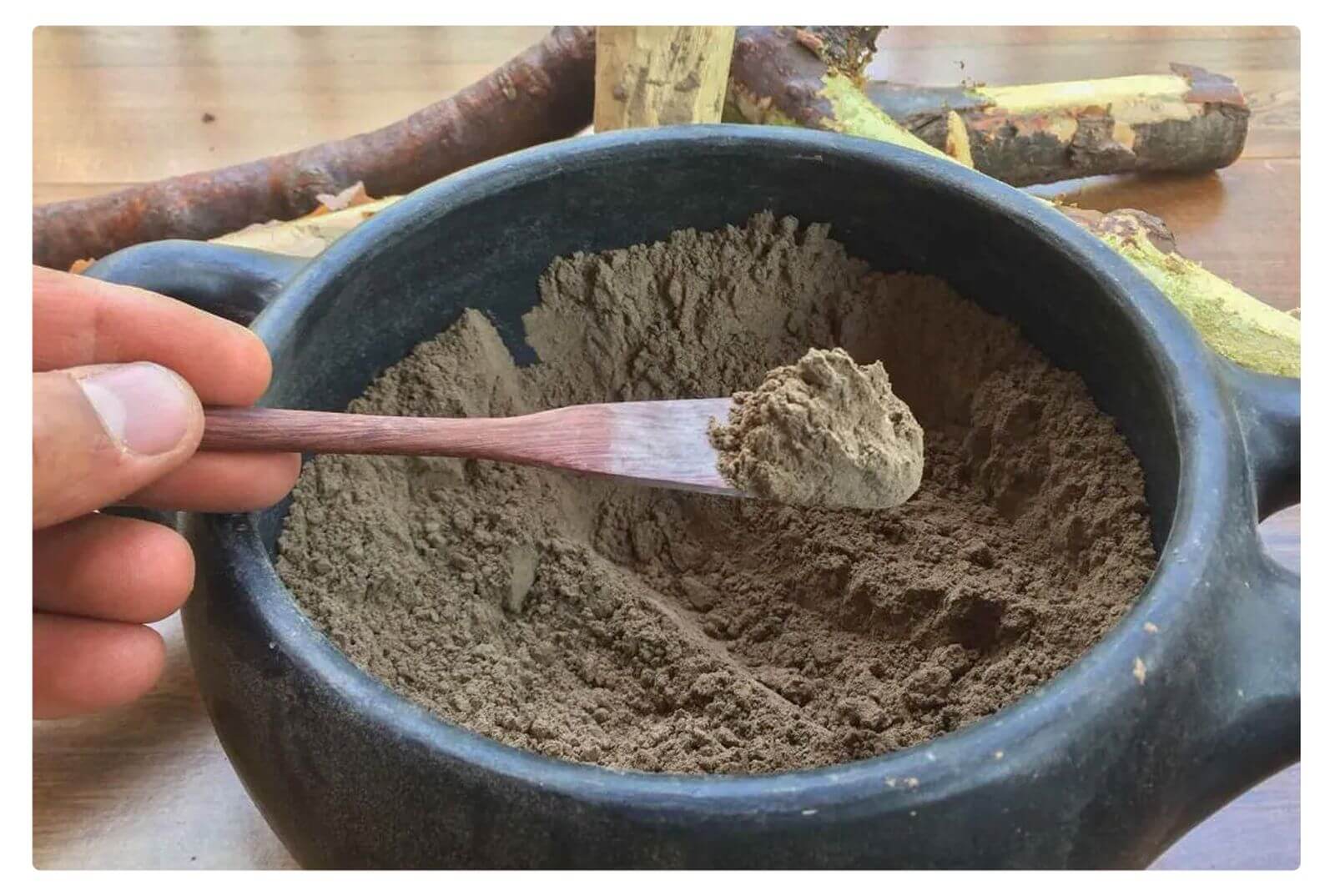
Rapé has two main ingredients: dried Nicotiana Rustica and ash from sacred trees or plants. The ash usually determines the name and properties of the rapé. Tsunu ash comes from the Platonia insignis tree, Cumaru from the Dipteryx odorata, Murici from the Byrsonima tree. Each one has its own energetic qualities.

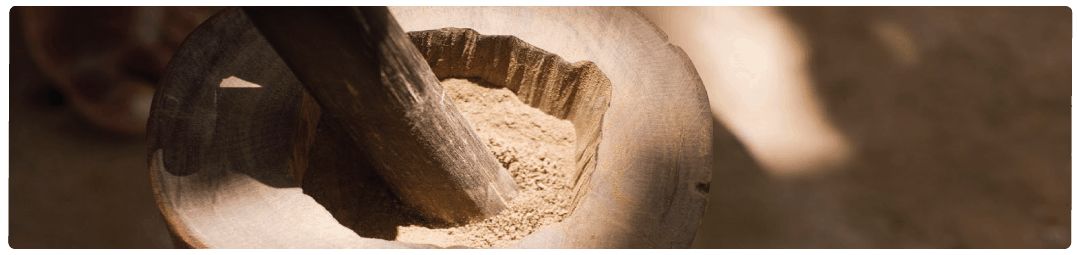
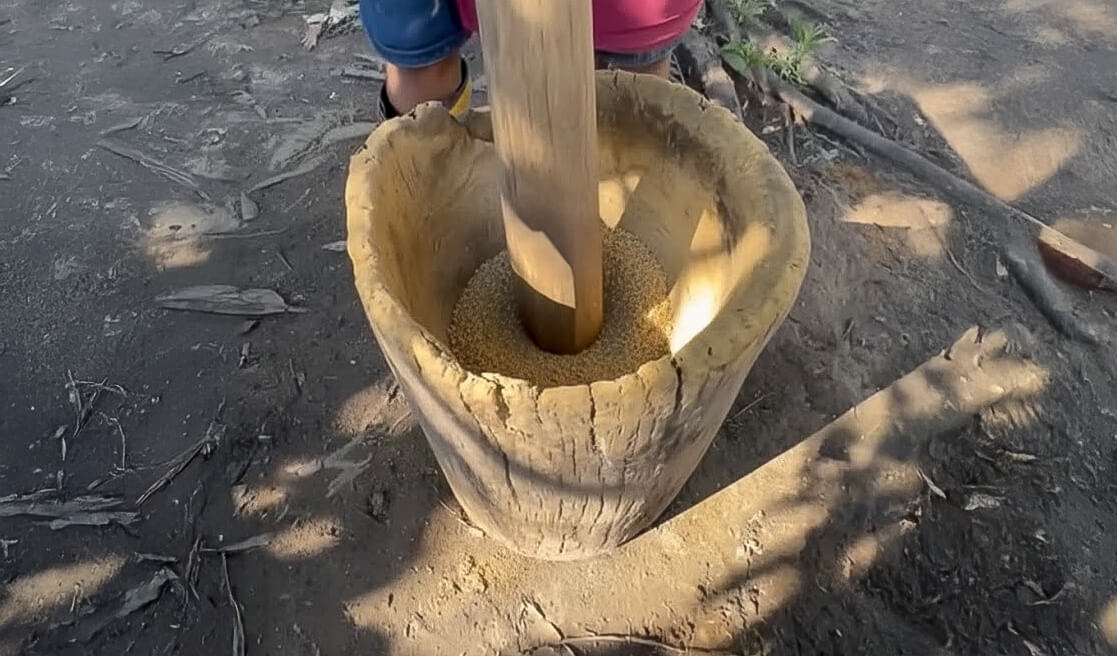
The plants are gathered at the right time, dried, and ground into fine powder. Ash is made using traditional methods. Everything happens with intention, often with prayers and songs, in small batches, handmade and ceremonially prepared.

Traditional preparation of rapé

This way of working takes time. The making follows traditional methods. Shipments from Brazil can spend months in transit. Communication moves at a different pace than what we're used to in Europe. But that slower rhythm is part of respecting the tradition. If you're buying rapé for ceremonies or spiritual work, you want it made the right way.

Tribes and Their Specialties

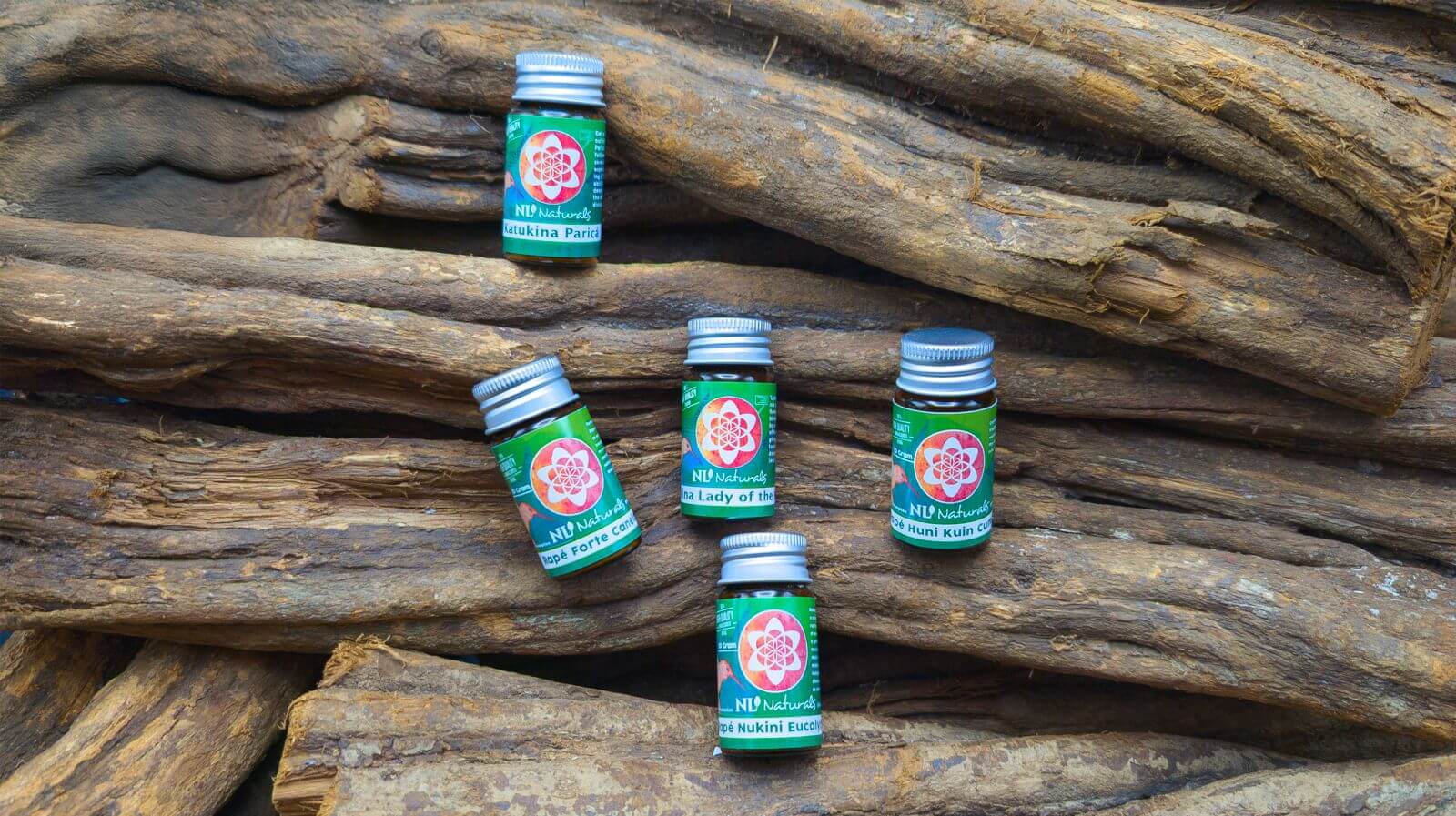
The Yawanawa are known for their powerful Tsunu blends and their female medicine makers. The Huni Kuin (Kaxinawá) excel at Cumaru and Murici. The Nukini make the legendary Jaguar rapé, named after the energy of the animal: strong, wise, alert. The Katukina create special blends like Lady of the Night, made with a cactus flower that only blooms after dark.

Each tribe has its own herbs, its own ashes, its own knowledge. Some rapés are powerful and intense, others gentler and more relaxing. Tsunu Full Power from Isaque Yawanawa clears your entire system and resonates through all chakras. Shawandawa rapé gives you the perfect balance between daytime energy and evening relaxation.

Ceremonial use of rapé: Rapé is traditionally used during ayahuasca ceremonies, for meditation, to clear your mind before making an important decision, or to cleanse your energetic body. It's blown in through a Tepi (by another person) or Kuripe (self-application). Afterwards, many users experience clarity, grounding, and a deeper connection with themselves.

50 Types of Rapé

Our rapé selection at Next Level includes about fifty different types. That number reflects how we work: only rapé from makers we know and trust, only small batches made traditionally, only tribes we've built long-term relationships with.

When you work this way, you don't end up with hundreds of varieties. And that's fine with us. We'd rather have an Authentic Rapé collection we fully stand behind than an endless list with unclear origins. Every rapé in our selection has a story, a maker, a tribe. You know what you're getting: 100% authentic plant medicines for your ceremonies or meditation.

How Do You Recognize Quality?

The difference between good and poor rapé isn't always immediately visible. Texture and aroma can give you clues, but the most important difference shows when you use it. Authentic rapé brings clarity, grounding, a sense of presence. If you get a headache after using it, or if you feel absolutely nothing, that might point to inferior quality.

Using rapé in ceremony

At Next Level, we test everything before it joins our selection. We check the effect, texture, aroma, and more. But what matters most is that we only work with established suppliers - makers and tribes we know personally, relationships built over many years. That's the best guarantee of authenticity.

From Amazon to the Netherlands

The journey of rapé starts in the rainforest. Our medicine maker friends gather the right plants, prepare the ashes, and make their blends. This often happens after spiritual dietas or with ceremonial preparation. The rapé gets packaged and shipped to Europe. When it arrives, we check the quality in every aspect. If everything meets our standards, it goes into our collection. For you as a user, that means: you can trust that what you receive is authentic and works as it should.

Fair Trade with Tribes

We pay fair prices that support indigenous communities and honor the spiritual value of the makers' work. The indigenous tribes of the Amazon have faced challenges throughout history, fight to preserve their culture, and guard knowledge that's thousands of years old. Their way of life deserves respect and support.

By buying rapé from suppliers who work directly with tribes, you help preserve their way of life and traditions. The makers can continue their work, pass their knowledge to the next generation, support their communities. That's what distinguishes rapé as a commercial product from rapé as sacred plant medicine.

Limited Edition Rapé

Some rapés are extra special. Huni Kuin Tsunu Katsarau and Huni Kuin Yube Katsarau are limited editions - small batches with sacred Katsarau ash, ultra-fine powder, a sweet floral scent. These rapés create a full body experience and are described as high in energy and vibration. Check our Limited Edition collection for the rarest blends.

Rapé for Ceremonies and Spiritual Work

Rapé is a tool for spiritual work. Users blow it in (or have it blown for them) to clear their mind, cleanse their energetic body, go deeper in meditation, or prepare for an ayahuasca ceremony. It works directly on your nervous system and brings you right into the present moment.

For ceremonial use, stronger blends work well, like Cumaru which offers spiritual protection, or Ruma Tsunu which recalibrates your energetic body. For daily use or meditation, you can choose gentler varieties that give focus without overwhelming you.

What you use matters. Rapé made with intention, with prayers, following ancient methods - it feels different than something made purely for commercial reasons. That sacredness comes with you into your ceremony or meditation, and that's why we believe authenticity matters.

Rapé for spiritual growth

 
Posted in: All posts, Shamanism, Rapé
Lex Johnson is a self-taught herbalist, language freak, musician and one of the writers behind the Next Level blog. His curiosity runs wide — from the differences between Criollo and Trinitario cacao to the latest psilocybin research. That same curiosity shows in the range of his writing. Lex covers everything from ceremonial cacao and kanna to magic mushrooms, salvia divinorum, kambo, party pills, healing herbs and product deep dives. In addition to a journalism foundation certificate, he holds a Bachelor of Fine Arts.
Loading...