Blog navigation

Latest posts

Party Pills Comparison: Happy Caps vs DNX Pills

Twenty party pills in the shop and no idea which to pick? This comparison puts Happy Caps, DNX and the new Party-E...

Read More
Liquid Spore Cultures vs Spore Prints: Which Should You Choose?

Liquid spore cultures and spore prints are the two main ways to start a mushroom cultivation project. This guide...

Read More
Incense Guide: Which Type of Incense Is Right for You?

With over 60 types of incense in our collection, choosing the right one takes a bit of knowledge. This guide compares...

Read More
Kuripe vs Tepi: Which Rapé Applicator Suits You?

Kuripe or tepi? These are the two tools used to administer rapé, and choosing between them changes the experience...

Read More

Nature Invented Psilocybin Twice!


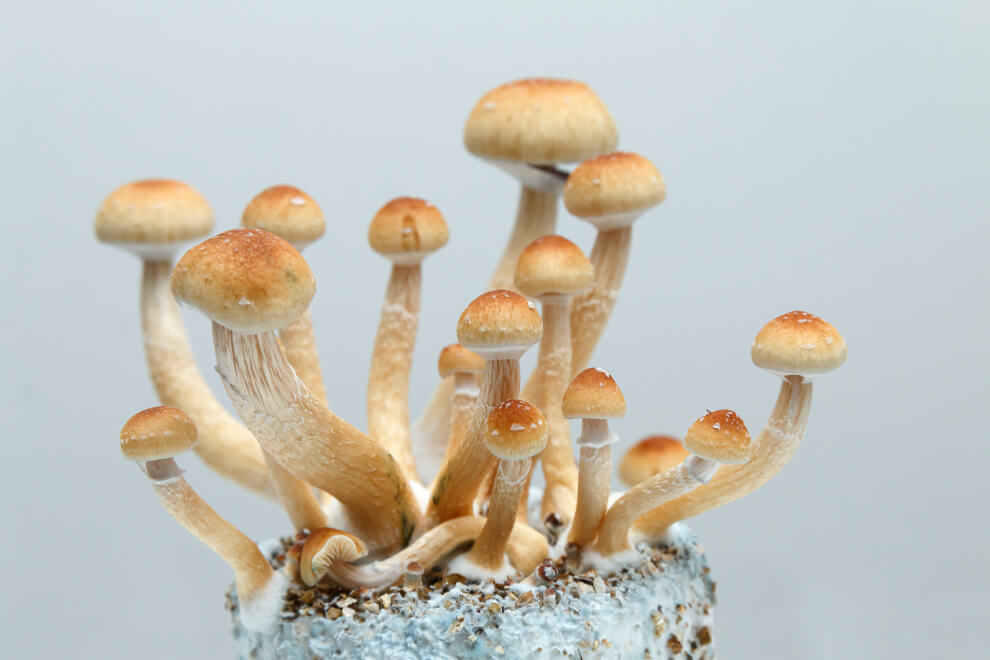
Psilocybe cubensis showing blue bruising

In September 2025, a discovery stunned scientists and mushroom enthusiasts alike: nature has invented psilocybin not once, but twice. Two completely unrelated mushroom families — Psilocybe and Inocybe — each developed their own biochemical pathway to produce exactly the same psychedelic compound.

This means that somewhere in the evolutionary history of fungi, two separate enzyme systems emerged, both arriving at the same end result: psilocybin, the compound known as the active ingredient of magic mushrooms.

A brief background

Psilocybin is the naturally occurring compound that gives mushrooms their characteristic effects. Once ingested, psilocybin is converted into psilocin, which binds to serotonin receptors in the brain. This interaction leads to altered perception, heightened emotions, and for many, profound spiritual or mystical experiences.

Until now, psilocybin was primarily associated with Psilocybe species, especially Psilocybe cubensis, which is widely cultivated today. But this new research shows that the story of psilocybin is even broader and more fascinating.

Two paths to one molecule

The study reveals that Psilocybe species and Inocybe (commonly known as fiber caps) use entirely different sets of enzymes to create psilocybin. While the pathway in Psilocybe has been fully mapped, Inocybe uses a completely different biochemical “toolkit” — yet somehow ends up at the exact same molecule.

This phenomenon is known as convergent evolution: different organisms independently developing the same trait. In other words, psilocybin was apparently so valuable in nature that it evolved twice.

Even more surprising: Inocybe mushrooms don’t just produce psilocybin, they also generate baeocystin, a closely related psychedelic compound also found in some magic mushrooms.

Safety notice: Species in the genus Inocybe are regarded as predominantly poisonous. Many contain muscarine and can cause poisoning at low doses. Because accurate identification is extremely difficult, avoid consuming Inocybe. If ingestion is suspected, seek medical/poison control advice immediately.

Why would nature do this?

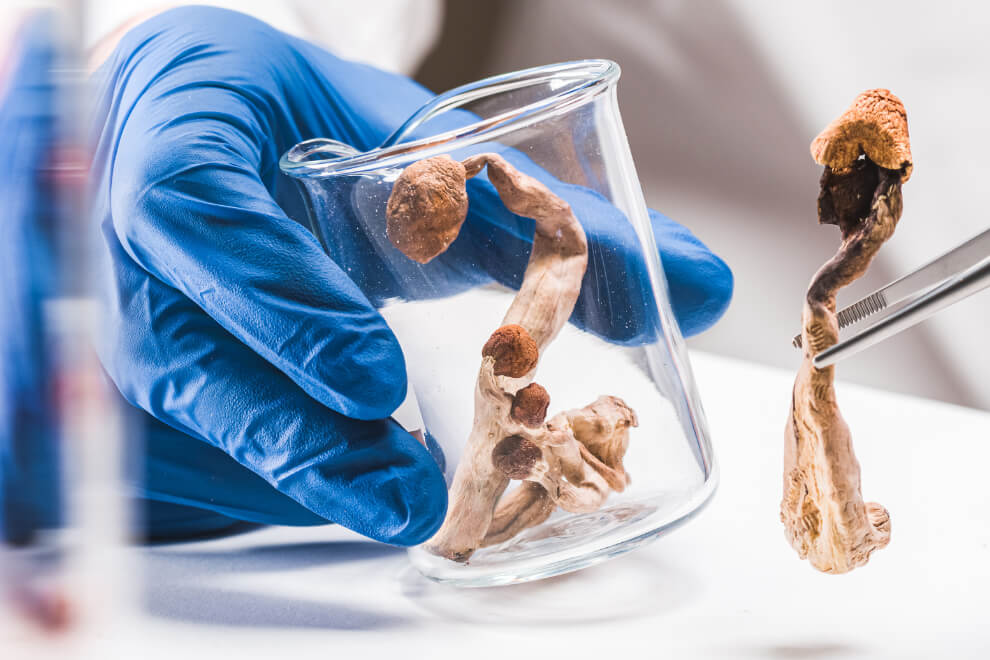
Laboratory research on mushroom enzymes

The big question remains: why would two completely different groups of fungi evolve the same psychedelic compound? Scientists don’t yet know for certain, but several strong theories exist:

  • Defense: Psilocybin may deter animals or insects from eating the mushrooms. Many species bruise blue when damaged — possibly both a chemical and visual warning.
  • Ecological role: The compound may influence microbial communities or insect behavior around the mycelium, supporting survival.
  • Useful coincidence: Sometimes evolution arrives at the same solution more than once, simply because it works.

Whatever the reason, one thing is clear: psilocybin gives mushrooms a real survival advantage in their natural environment.

Implications for science and medicine

Beyond the evolutionary puzzle, the discovery also has practical consequences. Researchers now have access to a second set of enzymes capable of producing psilocybin. This opens exciting new possibilities:

Bioreactors

Using yeast or bacteria, psilocybin could be produced at scale in controlled conditions.

Medicinal applications

Psilocybin is being studied as a treatment for depression, anxiety, PTSD, and addiction. Alternative biosynthetic pathways could make production more reliable and cost-effective.

What does this mean for enthusiasts?

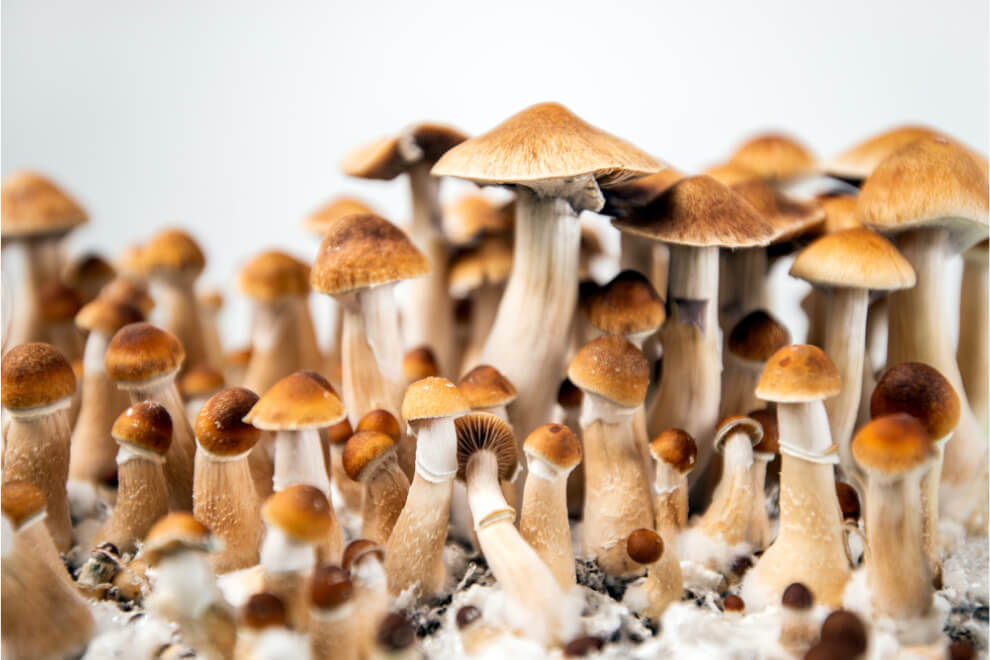
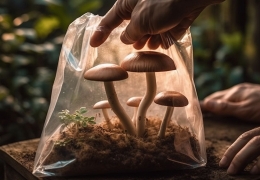
Mushroom growkit in use

For growers and psychonauts, this discovery is a reminder of just how ingenious the fungal kingdom is. Psilocybin is no accident — nature valued it enough to “choose” it twice.

Want to experience this world for yourself? In our shop you’ll find a wide range of magic mushroom grow kits. From trusted Cubensis strains to the powerful Copelandia (Hawaiian), our kits are easy to use, deliver reliable results, and are suitable for both beginners and experienced cultivators.

The bigger picture

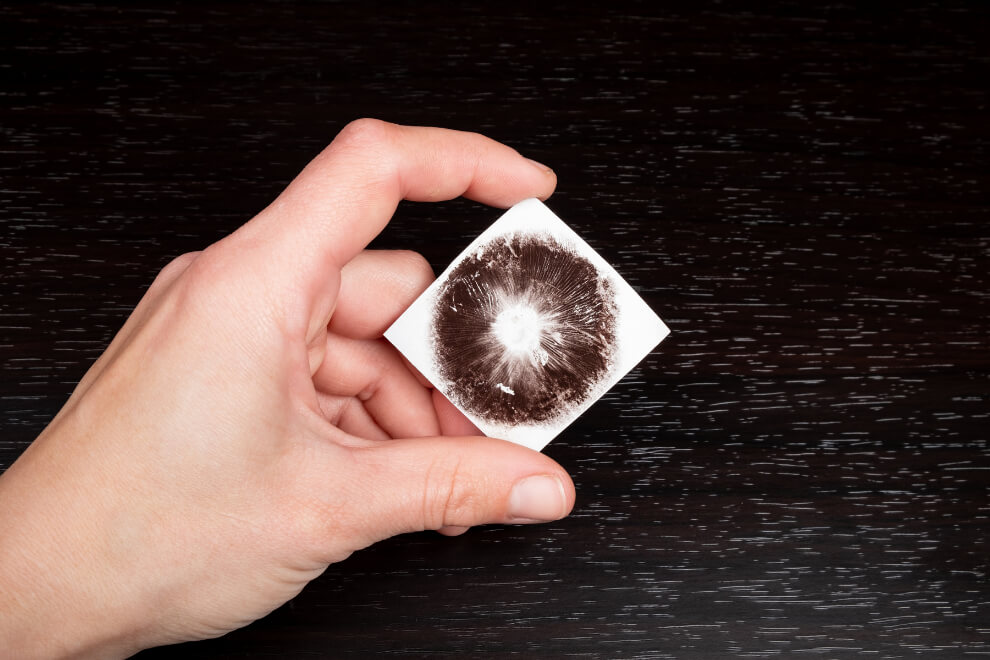
Artistic spore print of a mushroom

This discovery is more than just a scientific curiosity. It bridges evolution, modern research, and tradition. It shows that psilocybin isn’t only meaningful to humans but is also interwoven into nature’s own survival strategies.

Key insight: Psilocybin was so valuable to nature that it evolved independently, twice.

Final thoughts

For us humans, this underscores how special our relationship with mushrooms truly is. While we see psilocybin as a source of insight, healing, and expanded awareness, in nature it plays a role in survival and protection. That dual meaning makes the discovery all the more compelling.

For further reading, see the original study: Dissimilar Reactions and Enzymes for Psilocybin Biosynthesis in Inocybe and Psilocybe Mushrooms (Schäfer, Haun, Rupp & Hoffmeister, September 21, 2025). A more accessible summary is available on ScienceDaily.

 
Lex Johnson is a self-taught herbalist, language freak, musician and one of the writers behind the Next Level blog. His curiosity runs wide — from the differences between Criollo and Trinitario cacao to the latest psilocybin research. That same curiosity shows in the range of his writing. Lex covers everything from ceremonial cacao and kanna to magic mushrooms, salvia divinorum, kambo, party pills, healing herbs and product deep dives. In addition to a journalism foundation certificate, he holds a Bachelor of Fine Arts.
Loading...