The kratom market is massive, filled with vendors selling dozens of strains including Maeng Da, Bali, Borneo, plus red, green and white kratom powder, capsules and concentrated extracts. But what actually separates high-quality kratom from inferior products? At Next Level, we're uniquely positioned to answer this: with our own kratom plantation in Indonesia, we witness firsthand what creates the best kratom.
Last updated: April 2026
This guide is regularly updated with the latest insights.
Quality doesn't come from flashy marketing or fancy packaging. True quality starts at the source - the Mitragyna speciosa trees themselves - and extends through every processing step until the product reaches you. Our Indonesian facility gives us complete quality control from fresh leaves on the tree to your final kratom powder.
Three core factors determine kratom quality: the leaves' alkaloid profile, hygiene and precision throughout production, and proper drying methods that give each strain its distinctive character. Together, these elements create kratom you can trust.
The Complex Alkaloid Profile: More Than 40 Natural Compounds
Kratom's remarkable properties come from its impressive alkaloid complex - naturally occurring nitrogen compounds within the plant. Scientists have identified over forty different alkaloids in Mitragyna speciosa, ranking it among the most chemically diverse plants ever studied.
Mitragynine dominates as the primary constituent, typically comprising over half the total alkaloid content. You'll also find 7-hydroxymitragynine in smaller yet significant amounts, paynantheine as the second-most abundant alkaloid, plus speciogynine and speciociliatine in lower but consistent concentrations.
Secondary alkaloids include ajmalicine, akuammigine, corynantheidine, isomitraphylline, mitraphylline, rhynchophylline, and tetrahydroalstonine. Though present in smaller quantities, each contributes to the complex profile that makes quality kratom so unique.
Natural Variation: Every tree produces a slightly different alkaloid profile. Harvest season, individual leaf position, geographic location, soil composition, and climate all influence the final chemistry. This natural diversity explains why origin and harvesting methods matter so much when buying kratom.
From Tree to Product: Why Production Process Determines Everything
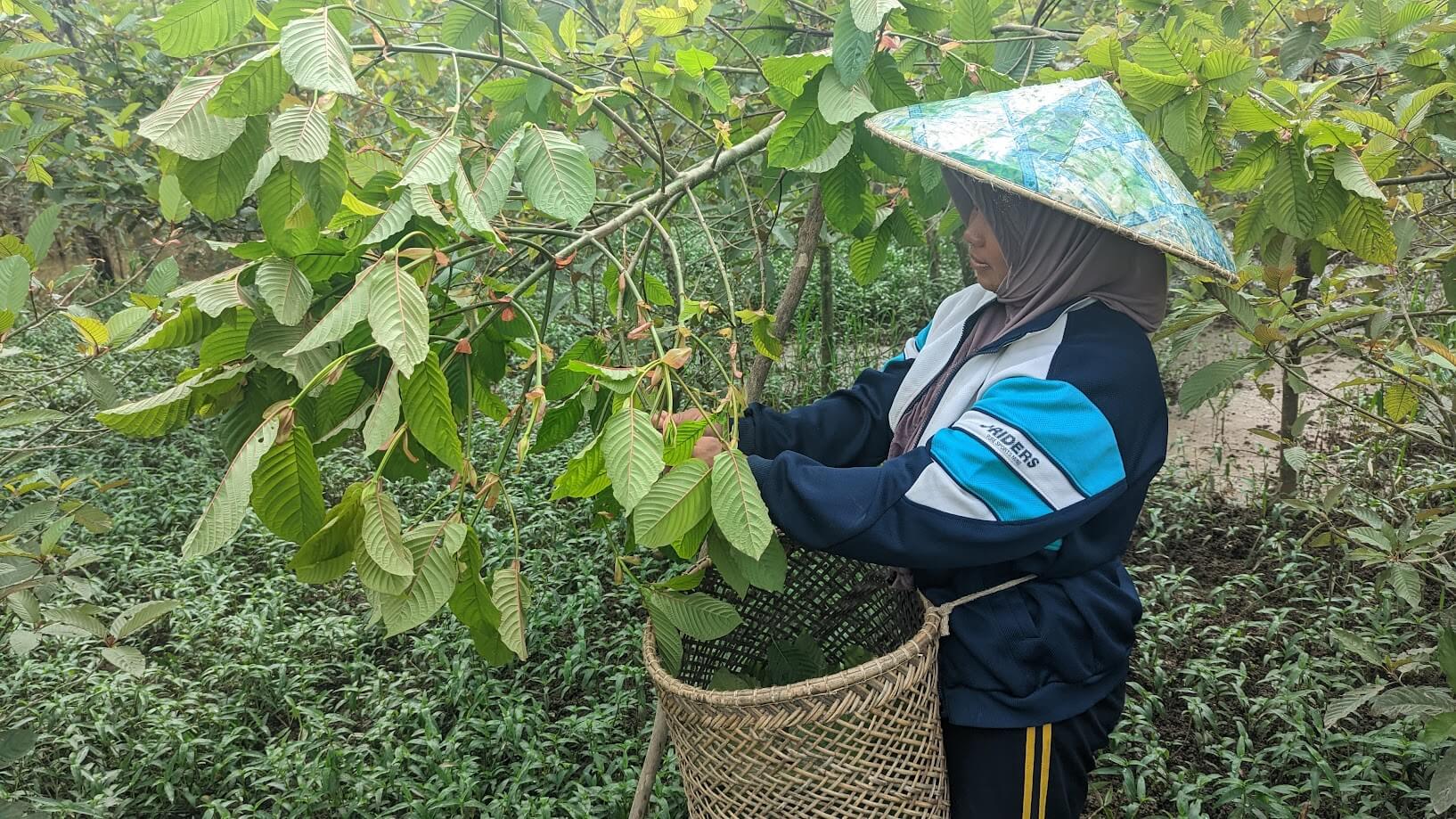
The best kratom begins in Southeast Asia's rainforests, where Mitragyna speciosa trees have thrived for millennia. Our Indonesian plantation employs experienced growers who know exactly when to harvest - that perfect moment when alkaloid concentration peaks. This timing isn't guesswork; it requires years of experience and deep knowledge of local conditions.
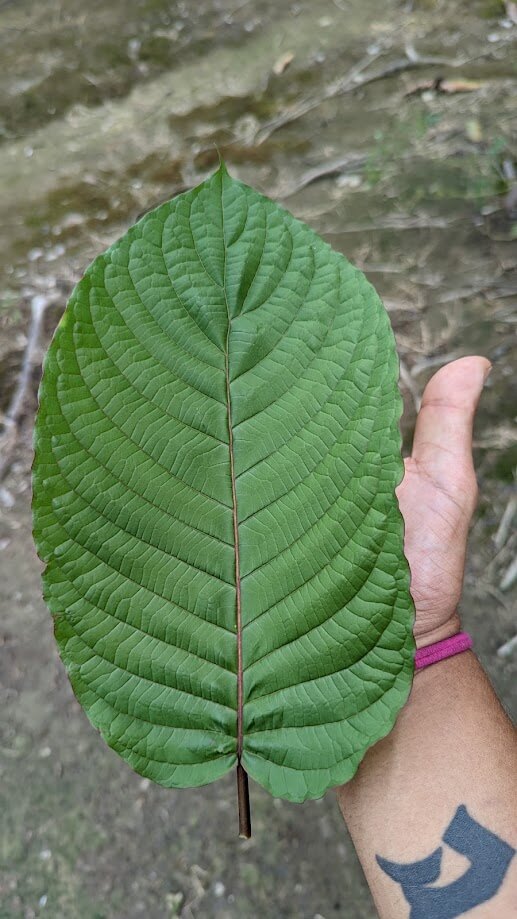
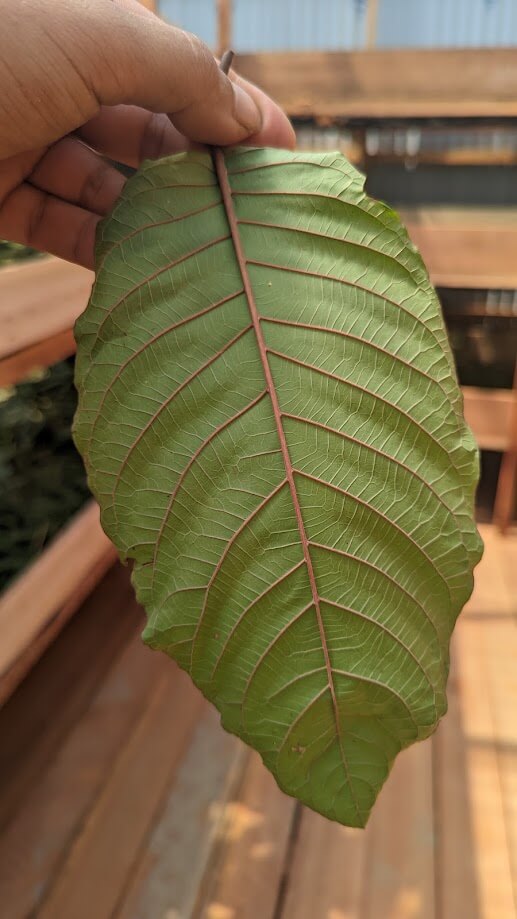
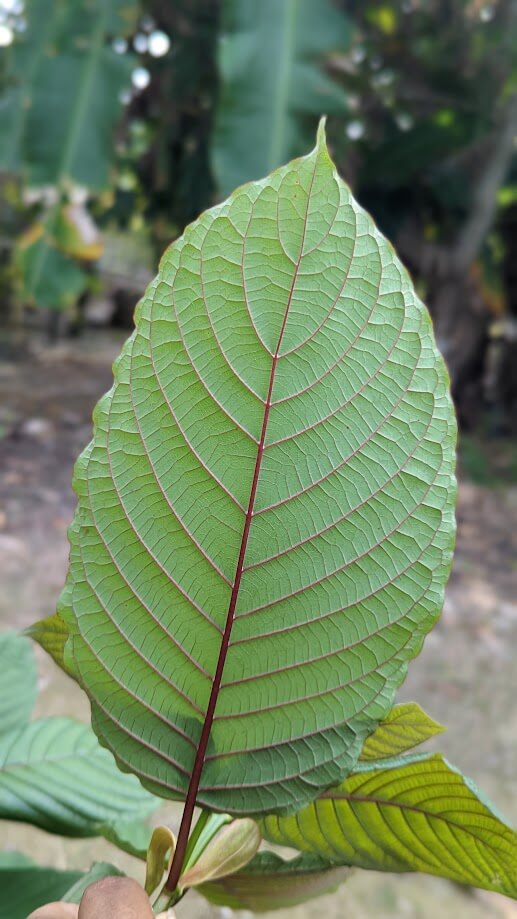
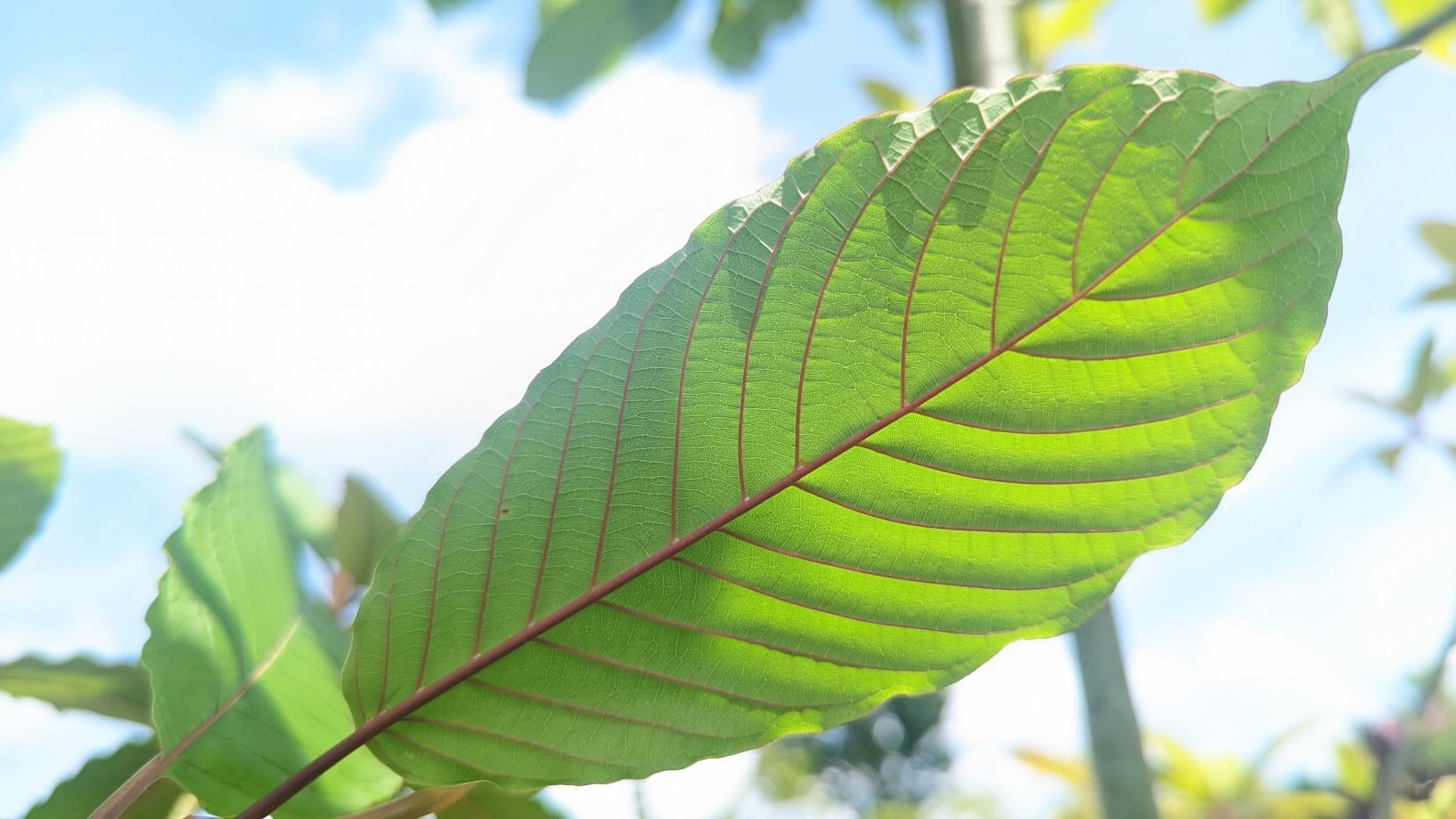
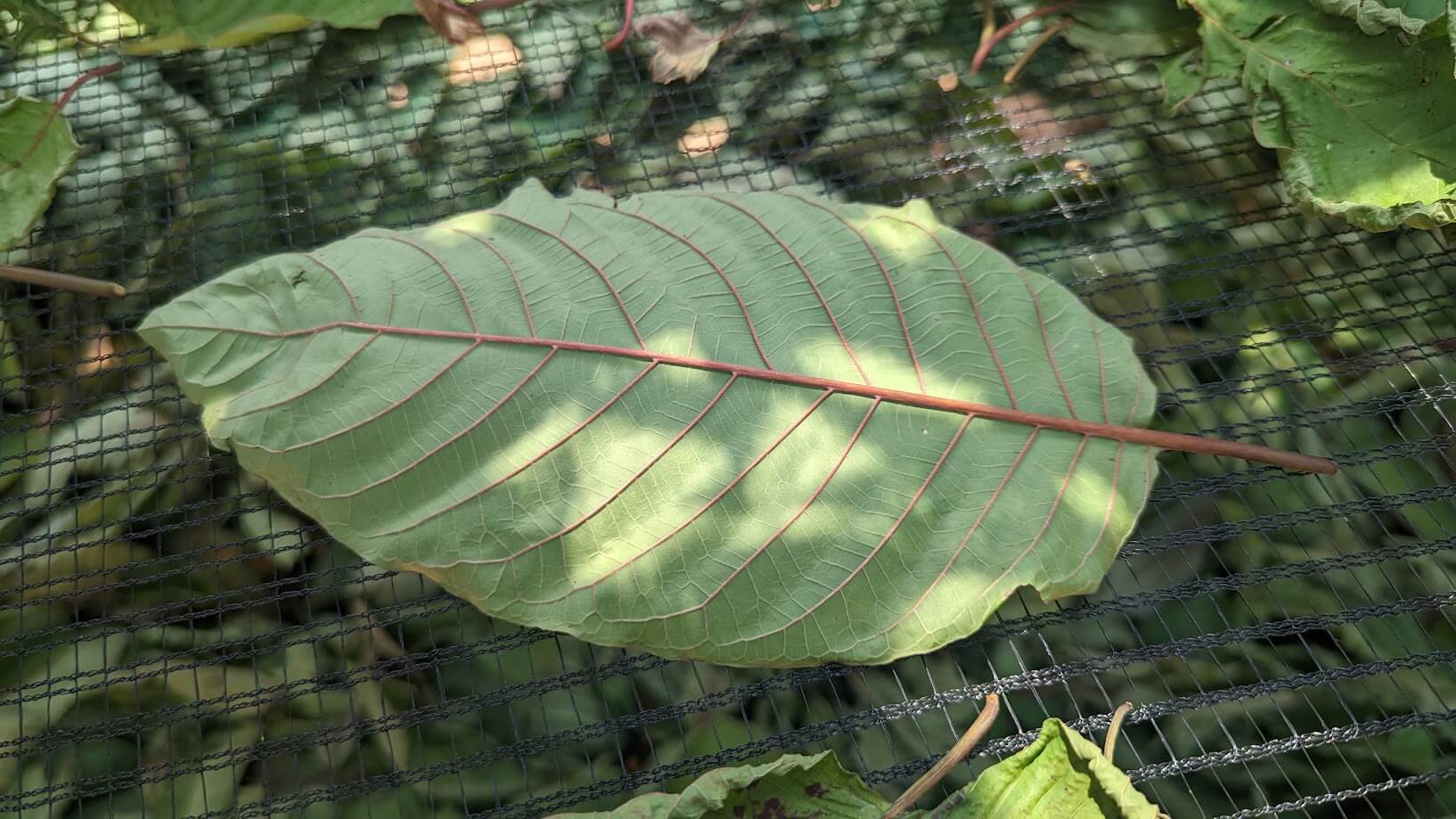
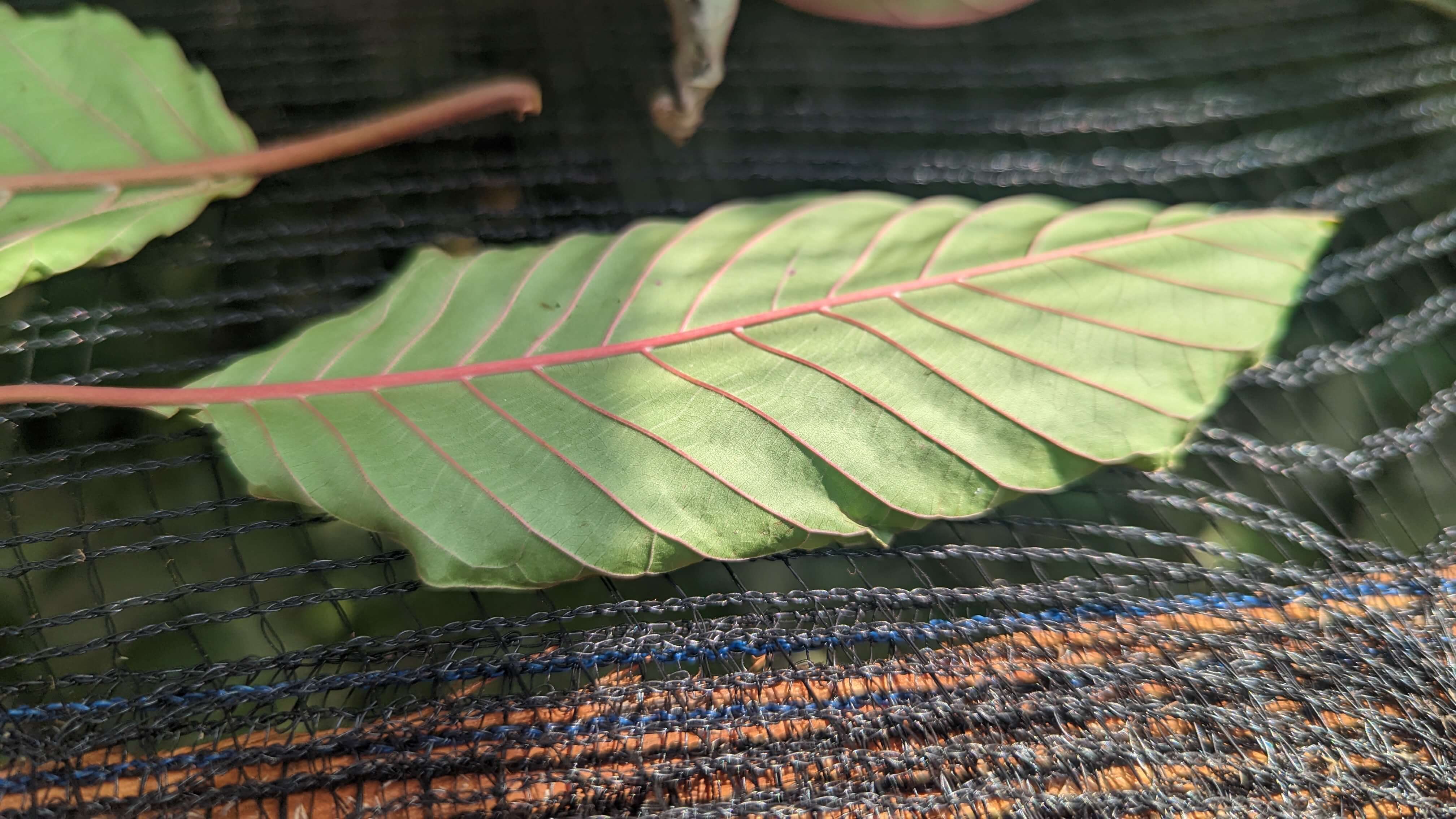
Harvesting itself is an art form. Workers select only mature leaves, using vein patterns and texture as ripeness indicators. Those characteristic red veins threading through green leaves tell the story of age and potency. Young leaves display lighter veins, while mature ones develop those deep red tones everyone seeks.
After harvest comes the crucial drying process, where different kratom strains - red vein, green vein, and white vein - develop their unique qualities. Here's what many don't realize: it's not primarily the vein color in fresh leaves that determines the strain name, but rather the processing methods used after harvest.
The Drying Process: Where Kratom Strains Get Their Character
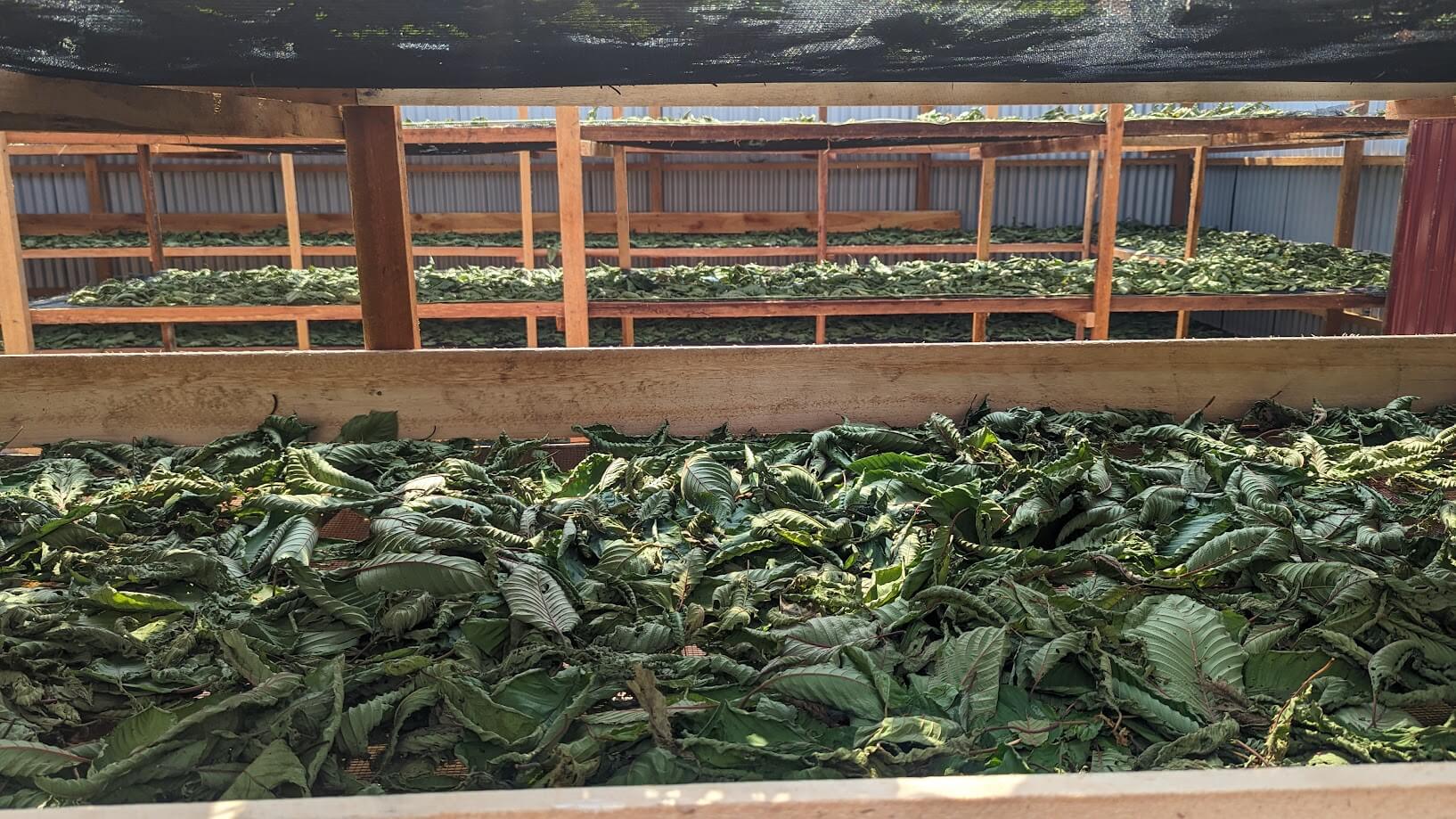
Red, green, and white kratom powder all come from the same trees - the differences emerge during drying. This process involves far more than simply spreading leaves to dry. Temperature, humidity, light exposure, and drying duration all shape the final product.
When producing red kratom, leaves often undergo slower drying. This deliberate slowdown triggers chemical changes in the alkaloid composition. We also offer yellow kratom, a special variety also created through unique drying techniques.
Dries the fastest. This rapid process helps leaves retain more of their original alkaloid profile. Younger leaves are often selected for white strains too.
Sits between red and white processing, giving it a balanced alkaloid profile.
Hygiene and Quality Control: The Difference Between Legal and Reliable
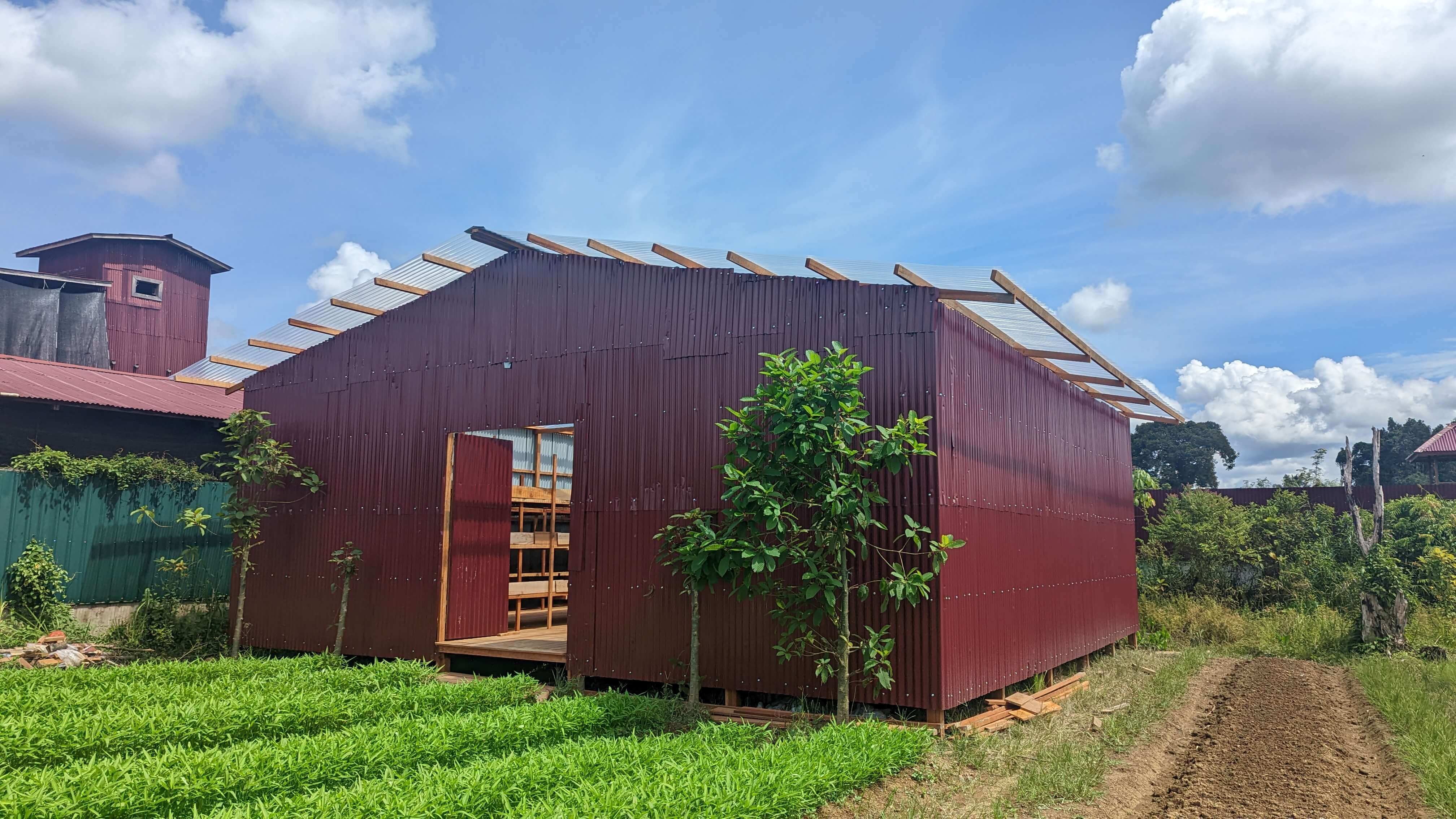
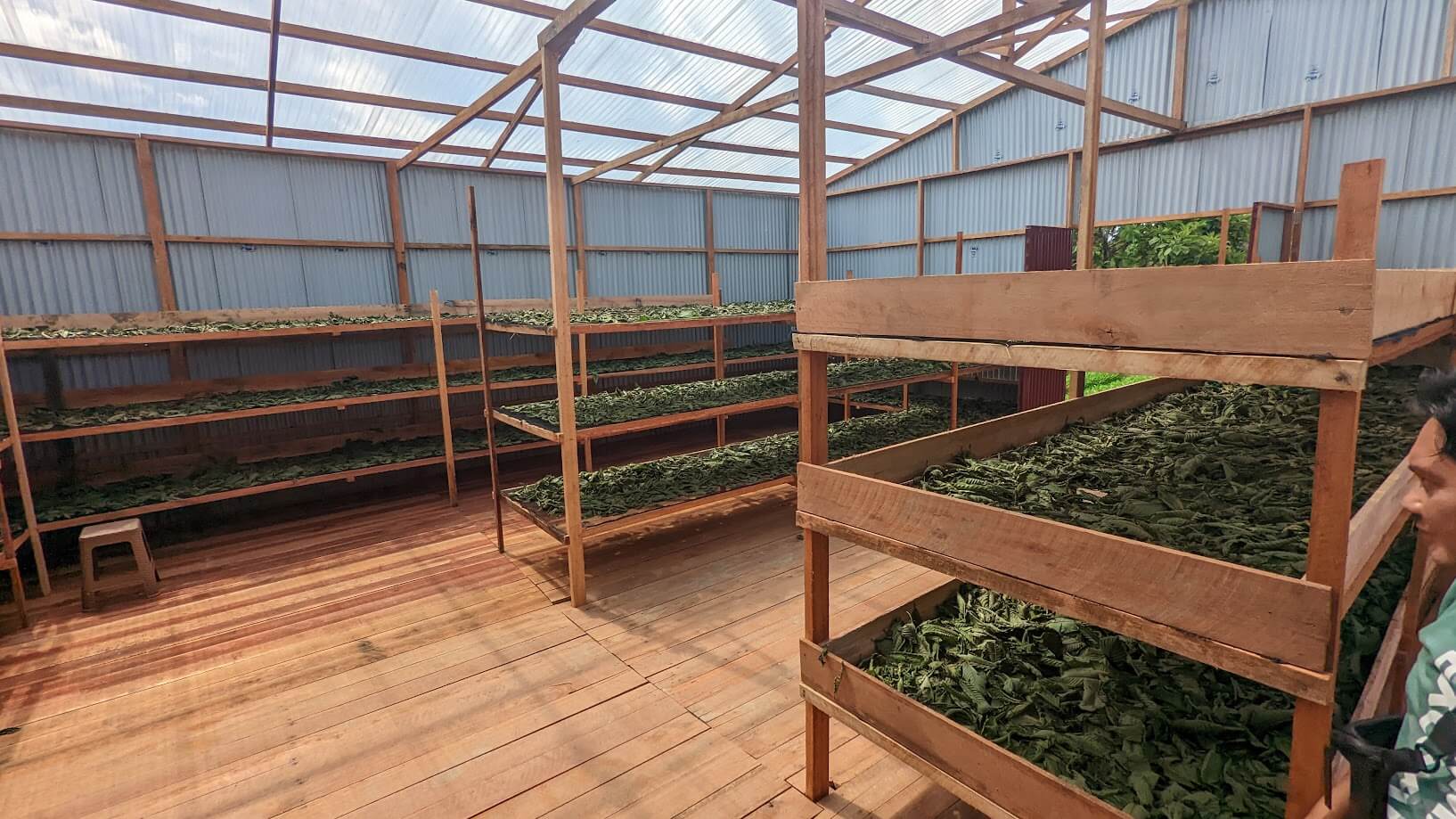
Just because kratom for sale is legal doesn't guarantee quality. Our drying facility operates under strict hygiene protocols. Leaves dry on elevated racks, well above ground contamination. Special netting keeps insects out while maintaining proper airflow.
We constantly monitor temperature and humidity levels. Excess moisture invites mold, while rapid drying damages those precious alkaloids. It's a delicate balance requiring precision. That's why our facility uses specialized drying chambers with carefully controlled conditions.
Here's something most vendors won't mention: post-drying sorting makes all the difference. Every batch gets inspected, with leaves sorted by grade. Only premium leaves make it into our kratom powder. Damaged or discolored material? Out it goes.
Maeng Da and Other Premium Strains: Marketing or Science?
Maeng Da kratom enjoys legendary status among enthusiasts. The name literally translates to "pimp grade" in Thai, suggesting superior quality. But what actually makes Maeng Da special? It comes down to selective cultivation and specific processing methods.
Authentic Maeng Da comes from trees selected for exceptional alkaloid content. Growers often use grafting techniques, combining branches from superior trees. The result? Kratom powder with a concentrated alkaloid profile that many find more potent than standard strains.
Bali kratom has an interesting backstory - despite the name, it typically comes from Borneo, not Bali. The name stuck because Bali served as a major export hub historically. Known for consistent quality, Bali kratom works as an excellent all-rounder. Traditional processing methods give it that predictable alkaloid profile users appreciate.
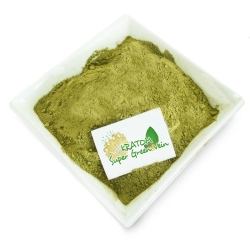
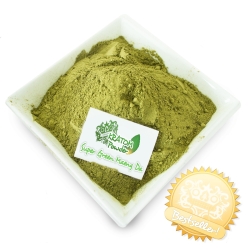
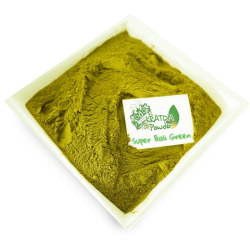
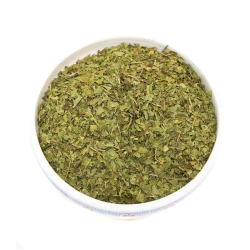
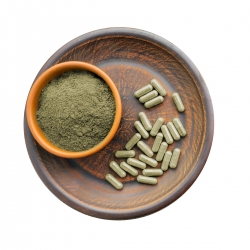
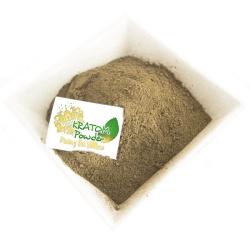
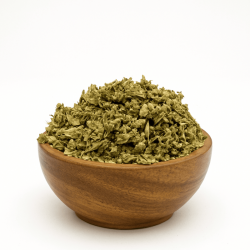
Spotting Premium Quality: Real premium kratom powder like authentic Maeng Da displays vibrant, deep green coloring (or rich reddish-brown for red strains), has a fine, uniform texture after grinding, and carries that distinctive earthy aroma. Pale, washed-out powder with musty odors? That's your quality red flag.
Extract Versus Powder: Understanding Concentration and Use
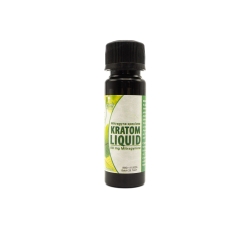
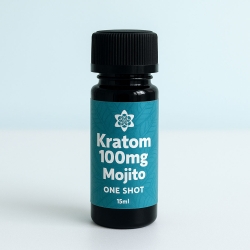
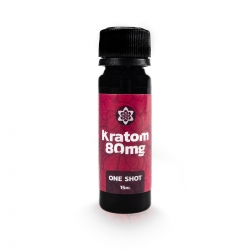
Kratom extract takes concentration seriously - alkaloids get extracted from leaves then concentrated down. You end up with significantly higher alkaloid content per gram compared to regular powder.
Extraction happens several ways. Traditional water extraction involves boiling leaves and evaporating the liquid until only paste or powder remains. Modern methods employ alcohol or other solvents for more efficient, targeted alkaloid extraction.
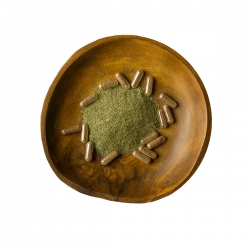
Most kratom capsules contain standard ground powder, though premium capsules may pack extract instead. We also offer kratom tabs and Pure Pressed tabs for convenience & precision.
How Season and Location Impact Quality Kratom
Think of kratom like wine - terroir matters immensely. Soil composition, climate patterns, and geographic location all influence the final product. Indonesian kratom differs from Thai or Malaysian varieties not just genetically, but through environmental factors.
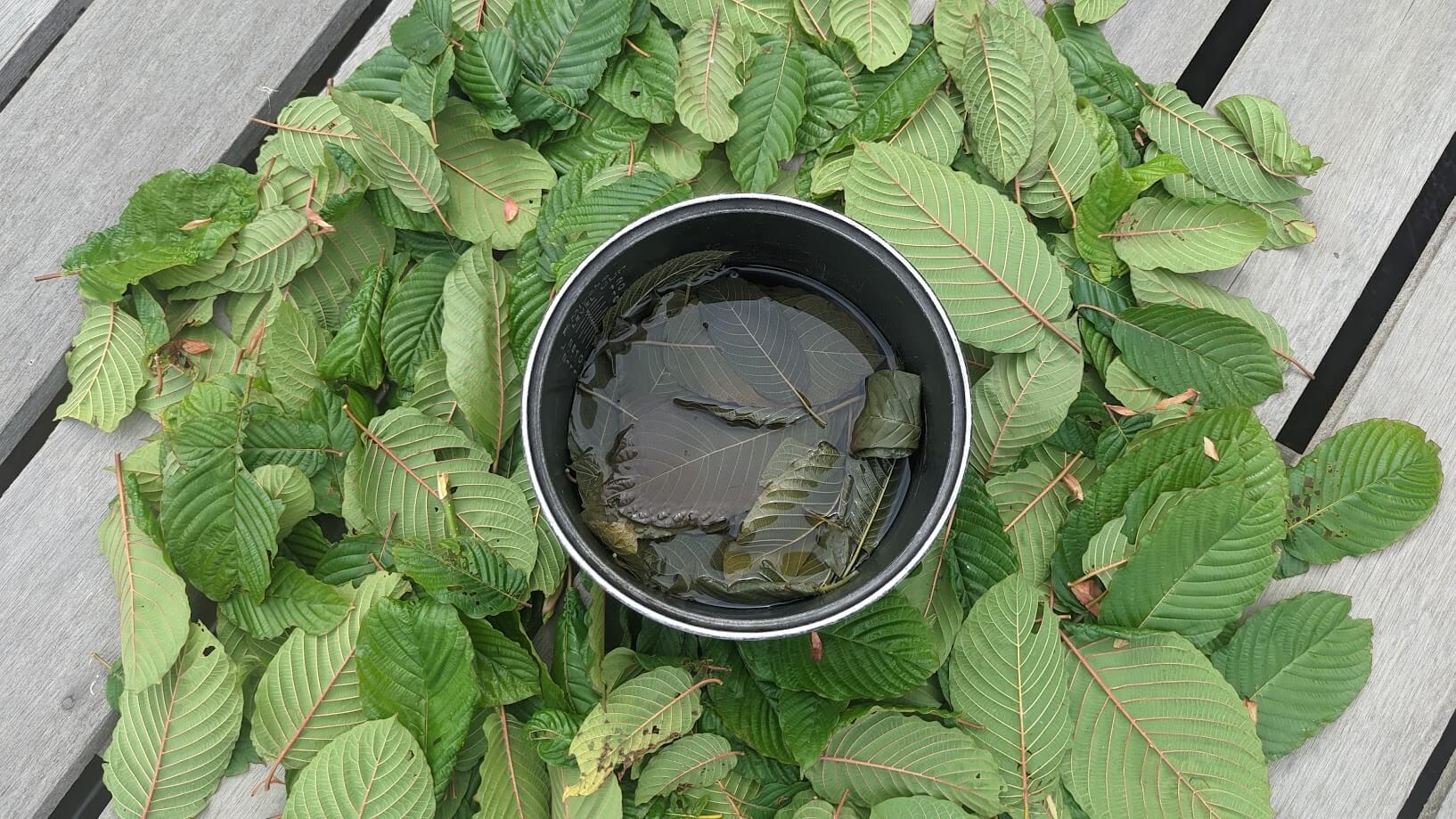
Southeast Asia's monsoon cycles directly affect alkaloid production. During dry seasons, trees channel energy into their leaves, often boosting alkaloid levels. Rainy season harvests tend to yield more diluted profiles - the leaves literally contain more water and fewer concentrated compounds.
Elevation matters too. Highland kratom frequently develops distinct alkaloid profiles compared to lowland varieties. Cool mountain nights and intense UV exposure push plants to produce additional protective alkaloids.
Sustainability and Ethical Production
Growing demand for quality kratom brings responsibility. Wild harvesting threatens ecosystems and isn't sustainable long-term. We partner with managed plantations practicing responsible cultivation with regular replanting programs.
Fair compensation for our Indonesian partners isn't just ethical - it's smart business. Well-paid farmers take pride in their work, selecting only the finest leaves and maintaining quality standards throughout drying. No rushing, no shortcuts.
The economic boost to local communities is substantial. Kratom cultivation provides sustainable livelihoods without environmental destruction. Working directly with growers, cutting out middlemen, ensures both quality control and fair trade.
Storage and Shelf Life: Keeping Your Kratom Fresh
After all that careful processing, proper storage becomes crucial. Light, air, and moisture degrade even the best kratom powder. Our facility vacuum-seals everything immediately after processing to prevent oxidation.
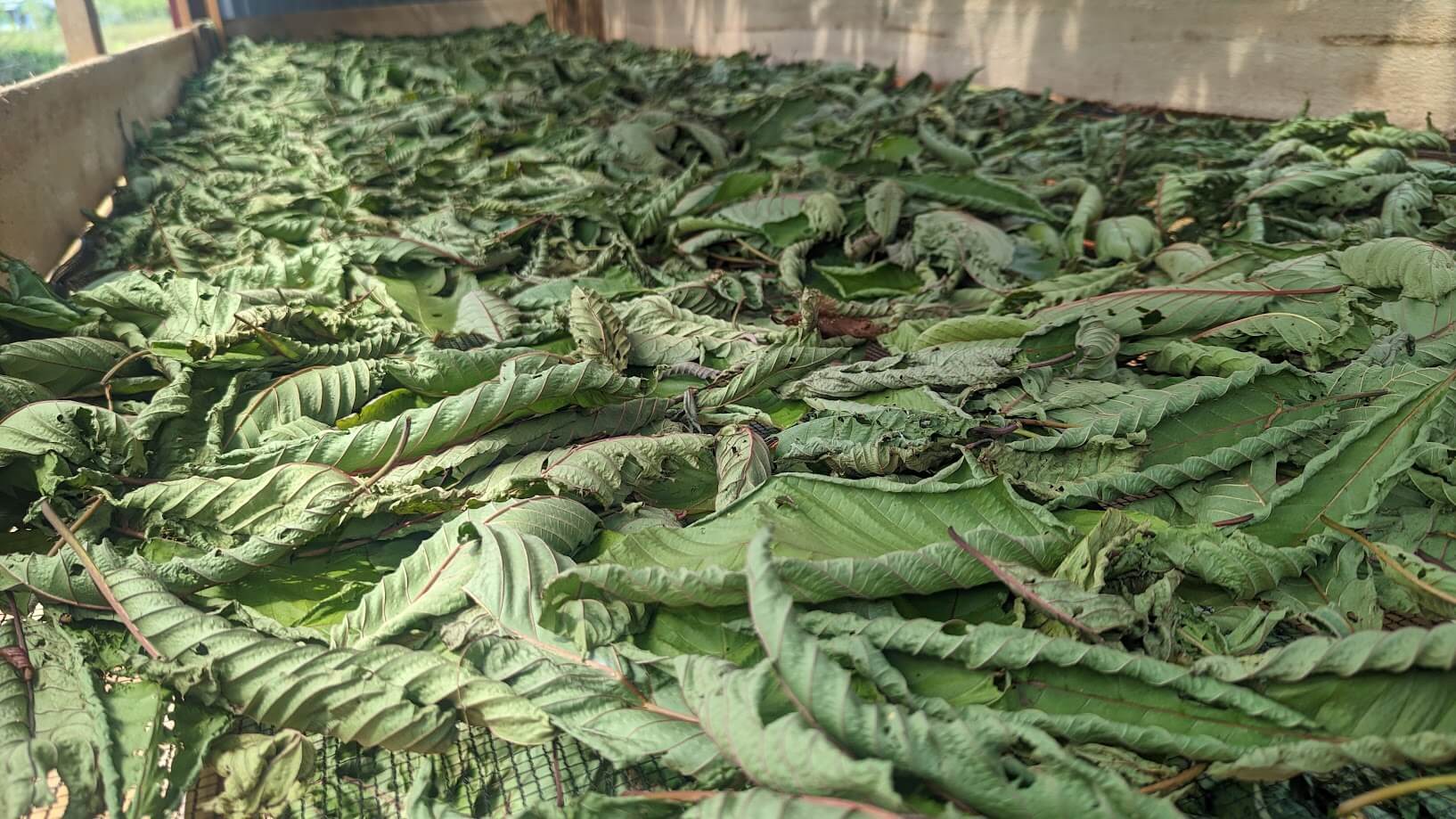
Temperature swings cause condensation inside packaging, potentially leading to clumping and mold. A cool, dry, dark storage spot works best. While properly stored kratom maintains potency for years, fresher product generally performs better. Consider whole kratom leaves for maximum longevity - they hold their properties longer than powder.
Recognizing Fresh Kratom
Fresh kratom powder shows vibrant color - bright to deep green for green strains, rich reddish-brown for reds. The scent should be earthy, like green tea but stronger. Old kratom loses color vibrancy and develops musty, stale odors.
Best Storage Practices
Keep kratom in original airtight packaging or transfer to sealed glass jars. Skip plastic bags for long-term storage - they're not truly airtight. Store containers somewhere cool and dark, but avoid refrigerators due to moisture issues.
Experience: The Hidden Ingredient in Quality
Creating consistently excellent kratom powder requires more than following procedures. It demands intimate plant knowledge, understanding harvest variations, and recognizing quality at every stage. Years working in Indonesia taught us that details matter - all of them.
Knowing exactly when leaves reach peak ripeness, feeling when humidity hits that perfect drying sweet spot - these skills only come through experience. This expertise shows in every batch we produce.
Kratom's Future: Where Innovation Meets Tradition
The kratom industry keeps evolving. Ongoing alkaloid research continues revealing how these natural compounds interact. This synergistic effect - where combined alkaloids create something greater than individual parts - fascinates researchers worldwide.
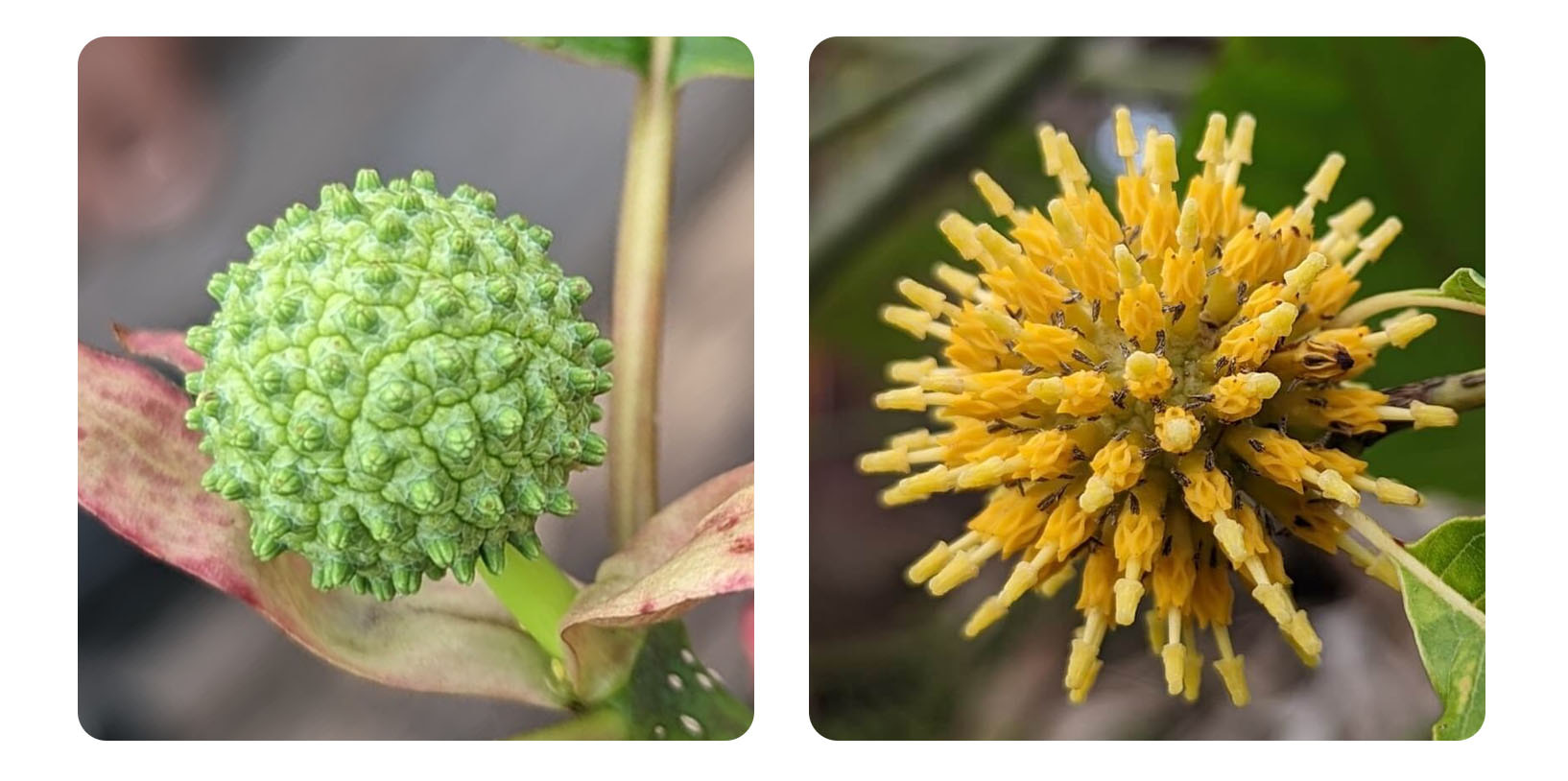
New processing innovations enable custom alkaloid profiles, while centuries-old traditional methods maintain their value. Both approaches serve their purpose.
Consumers benefit from expanding options and improving quality. From precisely formulated capsules to specialized liquid extracts, choices keep growing. Yet fundamentals remain unchanged: quality starts at the source with well-managed trees and careful processing.
Next Level's Philosophy: "Complete transparency throughout production. From Indonesian forests to your door - we show what we do, how we do it, and why these methods guarantee the best quality kratom."
Smart Shopping: Choosing the Best Kratom Vendor
With kratom everywhere now, informed decisions matter more than ever. Look past slick marketing and attractive packaging. Ask vendors about sourcing, processing methods, and quality standards. Legitimate suppliers happily share these details.
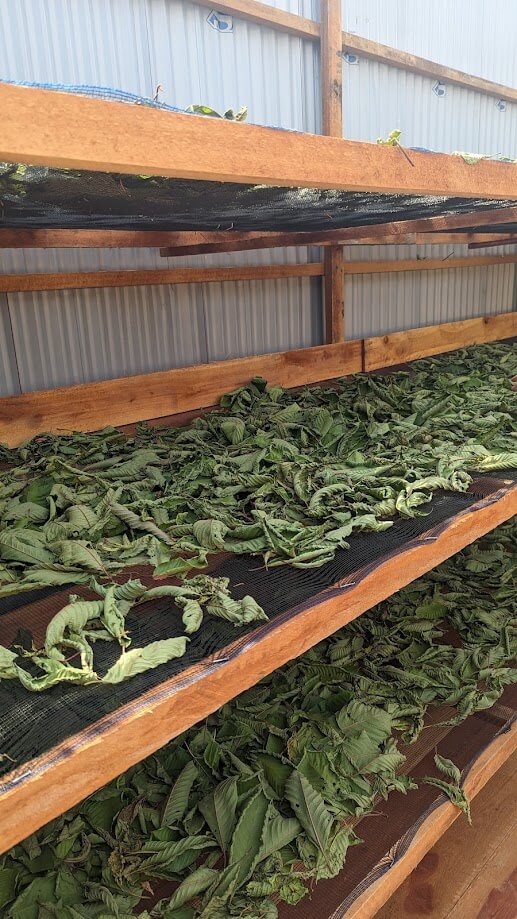
Superior kratom comes from attention to details most buyers never see. It's careful leaf selection, precise drying conditions, spotless facilities, and integrity throughout the supply chain from forest to customer.
Bottom Line: Quality Doesn't Happen by Accident
The best kratom results from deliberate choices at every production stage. From selecting trees with optimal alkaloid profiles to controlling every processing variable - everything counts.
At Next Level, we chose complete production control. Not the easy path - far from it - but it's how we consistently deliver the quality our customers expect. Our Indonesian facility proves our commitment to excellence.
Whether you buy red, green, or white kratom powder, choose capsules or extract - core principles stay constant. Seek transparency, verify origins, and stick with suppliers who openly share their methods. Because you deserve kratom with a clear story - where it's from, how it's made, and why consistent quality backed by genuine expertise matters.
Why Next Level Smart?
- Four vein colours in stock — red, green, white and yellow kratom from different regions of Indonesia
- Premium varieties like Maeng Da, Borneo and Bentuangie — more than ten powder and pressed-tab variants
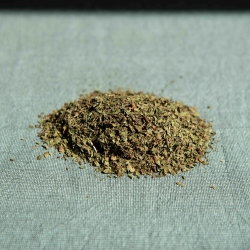
- Crushed leaves for enthusiasts — unprocessed kratom leaves alongside standard finely-milled powder
- Active since 2010 as a Dutch smart shop — fifteen years of experience with ethnobotanical products and shipping from the Netherlands
Frequently asked questions about kratom quality
Where does kratom originally come from?
Kratom (Mitragyna speciosa) is a tropical tree in the coffee family, native to Southeast Asia: Thailand, Malaysia, Indonesia, Myanmar, and Papua New Guinea. The leaves have been used traditionally by local communities for centuries. Today the bulk of world supply originates in Indonesia.
What is the difference between red, green, white and yellow kratom?
Vein colour refers to the colour of the main vein in the leaf at harvest and the drying method that follows. Red, green, white and yellow each have a different alkaloid profile. The differences arise from leaf maturity and how long the leaves dry in sun, shade, or a drying room.
What does Maeng Da mean?
Maeng Da is not a botanical variety but a quality designation from Thai tradition. It roughly translates as 'pimp grade' — the term refers to carefully selected, often older leaves with a richer alkaloid profile. It is now used commercially across vein colours: green, red, and white Maeng Da all exist.
How does extract differ from powder?
Standard kratom powder consists of finely milled dried leaves. An extract is a concentrated form where alkaloids are isolated from the leaf through water or alcohol extraction. Powder retains the whole leaf profile; extract is more concentrated and consistent in strength. Both are in our
kratom range.
How do you recognise quality kratom?
Colour, aroma, and texture are the three indicators. Freshly milled powder has a vibrant plant-like aroma and even granulation. Dull or brownish hues, mouldy smell, or clumping point to poor storage or old stock. Sealed packaging with harvest information is a sign of a reliable supplier.
How is kratom processed after harvest?
Leaves are picked, washed, and dried. The drying method (sun, shade, indoor with UV) largely determines the final vein classification and alkaloid profile. After that the leaves are finely milled into powder or pressed into tabs. Hygiene and consistency through these steps determine quality.
How do you store kratom?
Cool, dry, and airtight, out of direct sunlight. A sealed jar in a kitchen cupboard works fine. Avoid moisture — kratom powder can clump and alkaloids degrade faster at high humidity. Sealed in original packaging it typically keeps for eighteen to twenty-four months.
What is the legal status of kratom in the Netherlands?
Kratom is not approved as a Novel Food in the Netherlands and for that reason is not sold for consumption. Sale is permitted for other botanical purposes such as horticultural use or decoration. For the current status: consult the NVWA or equivalent authorities in other EU member states.
Last updated: April 2026 | Next Level Smart Shop