Blog navigation

Latest posts

Party Pills Comparison: Happy Caps vs DNX Pills

Twenty party pills in the shop and no idea which to pick? This comparison puts Happy Caps, DNX and the new Party-E...

Read More
Liquid Spore Cultures vs Spore Prints: Which Should You Choose?

Liquid spore cultures and spore prints are the two main ways to start a mushroom cultivation project. This guide...

Read More
Incense Guide: Which Type of Incense Is Right for You?

With over 60 types of incense in our collection, choosing the right one takes a bit of knowledge. This guide compares...

Read More
Kuripe vs Tepi: Which Rapé Applicator Suits You?

Kuripe or tepi? These are the two tools used to administer rapé, and choosing between them changes the experience...

Read More

Active Earth Growing Guide: Maximum Harvests Through Complete Plant Nutrition


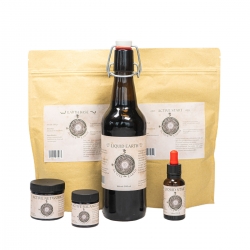
This practical soil activation guide shows you how to use the Active Earth system optimally. Perfect for growing 5 plants in 20-30 liter pots or in open soil. With this complete system of harmonized nutrients & microorganisms, you create living soil where your plants thrive from seedling to harvest.


Getting Started: The Foundation for Flourishing Plants

Step 1: Initial Preparation

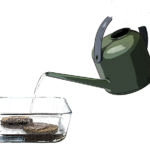
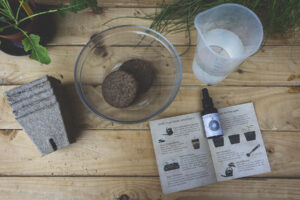
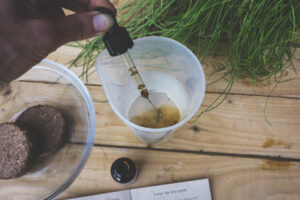
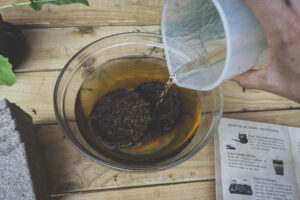
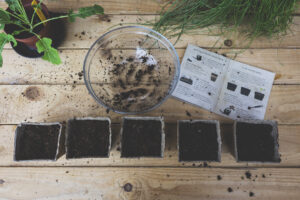
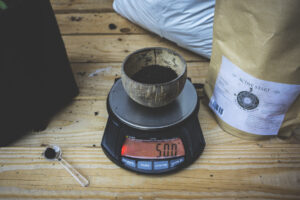
Soaking coco fiber

What you'll need:

  • Coco fiber tablets
  • Fresh growing soil
  • Liquid Start solution
  • 500 ml water
  • A suitable container or bowl

Instructions:

  1. Place the coco fiber tablets in your container
  2. Mix 20 ml Liquid Start with 500 ml water
  3. Pour this nutrient-rich mixture over the tablets
  4. Allow them to fully absorb the mixture and expand
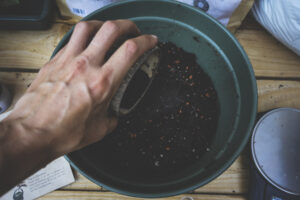
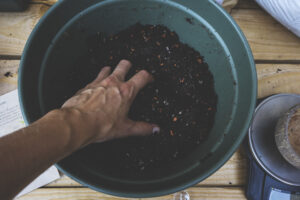
  5. Mix the soaked coco fiber with fresh growing soil in a 50/50 ratio
Step 1.1 Step 1.2 Step 1.3

Growing tip: The combination of coco fiber and fresh growing soil creates an ideal soil structure. By mixing 50% coco fiber with 50% growing soil, you create an airy, moisture-retaining foundation. The coco fiber improves drainage while the growing soil provides initial nutrition. Of course, you can also opt for your preferred germination method, then use 2-3 ml Liquid Start per liter of water during the first weeks and skip directly to Step 4.


Step 2: Planting Seeds

Seeding illustration

What you'll need:

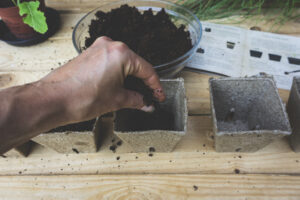
  • Compostable pots
  • Your prepared coco-soil mixture
  • Seeds of your choice

Instructions:

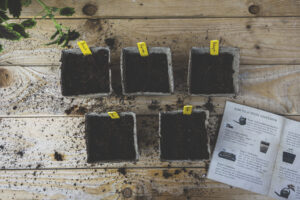
  1. Distribute the coco-soil mixture evenly into the compostable pots
  2. Make a small dimple in the center of each pot (not too deep)
  3. Place a seed in each dimple
  4. Gently cover the seeds with a thin layer of the mixture
Step 2.1 Step 2.2 Step 2.3

Step 3: Stimulating Germination

Germination illustration

What you'll need:

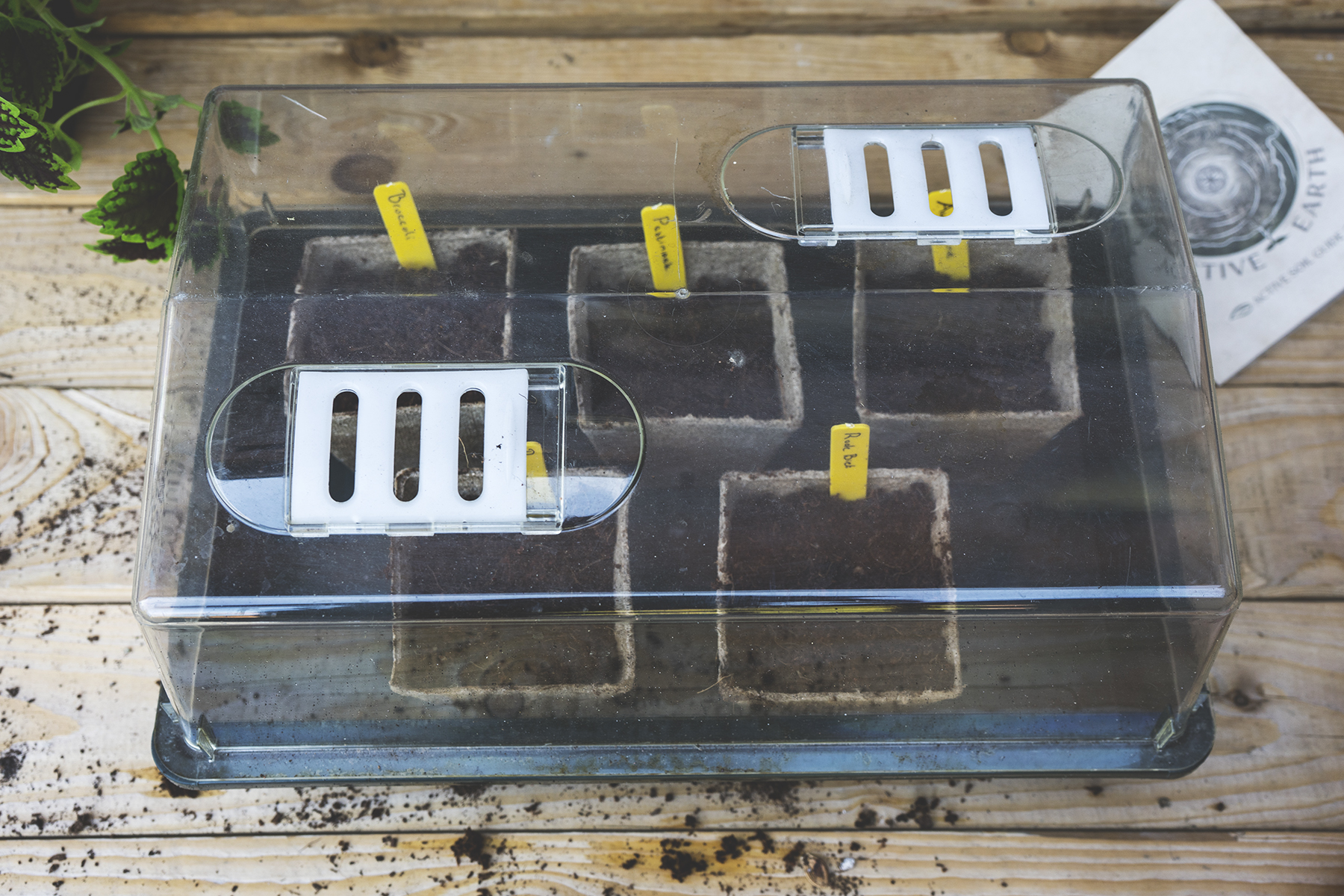
  • A propagator (or alternative high-humidity environment)

Instructions:

  1. Place the filled pots in the propagator or a location with high humidity
  2. Ensure sufficient moisture
  3. Wait for the seeds to begin germinating (typically 1-14 days, depending on plant species)
  4. Check regularly but avoid disturbing the developing seedlings
Step 3

Step 4: Transplanting to Larger Containers

Potting soil illustration

What you'll need:

  • 100-150 liters of quality soil
  • 5 larger pots
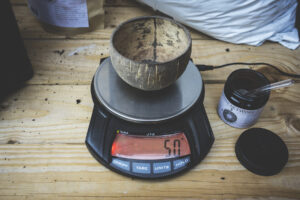
  • Kitchen scale for precise measurements
  • Earth Base
  • Active Network
  • Active Start

Instructions:

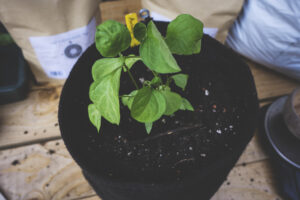
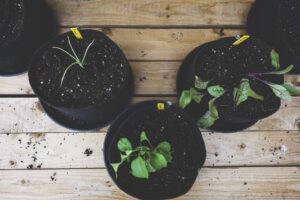
  1. Wait until roots grow from the bottom of your seedling pots (typically 3-4 weeks)
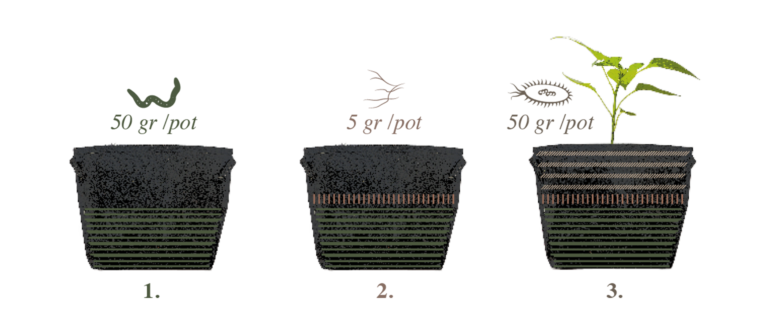
  2. Fill each larger pot halfway with soil (approximately 50% of your total soil)
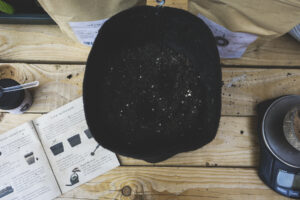
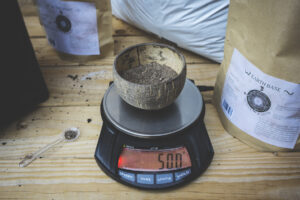
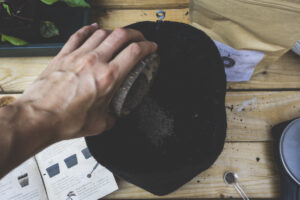
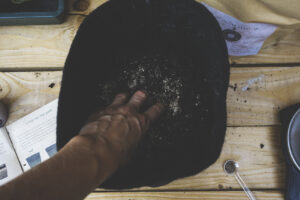
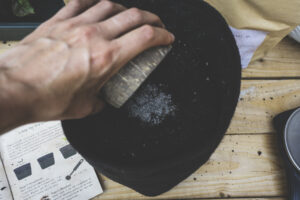
  3. Thoroughly mix 50 grams of Earth Base into the soil of each pot
  4. Add a quarter of your remaining soil, evenly distributed among the pots
  5. Sprinkle 5 grams of Active Network powder in the center of each pot
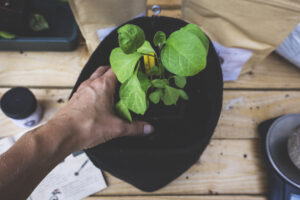
  6. Carefully place your seedling (with its biodegradable pot) on top of this layer, so the roots make direct contact with the Active Network powder
  7. Mix 250 grams of Active Earth through the remaining soil
  8. Distribute this enriched soil mixture evenly across all 5 pots, up to about 2.5 cm below the rim
Step 4.2 Step 4.3 Step 4.4
Step 4.5 Step 4.6 Step 4.7
Step 4.8 Step 4.9 Step 4.10
Step 4.11 Step 4.12 Step 4.13

Step 5: Ongoing Nutrition - Balancing Your Soil

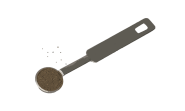
Measuring spoon illustration

What you'll need:

  • A measuring spoon
  • Kitchen scale
  • Watering can
  • Active Balance
  • Fresh water

Instructions:

  1. Once your plants are established in their larger containers, begin adding Active Balance
  2. Add 0.5-1 gram of Active Balance per 10 liters of water
  3. Apply this enriched water every two weeks
  4. Continue this routine until three weeks before your planned harvest date

Step 6: Final Nutrition Boost - Liquid Enrichment

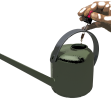
Watering can illustration

What you'll need:

  • Liquid Earth
  • Watering can
  • Fresh water

Instructions:

  1. Two weeks after transplanting your plants to larger containers, begin adding Liquid Earth to your watering routine
  2. Add 1-2 ml of Liquid Earth per liter of water
  3. Apply this enriched water with every watering during the flowering period
  4. Stop approximately two weeks before harvest for the purest flavor

Tips for Optimal Results

By following the steps above, you create a living soil ecosystem, complete with all necessary nutrients, which will support your plants throughout their entire life cycle. Here are some additional tips for even better results:

  • Watering: Water when the top layer of soil feels dry. Excessive watering can disturb the soil life.
  • Temperature: Maintain soil temperature between 20-24°C (68-75°F) for optimal microbial activity.
  • Humidity: Ensure 40-60% humidity for healthy plant growth.
  • Circulation: Good air circulation helps prevent mold and strengthens plant stems.

With this Active Earth system, you're not only creating ideal growing conditions for your plants, but you're also building a sustainable, self-reinforcing ecosystem that improves with each growing cycle.

Want to learn more about the Active Earth Nutrients Kit or do you have specific questions about your grow? Feel free to contact us.
 
Posted in: All posts, Cannabis
Lex Johnson is a self-taught herbalist, language freak, musician and one of the writers behind the Next Level blog. His curiosity runs wide — from the differences between Criollo and Trinitario cacao to the latest psilocybin research. That same curiosity shows in the range of his writing. Lex covers everything from ceremonial cacao and kanna to magic mushrooms, salvia divinorum, kambo, party pills, healing herbs and product deep dives. In addition to a journalism foundation certificate, he holds a Bachelor of Fine Arts.
Loading...