Blog navigation

Latest posts

Party Pills Comparison: Happy Caps vs DNX Pills

Twenty party pills in the shop and no idea which to pick? This comparison puts Happy Caps, DNX and the new Party-E...

Read More
Liquid Spore Cultures vs Spore Prints: Which Should You Choose?

Liquid spore cultures and spore prints are the two main ways to start a mushroom cultivation project. This guide...

Read More
Incense Guide: Which Type of Incense Is Right for You?

With over 60 types of incense in our collection, choosing the right one takes a bit of knowledge. This guide compares...

Read More
Kuripe vs Tepi: Which Rapé Applicator Suits You?

Kuripe or tepi? These are the two tools used to administer rapé, and choosing between them changes the experience...

Read More

From Bean to Bliss: The Journey of Raw Cacao in Wellness Traditions


Raw cacao has captivated the senses and spirits of humanity for thousands of years. Long before cacao evolved into the sweet treats we know today, ancient cultures revered it as a potent, sacred plant. The journey of cacao, from its origins in ancient Mesoamerican rituals to its modern role in wellness practices, tells the tale of a bean that has nourished both body and soul across time and tradition.

The Sacred Beginnings: Cacao in Mesoamerican Culture

Cacao’s story begins in the lush rainforests of Mesoamerica, where the Maya and Aztec civilizations held it in high esteem. The cacao tree, Theobroma cacao, meaning "food of the gods," was more than just a source of nourishment; it was a bridge to the divine.

In ancient Maya culture, cacao was a symbol of life and fertility. It was consumed during sacred rituals, weddings, and offerings to deities. Cacao beans were also used as currency, demonstrating the immense value placed on this powerful plant. The ceremonial drink made from ground cacao beans, water, chili, and other spices was believed to provide spiritual insight and connect participants to the cosmos.

Similarly, the Aztecs believed cacao had magical properties. The revered Aztec emperor, Montezuma, famously consumed large quantities of cacao daily, believing it gave him energy, power, and a connection to the gods. Cacao, for the Aztecs, was a drink reserved for nobility, warriors, and priests—a sacred elixir that empowered the body and spirit alike.

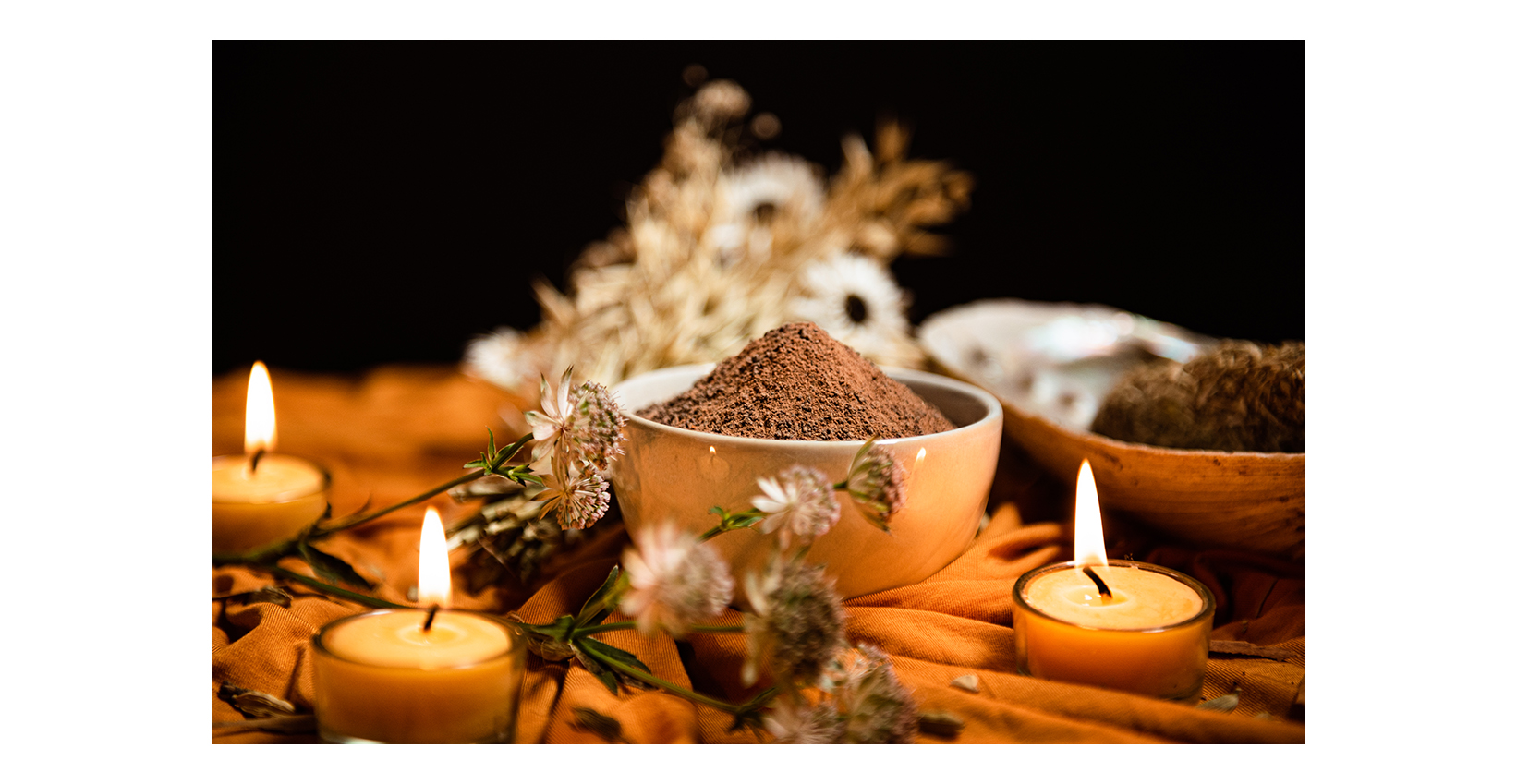
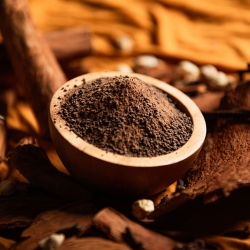
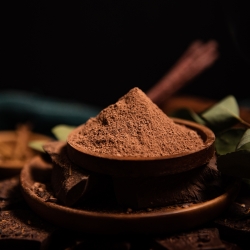
Raw Cacao Powder

Cacao in the Global Expansion

When cacao made its way to Europe in the 16th century through Spanish explorers, its sacred origins were largely overlooked. However, cacao quickly gained popularity in European courts, where it was transformed into a sweetened beverage that became the foundation of the modern chocolate industry. Despite its commercialization, cacao retained an aura of indulgence and luxury, consumed for both pleasure and supposed medicinal benefits.

It wasn't until recent decades that cacao began to reclaim its spiritual and wellness roots in the modern wellness movement.

The Modern Revival: Cacao in Wellness Practices Today

In recent years, cacao has experienced a resurgence in wellness circles, largely due to its powerful nutritional properties and its ability to facilitate spiritual and emotional healing. Today, raw cacao is recognized not just as a superfood but as a tool for mindful living, emotional connection, and self-care.

1. Cacao in Ceremonial Practice

Modern cacao ceremonies have grown in popularity, reviving the ancient traditions of using cacao as a tool for spiritual awakening and heart-centered healing. These ceremonies, rooted in the practices of indigenous cultures, invite participants to consume ceremonial-grade raw cacao in a mindful, sacred setting.

Ceremonial cacao is typically made from heirloom strains of cacao, unroasted and minimally processed to preserve its nutritional integrity and energetic properties. Participants are guided through meditations, music, or movement as they sip the cacao drink, fostering emotional openness and deep connection with others.

In these ceremonies, raw cacao is considered a heart-opener, helping people to access compassion, creativity, and inner peace. The experience can be deeply meditative and transformative, allowing individuals to connect with themselves and the group on a profound level.

2. Cacao as a Wellness Superfood

Beyond its ceremonial use, raw cacao has gained recognition in the health world for its impressive nutritional profile. Packed with antioxidants, magnesium, iron, and a host of other essential minerals, raw cacao supports heart health, boosts mood, and enhances cognitive function.

One of the most appealing aspects of raw cacao is its role in mood regulation. Cacao contains compounds such as theobromine, a mild stimulant, and phenylethylamine, known as the "love molecule," which is linked to feelings of pleasure and well-being. For this reason, cacao has become a popular ingredient in smoothies, energy bites, and wellness drinks designed to support both physical vitality and mental clarity.

3. Cacao in Mindful Eating and Meditation

In modern mindfulness and meditation practices, cacao is often used as a tool for conscious eating. Mindful cacao consumption involves savoring the rich flavors, textures, and sensations of the cacao, allowing the experience to become a meditative act. The process of slowly enjoying a piece of raw cacao, or sipping a cacao drink, encourages awareness and presence, helping to ground the mind and body.

Cacao meditations are another popular way to incorporate this powerful plant into wellness routines. Whether enjoyed solo or in a group, a cacao meditation typically involves setting intentions, drinking a warm cacao beverage, and allowing the natural effects of the cacao to promote a state of relaxation and introspection.

Scientific Research and Modern Studies

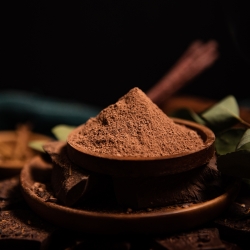
Raw Cacao Scientific Research

The health benefits of raw cacao are well-documented, but recent scientific studies provide a deeper understanding of its impact on brain chemistry and mental health. Research highlights that cacao's high flavonoid content improves cognitive function by enhancing blood flow to the brain. Additionally, its effects on mood and emotional well-being stem from compounds like theobromine and serotonin precursors, which may help reduce symptoms of depression and anxiety.

A 2023 study published in Frontiers in Nutrition found that regular consumption of raw cacao significantly increased markers of brain-derived neurotrophic factor (BDNF), a protein associated with neuroplasticity and mental health resilience. Another study in Nutrients explored the link between cacao and stress reduction, revealing that participants who consumed cacao-rich beverages reported lower cortisol levels.

Comparison studies have also illuminated the stark differences between raw and processed cacao. Raw cacao retains higher levels of antioxidants and bioactive compounds, which are often diminished during roasting and alkalizing processes. This makes raw cacao a superior choice for those seeking maximum health benefits.

The Future of Cacao in Wellness

As people increasingly seek ways to reconnect with natural, unprocessed foods and ancient healing practices, the role of raw cacao in wellness will continue to expand. Cacao is no longer just a culinary ingredient—it’s a tool for transformation, self-discovery, and connection. Whether through sacred ceremonies, mindful eating, or daily rituals, raw cacao offers a pathway to elevate our well-being and align with a deeper sense of purpose.

From its revered status in Mesoamerican temples to its resurgence in today’s wellness culture, raw cacao’s journey from bean to bliss is one that continues to inspire, heal, and connect us across time and tradition.

 
Posted in: All posts, Health
Loading...