Three South American plants turn up in almost every book on ethnobotany: Banisteriopsis caapi, chacruna (Psychotria...

Caapi Yellow Extract 3:1 - Banisteriopsis Caapi | Concentrated Vine Extract
Shamanism
€22.73



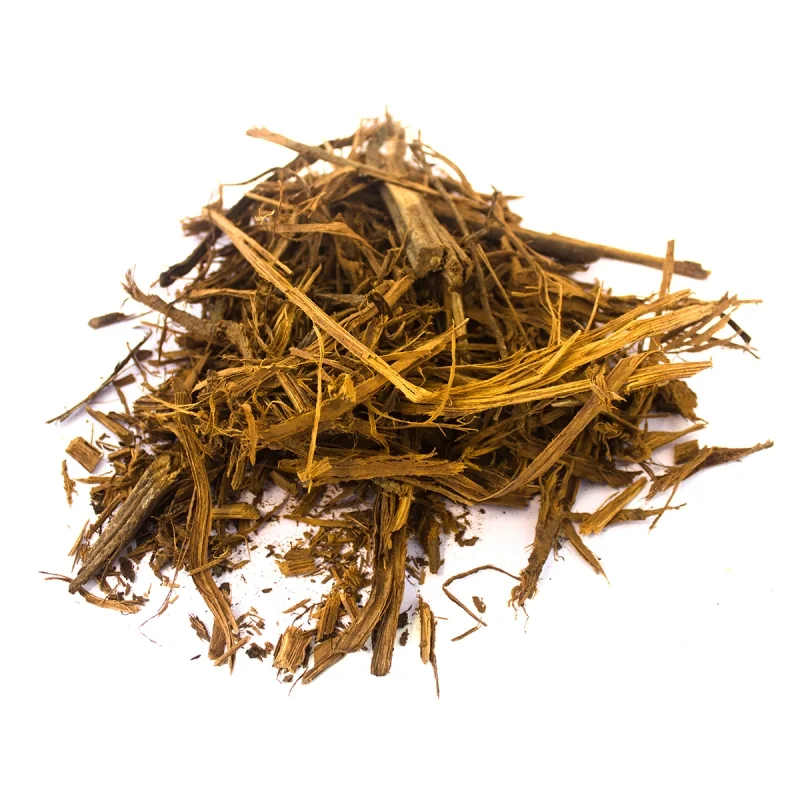
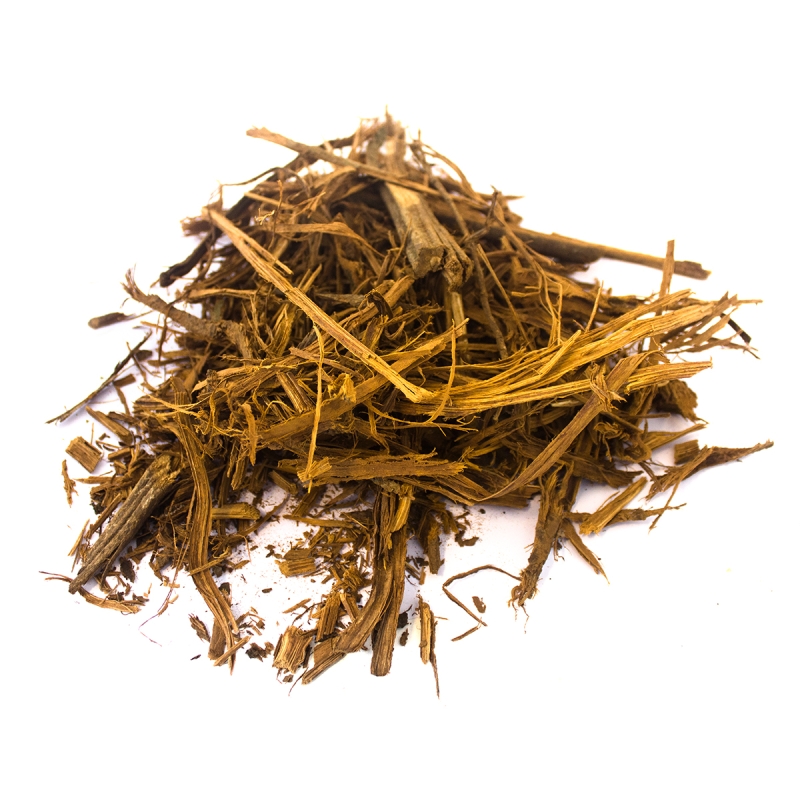
Shredded Banisteriopsis caapi Caupuri variety from Brazil. This vine is recognizable by its characteristic large nodes on the stem. Ethically harvested by caboclo partners with replanting project.
The Caupuri is a specific variety of Banisteriopsis caapi from Brazil distinguished by its striking large nodes in the stem. The vine grows in areas near the equator where the tropical climate offers optimal growing conditions.
Banisteriopsis caapi belongs to the Malpighiaceae family. The shredded material we offer comes from wild vines in the Brazilian Amazon region.
Key features: Shredded Caupuri variety from Brazil. Characteristic large nodes in stem. Malpighiaceae family. Ethically harvested. Replanting project with caboclo partners.
Our Caupuri is harvested by caboclo partners with generations of experience. We have an active replanting project. During harvest, roots remain in the ground.
This herb is strictly offered as a botanical specimen for research and study.
WARNING: Banisteriopsis caapi contains MAO-inhibiting substances. Always consult expert sources before working with this material.
Caupuri shredded consists of shredded stems of the raw vine, while the paste is a concentrated water extract with a 30:1 ratio. The shredded form retains the complete plant material in its natural state, whereas the paste is an extracted and concentrated form. The choice depends on your specific research application and preferred processing method.
The Caupuri variety is immediately recognisable by the strikingly large nodes in its stem. When broken, it fragments into smaller pieces rather than long fibres as with other caapi varieties. Caupuri grows near the equator in tropical Brazil. Learn more about ethnobotanical plants and their characteristics.
Yes, Banisteriopsis caapi contains harmala alkaloids that function as MAO inhibitors. This means the material can be dangerous in combination with certain foods (such as tyramine-rich products) or medications (such as SSRIs). Always consult expert sources on MAO inhibitors before working with this botanical material.

You might also like
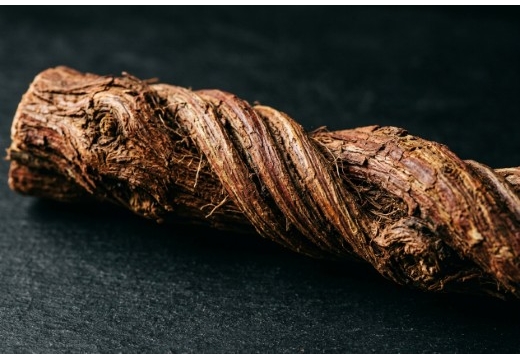
Three South American plants turn up in almost every book on ethnobotany: Banisteriopsis caapi, chacruna (Psychotria...
Terence McKenna (1946-2000) was a true Renaissance man of the 20th century. With a foot in both science and the...
LSA seeds like Baby Hawaiian Woodrose are known for their consciousness-expanding effects and their role in ancient...
The NLNaturals line includes two remarkable seeds: Cebil and Yopo, from the Anadenanthera tree. Little seeds, big...