Ethnobotanical Plants Guide
The science of ethnobotany studies the relationship between plants and human cultures. Many of these plants contain unique alkaloids and active compounds that have played a role in ceremonies and traditional use for thousands of years. At Next Level we exclusively offer high-quality, ethically sourced products.
Popular Categories
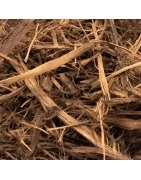
- Banisteriopsis caapi — the sacred vine from the Amazon basin, available as whole pieces and shredded form
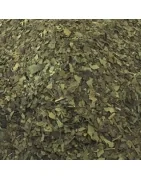
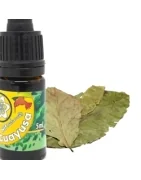
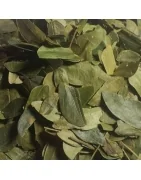
- Psychotria viridis (Chacruna) — DMT-containing leaves from the coffee plant family
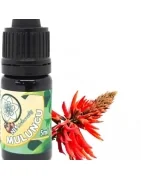
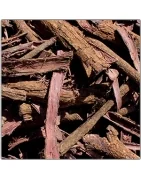
- Mimosa hostilis — root bark with a rich traditional history in Brazil
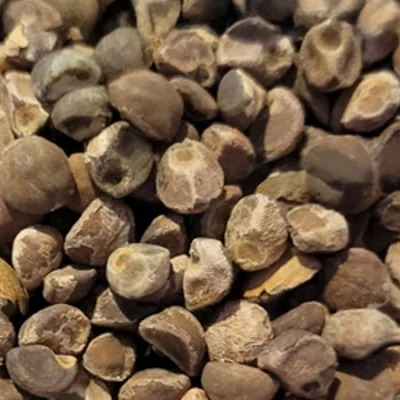
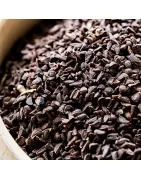
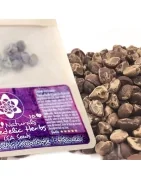
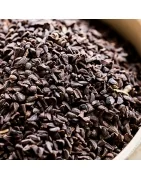
- Peganum harmala (Syrian Rue) — seeds rich in harmala alkaloids
Read our guide to ethnobotany for more background on these fascinating plants.
Which ethnobotanical plants are the most remarkable?
Ethnobotany is the scientific study of the relationship between plants and human cultures. It explores how indigenous peoples traditionally use plants for ceremonial, medicinal and spiritual purposes. From MAO-inhibiting vines to DMT-containing leaves, these plants harbour potent alkaloids with a rich cultural history. Learn more in our comprehensive ethnobotany guide.
Which ethnobotanical plants do you sell?
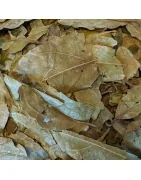
Our range includes Banisteriopsis caapi (MAO-inhibiting vine), Psychotria viridis (DMT-containing chacruna), Diplopterys cabrerana (chaliponga), Mimosa hostilis root bark, Peganum harmala (Syrian Rue) and Yopo & Cebil seeds containing bufotenine. Each plant is carefully selected for alkaloid profile and authenticity.
How should I store ethnobotanical plants?
Store dried plant products in a cool, dry and dark place inside an airtight container. Avoid direct sunlight and moisture, as UV radiation and condensation accelerate the breakdown of alkaloids such as harmine, DMT and LSA. With proper storage, most products maintain optimal quality for six to twelve months.
Are your ethnobotanical products tested for quality?
Yes, all our ethnobotanical products are checked for purity, authenticity and correct botanical identification. We work with reliable suppliers who harvest sustainably and ethically in the regions of origin. Have questions about a specific product? contact us.